Jacques Olivar: a vagabond, a pilot, and a genius of fashion photography (22 photos)
In the world of fashion photography, there are names that sound like legends. Jacques Olivar is one of them. But unlike most of his colleagues, his path to fame was incredibly winding. An orphan from Casablanca, a vagabond in North Africa, a passenger airline pilot—and only then did he become a photographer who revolutionized the concept of fashion photography. 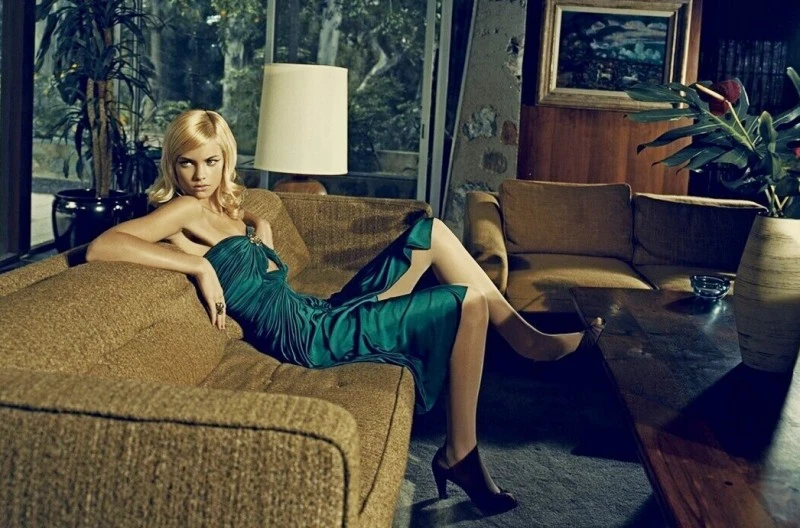
He picked up a camera at 40, when others were already summing up their careers. In just a few years, he transformed himself from an amateur into one of the most sought-after photographers in the world, working with Vogue, Hermès, and Giorgio Armani. His images are called poetic, cinematic, and psychological. He doesn't take off his clothes—he captures the model's breath, her past, her soul. Today, Jacques Olivar is over 80, but he continues to create images that are impossible to tear your eyes away from.
A Childhood Without a Childhood: An Orphan in Casablanca
Jacques Olivar was born in 1941 in Casablanca, Morocco—a city of white houses on the Atlantic coast that was then a French protectorate. His mother was an Andalusian gypsy, from whom he inherited a love of music, travel, and freedom. He barely remembered his father.
His parents died when Jacques was very young. He has never disclosed the circumstances of their death—it's one of those topics the photographer prefers to remain silent about. The boy grew up in an orphanage, then with distant relatives who showed little interest in him. He was essentially left to his own devices. 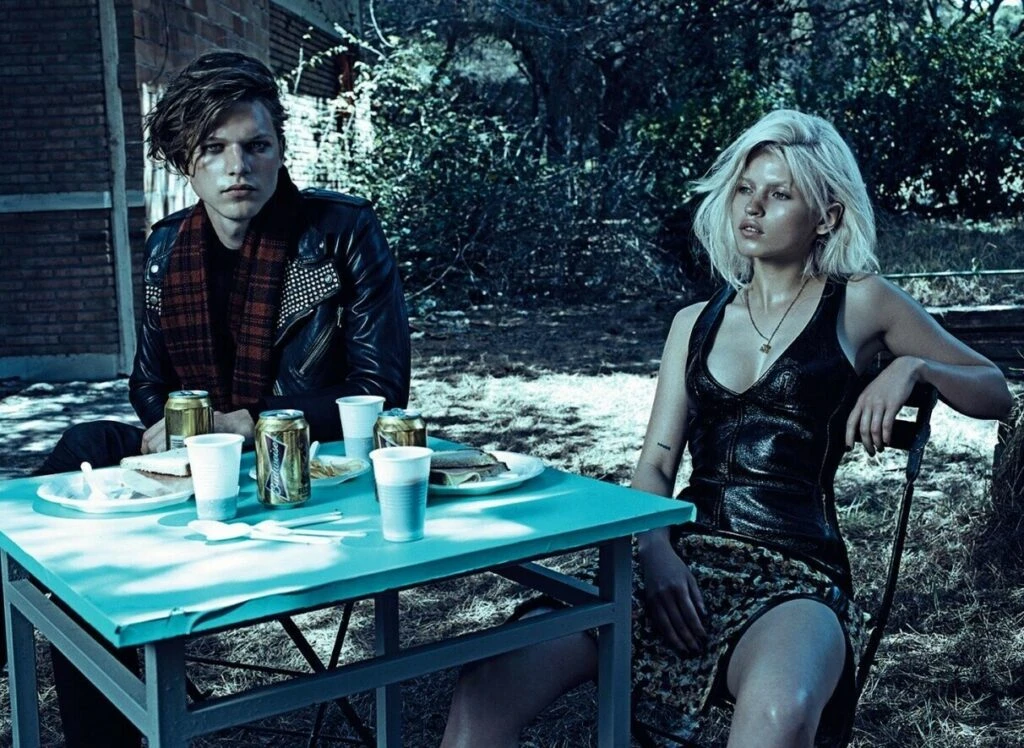
Runaway Children
Jacques hated school and was constantly skipping classes. But he wasn't a typical hooligan or a slacker. He spent his free time in the library, reading everything from adventure novels to poetry. He listened to music—jazz, flamenco, classical. At 14, he could quote entire pages of Federico García Lorca and hum the melodies of Miles Davis.
After finishing school, Jacques didn't know what to do. For several years, he wandered around North Africa—Morocco, Algeria, Tunisia. He worked wherever he could: as a loader at the port, as an assistant at the market, as a bellhop at hotels. He slept wherever he could and ate whatever he could find. But these years of wandering gave him what school couldn't—an understanding of life, people, light, and space. 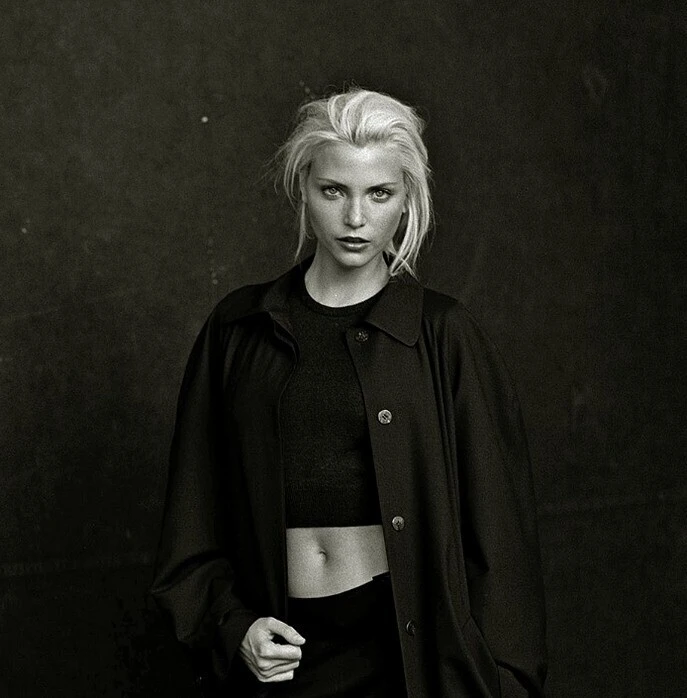

Nadja Auermann
It was then that he first picked up a camera. A sailor friend from France gave him an old camera. Jacques photographed streets, faces, sunsets over the ocean. Nothing serious—just a vagabond's hobby, wanting to capture moments.
From Heaven to Earth: A Pilot's Career
In the early 1960s, Jacques made a surprising decision – he enrolled in flight school. He didn't say where he got the money for his studies. Perhaps he saved up over years of travel, or perhaps it was the help of friends. But in 1964, he received his commercial pilot's license.
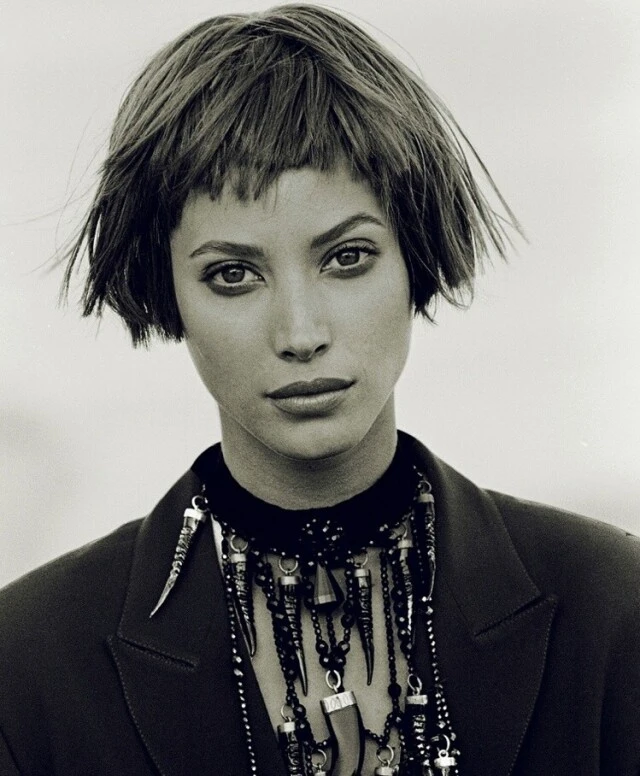
Kristi Turlington
For the next twenty years, Jacques Olivar flew. First, small cargo planes, then passenger airliners. Routes spanned Africa, Europe, and the Middle East. He saw the world from a bird's eye view, crossed deserts and oceans, and witnessed sunrises over the Sahara and sunsets over the Mediterranean.
His camera was always with him. In his free time between flights, he photographed airports, cities, and people. He amassed thousands of photos, but never showed them to anyone. It was his secret passion, a personal diary in pictures.
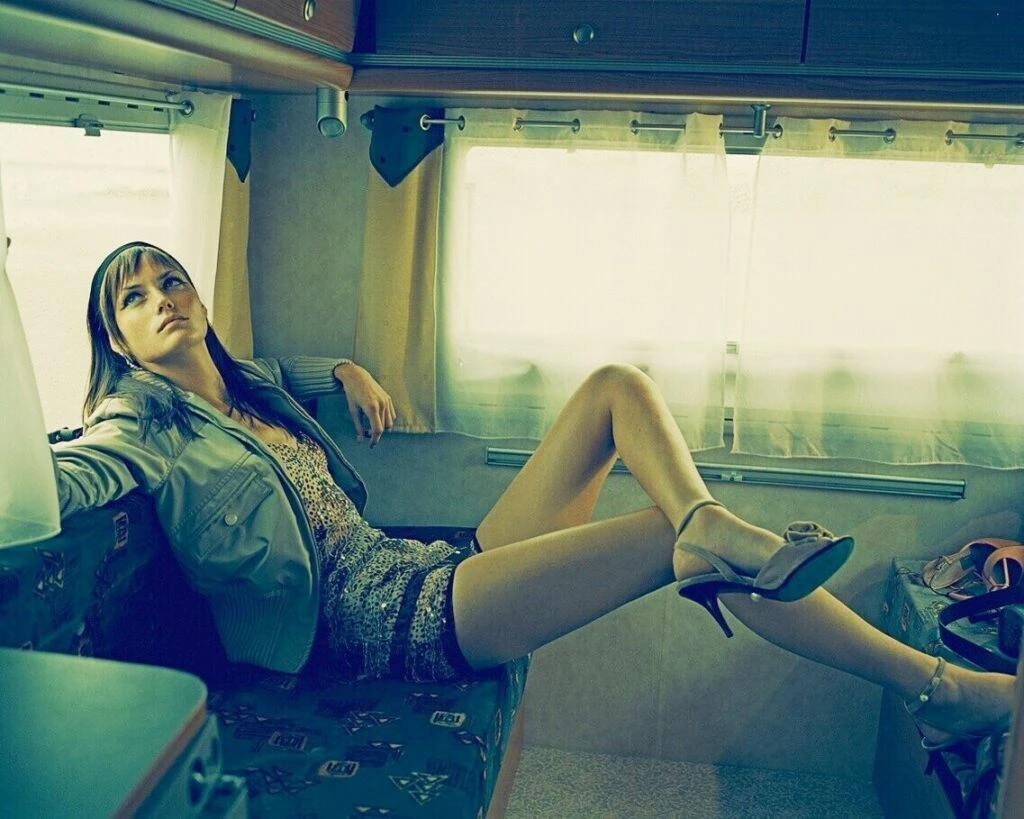
Mini Anden
Jacques' fellow pilots considered him strange. He didn't drink, play cards, or go to bars. Instead, he read books, listened to music, and wandered unfamiliar cities with his camera. He was a loner, but not out of isolation—he simply preferred the company of art to the company of others.
A Rebirth at 40: From Hobby to Profession
In the early 1980s, Jacques Olivar made a life-changing decision. He was around 40—an age when most people are already firmly established in their profession. But Jacques gave up aviation and decided to become a photographer.
He has given different explanations for what prompted him to take this step. In one interview, he said he was tired of the routine of flying; in another, he realized photography was his true calling. Perhaps it was all a combination of factors: the visual experience accumulated over the years, the thousands of photos in his suitcases, and the desire to tell stories not with words but with images.
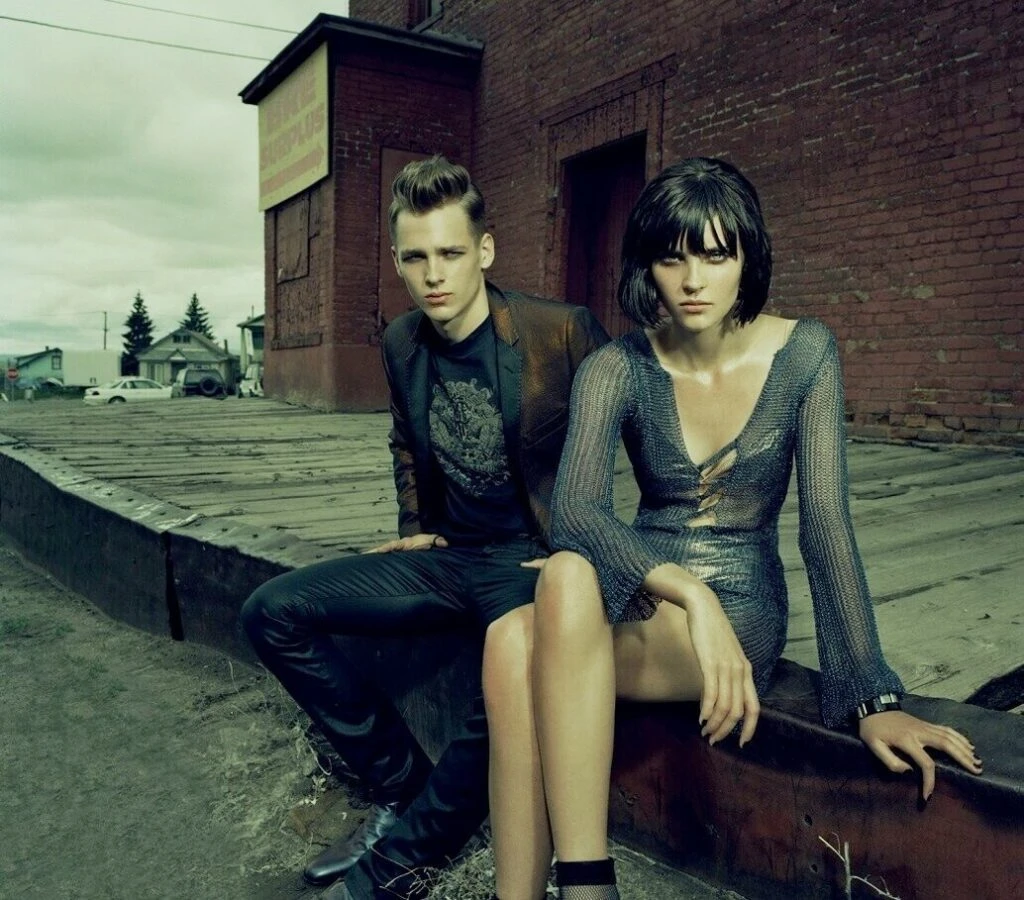
Alison Nix and Brian McGillin
Starting from scratch at 40—courage or madness? For Olivar, it was the only possible path. He moved to Paris, rented a tiny studio, and began making the rounds of magazine editorial offices with his portfolio. The first few years were lean. Rejections, rejections, rejections. But he stubbornly continued shooting.
His breakthrough came in the mid-1980s. His work was noticed by the art director of a fashion magazine. What other photographers did beautifully and glossy, Olivar did differently—realistically, emotionally, cinematically. His models didn't pose; they lived in the frame. His photographs told stories.
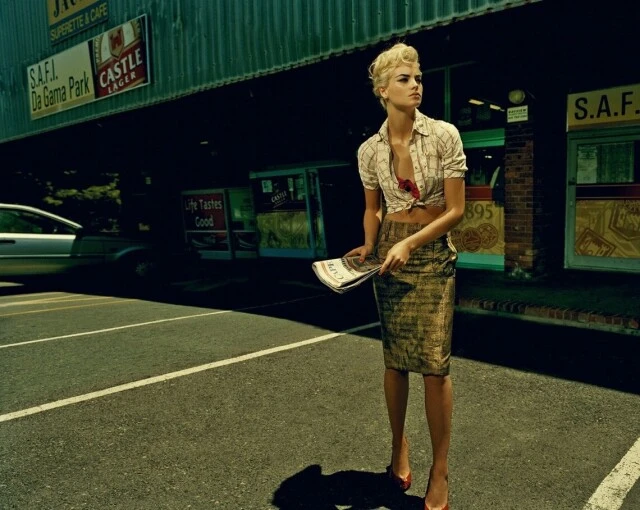
A Long Way Home with the Stunning Elise Taylor
By the late 1980s, Jacques Olivar's name had become known in the industry. He was invited by Vogue, Harper's Bazaar, and Elle. He was hired by Giorgio Armani, Hermès, Céline, Trussardi, and Yves Saint Laurent. In just a few years, he went from an unknown newcomer to one of the most sought-after fashion photographers in the world.
A career that others built over decades took Olivar five years. But those five years represented forty years of life, observation, and accumulated visual experience.
Photography Philosophy: Portraits Instead of Fashion
Jacques Olivar frankly admits that he never considered fashion a model of artistic perfection. He was inspired not by catwalks and boutiques, but by literature and cinema. He devoured the novels of Jean Genet, the eternal wanderer and rebel. He reread Jack Kerouac's On the Road, where freedom is more important than comfort. He immersed himself in the experimental prose of William Burroughs. He loved the narrative style of John Steinbeck, the dramatic characters of Tennessee Williams, and the lyricism and tragedy of Federico García Lorca.
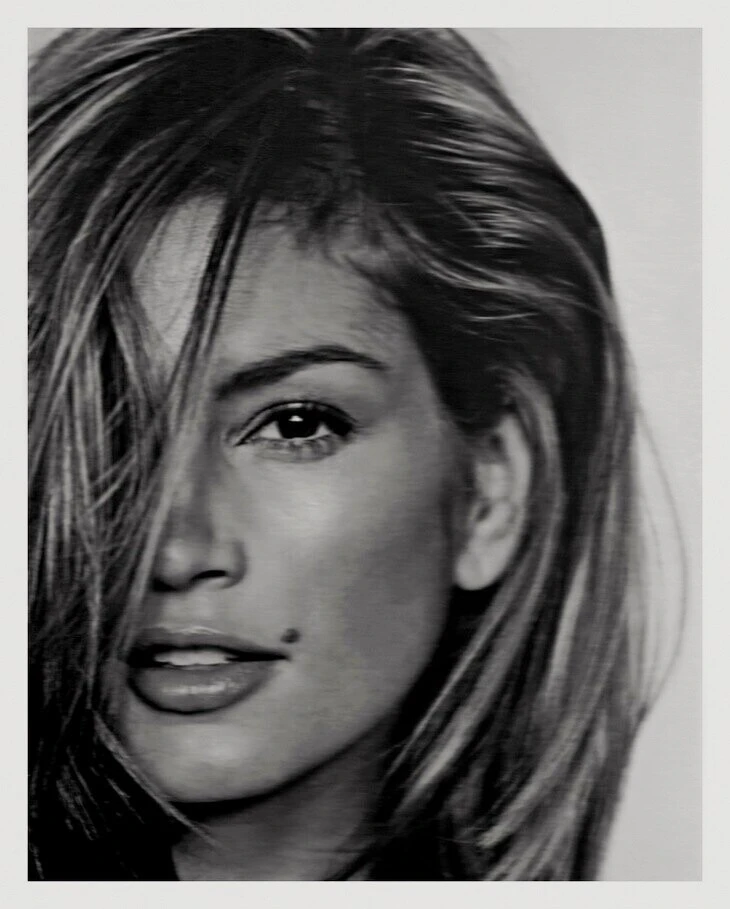
Cindy Crawford
All of this—literature, music, cinema—has permeated his photography. Olivar doesn't take off his clothes. He photographs people, their stories, their emotions. For him, clothes are just costumes in a play where the main focus is the actor.
He describes his approach this way:
"I almost never shoot fashion photographs. I only try to create a real portrait, a real picture of the model I'm working with. I try to capture her breath, her voice, her journey through life and the past. I want people looking at the photo to experience the same emotions I feel when I look into her eyes."
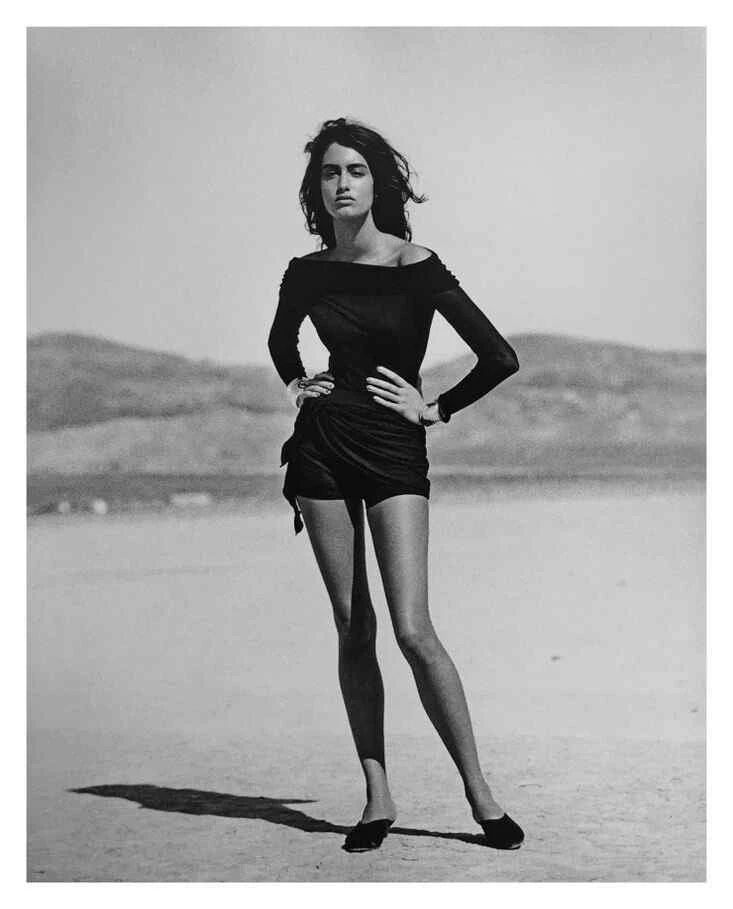
Yasmin Gauri, Mojave Desert, California
His shoots aren't studio sessions with a dozen assistants and a hundred flashes. They're often done with a single camera, natural light, and minimal props. Olivar can shoot in the desert, on an abandoned road, or in a dilapidated house. For him, the location isn't a backdrop, but a co-creator of the story.
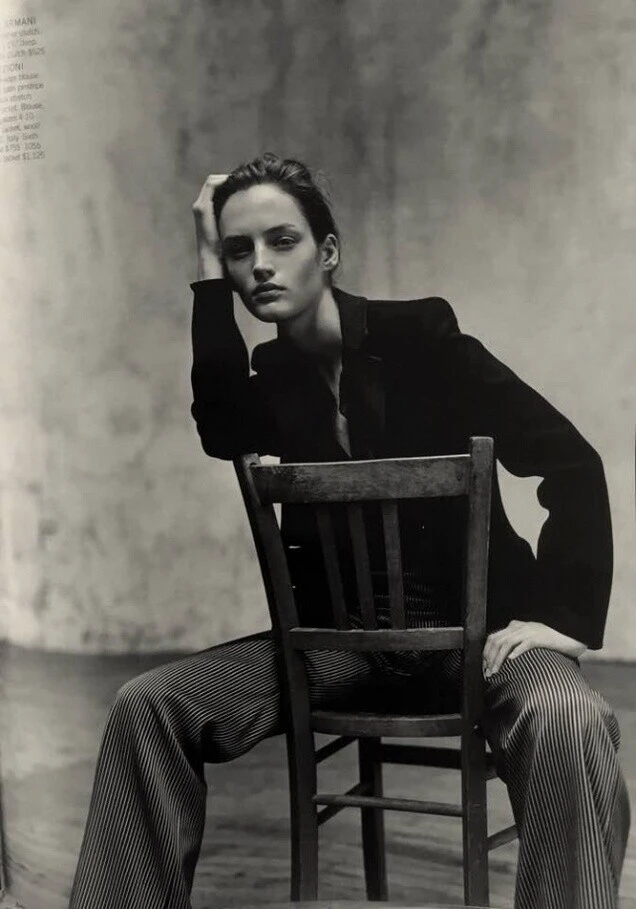
Vivien Solari
He often works with black and white film. Color, in his opinion, distracts from the essentials—from emotion, from the gaze, from the gesture. Black and white photography reveals the essence.
Models who have worked with Olivar say he doesn't give instructions in the usual sense. He doesn't say, "Turn left, lift your chin, smile." Instead, he tells stories, asks questions, creates an atmosphere. The model stops posing and begins to live in the frame.

Monica Bellucci
Cindy Crawford recalled:
"Jacques didn't photograph me like a supermodel. He photographed me as a woman with a past, present, and future. After his shoots, I looked at myself differently."
Natalia Vodianova said:
"With Jacques, I didn't feel like a mannequin, but like a film character. Every frame is a scene, a story, a moment in life."
Cinematography: The Influence of Great Directors
Jacques Olivar's photographs are often compared to film stills. This is no coincidence. He is a great fan of cinema and cites Federico Fellini, Pier Paolo Pasolini, Ingmar Bergman, and Andrei Tarkovsky among his inspirations.
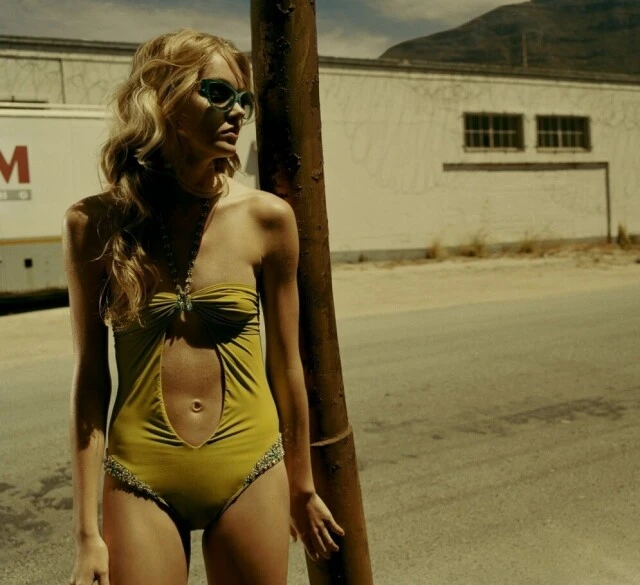
Lindsay Ellingson
From Fellini, he took his love of the grotesque and beauty in a single frame. From Pasolini, his social acuity and poetic insight. From Bergman, his psychologism and facial expressions. From Tarkovsky, his metaphorical approach and attention to detail.
His photographs are constructed like film stills: composition, light, rhythm, drama. It often feels as if you're looking not at a photo, but at a still frame from a film that doesn't exist. You want to know what happened before and what will happen after.
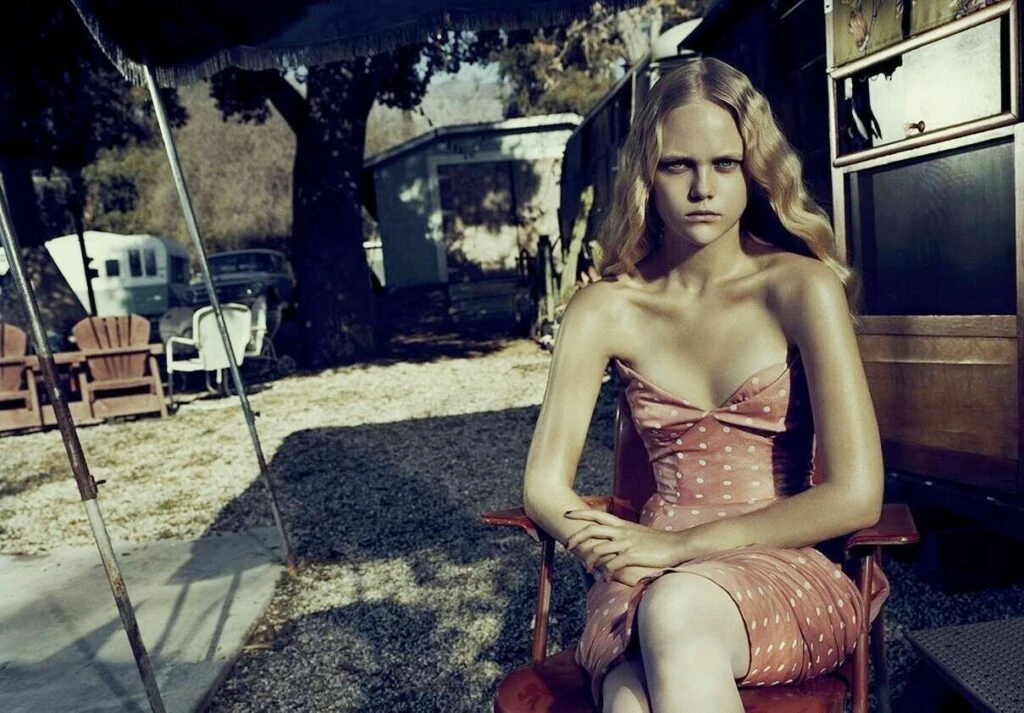
Girl from a Small Town with Anne Sofi Monrad
Olivar consciously uses cinematic techniques: depth of field, foreground and background manipulation, dramatic lighting, and unusual angles. His models don't simply stand or sit—they are in motion, in action, in process.
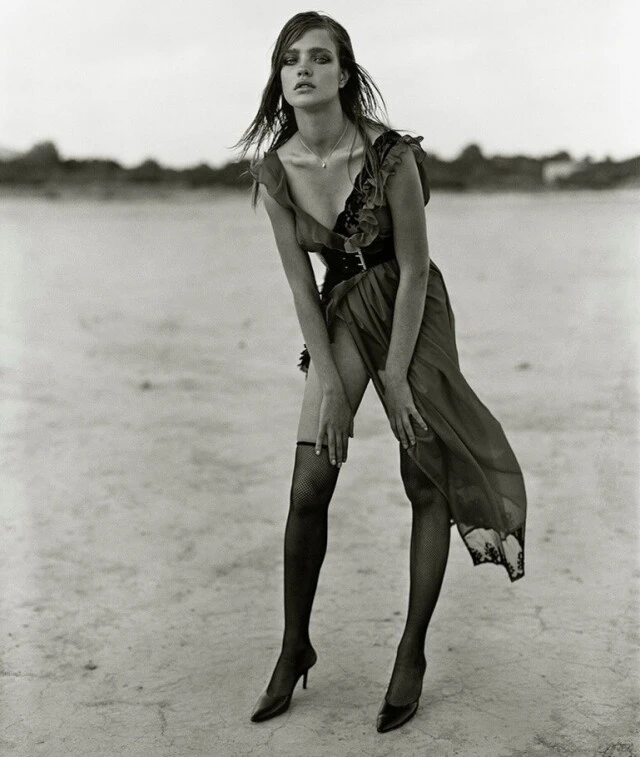
Natalia Vodianova
Critics call his work "narrative photography"—each image tells a story, even if that story remains untold, open to interpretation.
Beyond Fashion: Books and Exhibitions
Despite what Olivar himself says, he has remained one of the best in the fashion industry for over forty years. But his work has long since transcended the realm of commercial photography and become serious art.
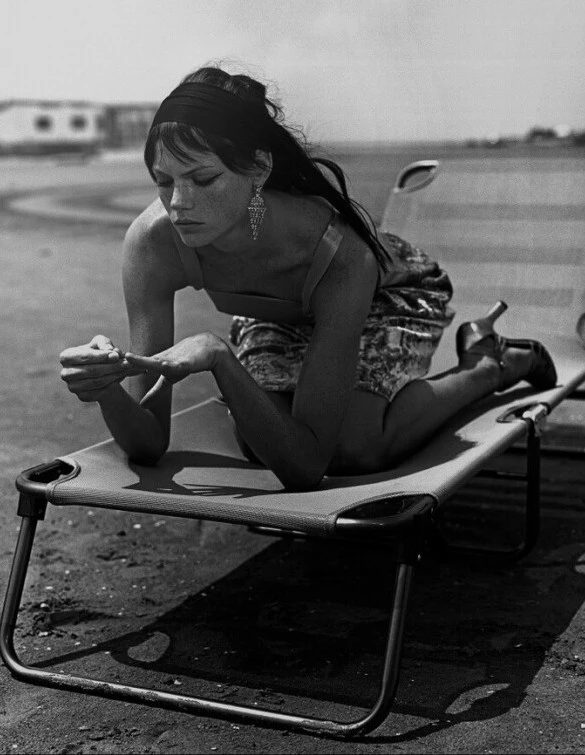
Mini Anden
His photographs are published in separate book-albums, which are sold to collectors. Among the most famous are "Portraits" (2001), "Women" (2008), and "Lumière" (2015). Each book is not a catalog of works, but a complete statement, a poetic essay in photographs.
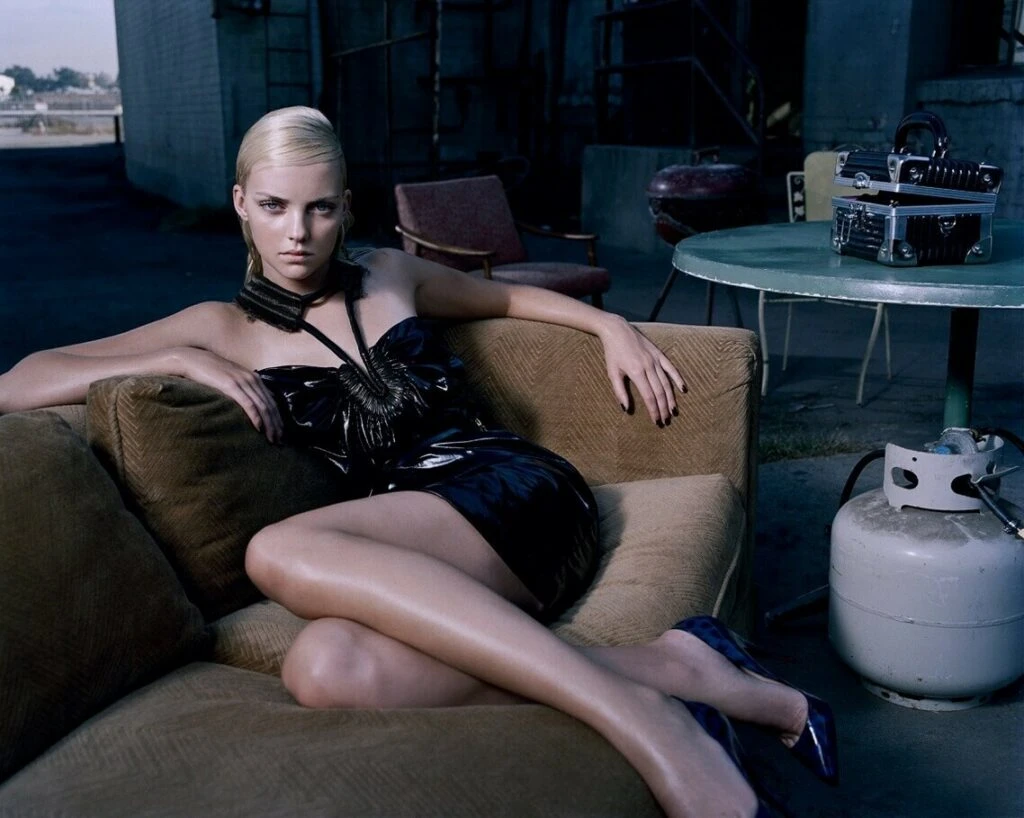
Heather Marks
His solo exhibitions are held in prestigious galleries in Paris, London, New York, and Tokyo. Critics place him alongside such masters of fashion photography as Peter Lindbergh, Paolo Roversi, and Sarah Moon.
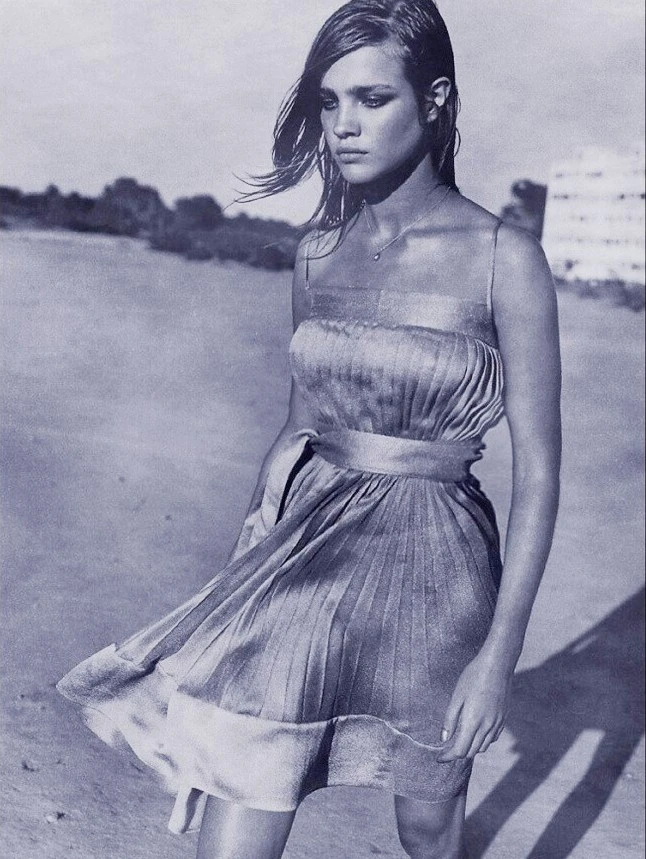
Natalia Vodianova
In 2019, the Paris Fashion Museum held a retrospective of his work—a rare honor for a photographer who doesn't consider himself a fashion photographer. The exhibition, titled "Portraits de femmes" (Portraits of Women), charted the evolution of his style from the 1980s to the present day.
The curator of the exhibition noted: "Olivar does something rarely accomplished in fashion photography—he creates timeless images. His 1990s photographs don't look dated because he wasn't capturing the fashion of the era, but people who exist beyond time."
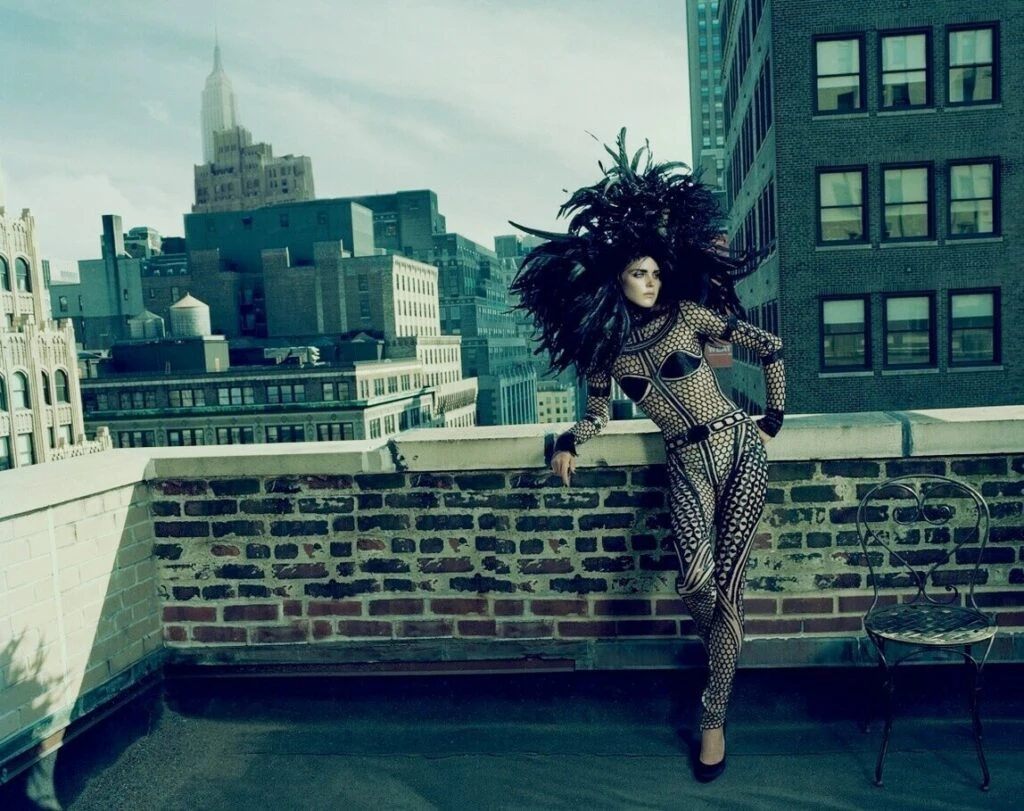
Thank you, Alexander McQueen
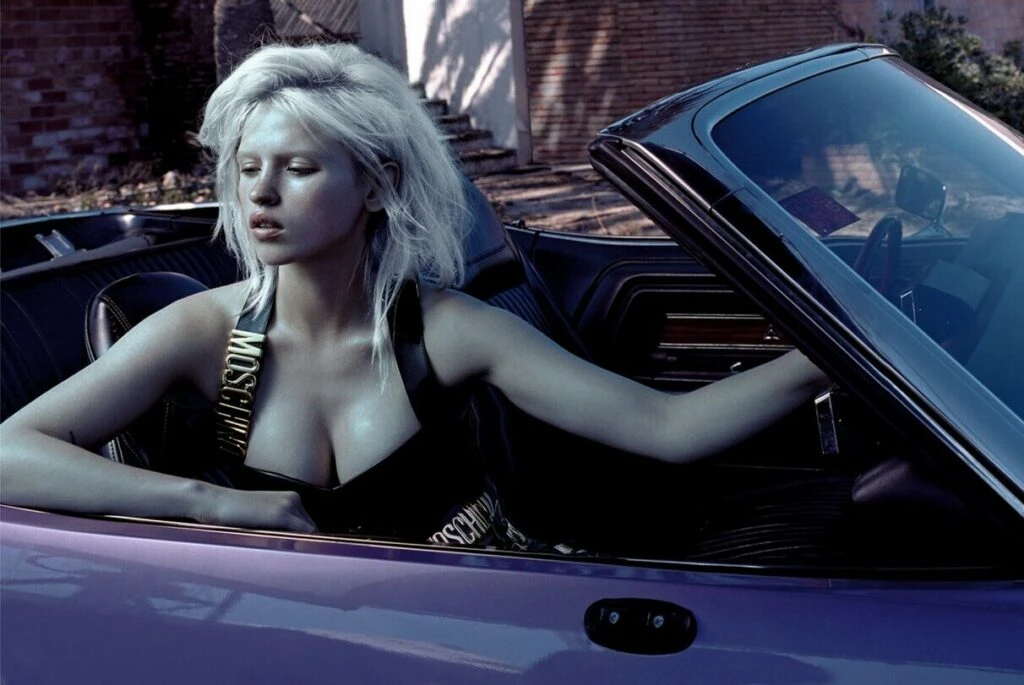
Anna
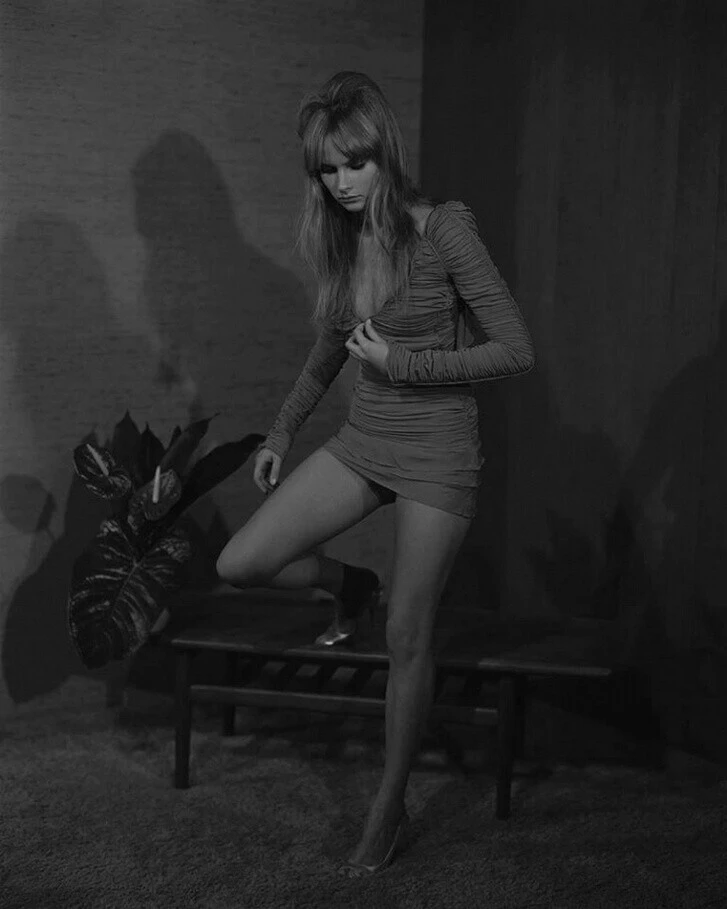
Still 036
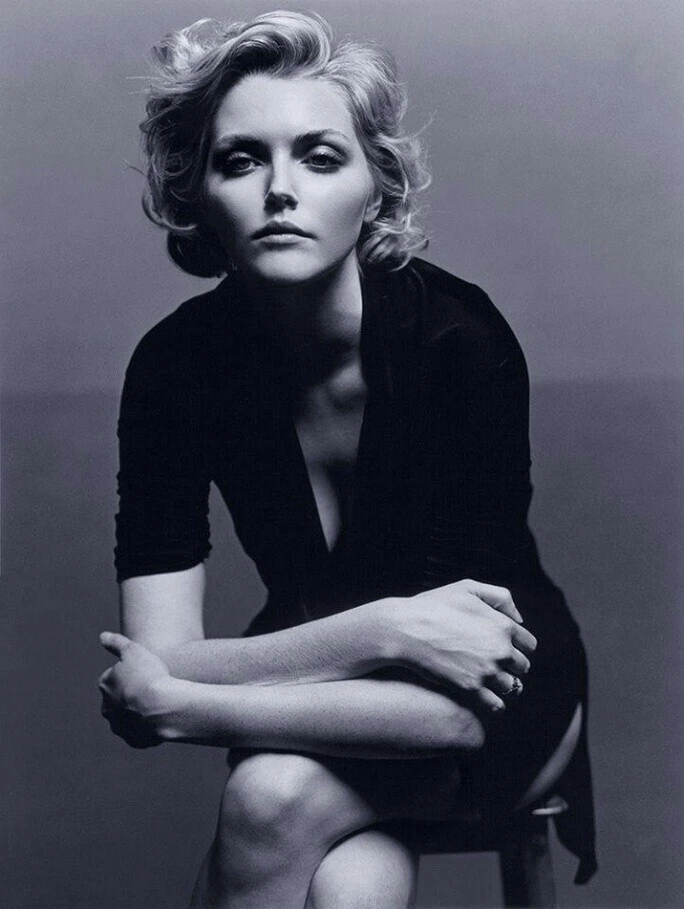
Sophie Dahl
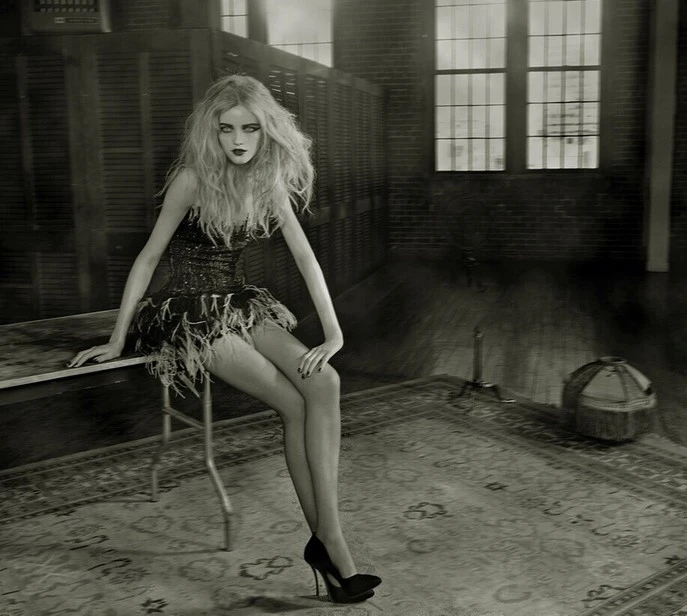
Vlada Roslyakova
Jacques Olivar's story is a reminder that the path to a calling can be long and winding. That life experience is more important than an early start. That true art is born not from technique, but from the soul. And that it's never, ever too late to start over, if you know exactly why. He proved that at 40, you can leave a stable profession and become a legend in a completely new field in just a few years—if you have years of observation, thousands of books read, and a clear vision of what you want to say to the world.
What do you think is more important for success: talent revealed early or life experience accumulated over the years? And are you ready to give up everything at 40 and start a new career to pursue your dream?

Download
Archive size 2.6 Mb, downloaded 25 times