Artist Paul Rader — an undeservedly forgotten genius who stood at the origins of the pin-up genre (23 photos)
When listing famous pin-up artists, Paul Rader is somehow always forgotten. He is remembered only by a small circle of collectors and art historians. This attitude toward this artist is difficult to explain, as in the first half of the 20th century, he was considered a genius and one of the pillars of modern American illustration. 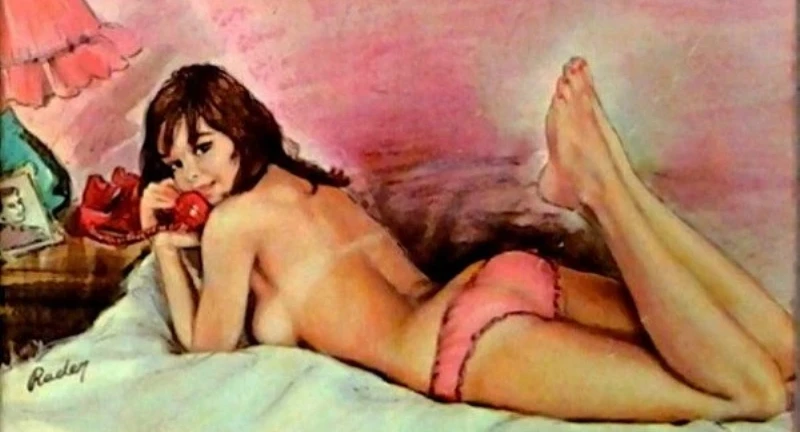
Isaac Paul Rader, as the artist's full name is, was born in 1906 in Brooklyn, New York. His family was not wealthy—his father worked as a carpenter, and his mother was a housewife. The Raiders were constantly moving, as the head of the family worked as a contractor on large construction sites. The family eventually settled in Toledo, Ohio. 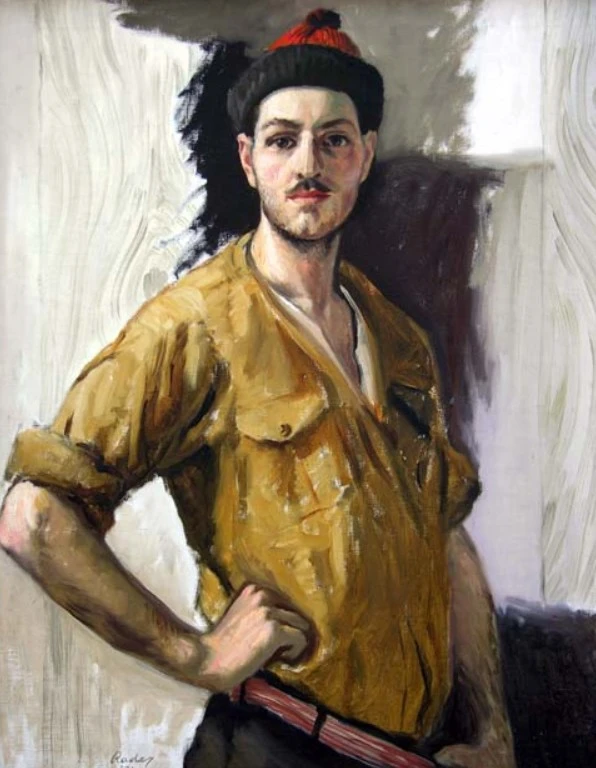
Self-portrait
It was in Toledo that the very young Paul became fascinated with painting. He taught himself the art of painting, using books from the city library. But his undeniable talent played a major role. At just 16 years old, Raider achieved an unprecedented honor: his paintings were exhibited at the Toledo Museum of Art alongside works by renowned masters. 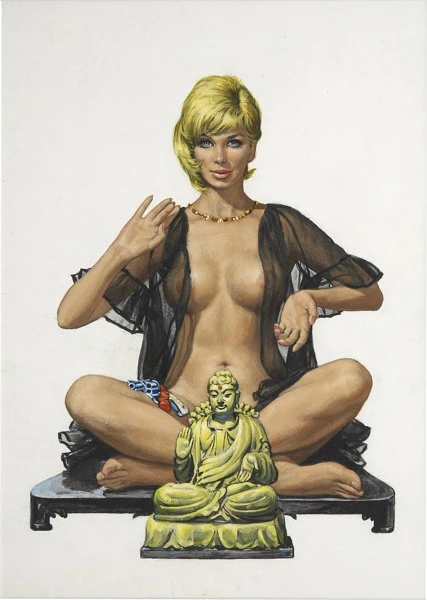
Paul became the youngest artist in the United States to be recognized at such a high level. Unfortunately, the Toledo Museum neglected to purchase Rader's paintings, so they are not included in the current exhibition. When the artist's father moved to Detroit for work, Rader followed him. Paul set up a studio in the attic above his parents' apartment and painted there. He enrolled at the prestigious Wayne State University, but quickly lost interest in his studies and dropped out. 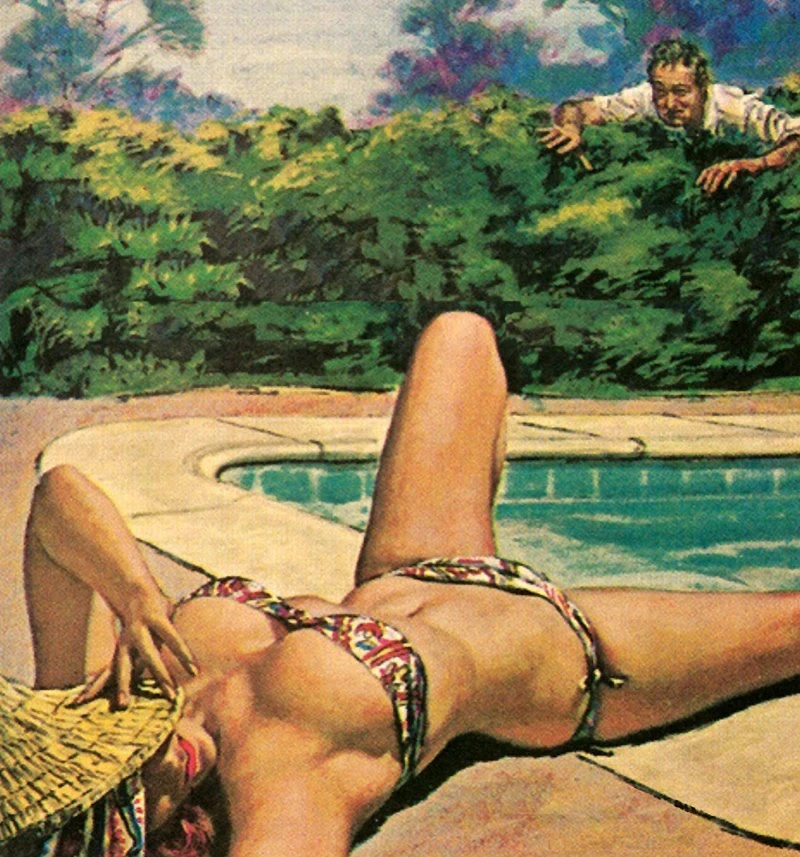
In Detroit, Rader earned his living painting portraits. As a young man, he already had considerable authority, and his clients included judges, prominent businessmen, and city officials. Having saved some money, the young artist went to study painting in Europe. Returning to Detroit, Rader married at the age of 25. His wife was originally from Philadelphia, and the young family moved there in 1931. 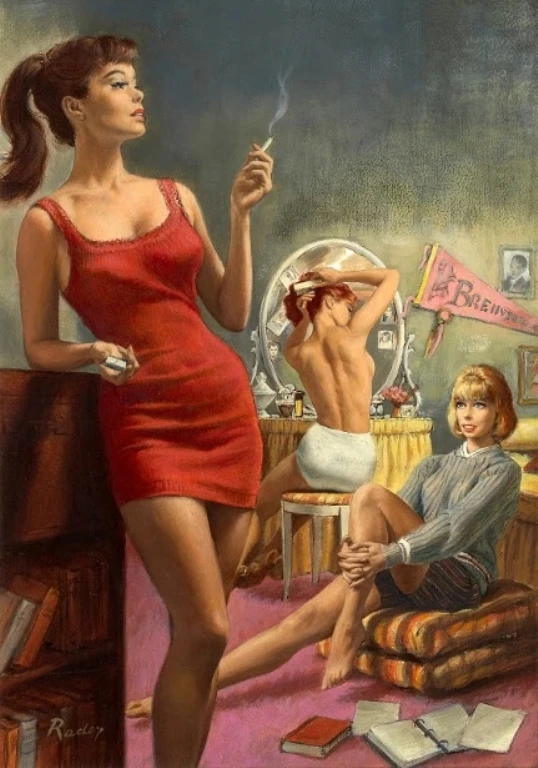
Paul Rader lived and worked in Philadelphia until 1940, when he divorced. He then moved to New York and remarried in 1942. During the war, the artist temporarily put his brushes and paints aside, taking a job as a welder at the Citizen's Prep defense plant. In 1945, he began accepting commissions again and opened a new studio in New York. 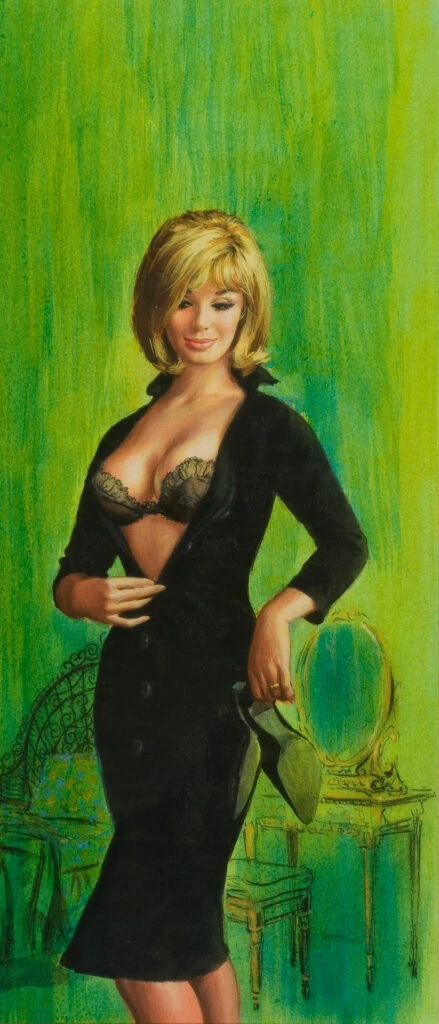
Over time, the artist almost completely stopped painting portraits. Needing to support his family, Rader turned to commercial illustrations. He created advertisements for well-known US companies: Sharp & Doane Drugs, General Electric, and Lovable Brass. He was also constantly approached by editors from various magazines. 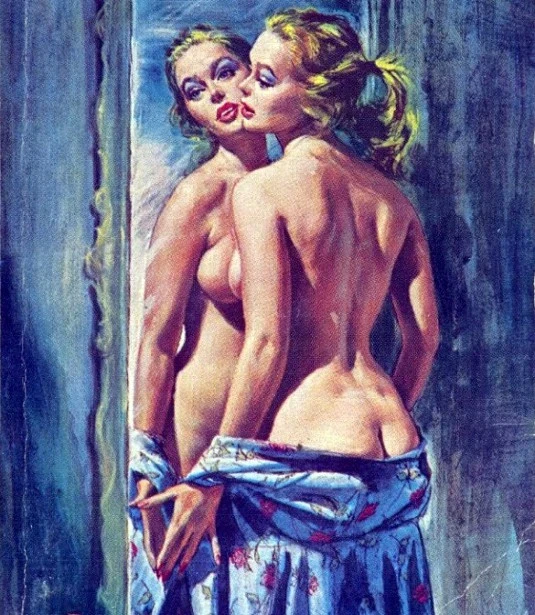
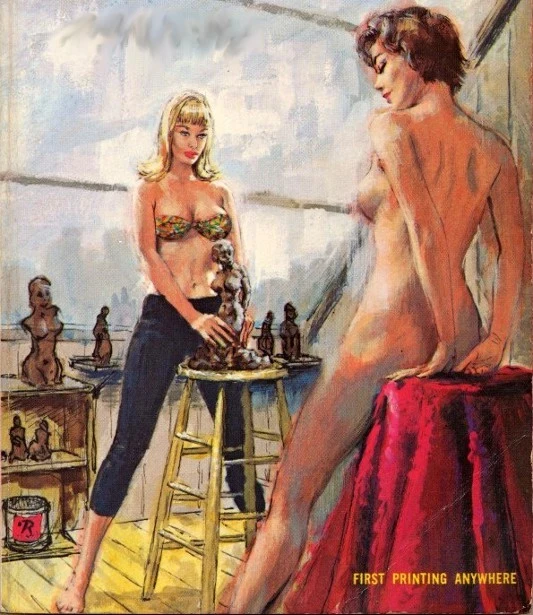
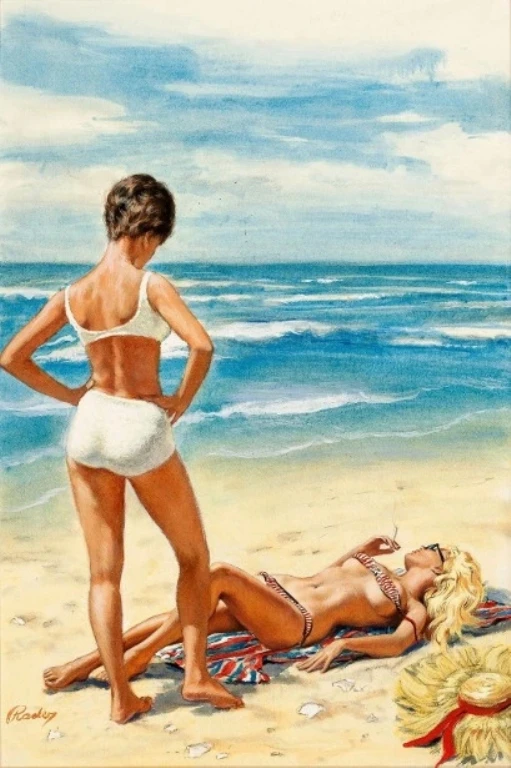
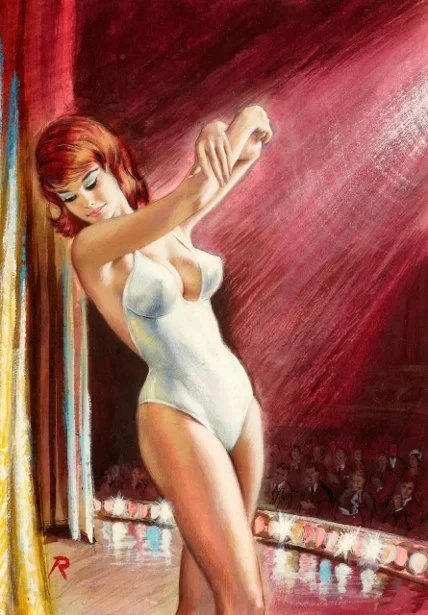
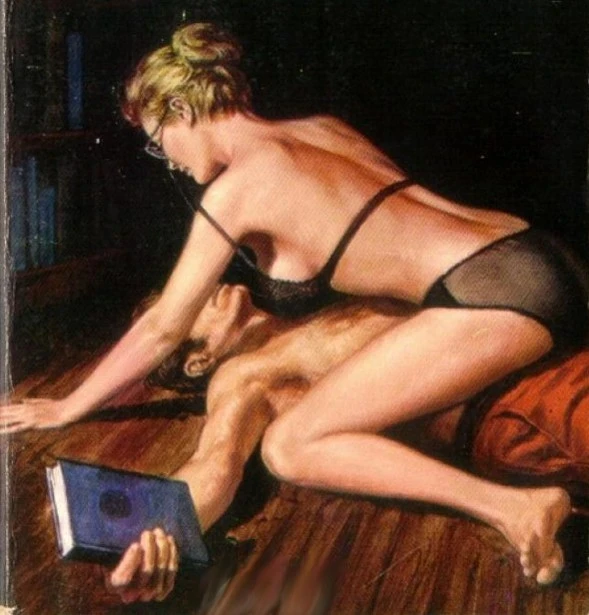
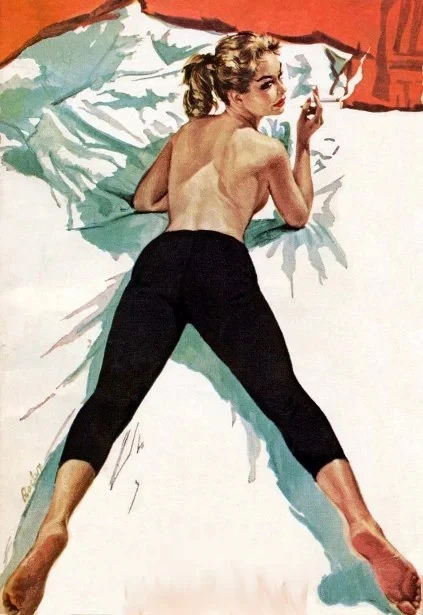
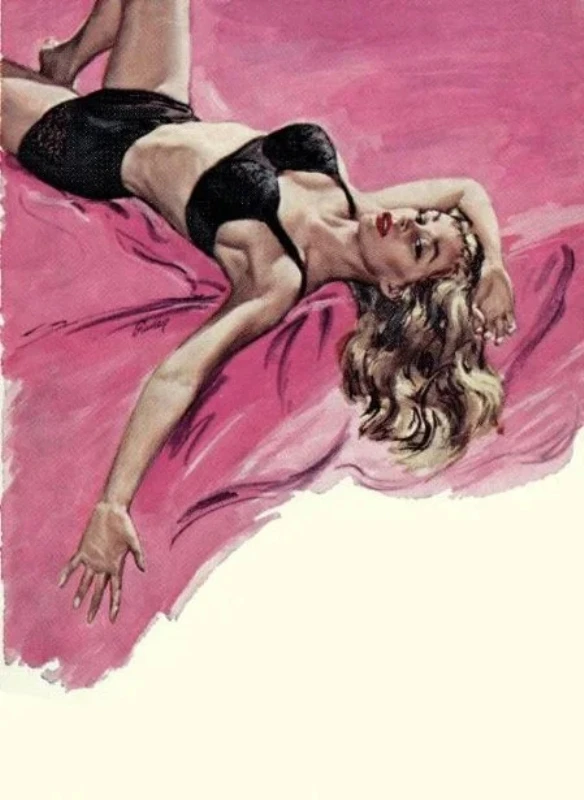
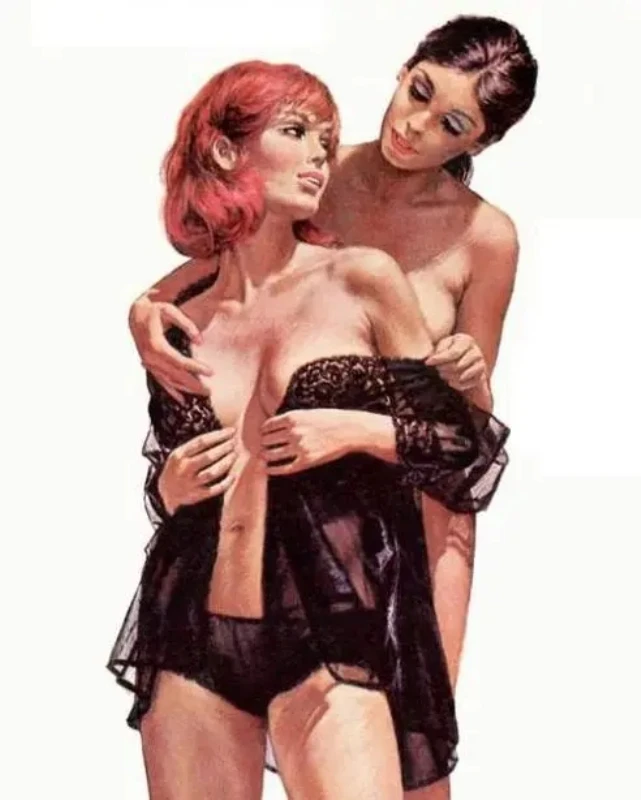
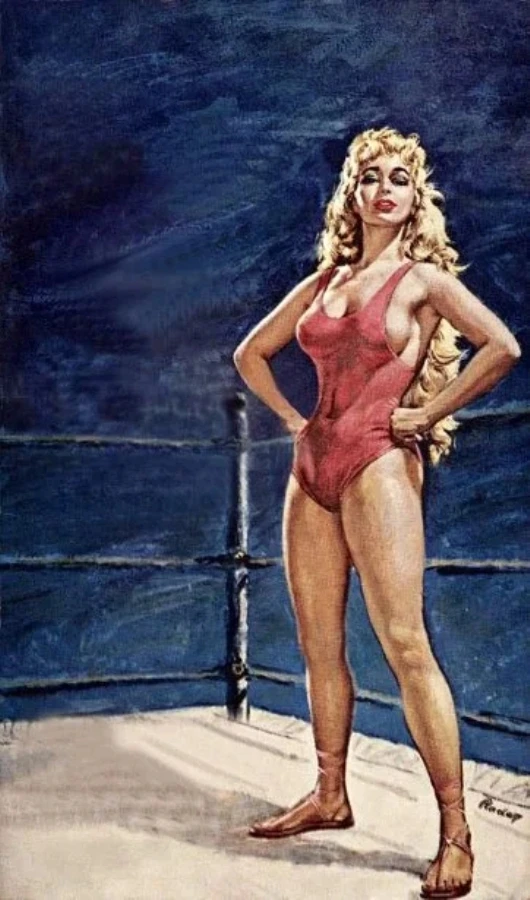
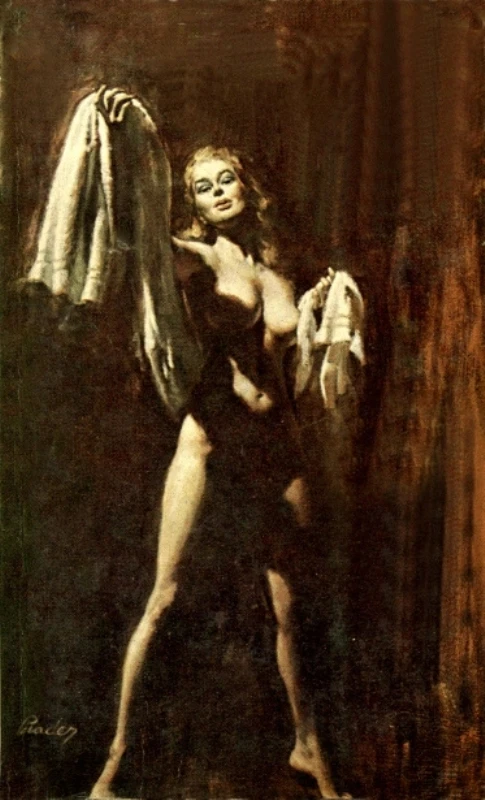
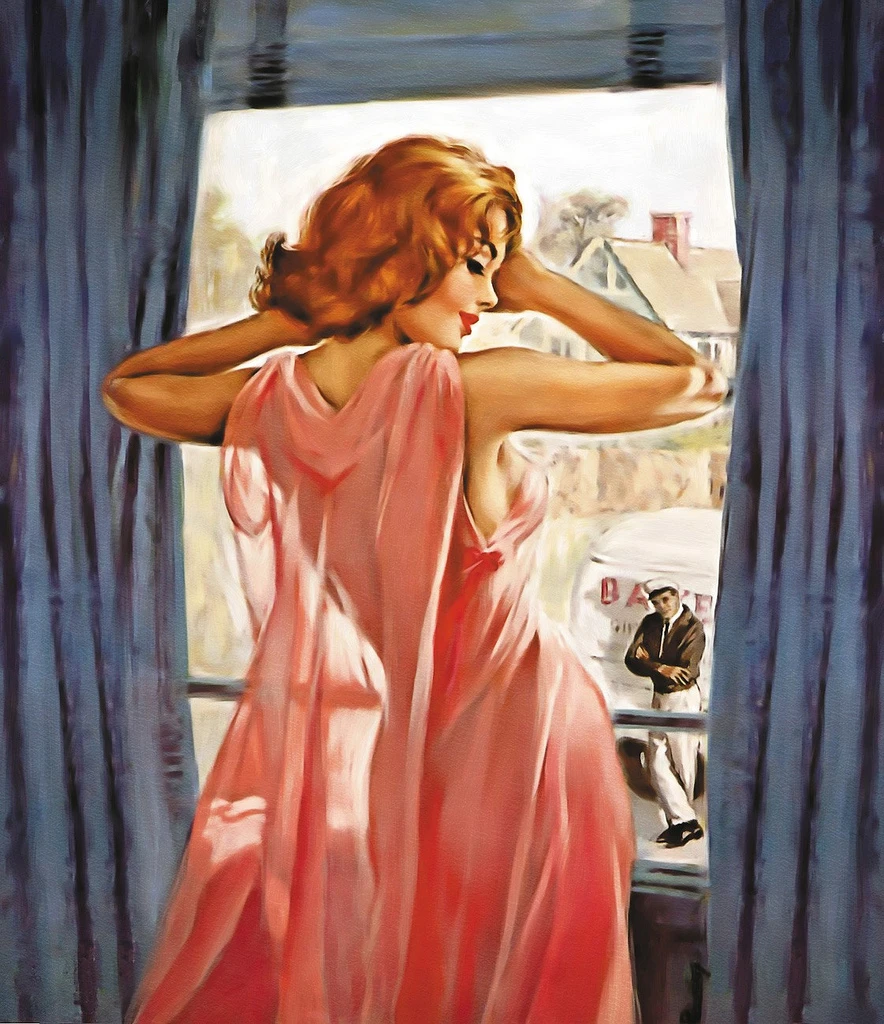
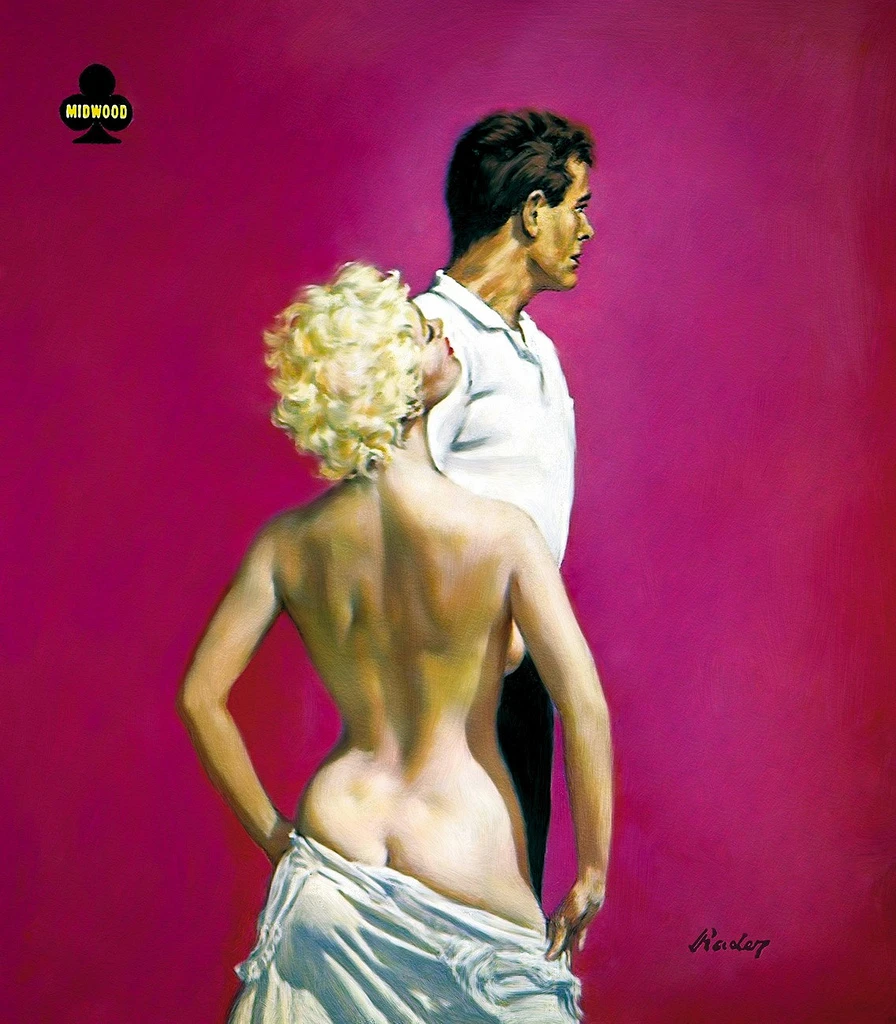
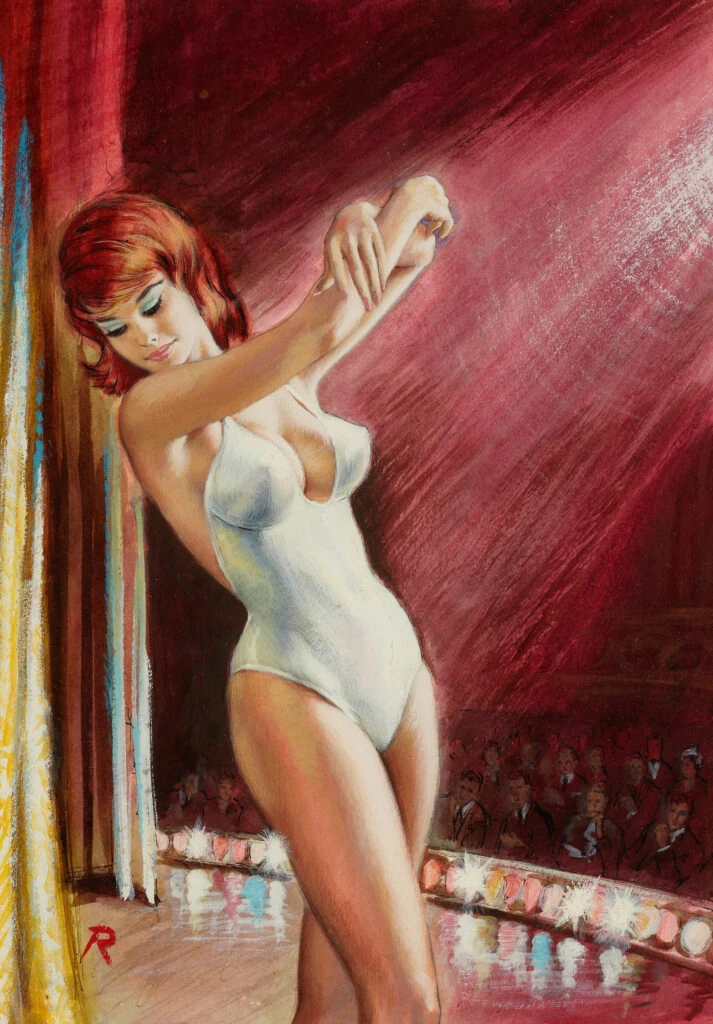
A little later, book publishers took notice of the talented illustrator. Rader created covers for companies including Gold Medal, Ace, Pyramid, Berkley, and Midwood. The artist had a particularly fruitful collaboration with the Midwood book house. The company's executives wanted their books to be eye-catching, so Rader was commissioned to create overtly erotic illustrations. 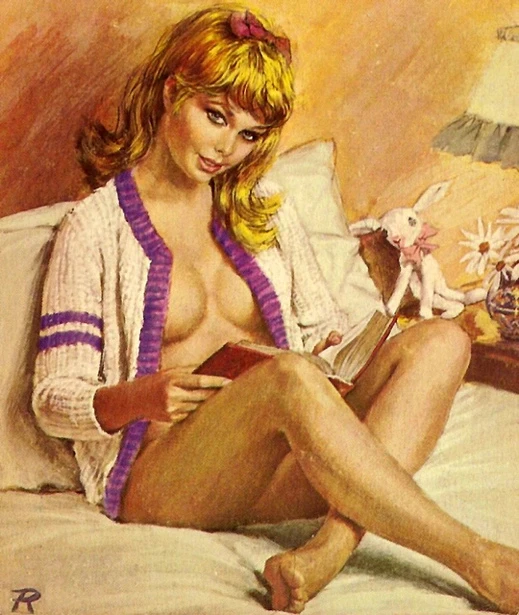
The artist quickly mastered the new genre and became one of the leading authors of sexual illustrations in the United States. Rader often drew from life, and his favorite model was his wife, Edith. He considered Alberto Vargas, who made pin-up art a global trend, to be his mentor. 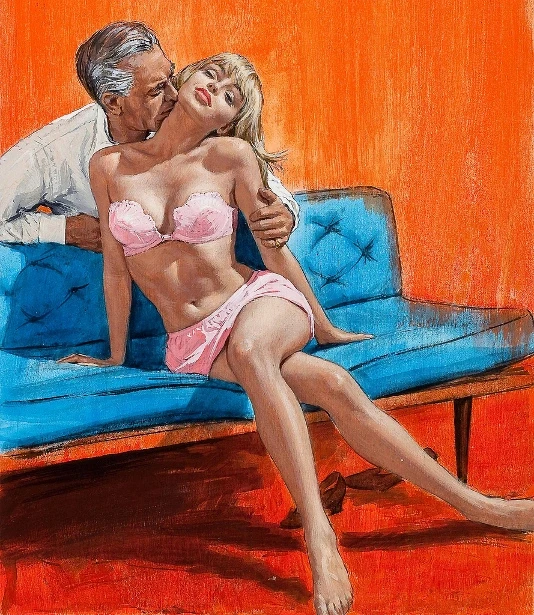
In 1967, Paul Rader became seriously ill. He was diagnosed with a dangerous stomach tumor. A timely operation saved his life, but health problems plagued the artist for the rest of his life. Despite this, he continued to work prolifically and created hundreds of covers and illustrations. Rader spent the last two years of his life in Ocala, Florida, where he died at the age of 79. 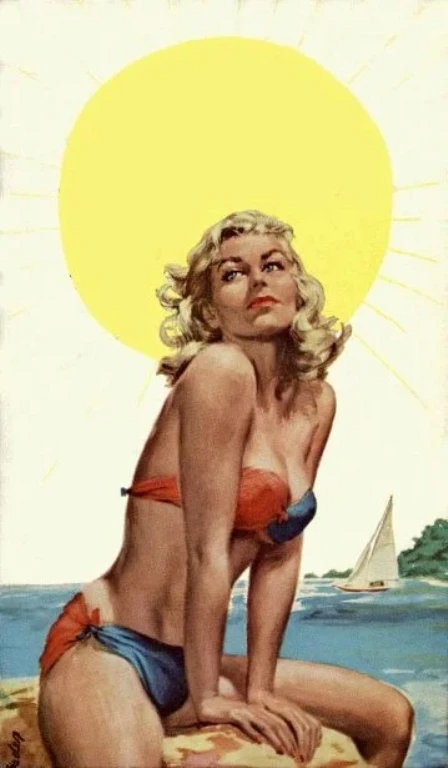


Download
Archive size 7.07 Mb, downloaded 11 times