The Aesthetics of "The Great Gatsby" In photographs by Baron Georg Hoyningen-Hüne (23 photos)
The name George Hoyningen-Huene is familiar to anyone interested in the history of 20th-century fashion, art, and photography. His work combined European elegance, artistic sophistication, and innovative vision. Hoyningen-Huene pioneered fashion photography and was one of the first to consider glossy magazines as an art form. His images are a visual distillation of the Jazz Age, the Roaring Twenties, and the Hollywood Golden Age. 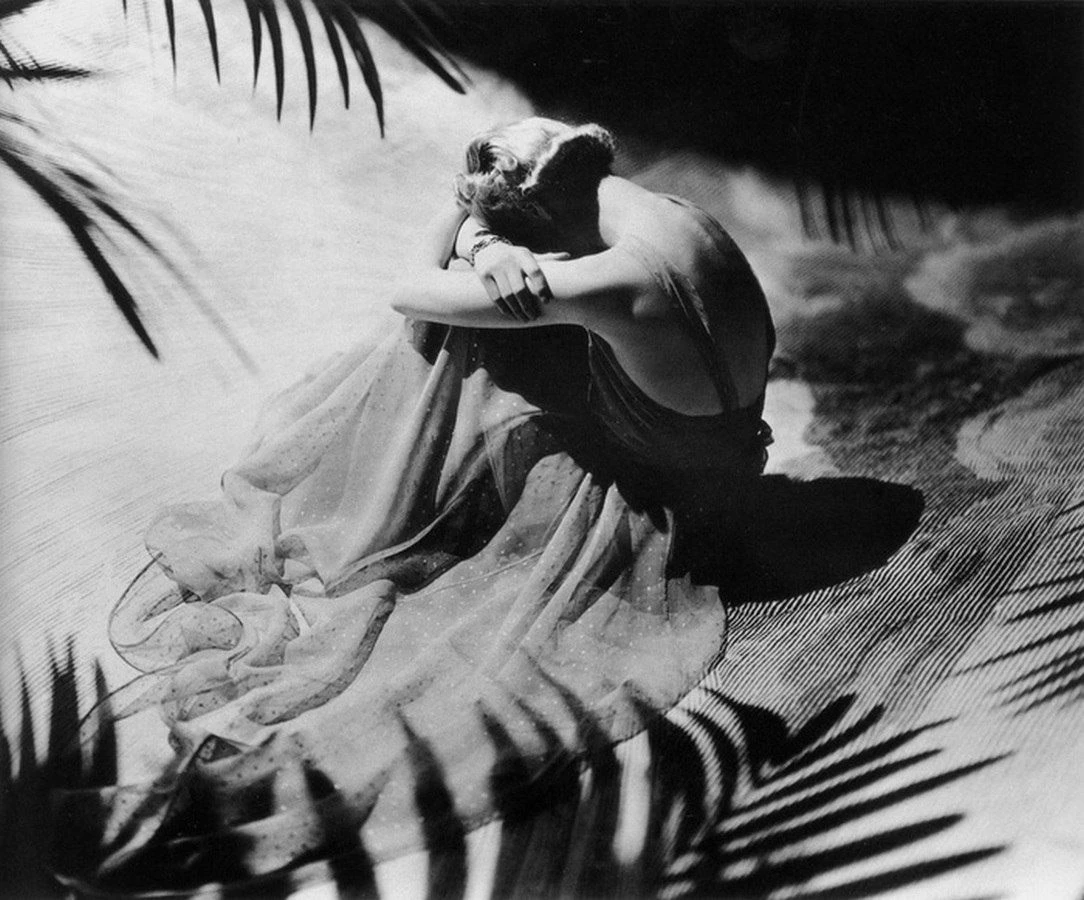
The chic and elegance of the jazzy 1920s, celebrated in the novels of F. Scott Fitzgerald, are visualized in the photographs of Georgij Hoyningen-Gune. This talented photographer not only captured the era, but also preserved for history the images of its key figures: Ingrid Bergman, Greta Garbo, Ava Gardner, Katharine Hepburn, Marlene Dietrich, Charlie Chaplin, Coco Chanel, Salvador Dalí, Pablo Picasso, and Igor Stravinsky. 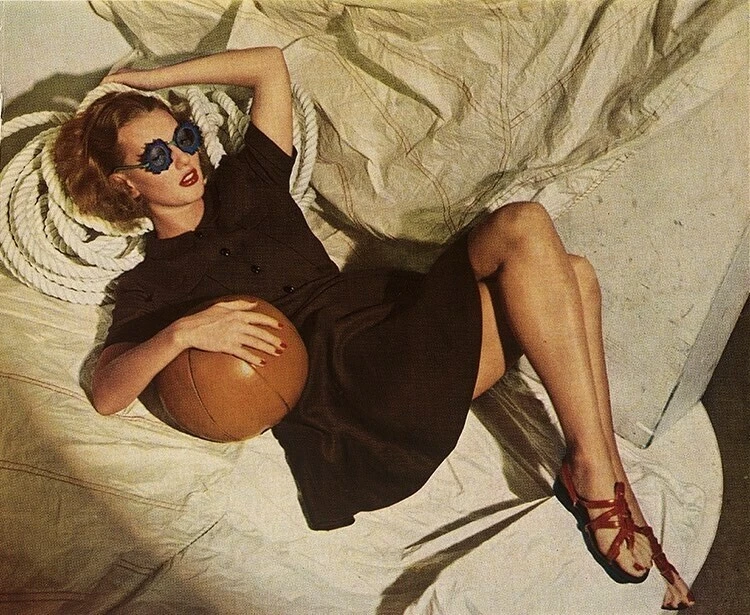
For Harper's Bazaar, 1939
Although the master of black-and-white photography created his works a century ago, his work continues to inspire photographers and designers. Perfect geometry, skillful lighting, laconicism, and natural simplicity are key features of his style.
From the Palaces of St. Petersburg to Parisian Exile
Georgy Hoyningen-Hüne was born on September 4, 1900, in St. Petersburg to a Baltic baron of German descent. His father, Baron Barthold Georg von Hoyningen-Hüne, served at the imperial court of Alexander III and Nicholas II. His mother was Emily Louise Drew, the daughter of the American ambassador to St. Petersburg. 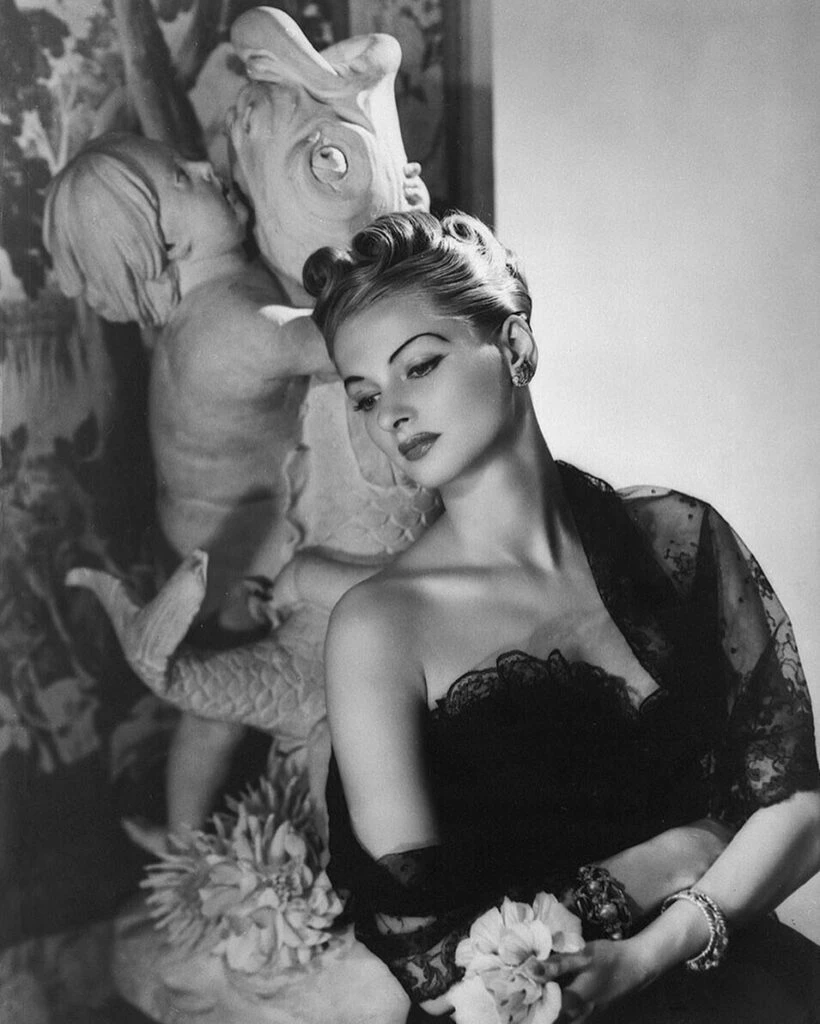

Balenciaga, 1938
The boy's childhood was spent in aristocratic mansions among courtiers and ambassadors. The family spent the summer at their own estate in Estonia or on the French Riviera. Young Georgy often traveled with his parents to France, Italy, Spain, and Germany, absorbing European culture and aesthetics.
It was a world of luxury, balls, exquisite suits, and impeccable manners. A world destined to disappear in the fires of revolution.
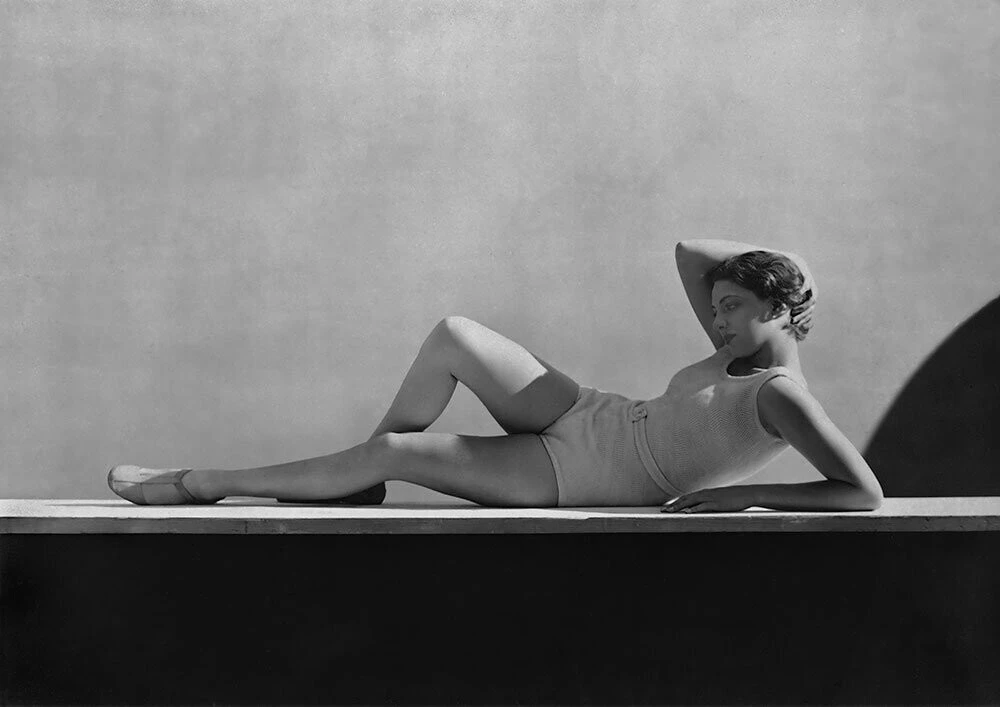
Agneta Fischer
After the 1917 Revolution, the family fled their country. Like thousands of other emigrants, they chose Paris. There, 17-year-old Georgy encountered real life for the first time. The family, having lost their fortune, was in dire need of money.
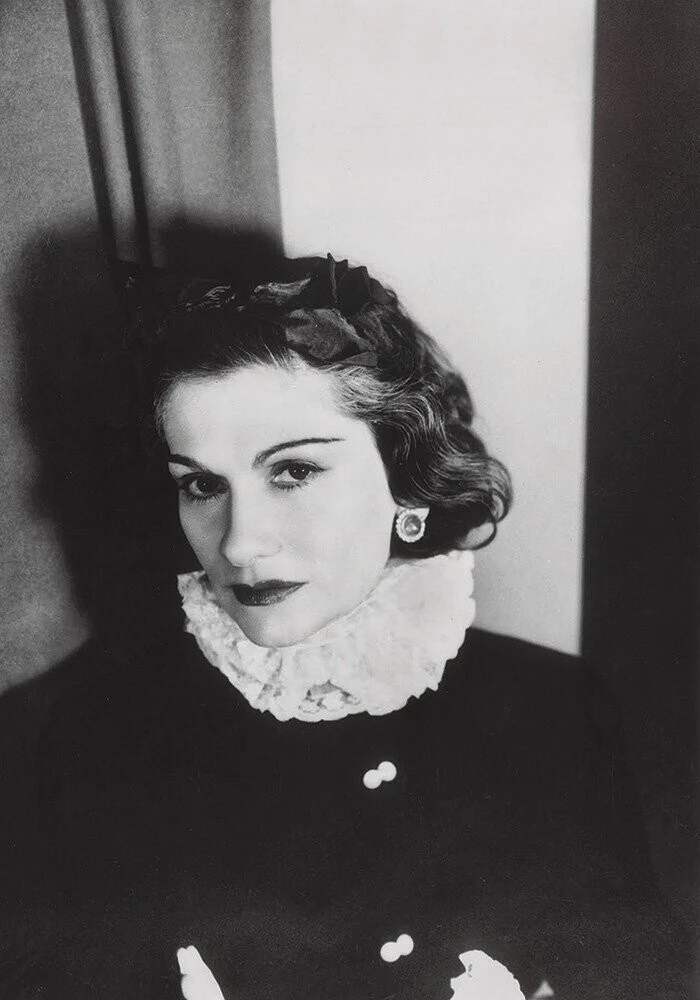
Coco Chanel
The former aristocrat worked as a logging inspector, translator, and extra on film sets. He also drew dress sketches for his sisters, who worked as milliners. Working part-time as a translator at official receptions, he memorized the styles of dresses worn by diplomats and movie stars—this visual experience would later prove useful in photography.
Discovering Talent: From Cubism to Photography
Surprisingly, Hoyningen-Hüne showed no interest in creativity in his own country. The Revolution forced him to look within and discover talents no one had suspected.
His love of drawing led him to the studio of the Cubist artist André Lhote, where he took painting lessons. There, Hoyningen-Hüne met the then-young Henri Cartier-Bresson, who would later become a legend of documentary photography.
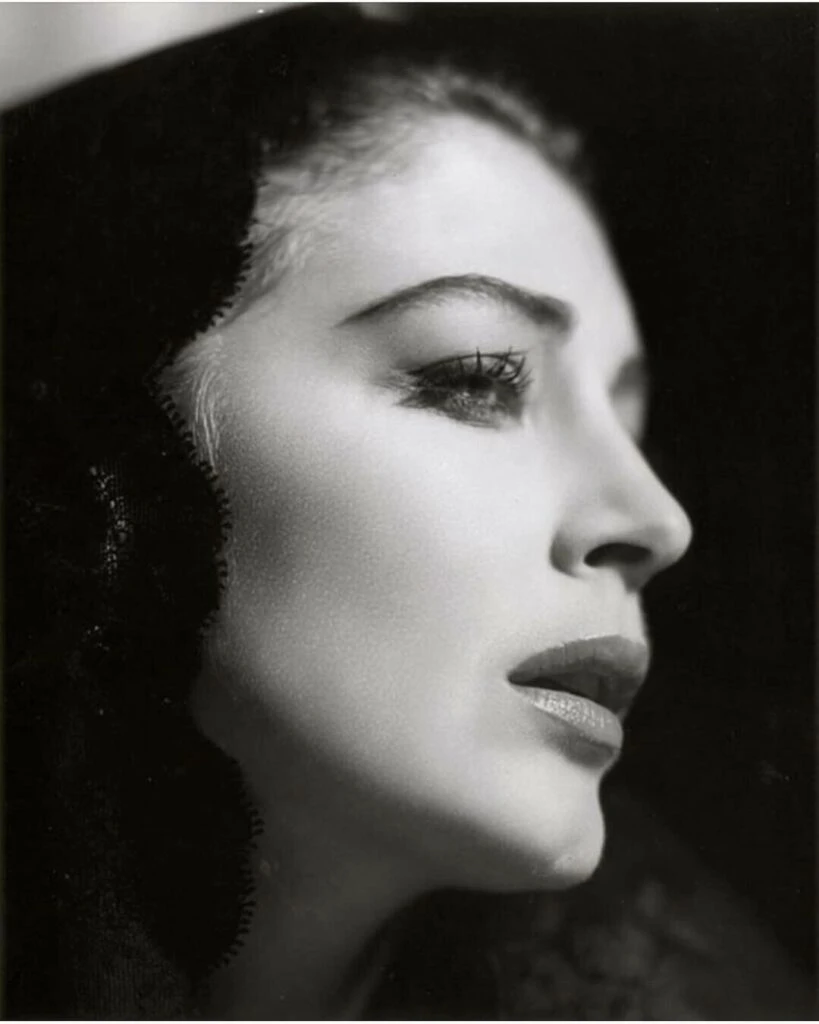
Ava Gardner
Georgiy debuted in the fashion world not as a photographer, but as an illustrator. His drawings appeared in Harper's Bazaar, then Vogue. He entered photography in 1925, at the age of 25, working as an assistant for Man Ray, one of the pioneers of avant-garde photography.
Hoyningen-Hüne was well-liked by the creative elite thanks to his background and connections. This gave him access to people whom other photographers had to spend months persuading to shoot.
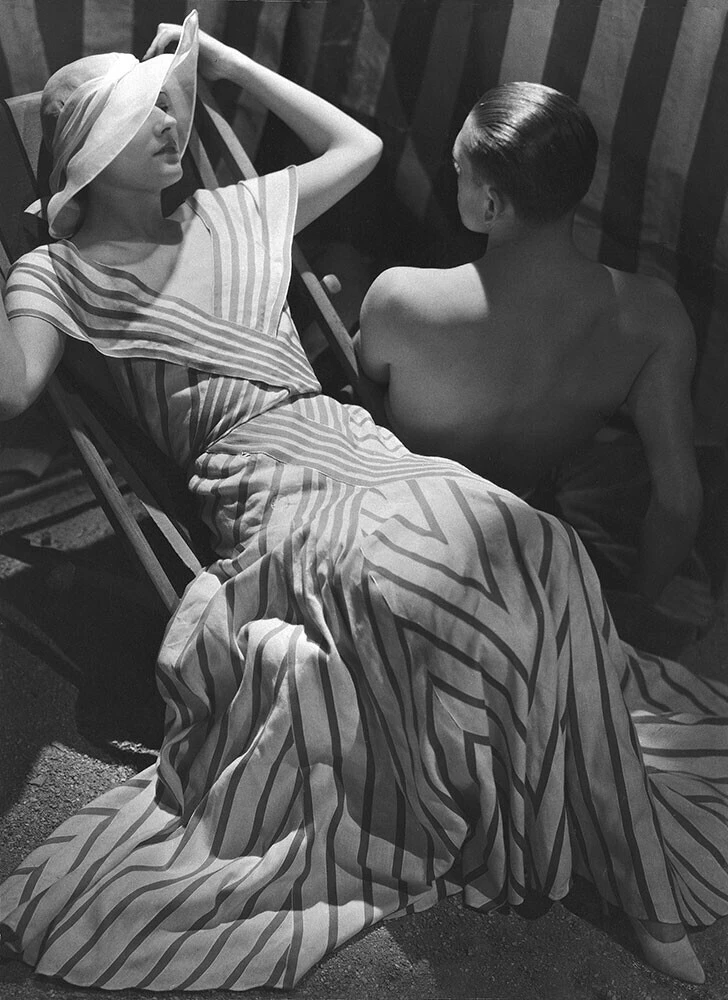
Chanel Beachwear, 1933
In 1926, he was invited to be the chief photographer for French Vogue—a position he held for nine years, until 1935. This was the golden period of his career. He shot for the world's most influential fashion magazine, working with the greatest couturiers of the era—Coco Chanel, Madeleine Vionnet, and Elsa Schiaparelli.
A Revolution in Fashion Photography
Hoyningen-Hüne's work was strikingly different from the photographs of his contemporaries. A lover of simple, clean lines, he was frustrated by the graininess of the photographs of the time. He experimented extensively with film and developers until he created his own technique.
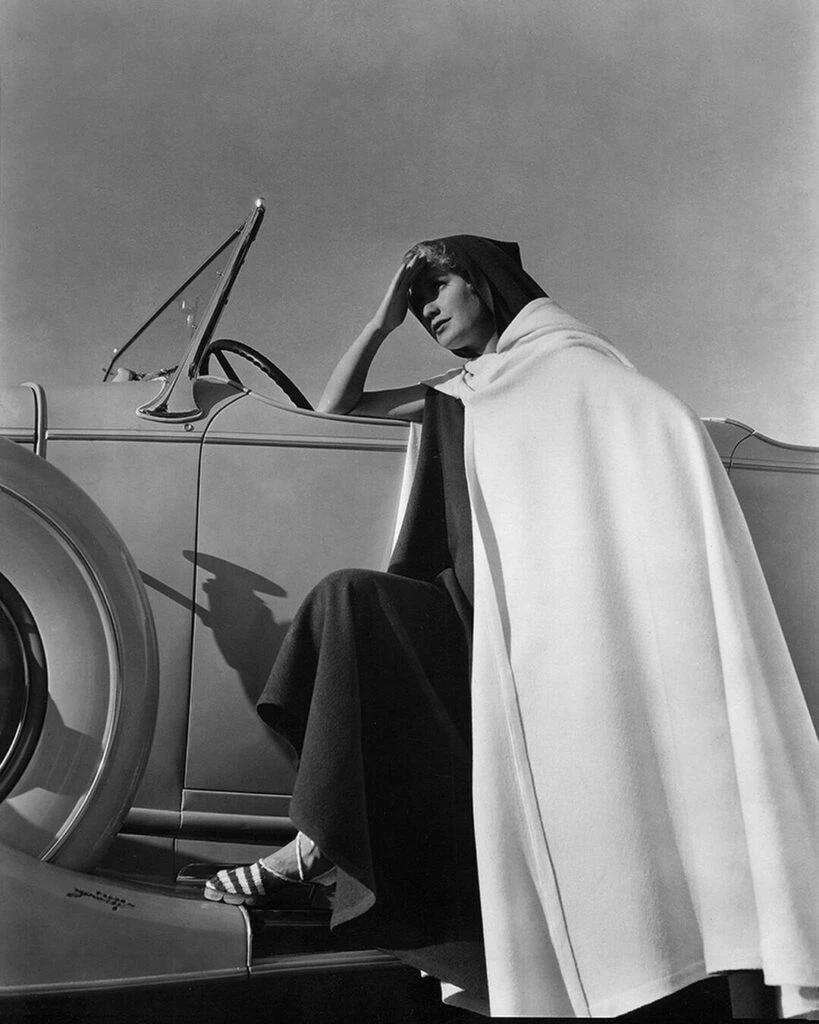
Miriam Hopkins in a Travis Banton costume, 1934
Thanks to her, his century-old photographs look as if they were taken yesterday—smooth, crisp, and graphic. He used hard, directional light, creating dramatic shadows. He constructed his compositions according to the principles of classical painting and ancient sculpture. His models resembled Greek goddesses—perfect proportions, noble poses, and impeccable elegance.
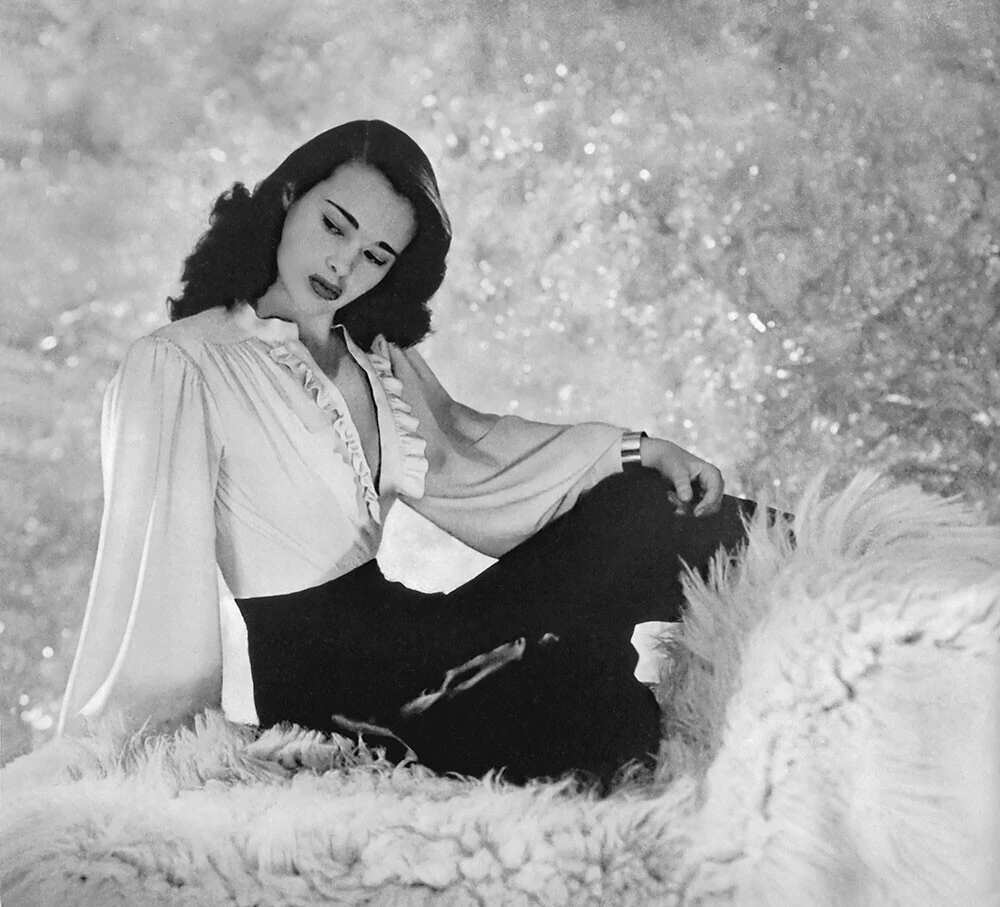
Gloria Vanderbilt
Hoyningen-Hüne was friends with Horst P. Horst, who became his protégé and later one of the greatest fashion photographers of the 20th century. Their relationship was not only creative but also romantic—both were openly gay in an era when it was socially dangerous.
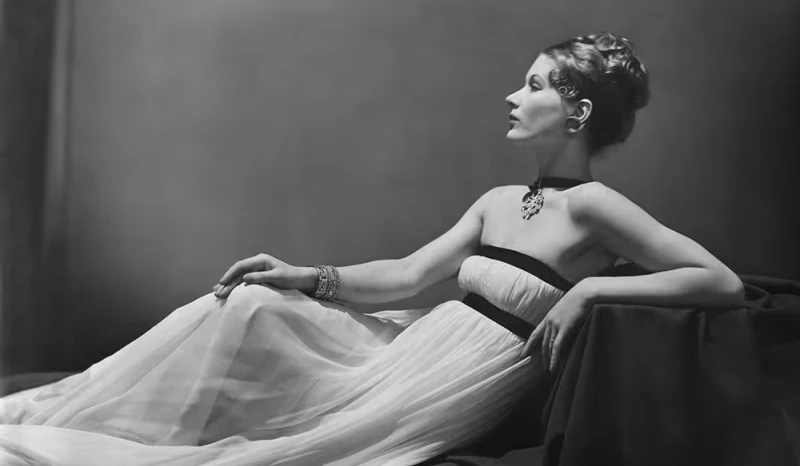
Lisa Penn in a Vionnet dress
In 1935, Hoyningen-Hüne moved to the United States, where he began working for the American Harper's Bazaar. At the same time, he was invited to Hollywood as a costume consultant, where he collaborated with director George Cukor on films starring Katharine Hepburn and Greta Garbo.
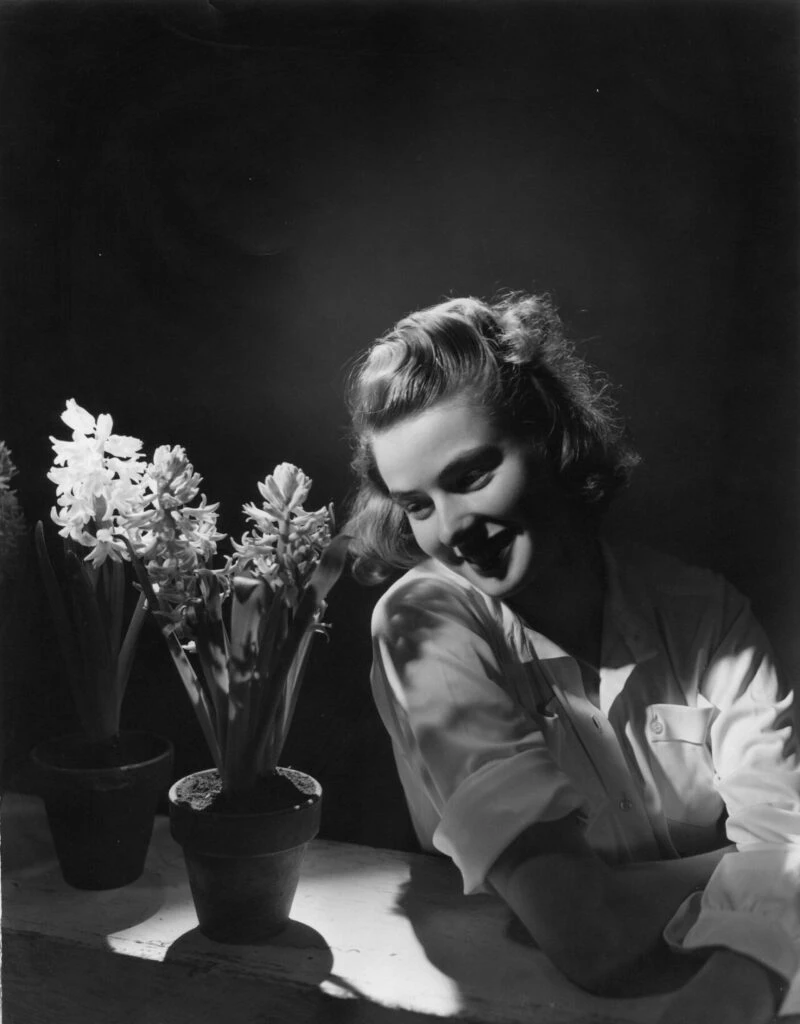
Ingrid Bergman, 1940
Last Years and Legacy
In the 1940s and 1950s, Hoyningen-Hüne gradually moved away from commercial photography. He became interested in color photography, shooting travel essays on Greece, Egypt, and Mexico. He wrote several books on photography and the history of costume.
On September 12, 1968, George Hoyningen-Hüne died of a stroke in his Los Angeles home. He was 68 years old. He left behind a vast archive of thousands of negatives, the digitization of which took years.
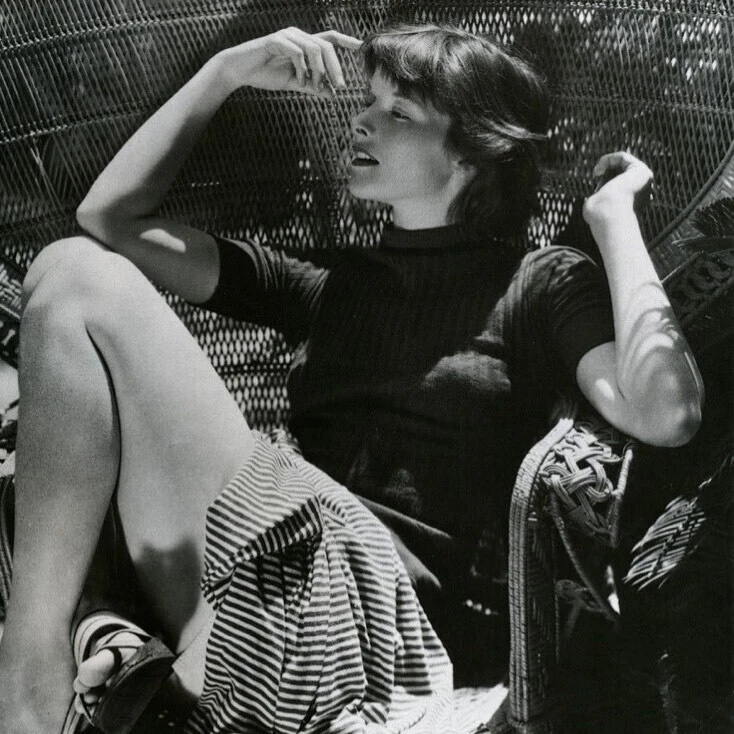
Katharine Hepburn
His works are in the collections of the world's largest museums—the Metropolitan Museum of Art, the Getty Museum, and the Victoria and Albert Museum. The best images are featured on a website created at the initiative of Tommy Renngren, Chairman of the Centre for Contemporary Photography in London.
Hoyningen-Hüne's influence on modern fashion photography cannot be overstated. He was the first to demonstrate that fashion photography could be an art form, not just a clothing catalog. His aesthetic—clean lines, classic composition, dramatic light—remains a benchmark of elegance.
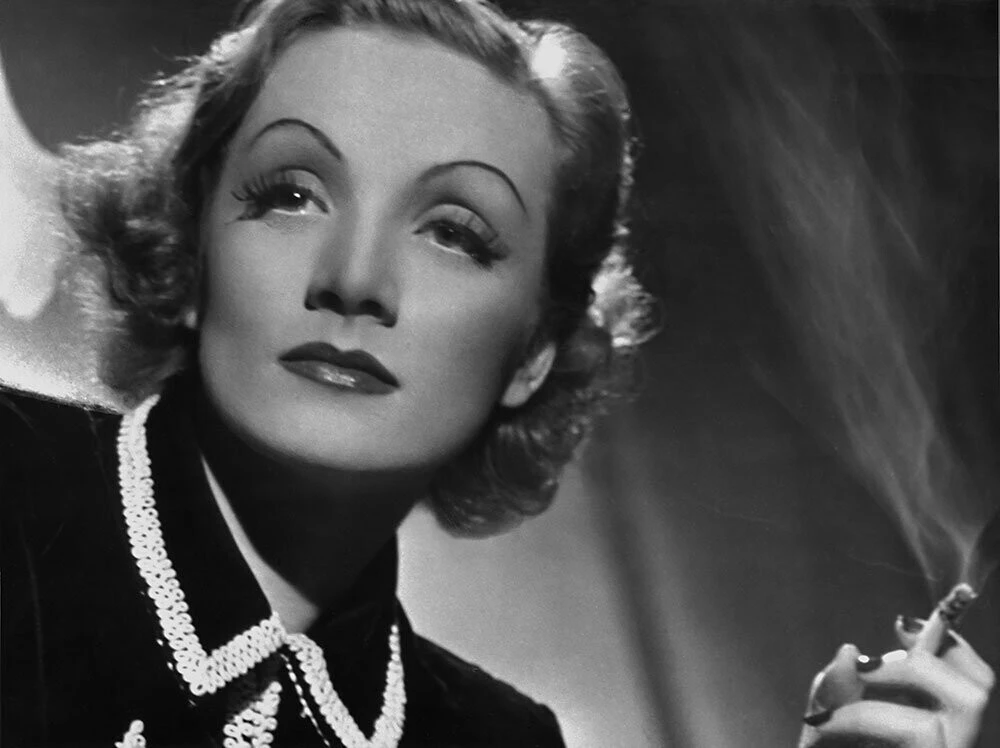
Marlene Dietrich
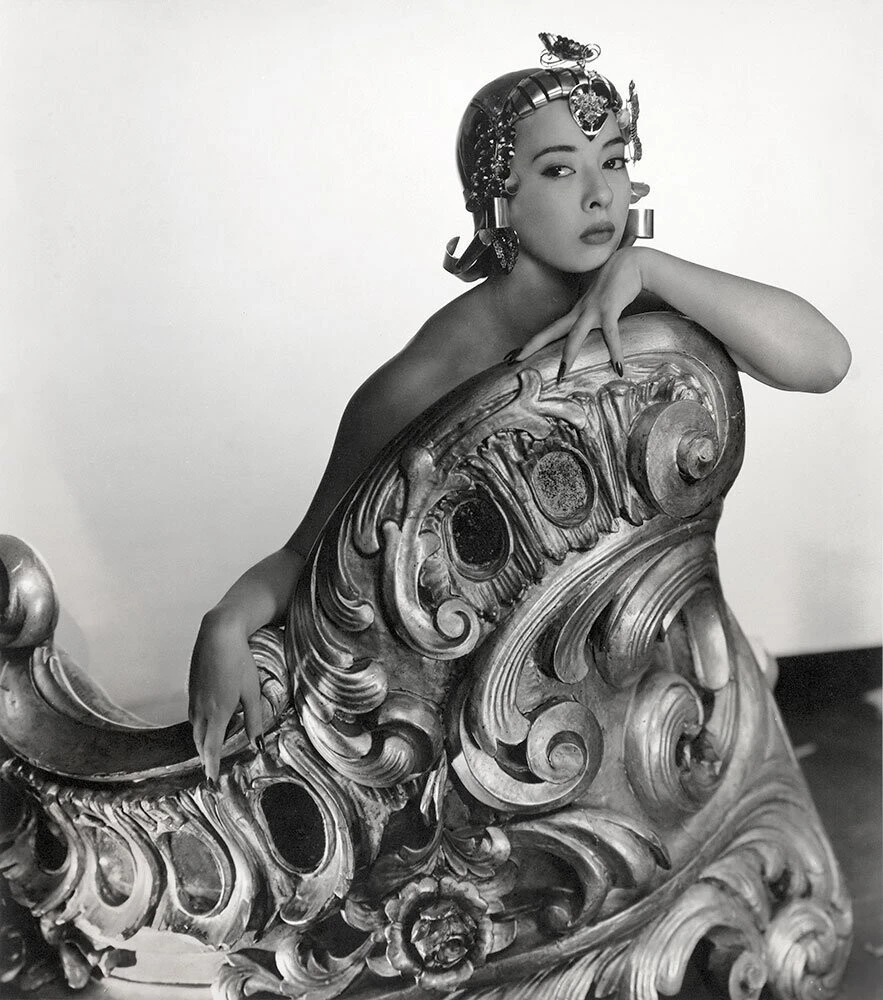
Dancer Sono Osato
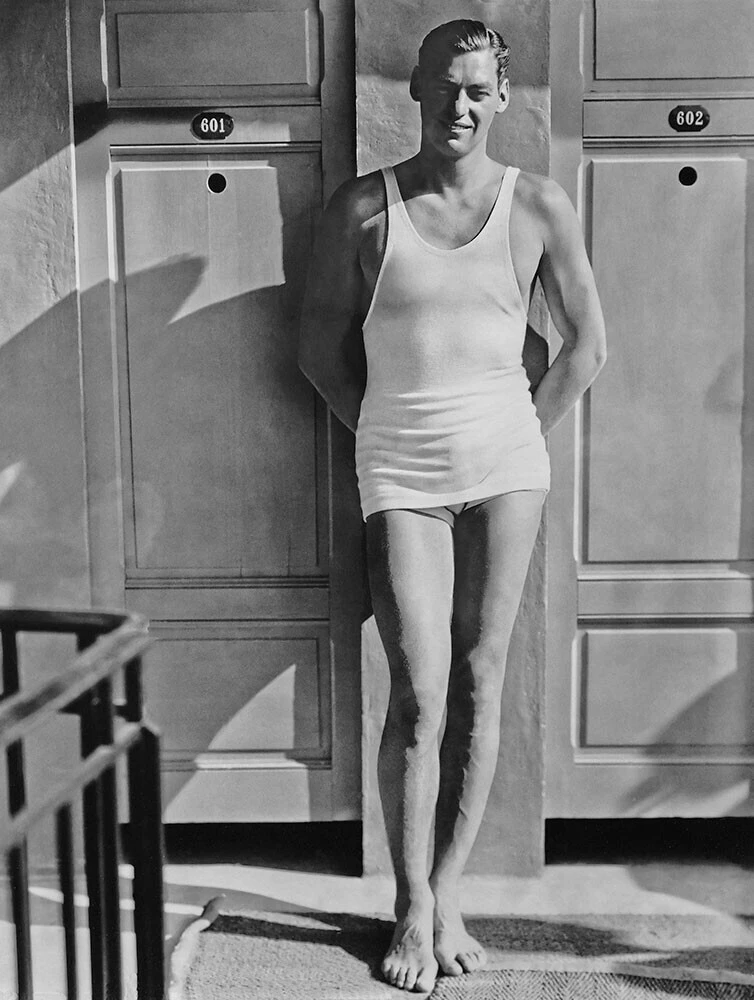
Johnny Weissmuller
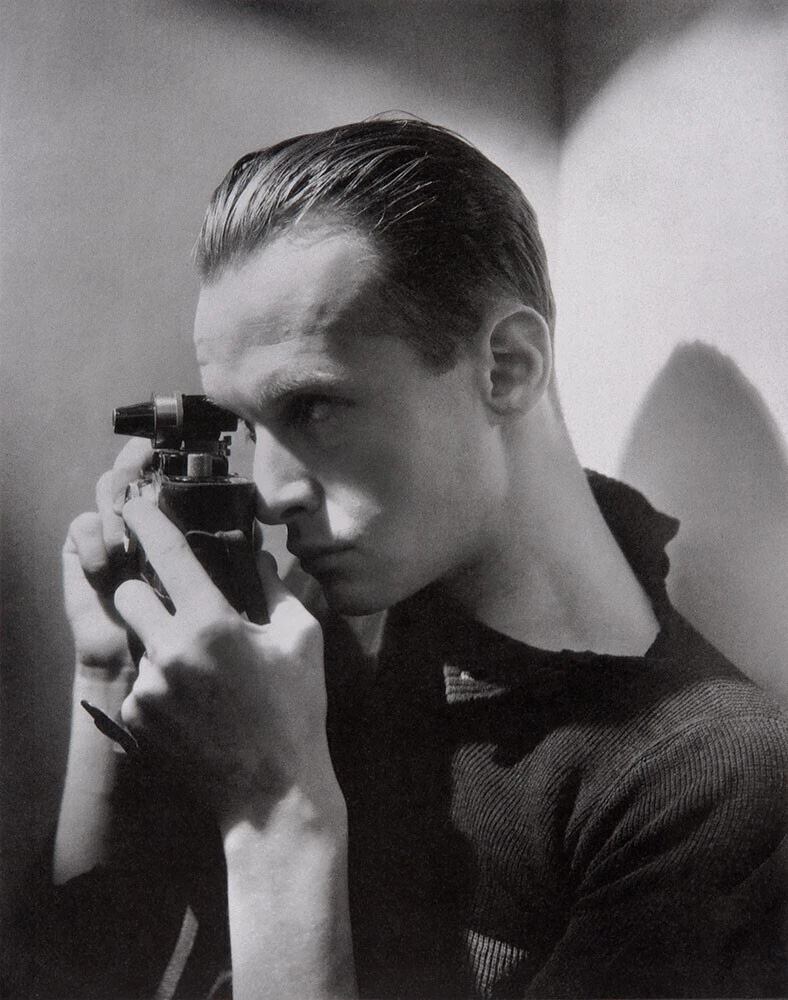
Henri Cartier-Bresson
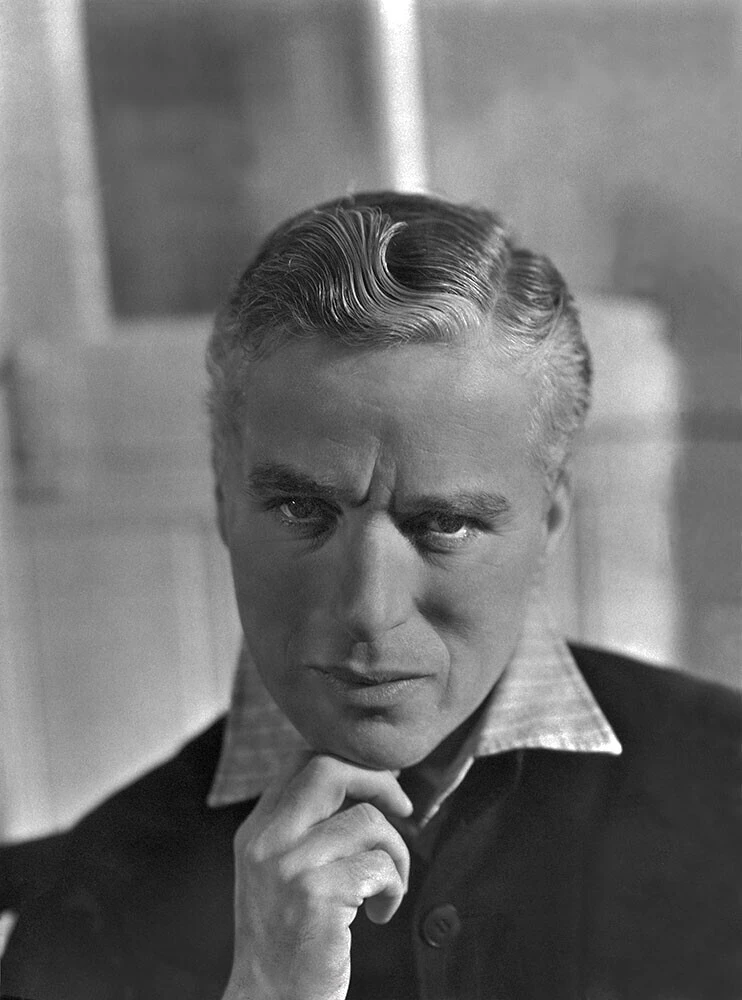
Charlie Chaplin
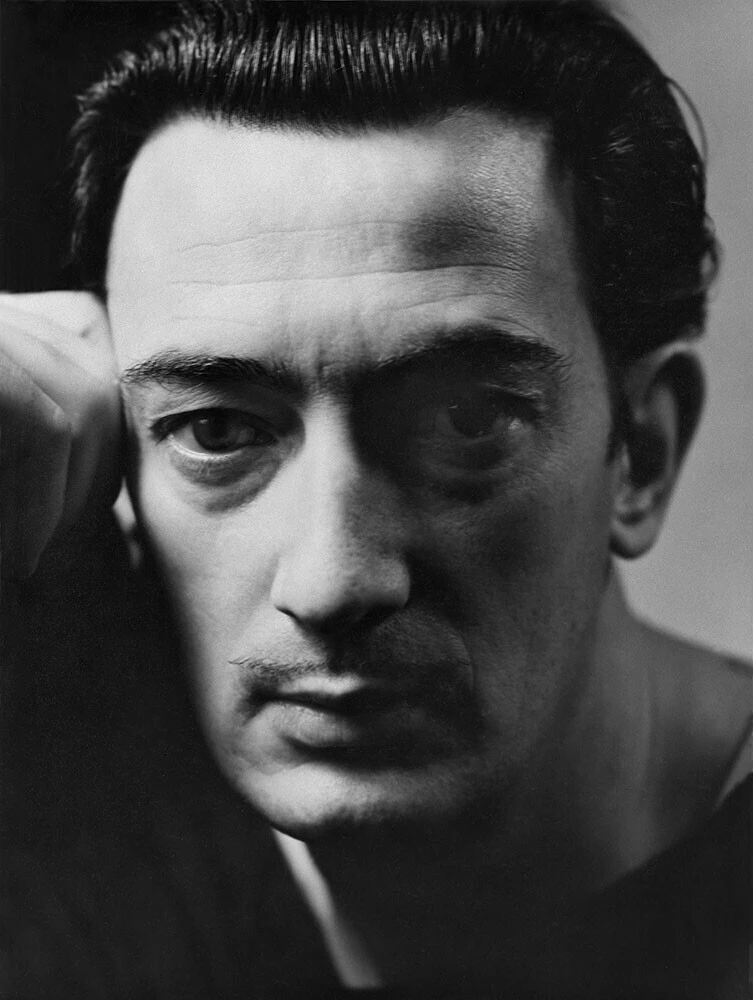
Salvador Dalí
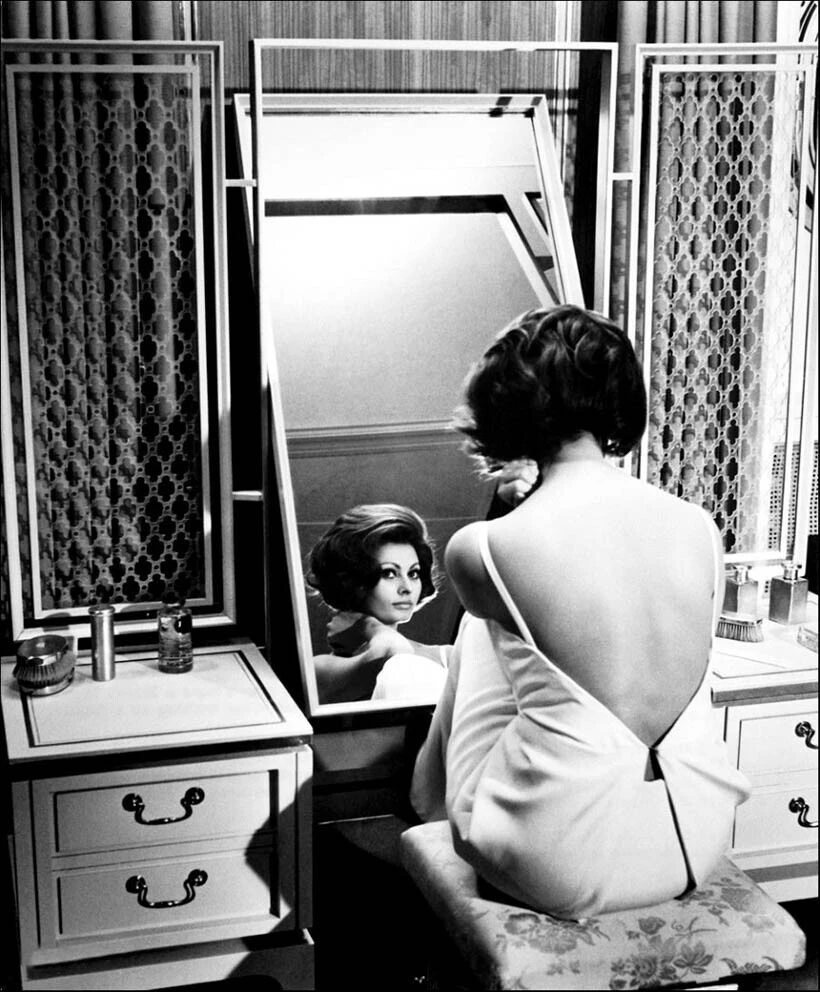
Sophia Loren
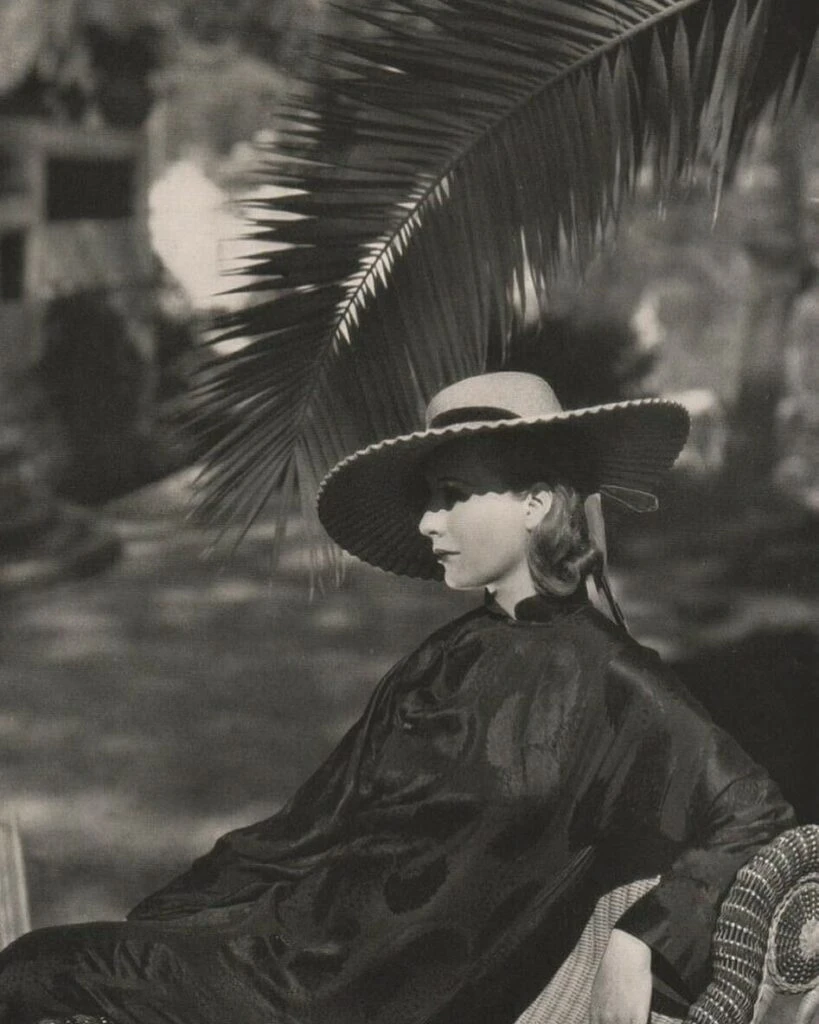
Lady Abdy in Monte Carlo, 1932 Year
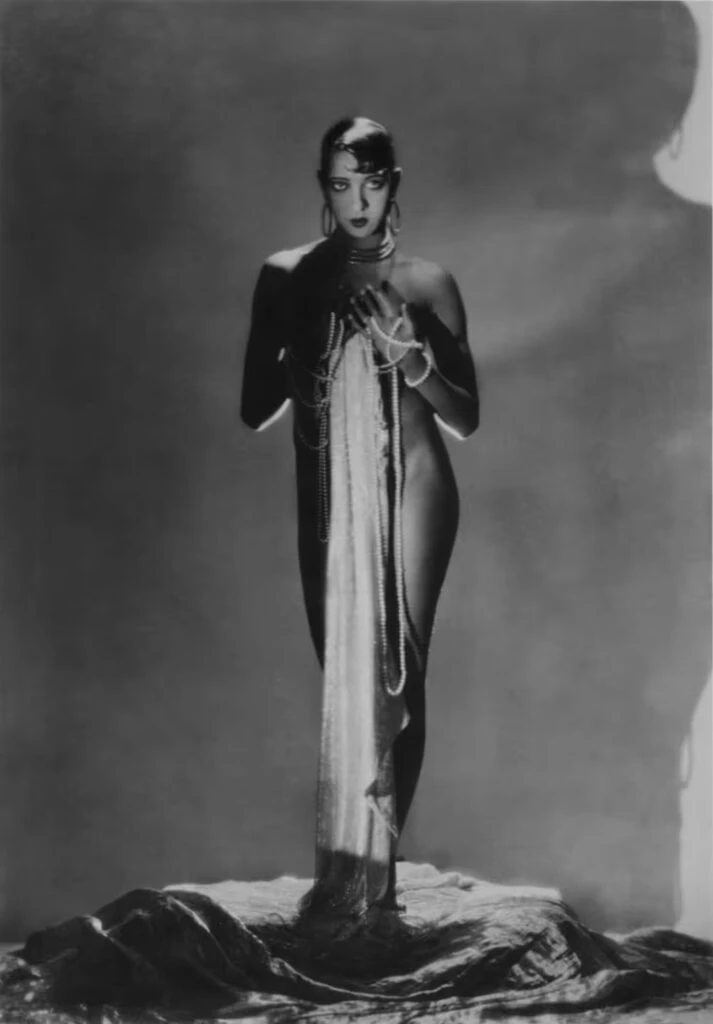
Josephine Baker, 1929
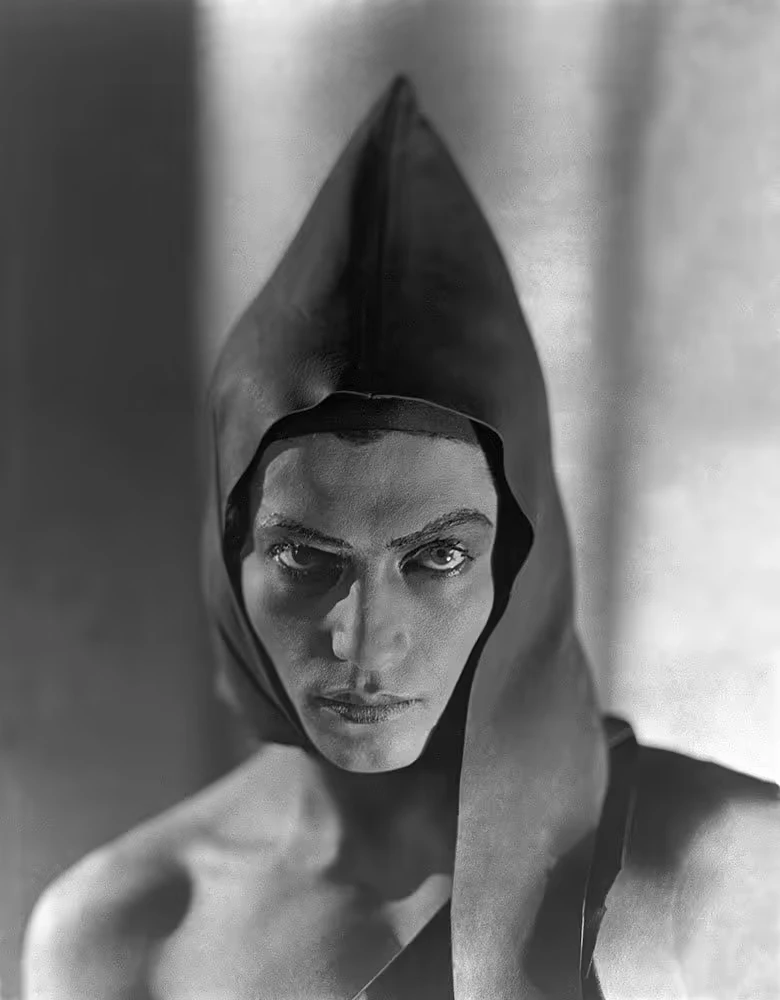
Dancer Serge Lifar, 1930 year
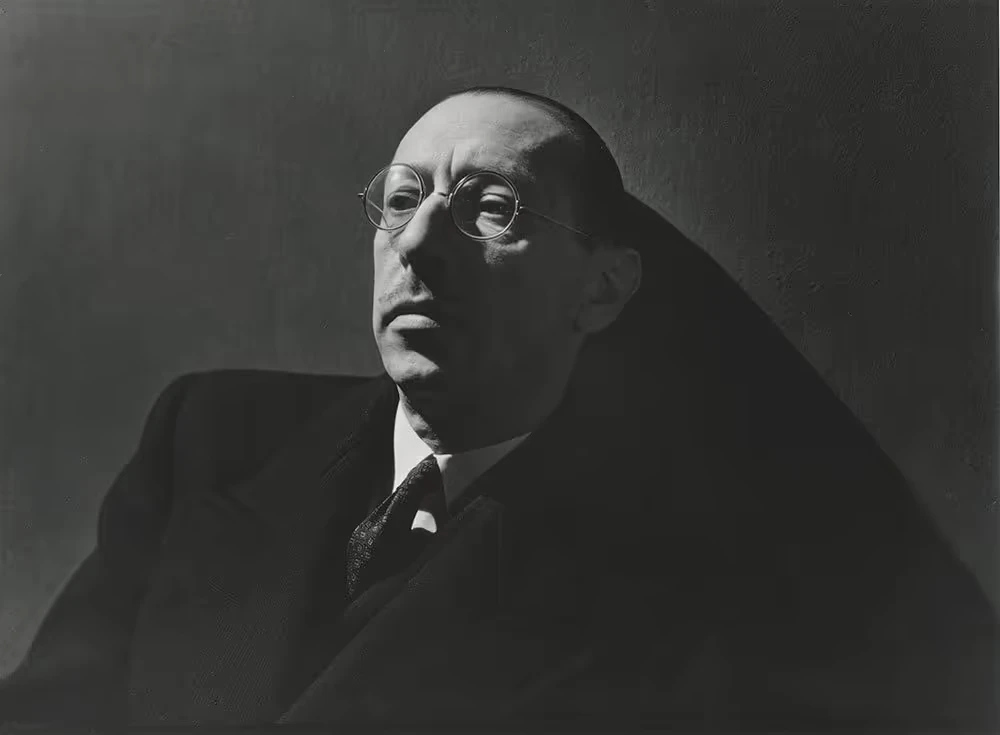
Composer Igor Stravinsky, 1934
George Hoyningen-Hüne's photographs don't just reflect the fashion and style of their time—they create a mood, like frozen frames from a black-and-white film about beauty and sophistication. His journey is a story of how revolution and exile can shatter the familiar but open doors to the new. An aristocrat who lost everything became one of the founders of modern fashion photography and a visual chronicler of an entire era.
Can photography be not only a reflection of an era, but also its inspiration? Hoyningen-Hüne's work proves the answer.

Download
Archive size 2.82 Mb, downloaded 0 times