Robin Schwartz's "Amelia's World" Photo Project: Art Through the Lens of Childhood and Nature (28 photos)
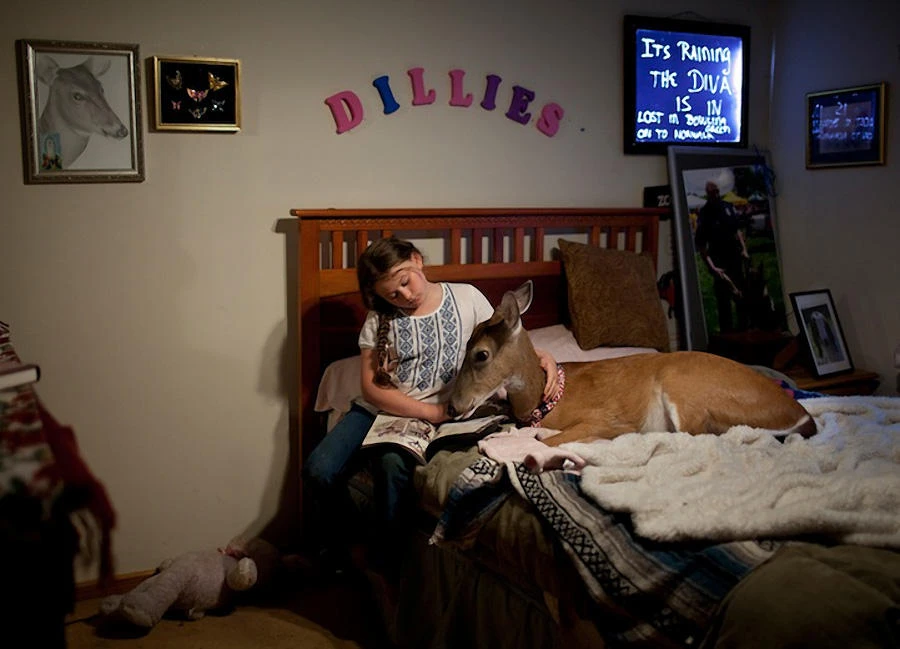
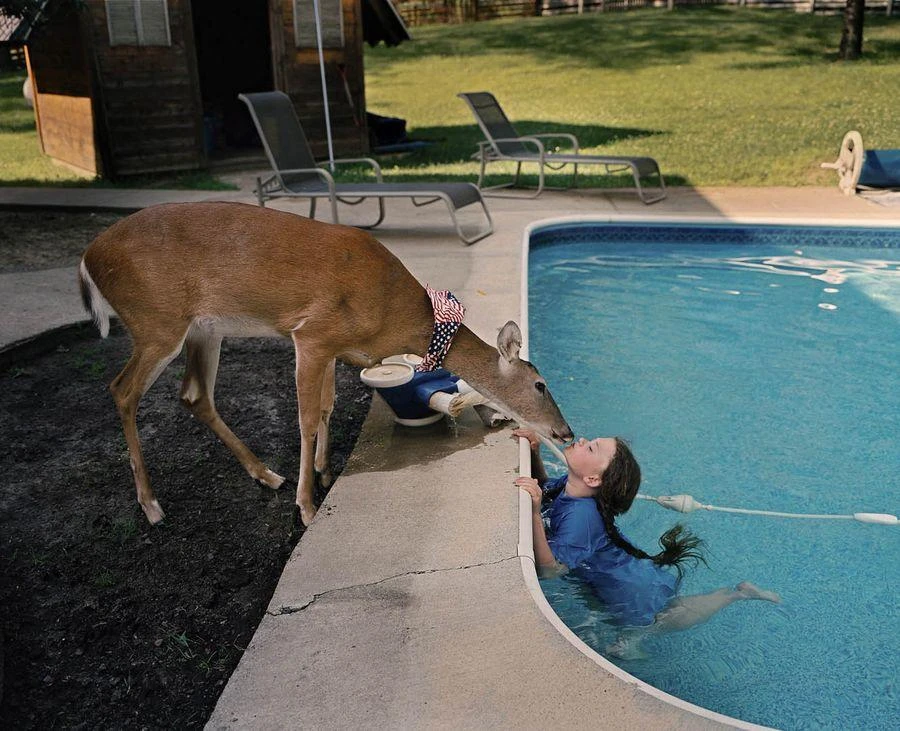
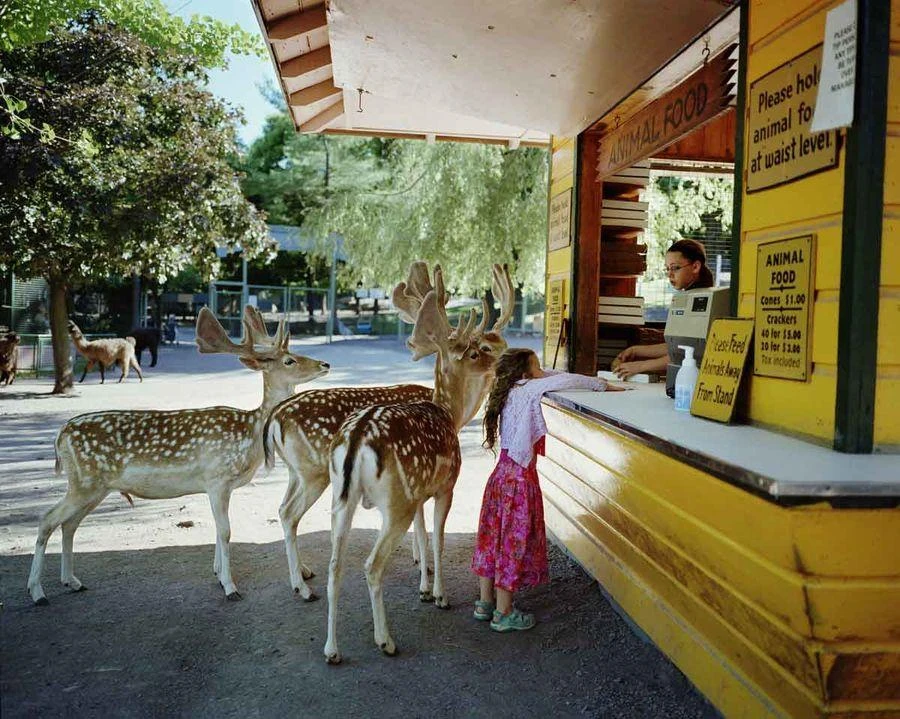
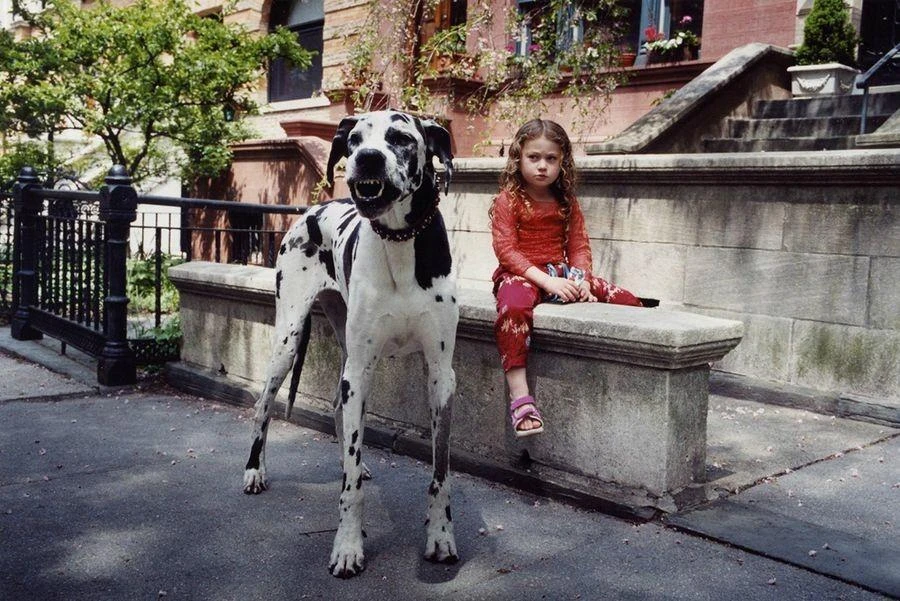
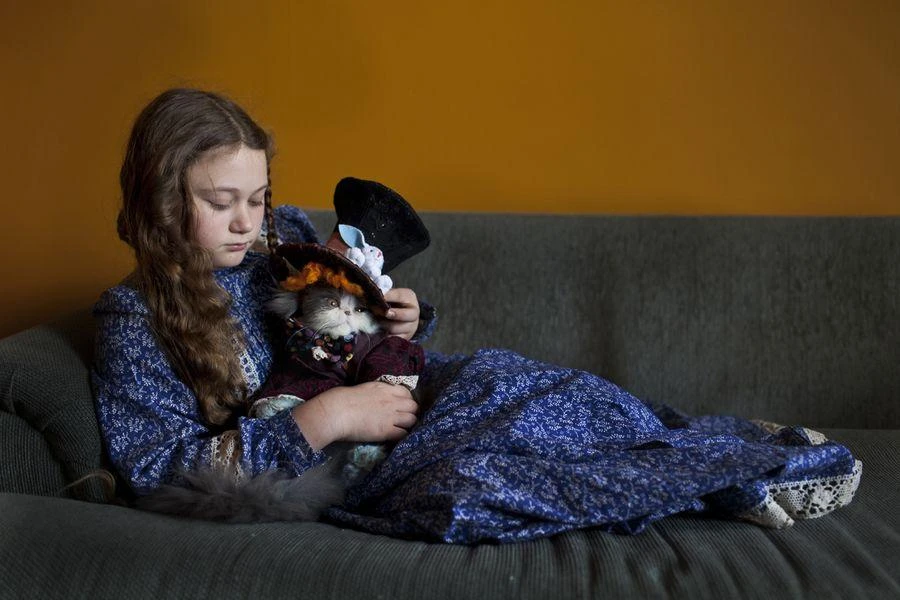
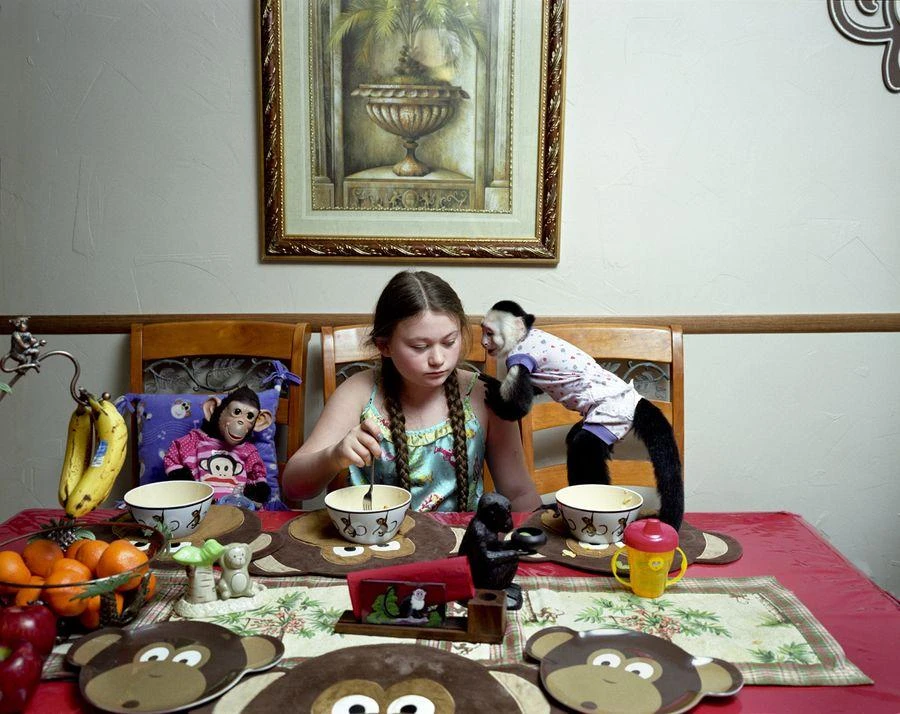
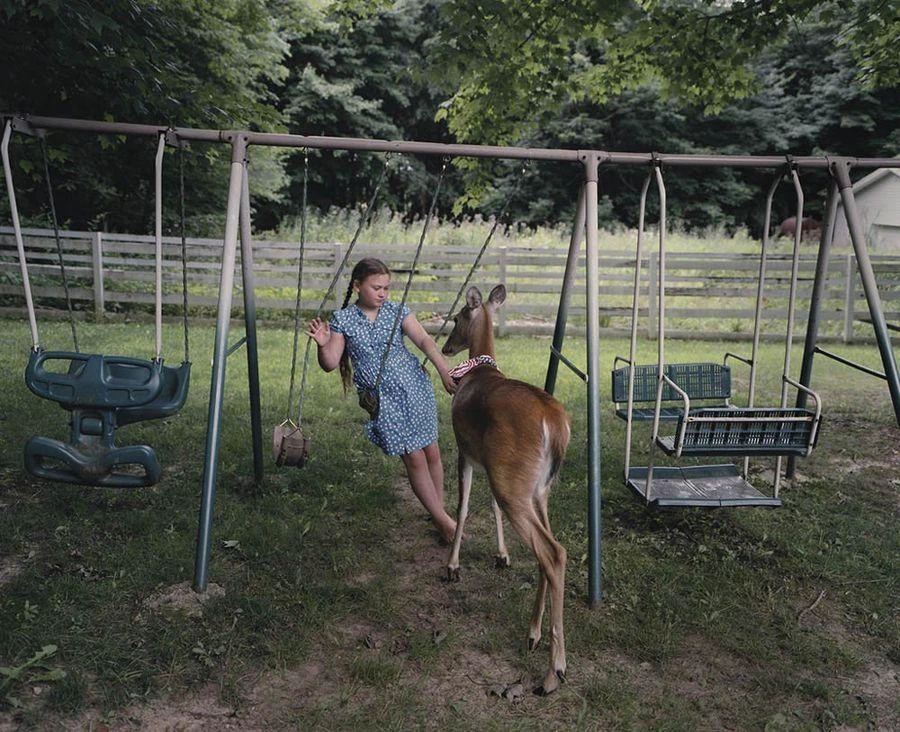
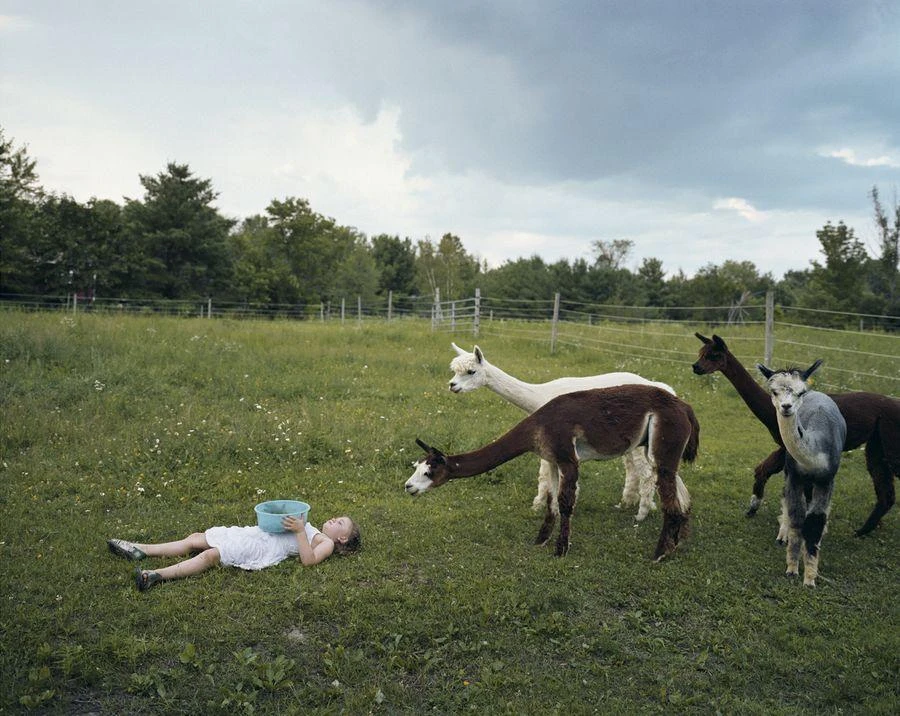
New Jersey photographer Robin Schwartz photographed her adorable daughter, Amelia, with a variety of animals from 2002 to 2015. The resulting albums are "Amelia's World" and "Amelia and the Animals." Each album features Amelia alongside wild animals, which she seems to view as her own siblings. 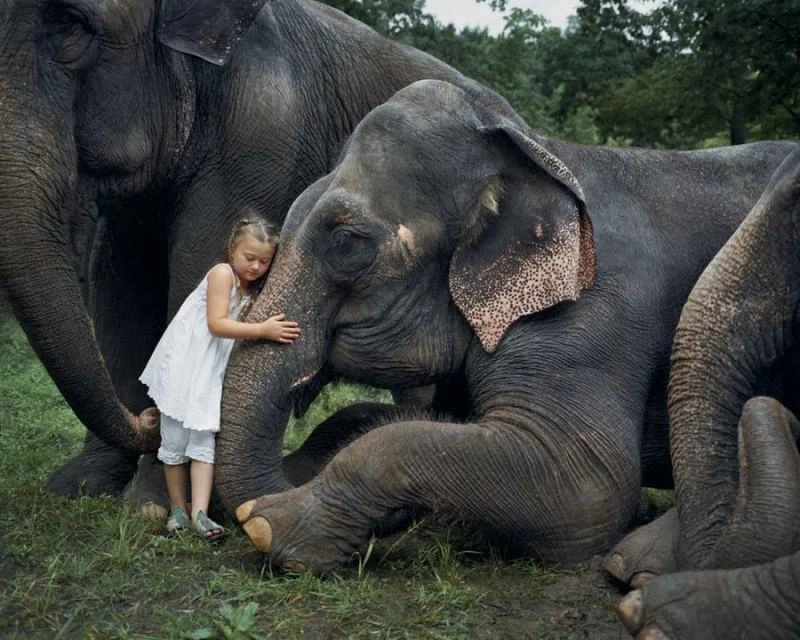
American photographer Robin Schwartz's project, "Amelia's World," has become one of the most striking examples of how art can convey a child's unique perception of the world. This photo series, created over several years, documents the childhood of the photographer's daughter, Amelia, and her remarkable connection with animals. Schwartz's work is not only aesthetically beautiful, but also a deeply personal story about love, nature, and childhood imagination. 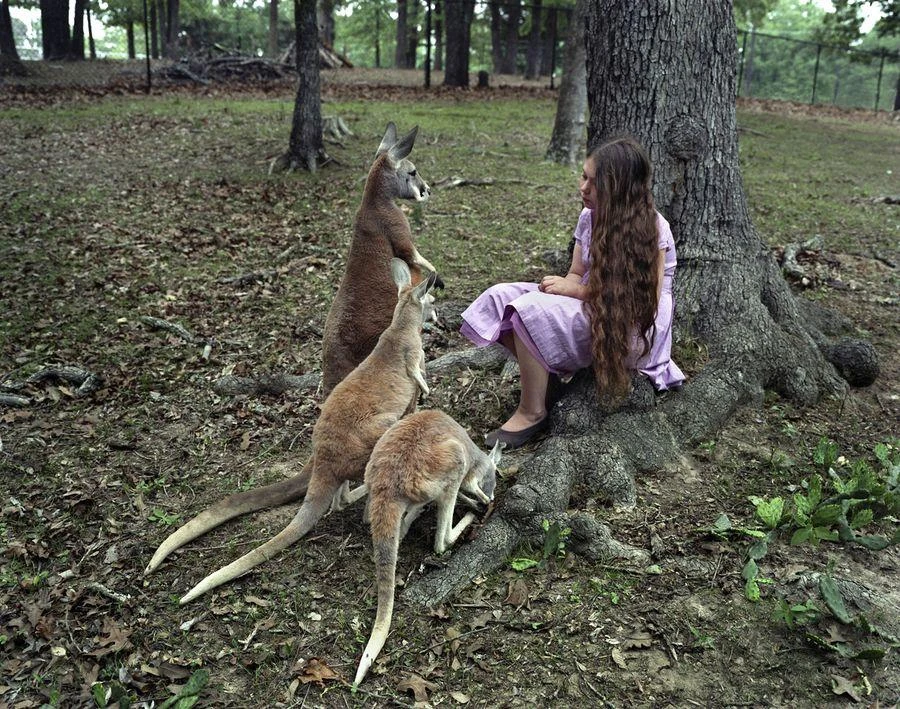

Project Idea
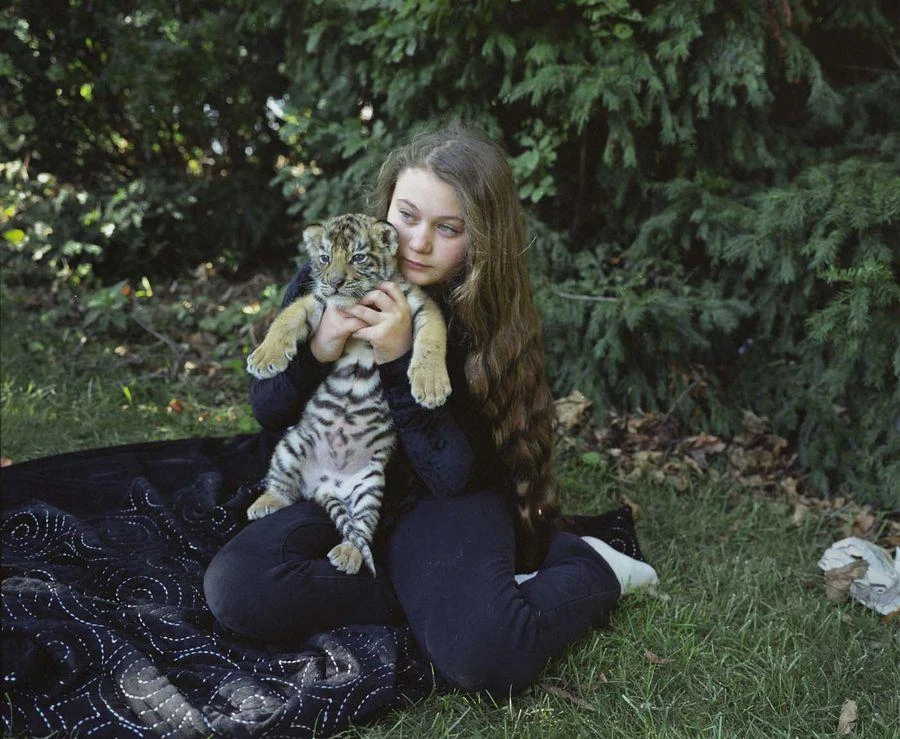
"Amelia's World" began as a personal project for Schwartz. She began photographing her daughter when she was three years old. Her mother often captured moments of their travels and interactions with animals. The main idea was to show how children see the world around them—freely, without the biases and limitations typical of adults. The photographs are not staged, but they possess a special artistic harmony that makes the shots natural yet expressive.
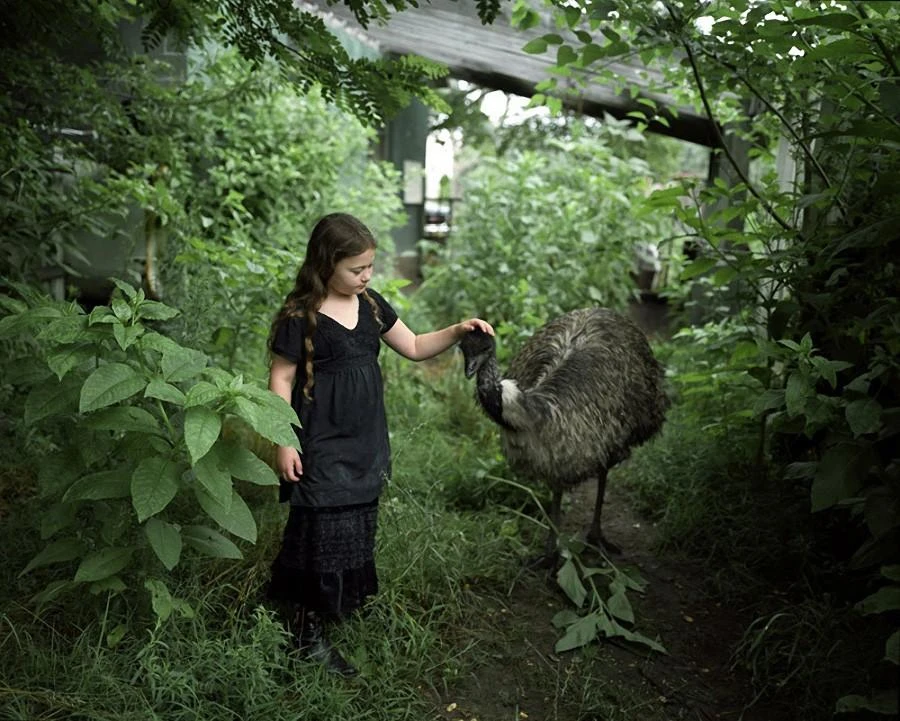
Robin Schwartz is a nature photographer who spends much of her life among animals, visiting both zoos and their natural habitats whenever possible. Her daughter, Amy, first embarked on such a journey before she was born. Later, Robin decided to show her now-grown daughter what she was doing and introduce her to the world of animals. This is how a series of photographs emerged, which became the beginning of the Amelia's World project.
Animals as Collaborators
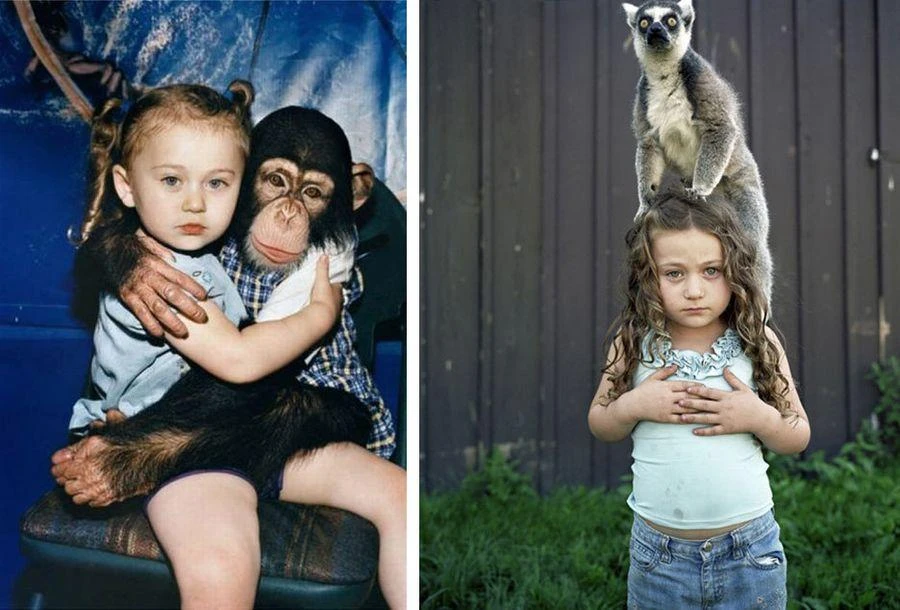
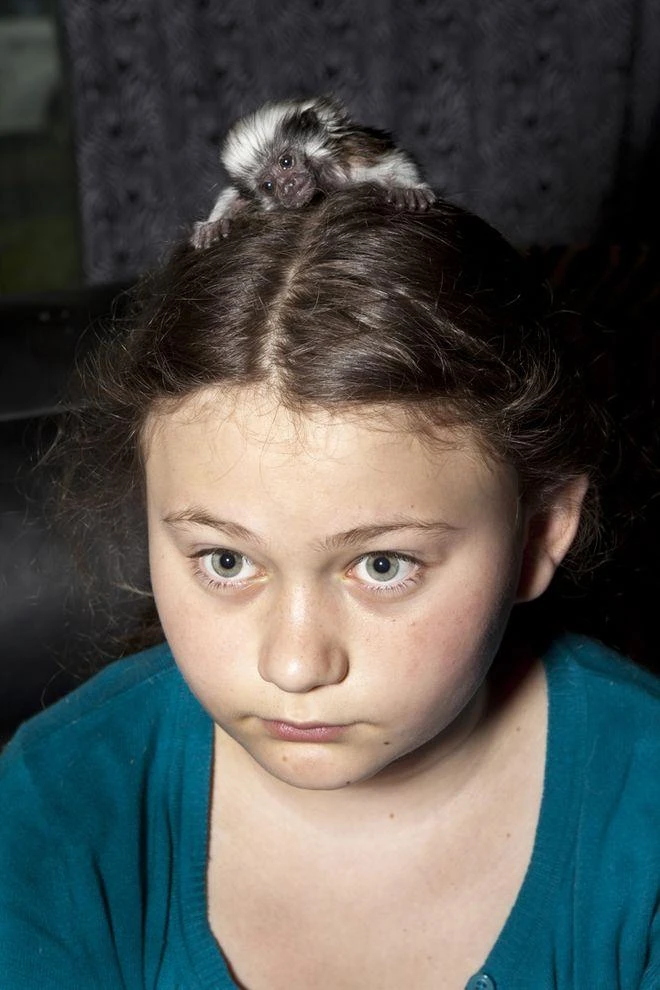
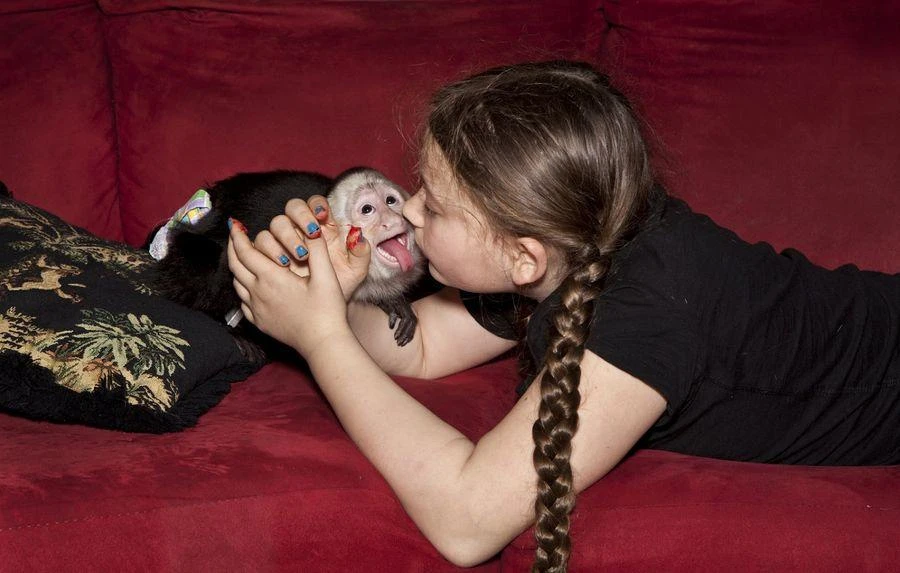
One of the key features of the project is animals. During her childhood, Amelia met and interacted with more animals than most adults will ever see. She rode a camel, touched an elephant's trunk, shook hands with monkeys, chimpanzees, and marmosets, and hugged giraffes and zebras.
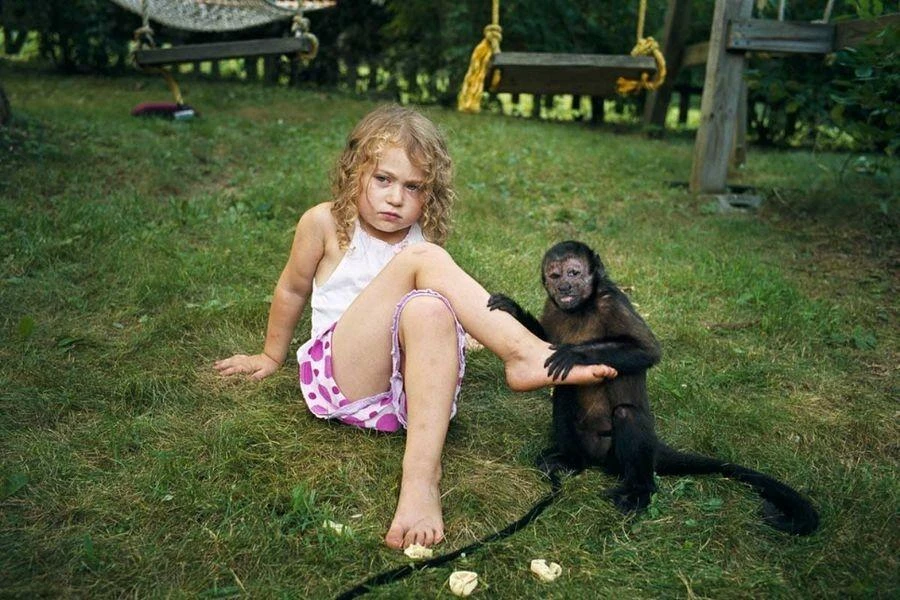
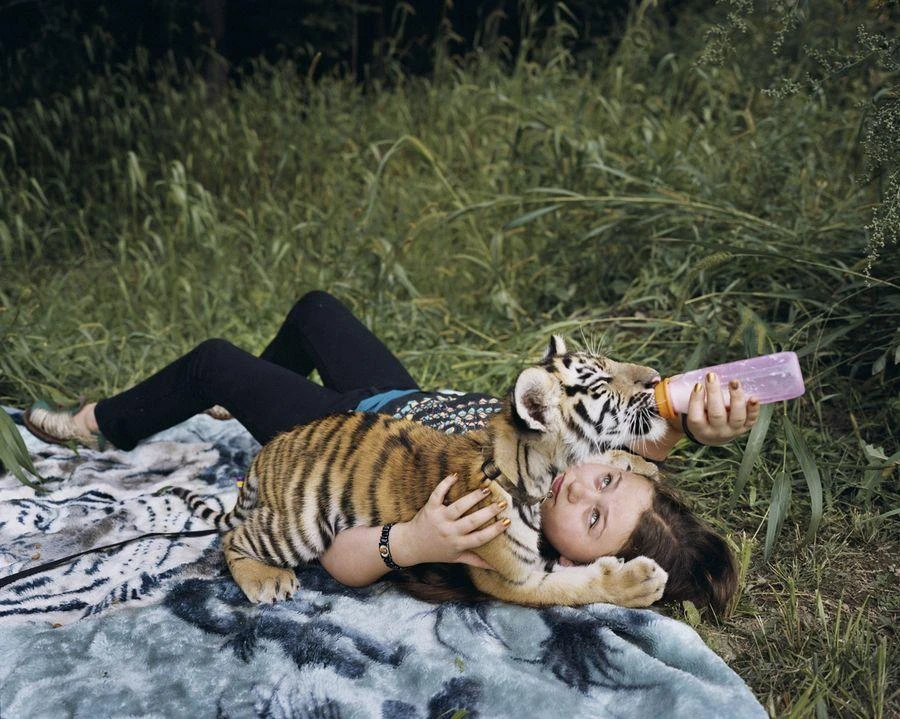
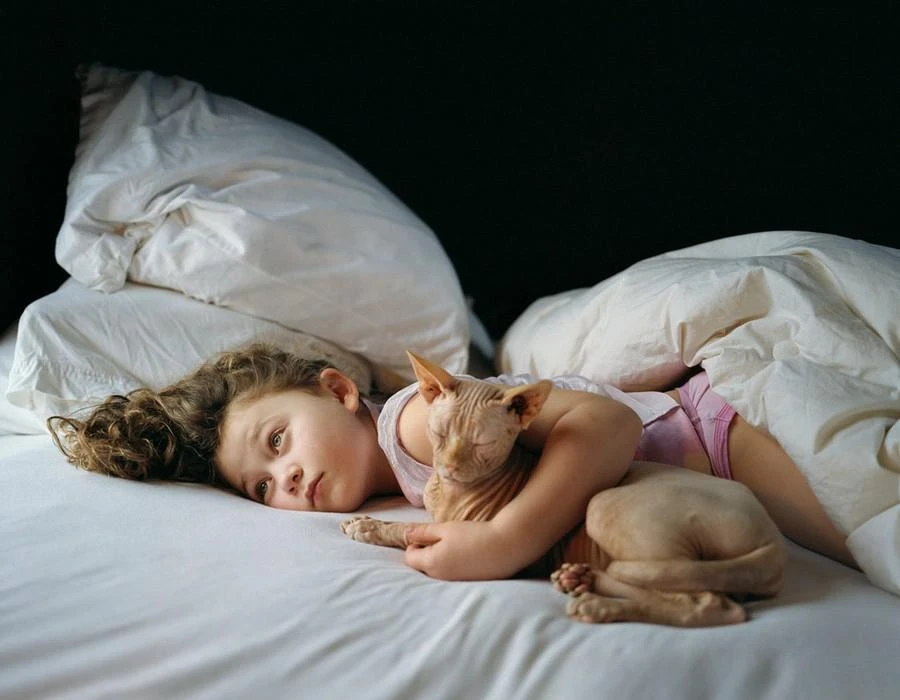
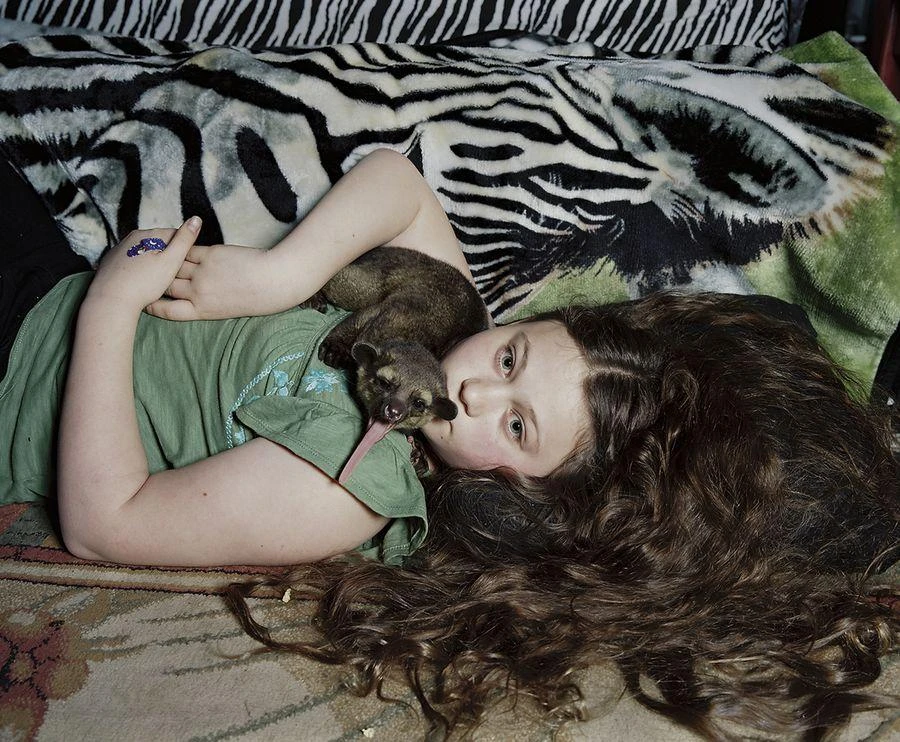
Among Amelia's photos are shots that might shock "proper" parents: the girl tumbles with a tiger, sleeps cuddled with large dogs, cats, and even martens. And next to her, dozing carefree and relaxed, you can see a dangerous predator – a beautiful serval wild cat. However, Robin Schwartz reassures everyone, smilingly assuring that no living creatures were harmed during the shoot.
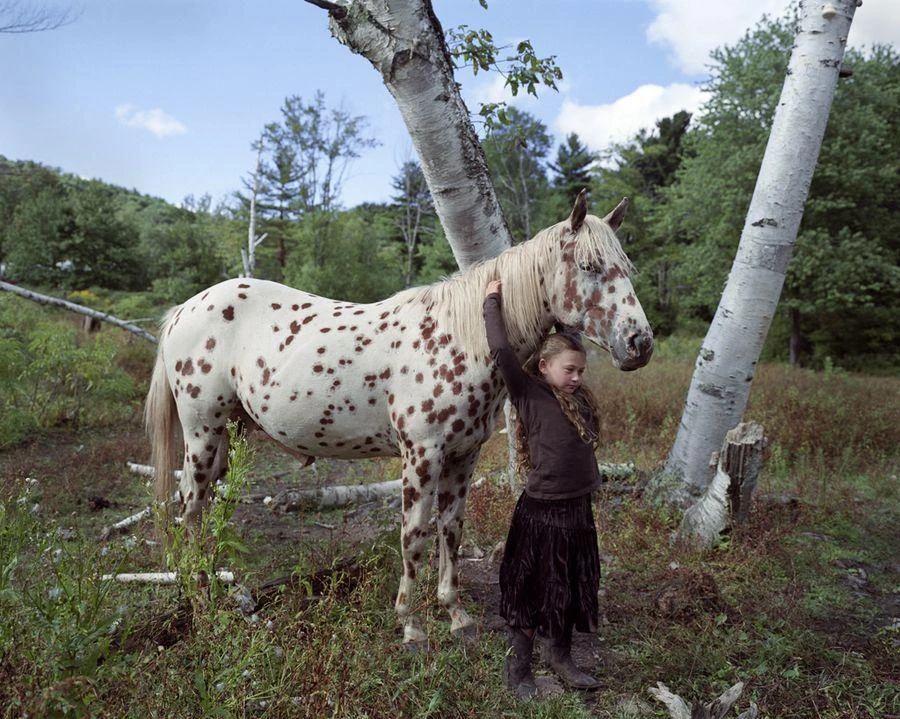
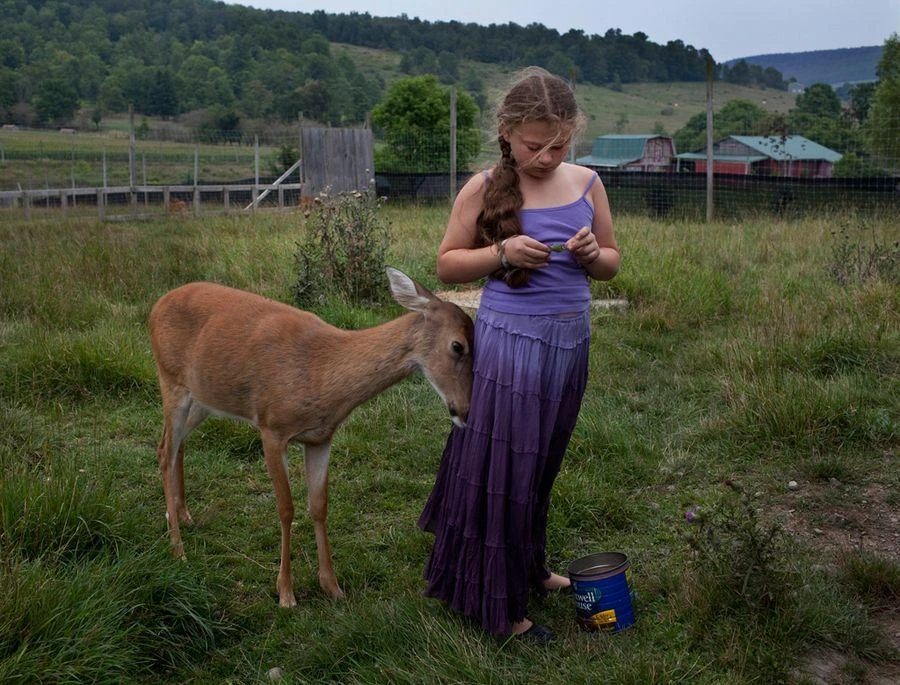
"Amelia wasn't taught to be afraid of animals; her brothers and sisters are animals," says her photographer mother.
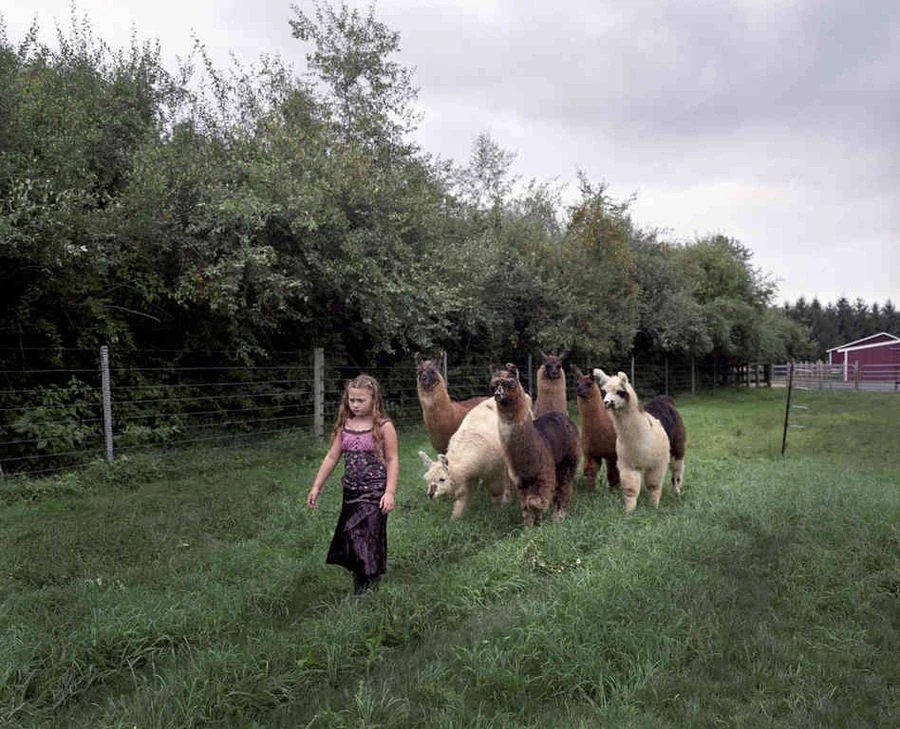
"She felt comfortable with animals... She was sad when she learned that other children and adults were afraid of animals."
Amelia is photographed with monkeys, cats, snakes, elephants, and even exotic creatures like llamas and tigers. These animals become not only part of the composition but also a reflection of the child's emotional connection with the natural world. Schwartz sought to show that humans and animals can coexist in harmony and emphasize the importance of respect and love for the natural world.
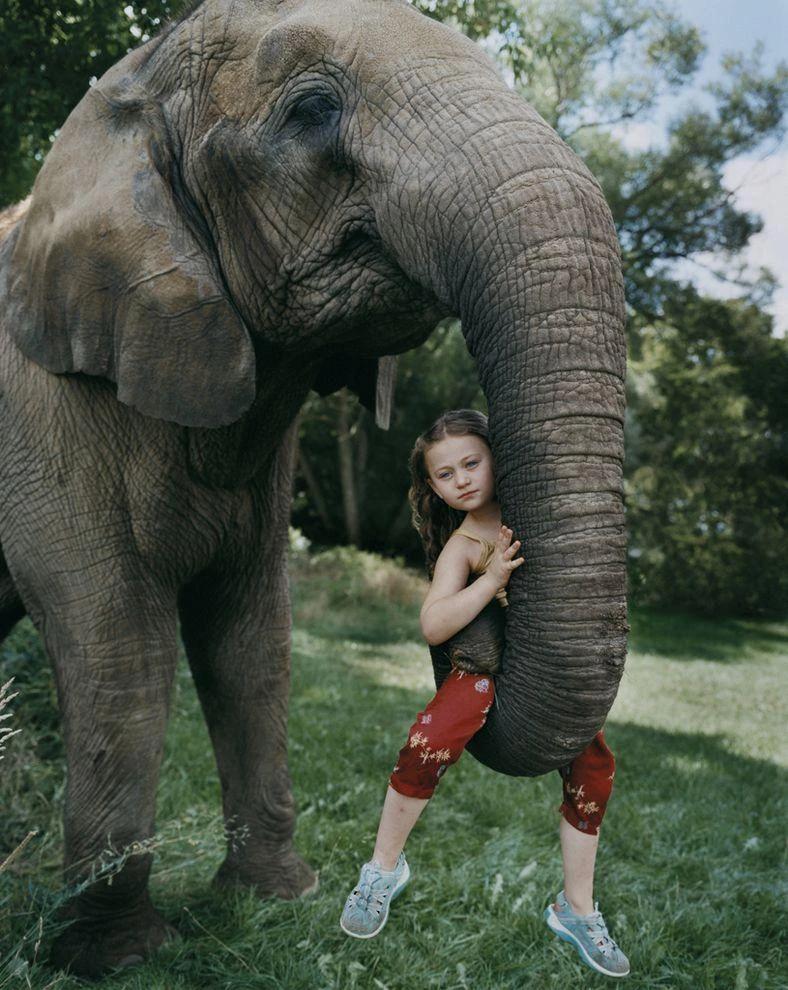
Some might criticize Robin for suggesting that Amelia could be injured by interacting with wild animals, but her mother claims that the only injury her daughter ever suffered was when a neighbor's dog tried to bite her.
"I'm more afraid of people. They are the most dangerous and cruel animals on earth."
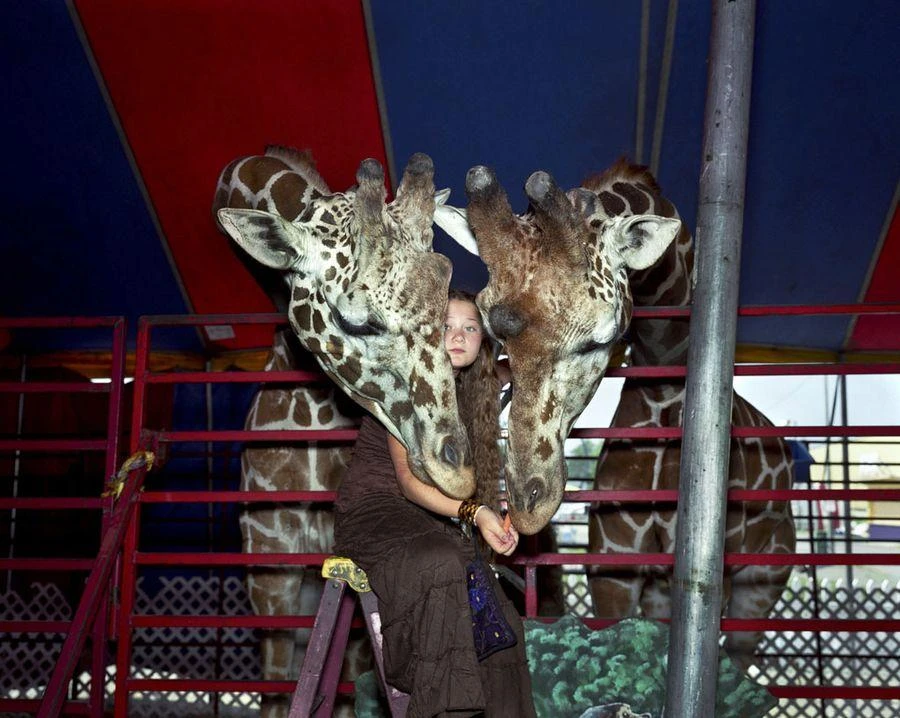
Artistic Features
Robin Schwartz's photography style deserves special attention. She uses soft, natural lighting and a warm color palette to create an atmosphere of comfort and harmony. These shots are far from staged, despite their carefully composed composition. There's nothing superfluous in the photographs that would distract from the main characters. Amelia appears completely natural in them: her sincere emotions and poses create the feeling that the viewer has become an invisible observer of the present moment.
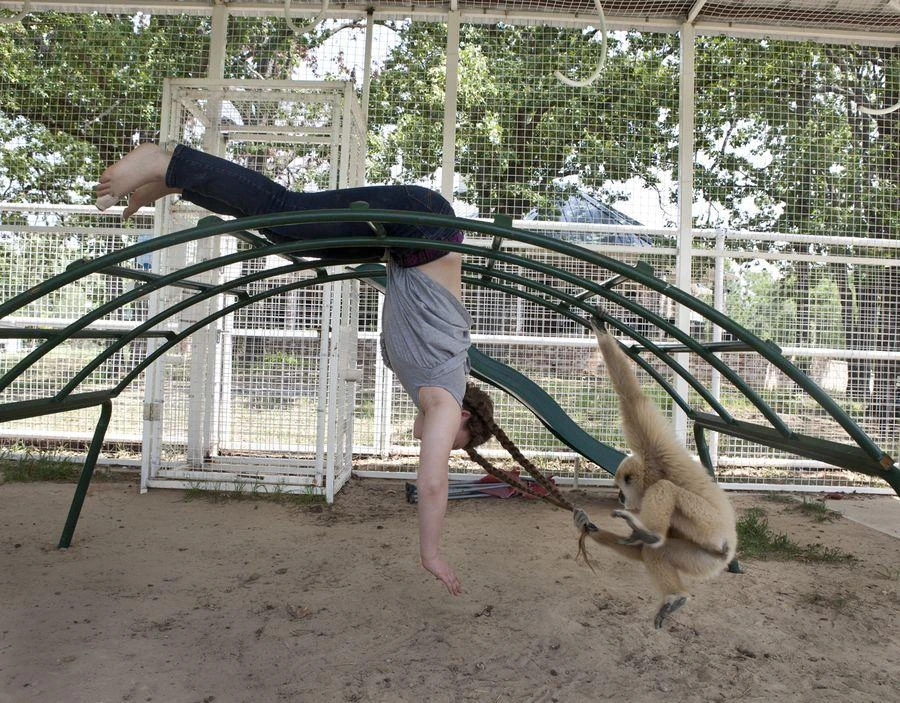
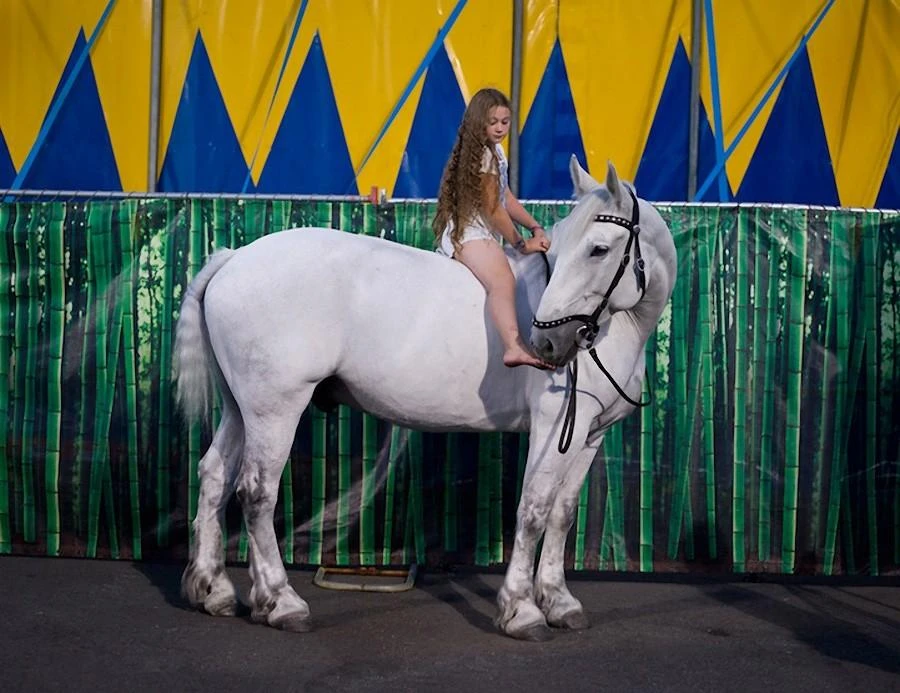
"Amelia's World" is not just a photographic project, but a unique journey into the world of childhood, where imagination and reality are boundless. These photographs show how children perceive nature—freely, without the fear and prejudices of adults. Through her work, Robin Schwartz emphasizes the importance of maintaining this capacity for wonder and admiration, even as we grow older.
The Impact of the Project
The photo project has inspired many photographers, artists, and parents. Works from this series have been featured in numerous exhibitions, including prestigious galleries in New York and London. Critics note that "Amelia's World" not only touched the hearts of viewers but also redefined the boundaries of family photography.
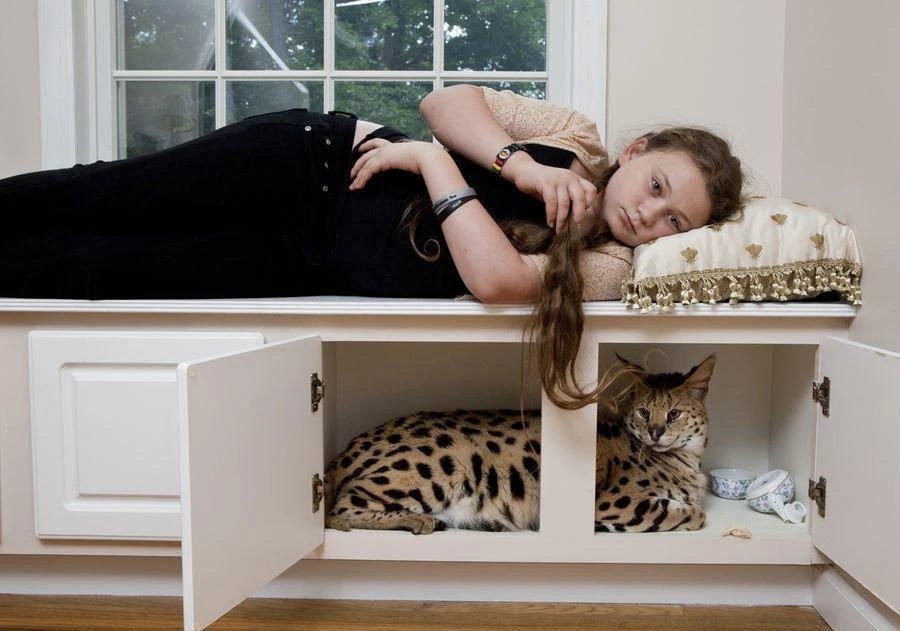
"Amelia's World" shows the importance of observing the world through a child's eyes, of being able to see beauty and wonder in simple things. Robin Schwartz also demonstrates the power of family creativity, where mother and daughter become co-creators of art.
Exhibitions and Recognition
Photographs from the "Amelia's World" series have been exhibited in renowned galleries around the world, including the Museum of Modern Art in New York. Critics have praised the project as one of the most touching and profound works in the genre of family photography.
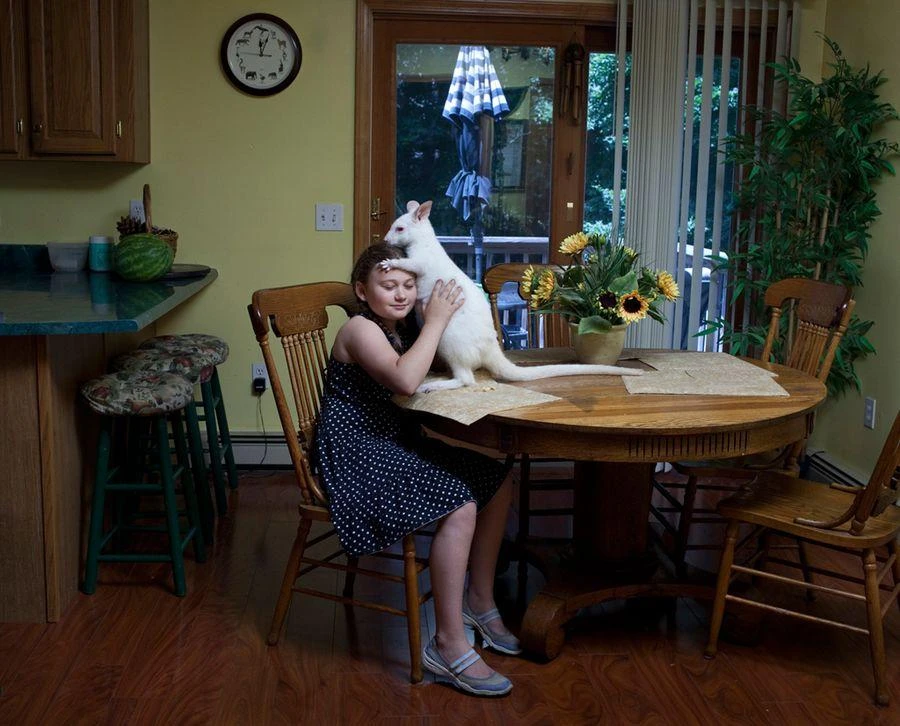
Today, "Amelia's World" continues to capture attention with its universality and sincerity. More than photographs, it is an invitation to reflect on how we, as adults, can reconnect with nature, a connection so easily lost in the hustle and bustle of everyday life. These images are a reminder that childhood and nature are inextricably linked, and that every child has an innate capacity to form deep relationships with animals and the world around them.
"Amelia's World" is not just a photo project, but a true artistic journey that teaches us to appreciate nature, see magic in the ordinary, and understand how unique childhood can be. Robin Schwartz's work continues to inspire and remind us of the importance of maintaining a sense of curiosity and love for the world.
What do you think is the secret to the sincere connection between children and nature that Robin Schwartz so vividly captures in her photographs? Share your thoughts in the comments – let's discuss!

Download
Archive size 2.94 Mb, downloaded 0 times