Fusterlandia: how a Cuban artist turned a slum into a fairy-tale kingdom (26 photos)
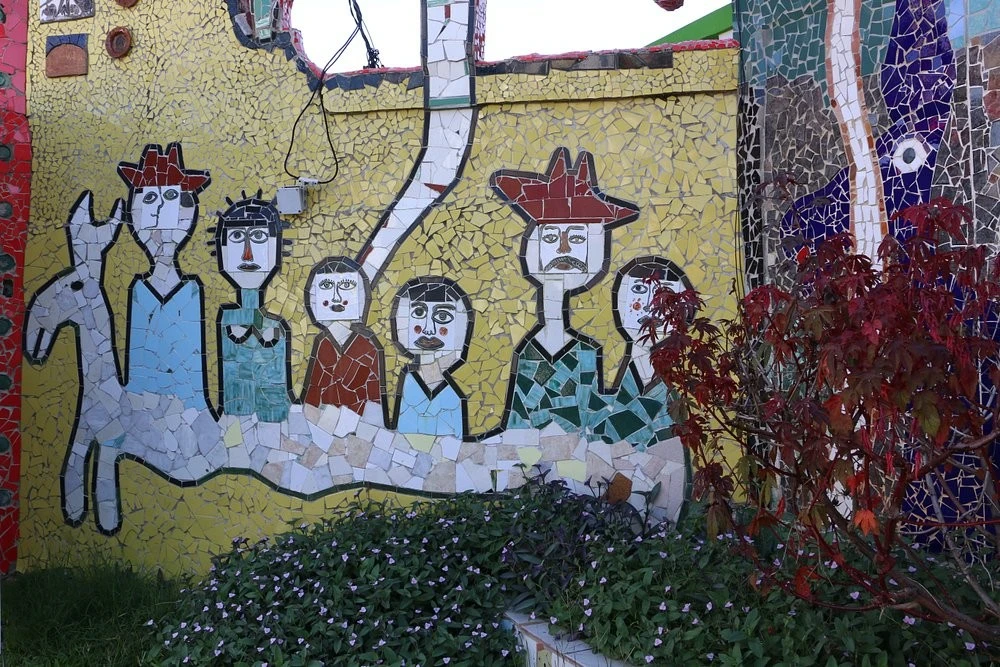
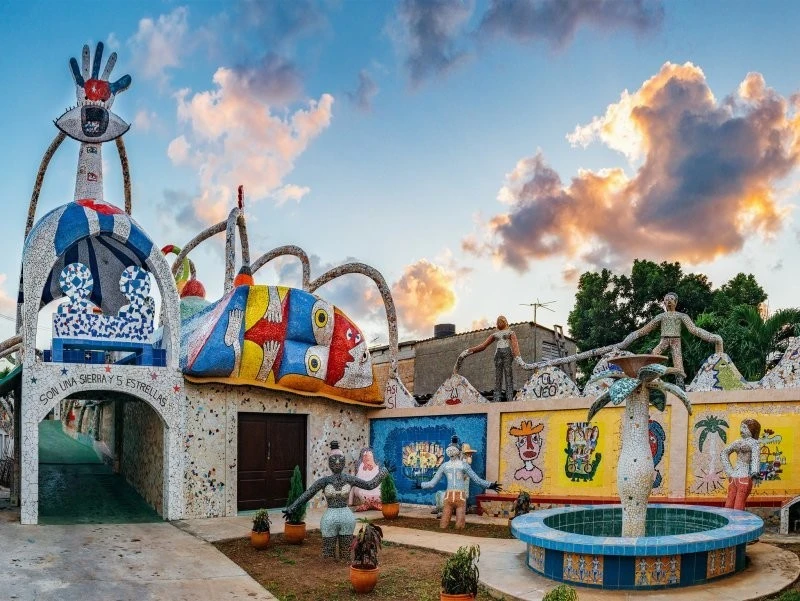
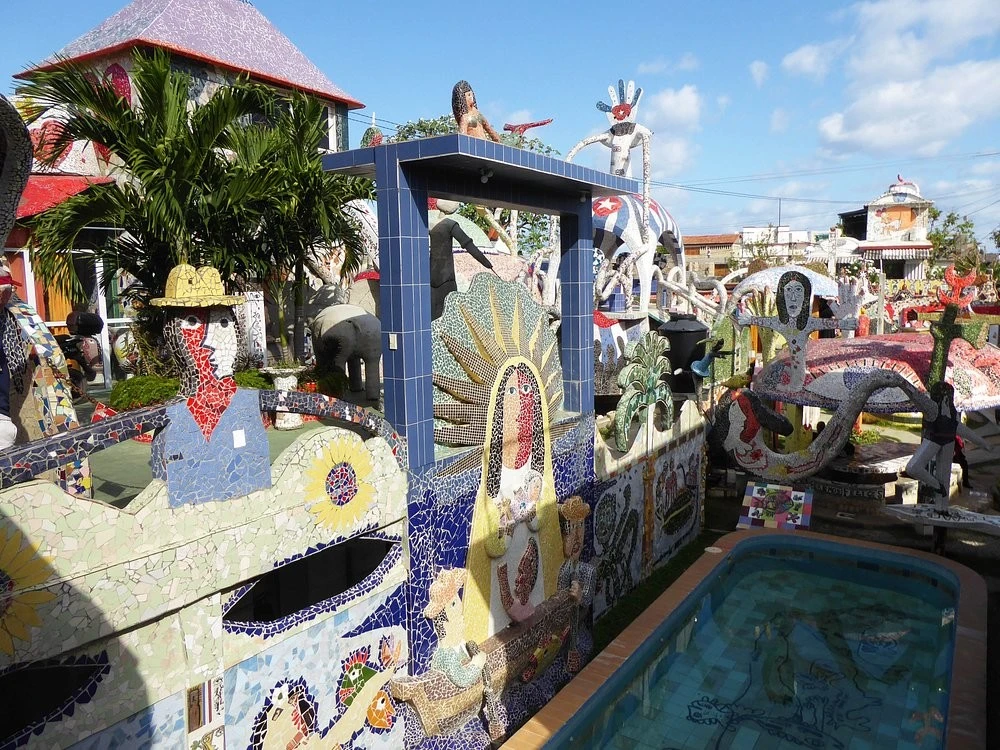
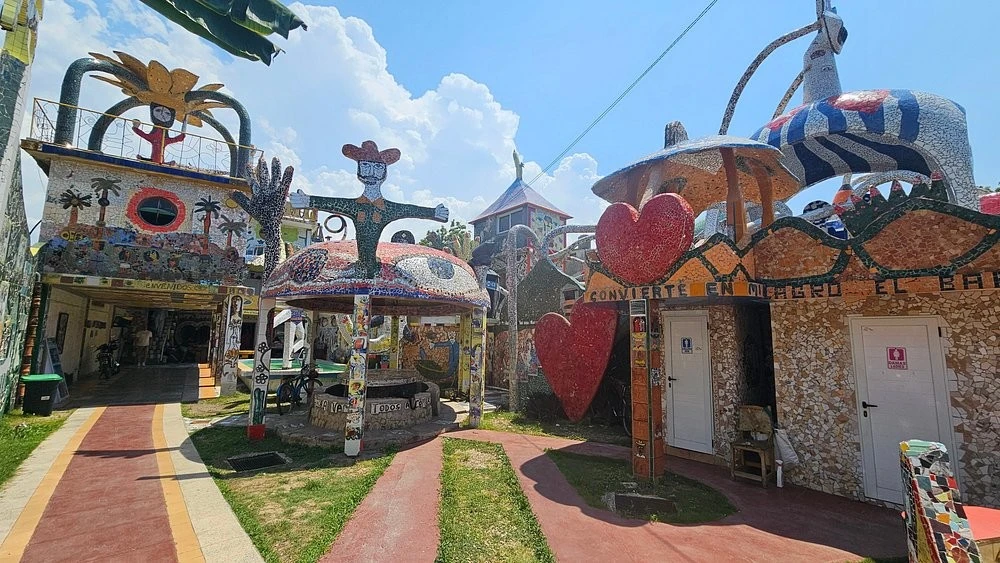
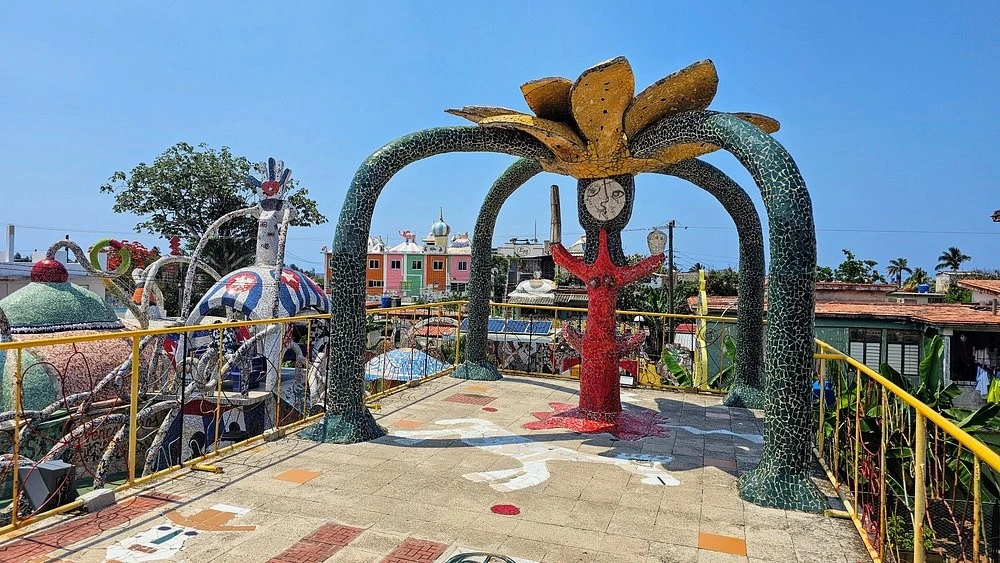
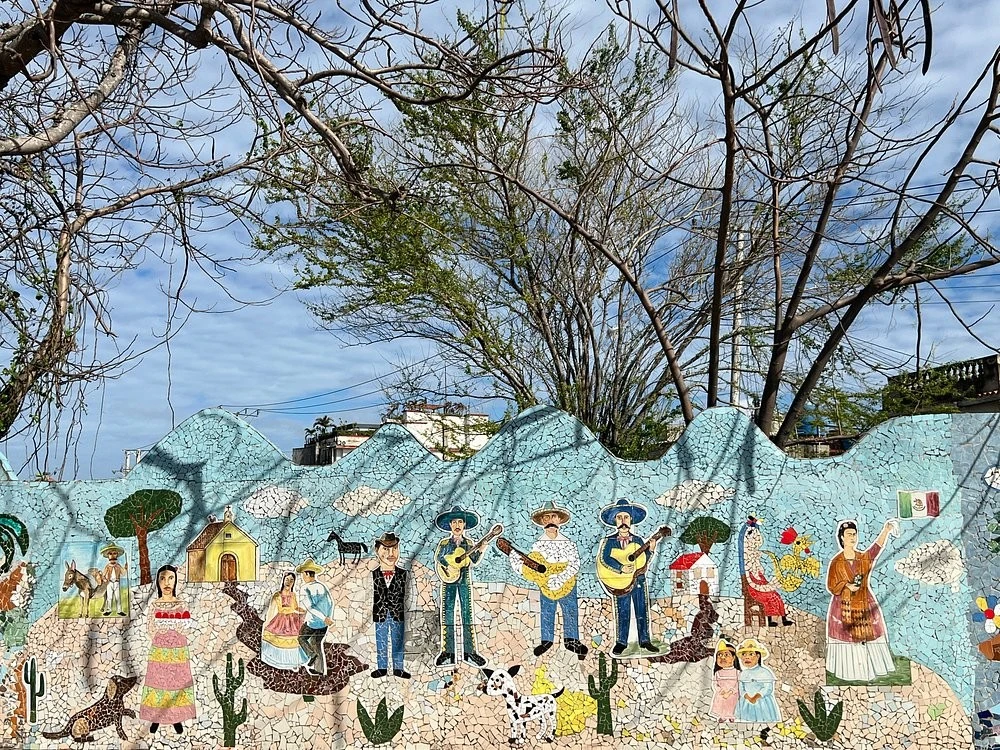
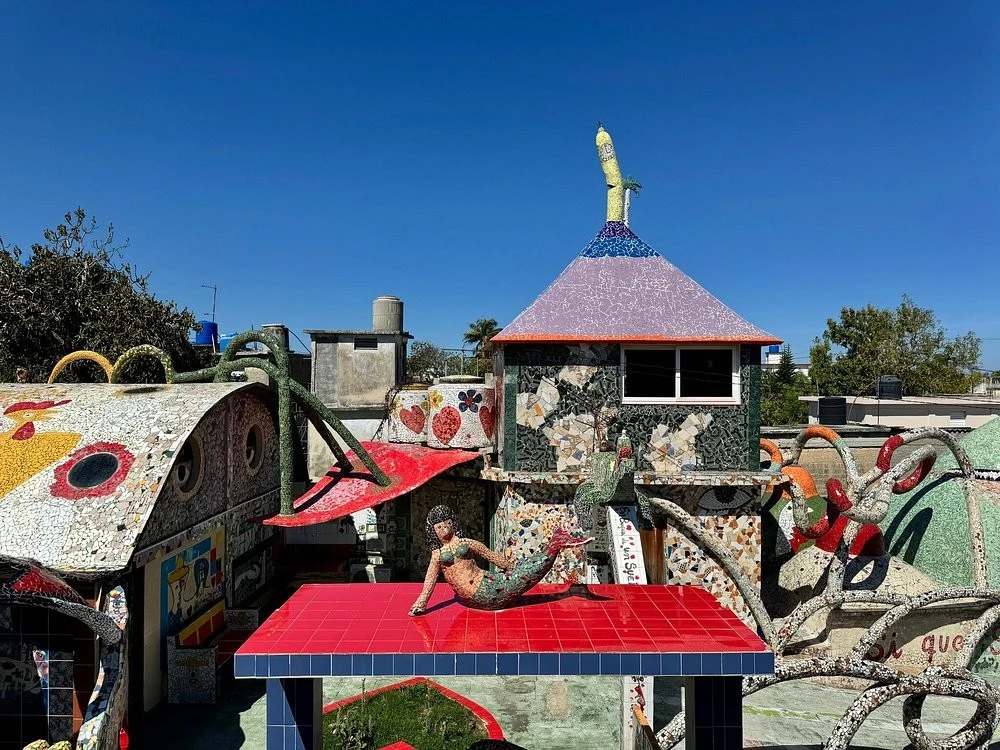
Artist Jose Fuster creates in the style of so-called naive art. His works are full of childish spontaneity and passion for life. They are distinguished by flashy colors, bizarre shapes and a riot of fantasy. 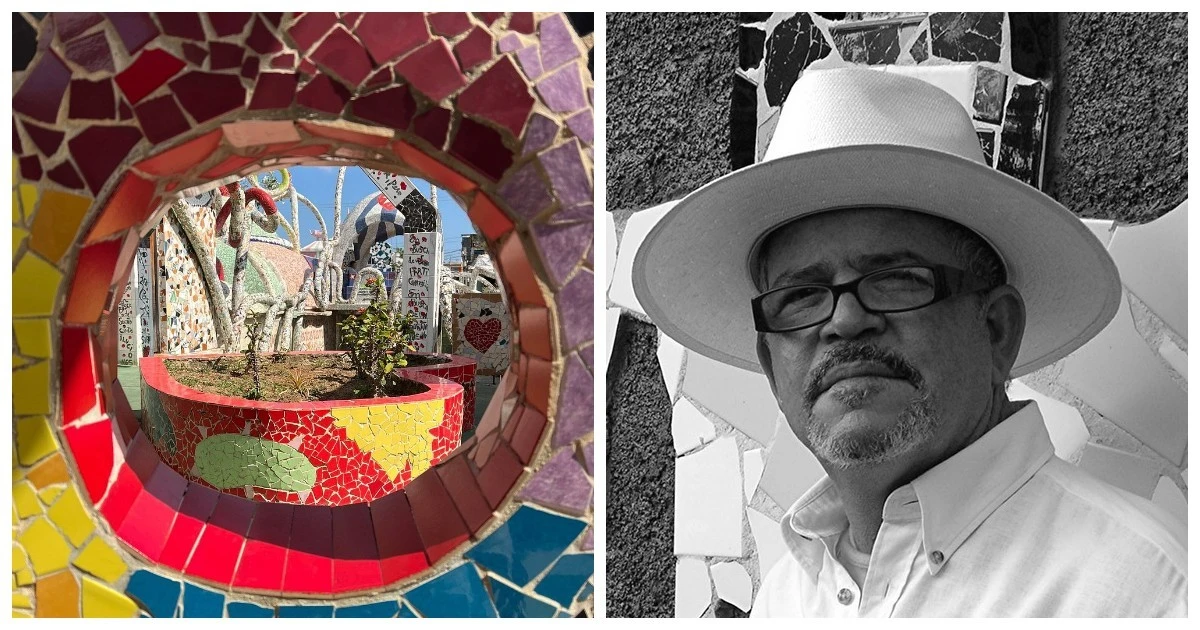
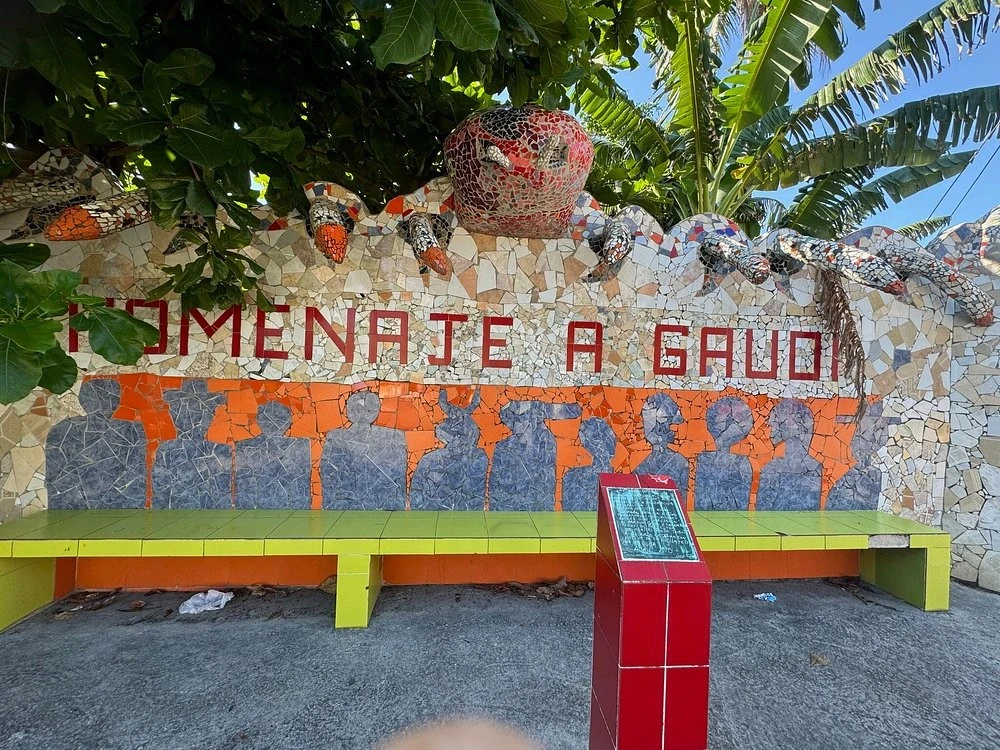
Critics compared him to Picasso, and European galleries happily accepted his exhibitions. But one day, returning from another tour, Fuster was fired up by a seemingly absurd idea. What if he created something as grandiose as Gaudi Park in Barcelona or Brancusi sculptures in Romania, but in his homeland?
The Birth of Fusterlandia 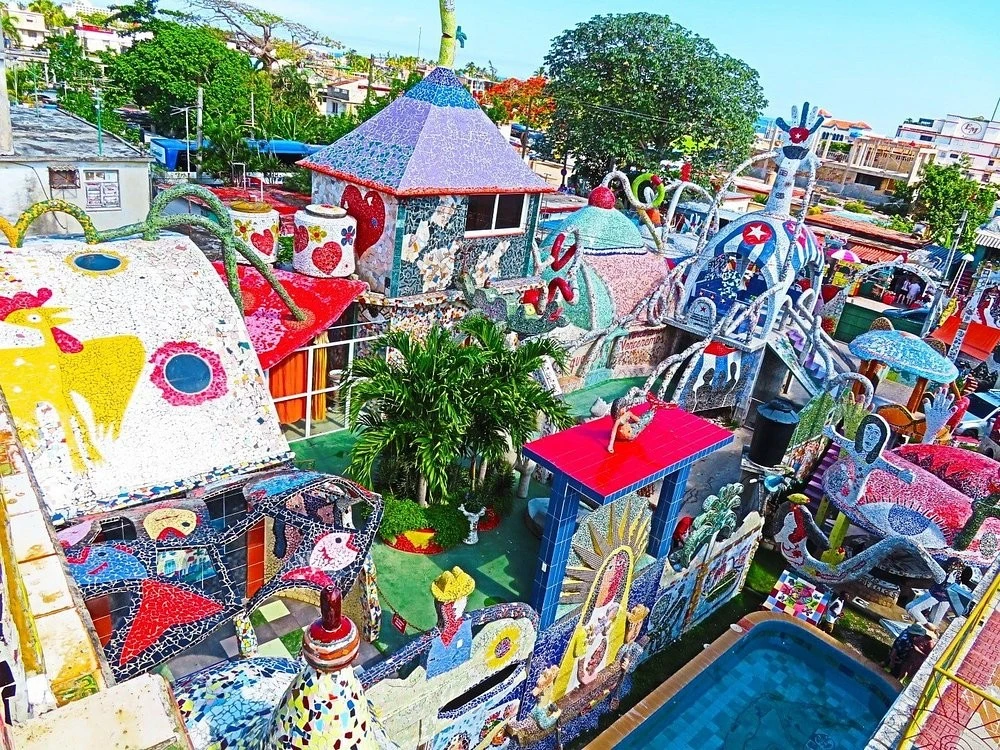
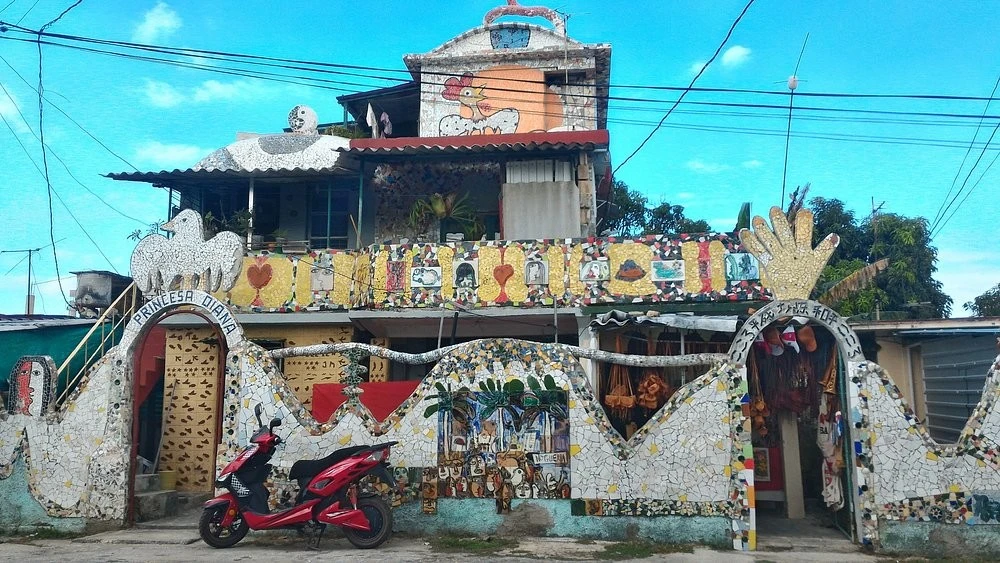
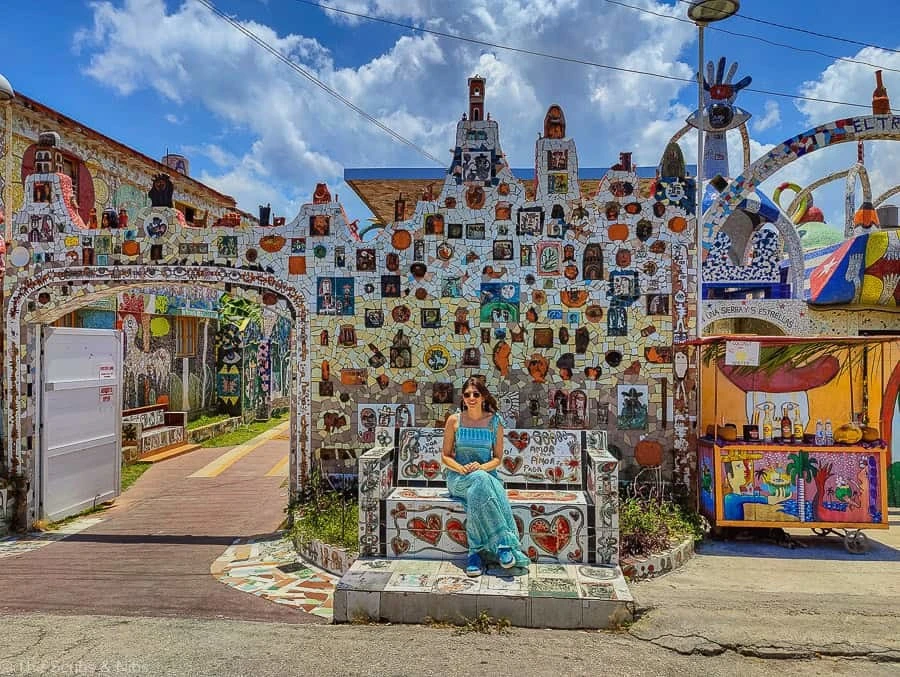
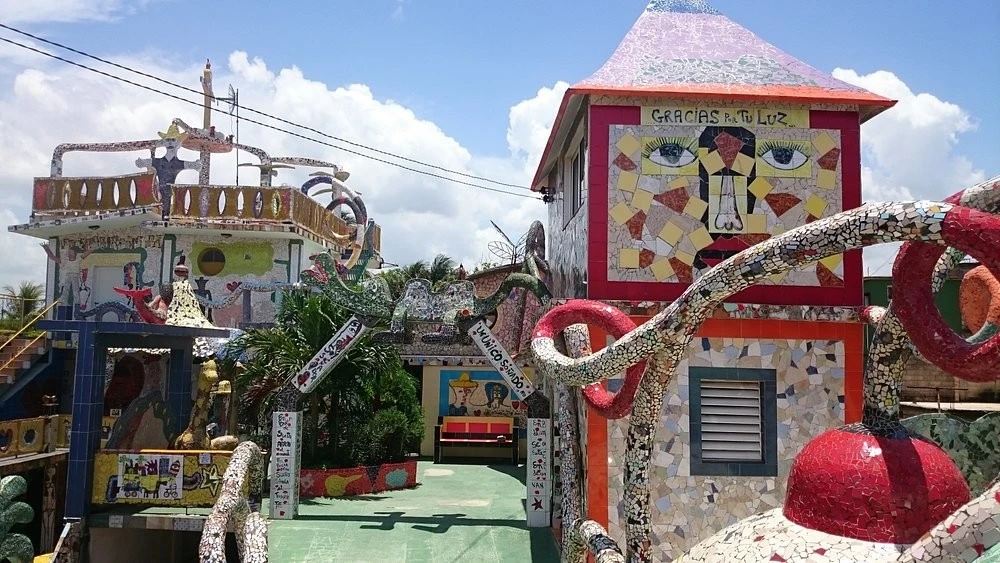
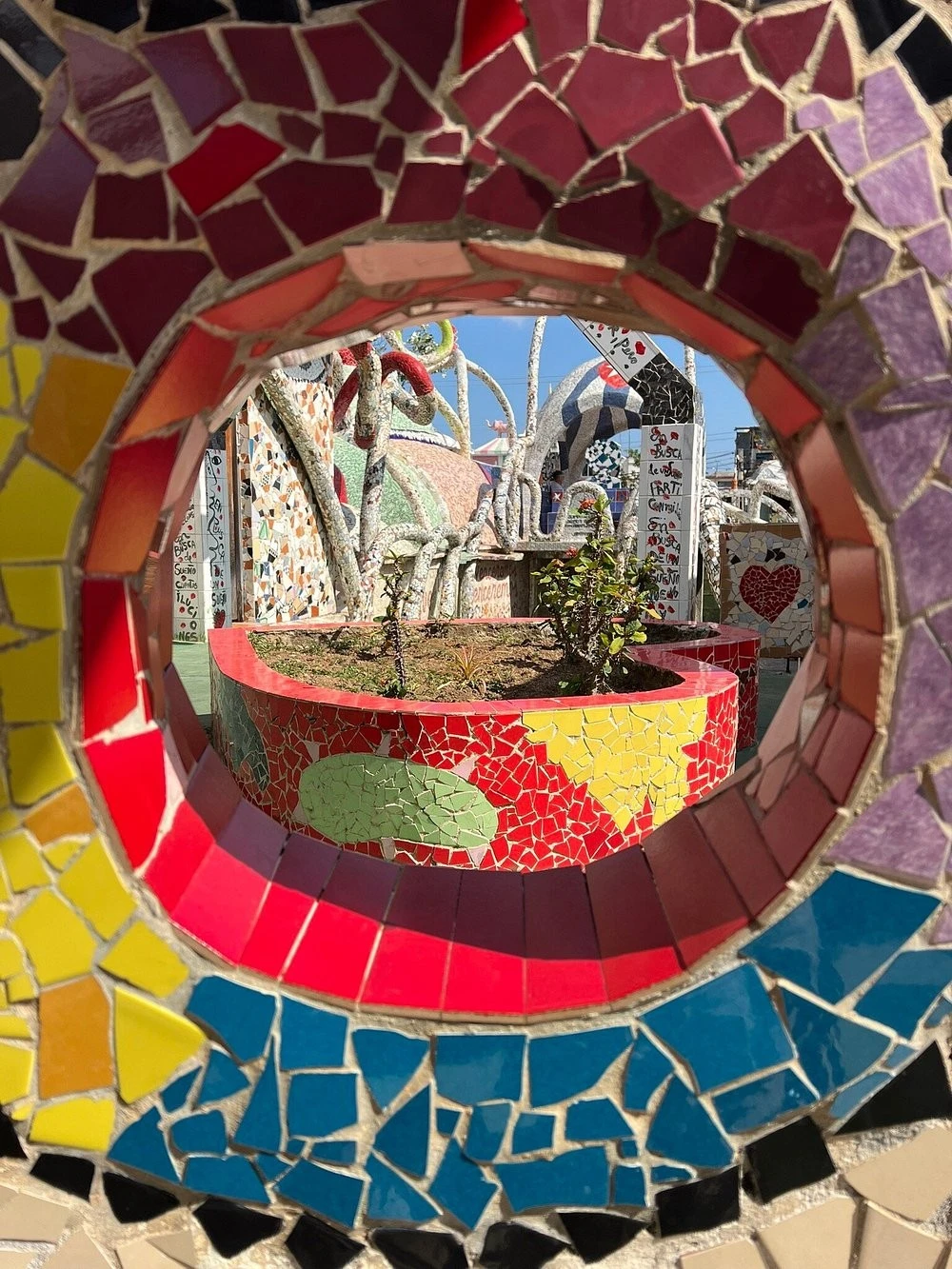
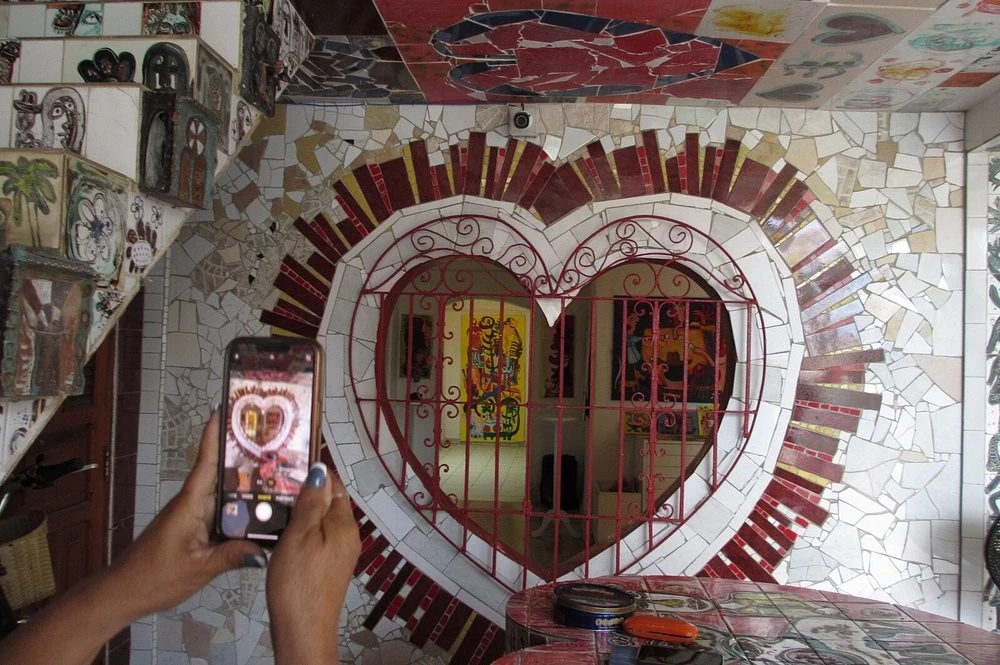
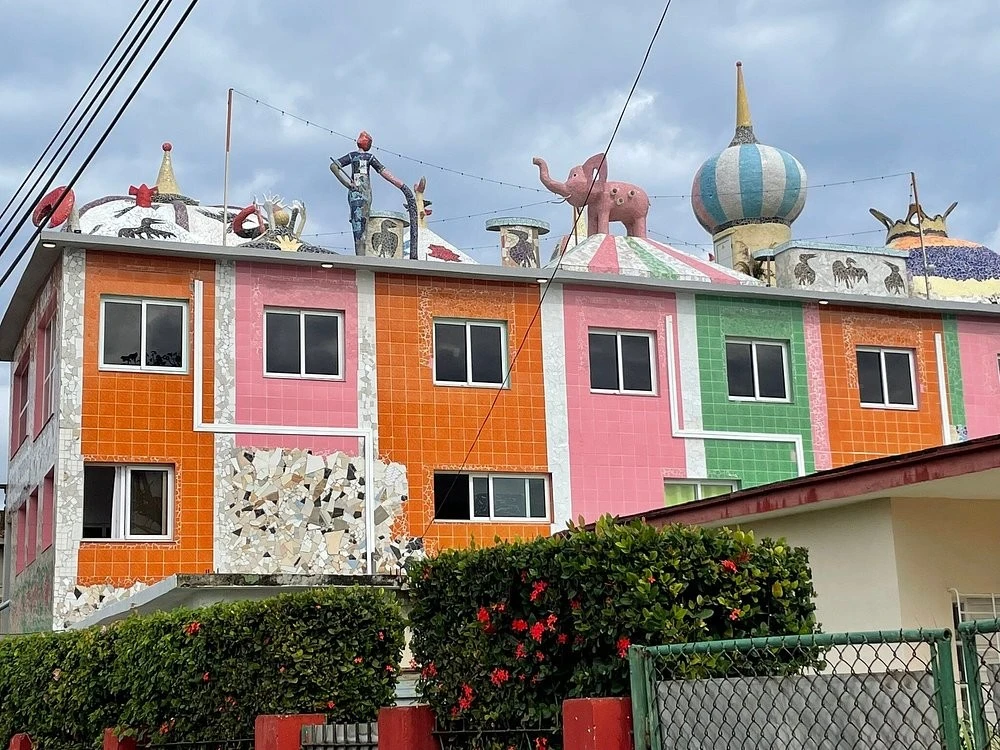
In 1975, he settled in Jaimanitas, a poor neighborhood on the outskirts of Havana where houses were barely hanging on by a thread. First, Fuster decorated his own workshop with colorful mosaics. Then he invited his neighbors to decorate their houses as well.
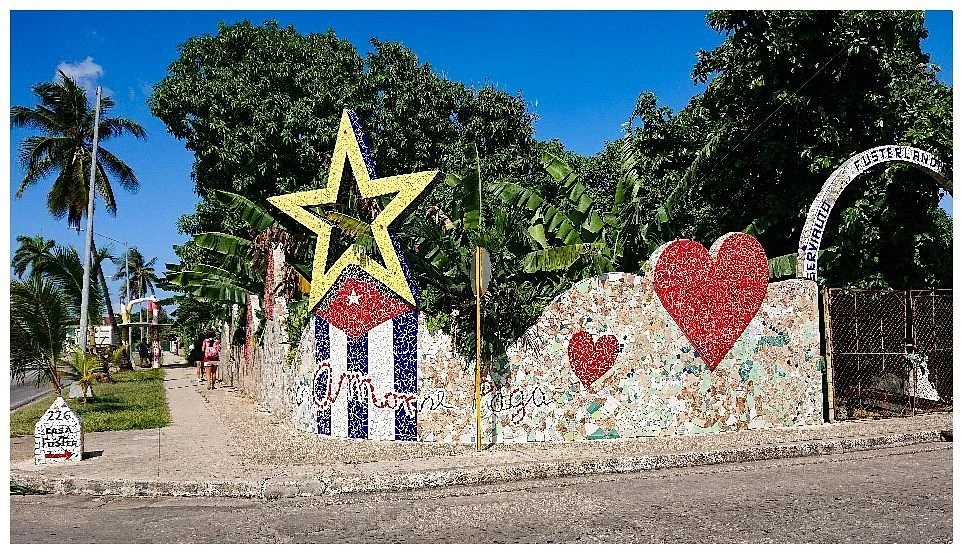
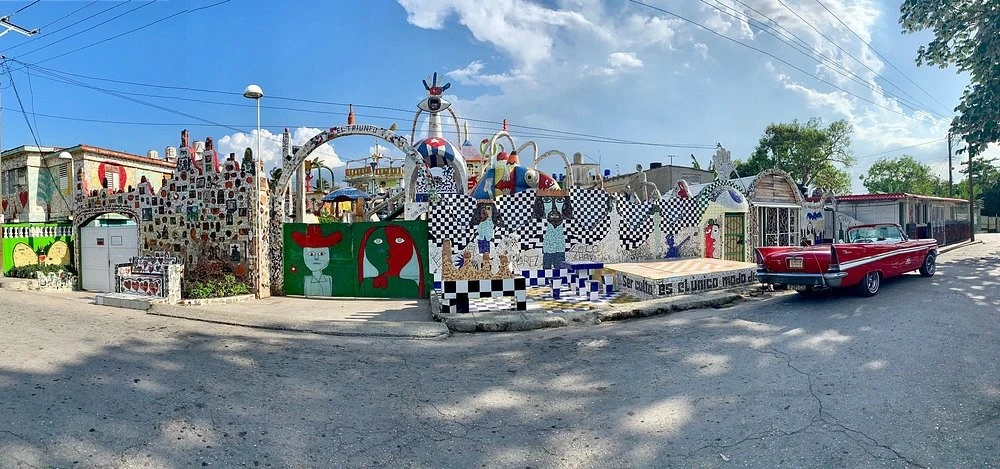
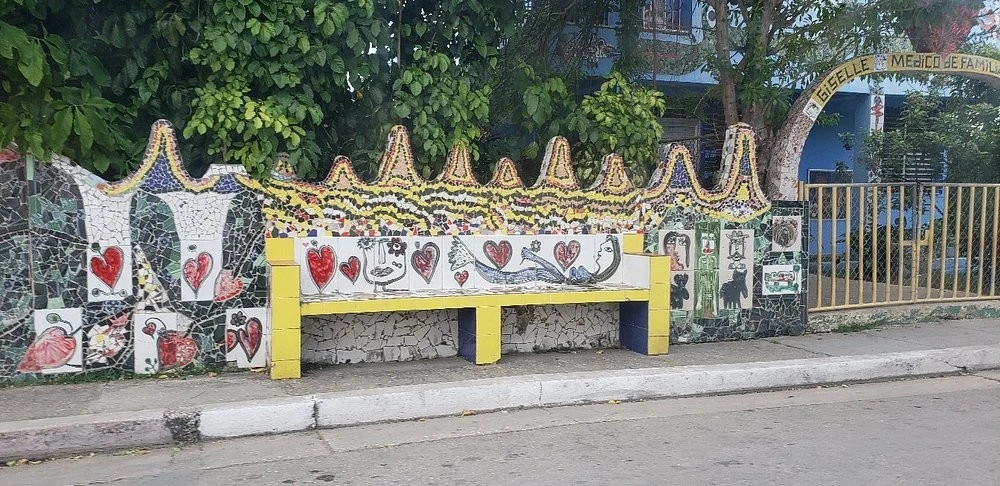
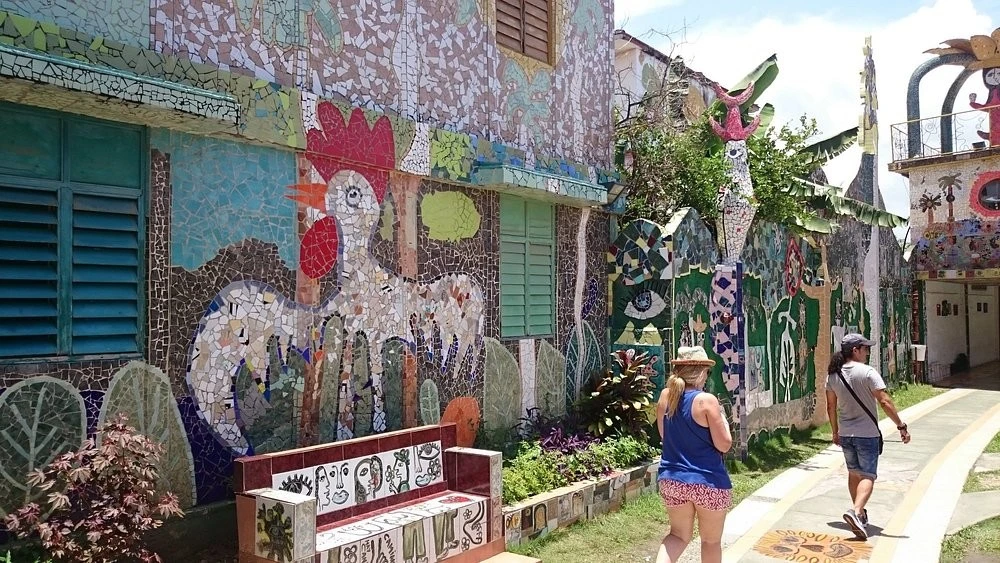
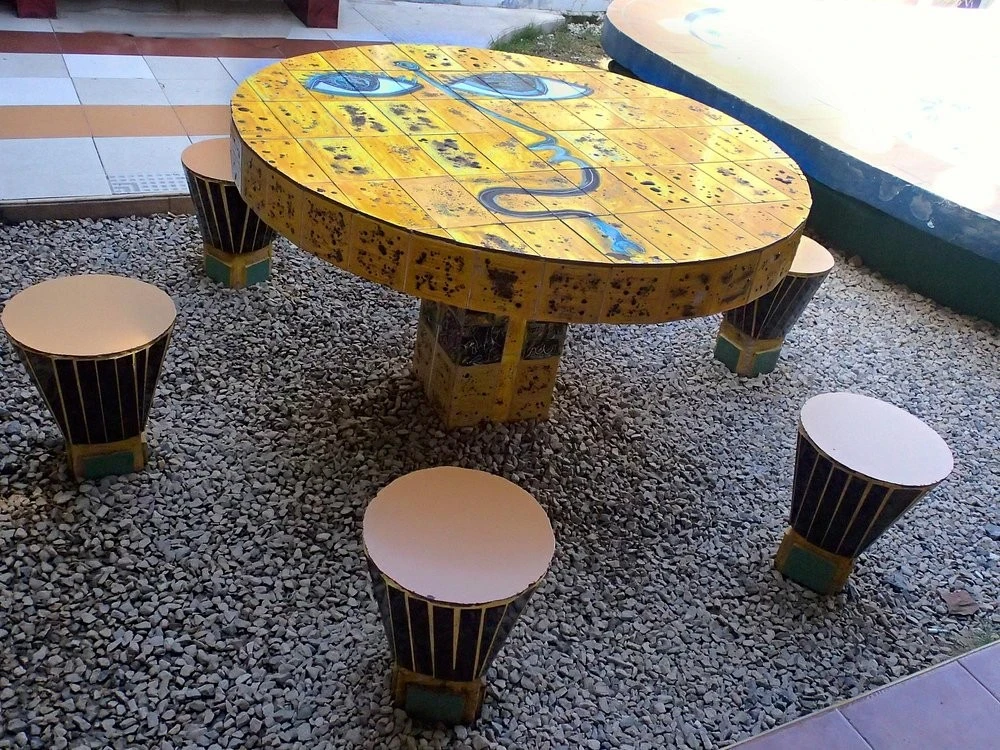
Some agreed. So, little by little, the modest neighborhood began to transform. Bus stops turned into art objects. Benches and fountains came to life under a layer of ceramics. Even doctors' offices began to look like fairy tale scenery. Ten years later, Jaimanitas was unrecognizable.
From the slums to the magical city 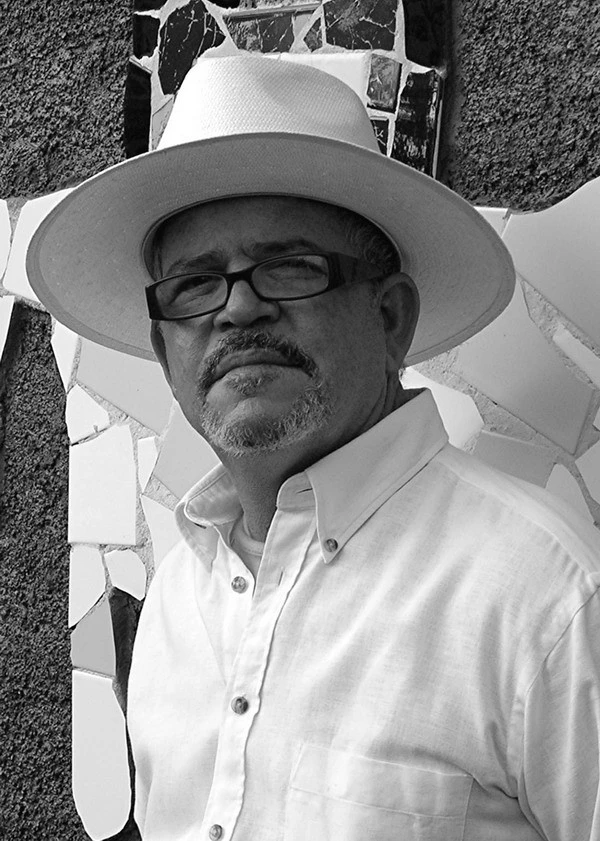
Jose Rodriguez Fuster
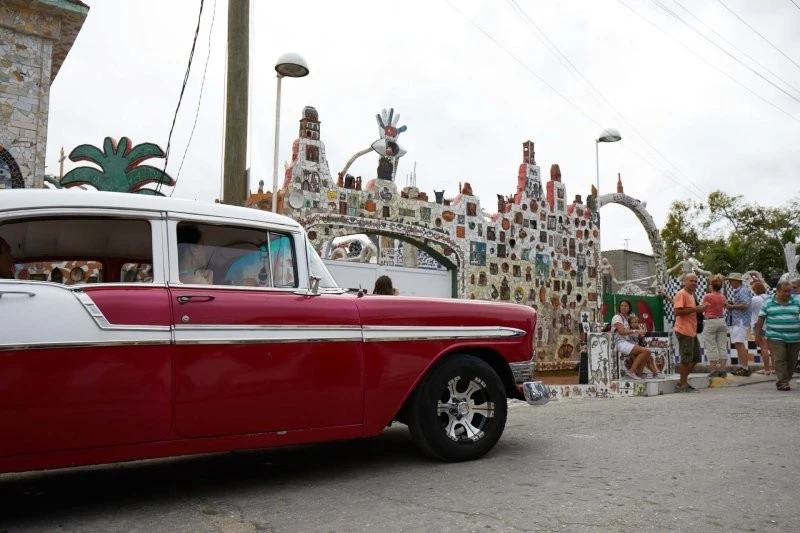
The area, which was previously shyly hidden from tourists, has become a place of pilgrimage. Excursions are brought here, and local children, who grew up among this beauty, themselves take up brushes and paints.
Fuster, like the Cuban Gaudi, proved that art can change reality. Even if you start with one broken tile.
[thumb]https://cp22.nevsepic.com.ua/post/62/308_files/f2029f849c9dd3e099530bc652f8 bf05.webp[/thumb]
[thumb]https://cp22.nevsepic.com.ua/post/62/308_files/c664965dc29f22ea23 c9f646e8d80604.webp[/thumb]
[thumb]https://cp22.nevsepic.com.ua/post/62/308_files/b0e9ae037 cbefdb41e131c8e18d598c8.webp[/thumb]

Download
Archive size 8.1 Mb, downloaded 77 times