Tilt the Camera, Satellite: Photos from Space That Don't Look Like Google Maps
Few people today still believe the Earth is flat. However, this is precisely what one might assume from viewing satellite images of the Earth taken at nadir—when the camera is looking straight down at a 90-degree angle. 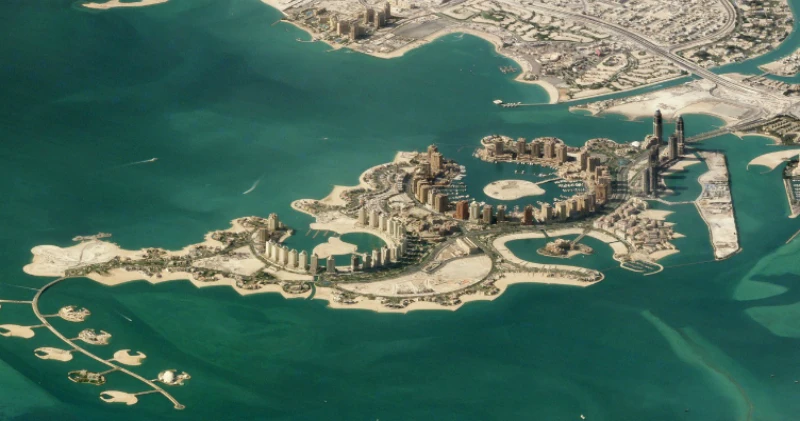
Traditional vertical photography obscures detail, smoothing out mountains, waterfalls, and skyscrapers so that what we see resembles a map more than a photograph. This experimental series of oblique satellite images, however, reveals perspective and reveals natural and urban landscapes in a new way. 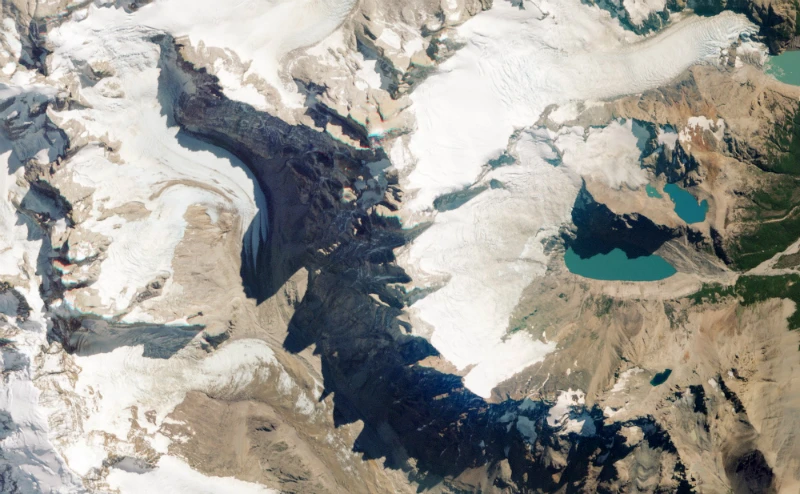
Take the famous Mount Fitz Roy on the border of Argentina and Chile—you might not immediately recognize what's in the photo until you see the clues in the jagged shadows cast by the rocky peaks. 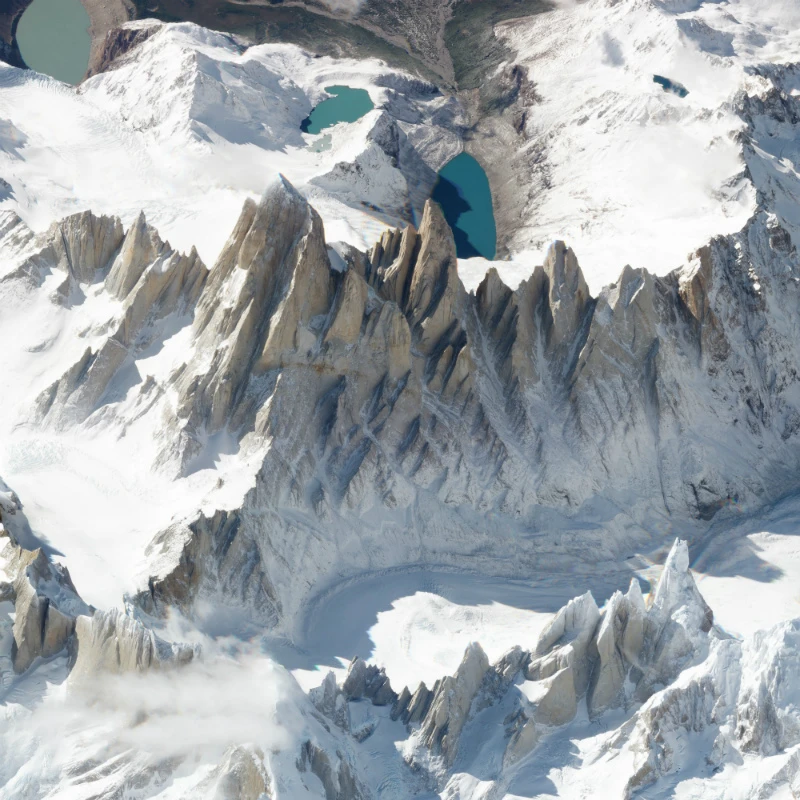

Как садят рис
Смотреть видеоA photo taken from a different angle changes perspective: the image instantly becomes three-dimensional—the mountains gain height and the valleys depth. It's as if you're looking out an airplane window from 450 km above sea level.
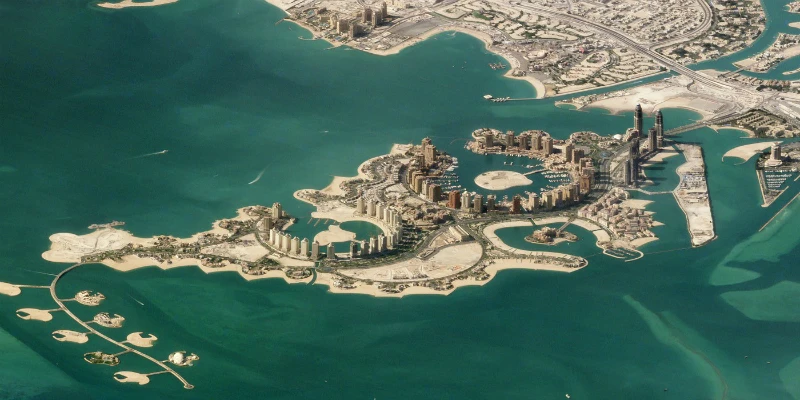
Doha, Qatar. The Pearl of Qatar is an artificial island in the shallow waters of the Persian Gulf.
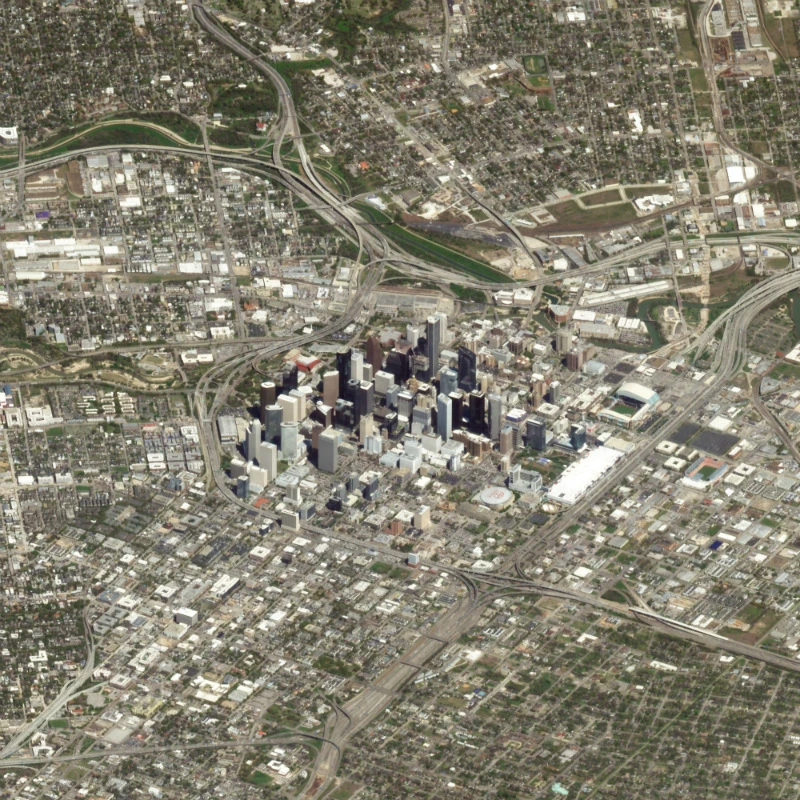
Houston, USA. The image shows how tiny the island with its skyscrapers is of the city's territory.
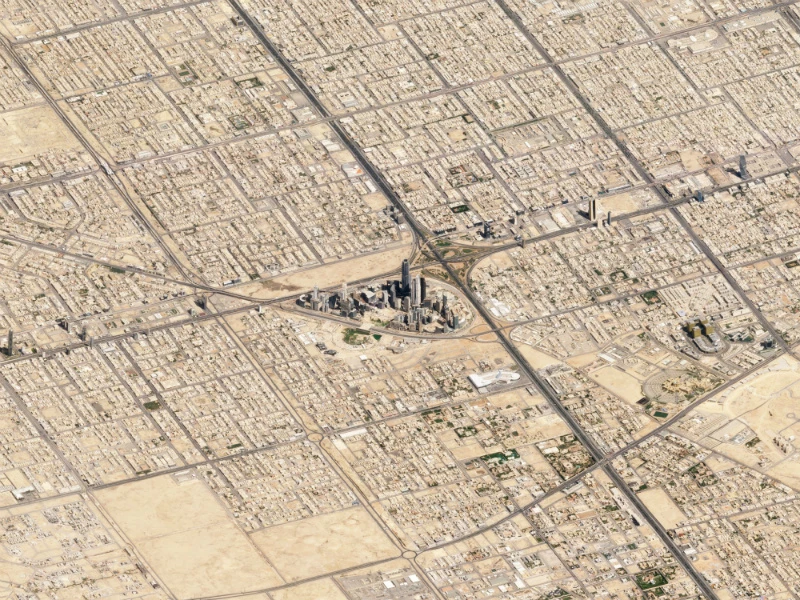
Riyadh, Saudi Arabia. This is even more evident in Riyadh (the air is less humid, allowing for a clearer, more expansive image).
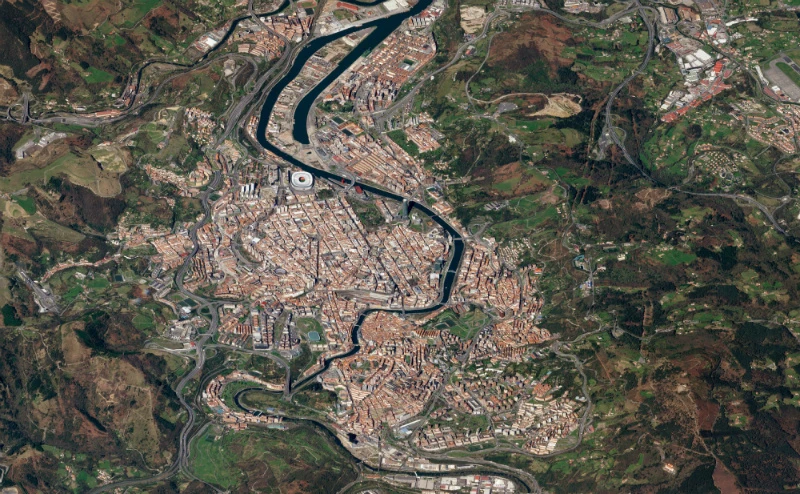
Bilbao, Spain.
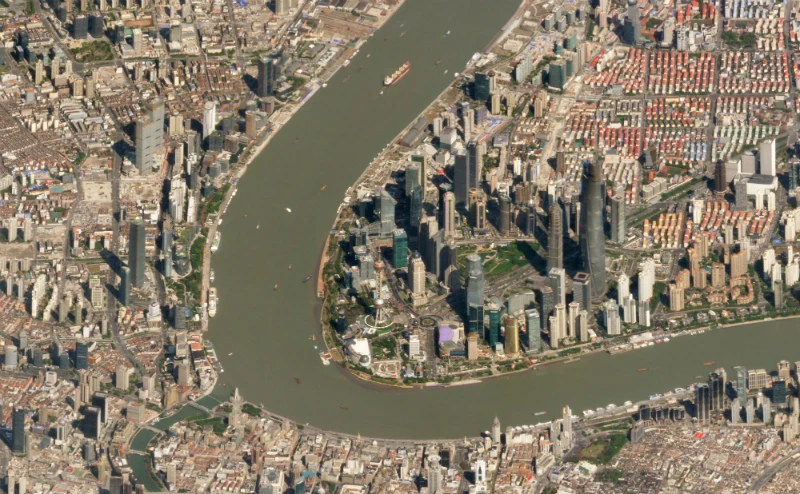
Shanghai, China.
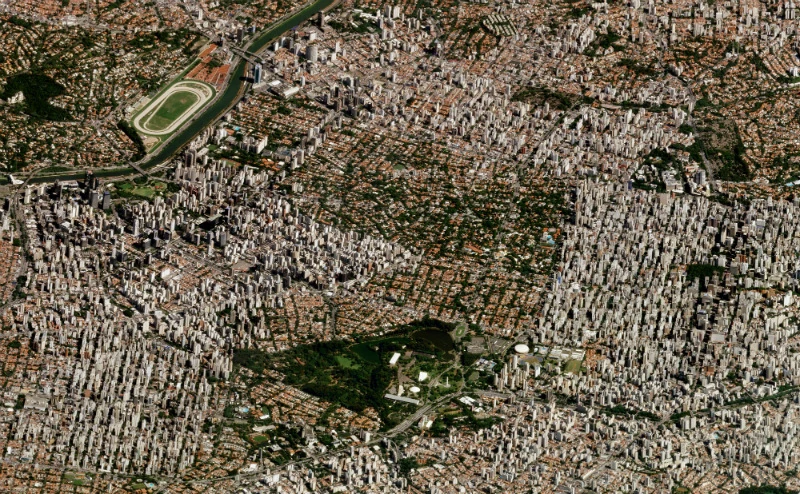
Sao Paulo, Brazil — the most populous city in the Western Hemisphere.
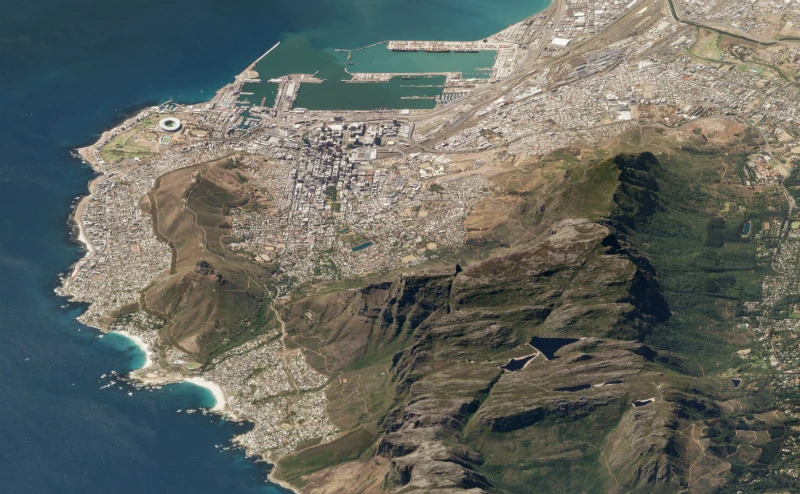
Table Mountain looms over Cape Town, South Africa.
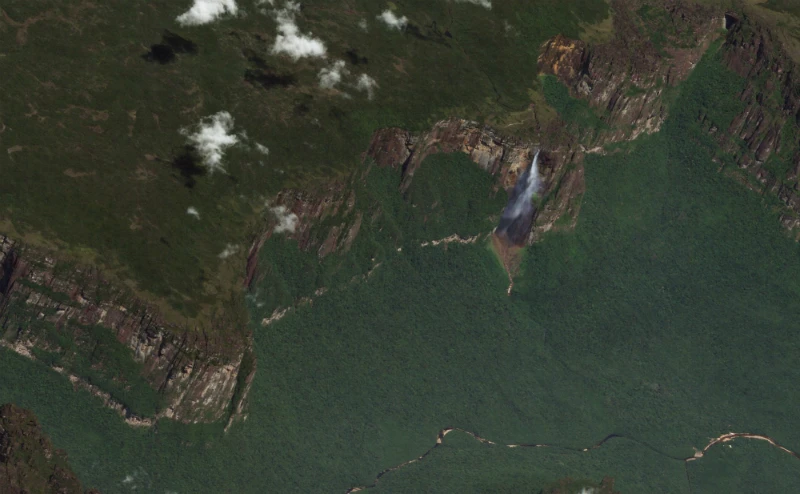
The world's highest waterfall, Angel Falls, is 979 m.
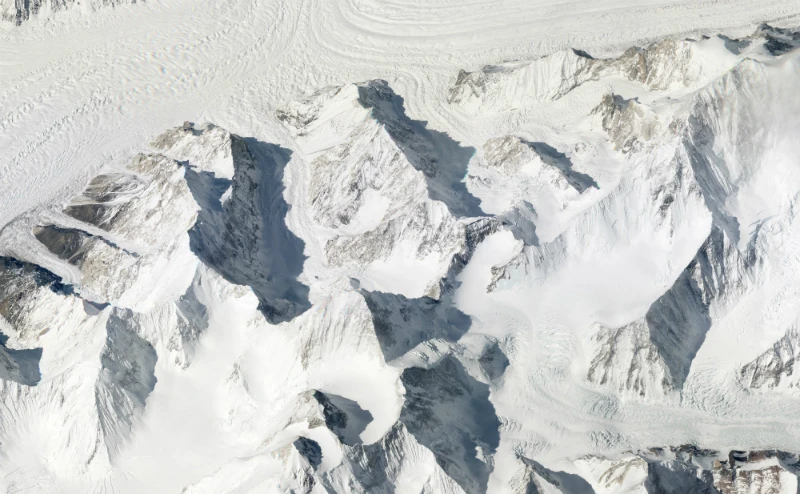
Karakoram Range, Pakistan. All three peaks are visible in the photo: Gasherbrum I (8,068 m), Broad Peak (8,047 m), and Gasherbrum II (8,035 m).
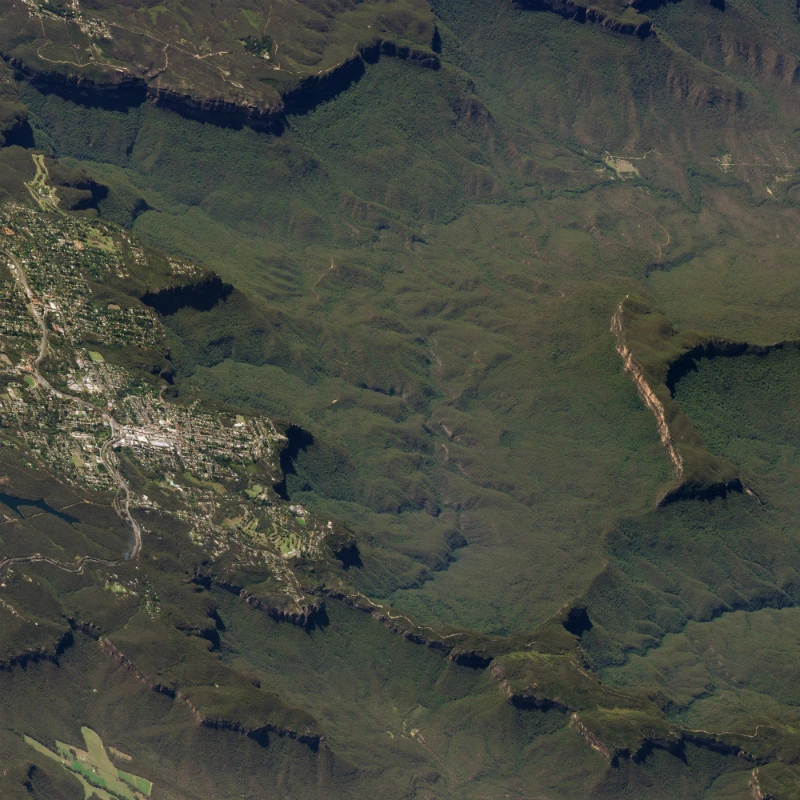
Blue Mountains, Australia.
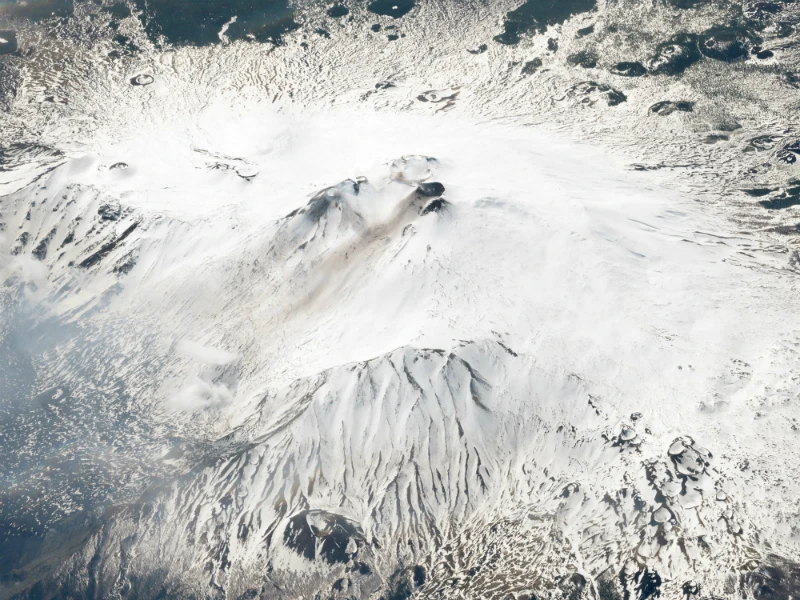
Mount Etna is the second most active volcano in the world, Italy.
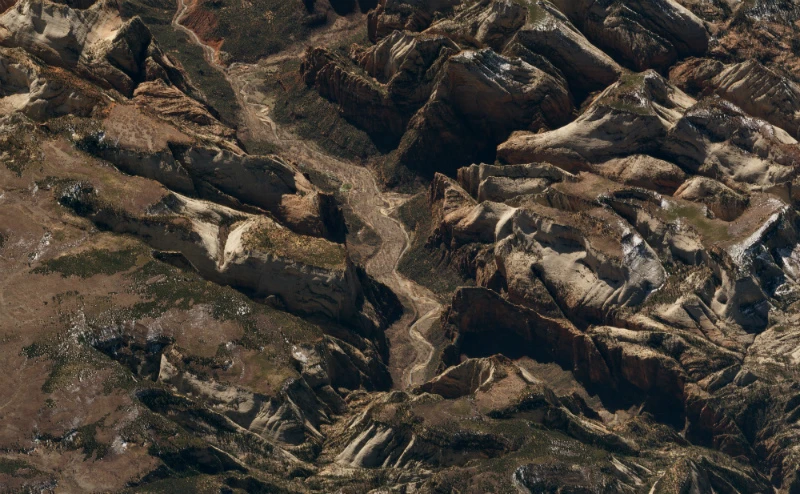
Zion National Park, Utah, USA.
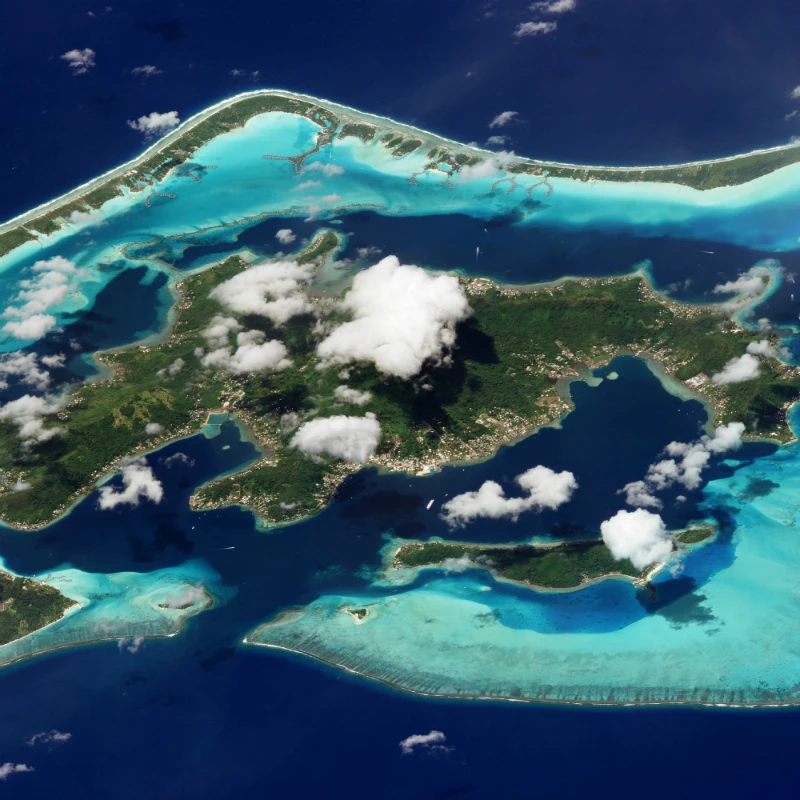
Bora Bora, Tahiti.
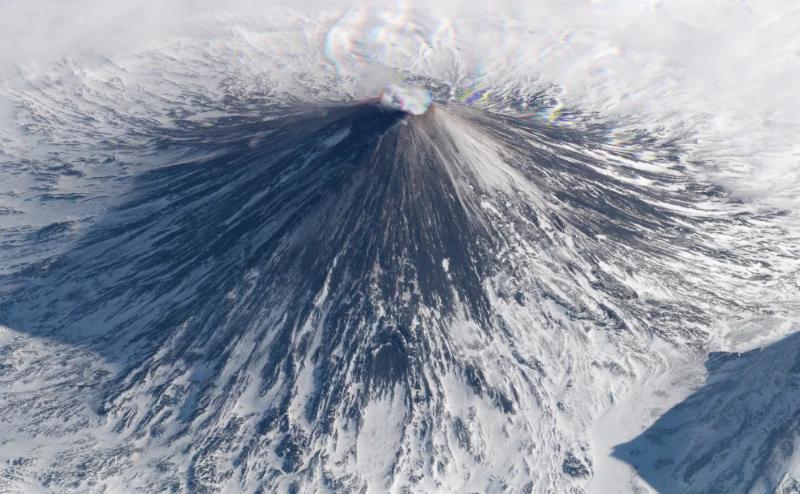
Klyuchevskaya Sopka Volcano. Flights over Kamchatka are frequently diverted due to periodic ash and gas emissions.
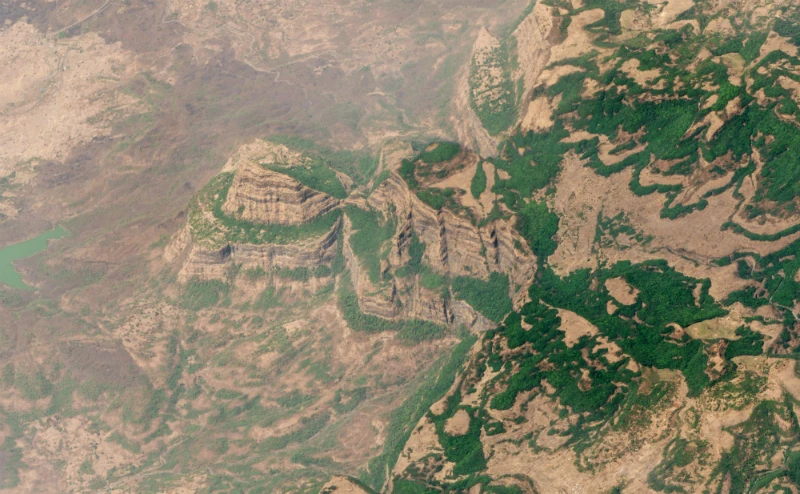
The Deccan Traps in India are one of the largest volcanic formations on Earth, consisting of basalt deposits 2,000 meters thick.

Download
Archive size 6.27 Mb, downloaded 42 times