Photographs by Gian Paolo Barbieri, Who Became World Famous for Capturing Female Beauty (19 photos)
He dreamed of becoming an actor, studied with Fellini and Visconti, and played in an amateur musical trio. But fate decreed otherwise—Gian Paolo Barbieri became one of the greatest fashion photographers of the 20th century, whose work defined the face of female beauty in fashion for decades to come. His photographs are theatrical, dramatic, and illuminated by light that transforms models into goddesses. Each frame is cinematic, with women becoming the protagonists of a visual novel. Barbieri passed away in 2024, but left behind a legacy that continues to inspire photographers worldwide. 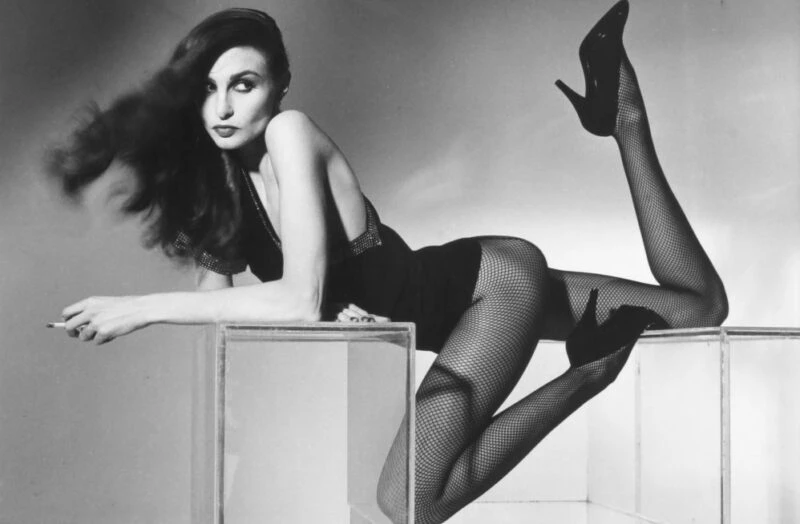
From Fabrics to Cinema
Gian Paolo Barbieri was born in Milan in 1938 to a family of fabric merchants. It would seem that his path to the fashion industry was predetermined—the family business, knowledge of materials, connections. But the young Gian Paolo was drawn to a completely different world. 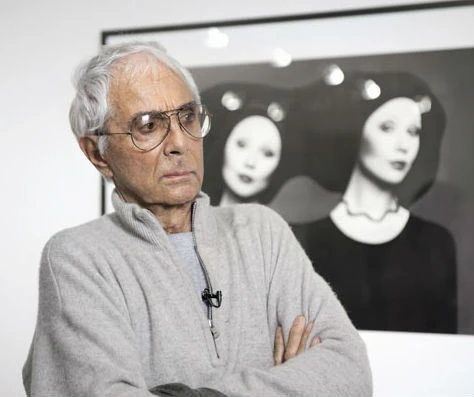
Barbieri always photographed women as film heroines—with drama and character.
As a teenager, he formed a musical group, "The Trio," with friends, dreaming of the stage and fame. Later, he became interested in theater and cinema, and received a degree in dramatic arts. Young Barbieri mingled with Italian filmmakers, worked with the legendary Luchino Visconti, and even played a small role in his film "Medea."
It seemed an acting career was just around the corner. But photography changed everything.
A chance meeting that changed his destiny
In 1964, at the age of 26, Barbieri met photographer Tom Kublin by chance. This meeting shaped the rest of his life. Gian Paolo became Kublin's assistant and experienced the world of fashion photography from the inside for the first time. 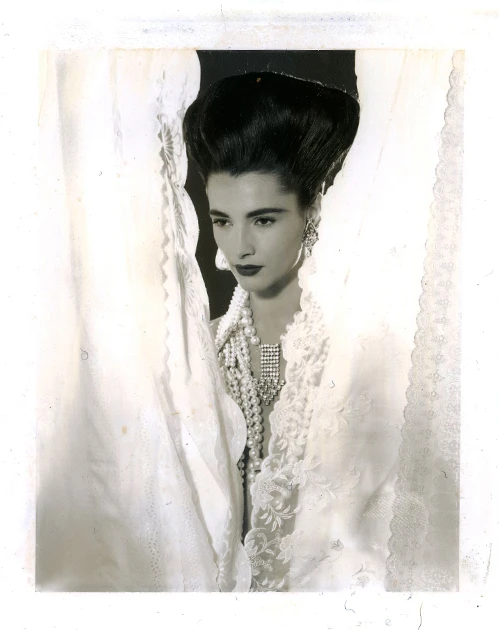

Daniela Ghione, 1986
Working with Kublin, the young assistant gained invaluable experience collaborating with the legendary fashion houses of Balenciaga and Yves Saint Laurent. He observed how iconic images are created, how light and composition transform clothing into art, and how photography tells stories.
Barbieri learned quickly. His theater training, directorial vision, and knowledge of drama and lighting all proved incredibly in demand in fashion photography.
The First Cover and a Dizzying Rise
In 1965, Condé Nast was looking for a photographer for the first issue of Italian Vogue. Barbieri, who had worked as an assistant for only a year, landed the job. He was 27 years old and a self-taught photographer.
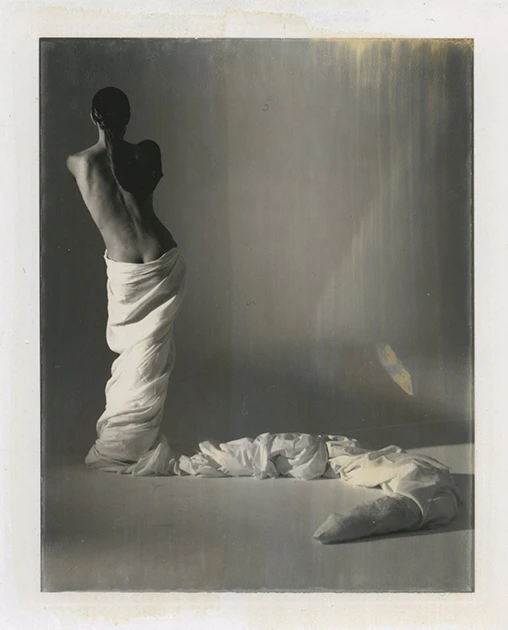
Catherine Noyes, Milan, 1986
The cover was a triumph. Barbieri handled the task brilliantly, demonstrating a unique style—cinematic, dramatic, filled with light and shadow, like film noir. Following this success, commissions began pouring in.
Leading French, German, and American publications all wanted to work with the Italian, who photographed women like movie stars. Harper's Bazaar, Vogue, Stern, Marie Claire—the list of magazines Barbieri collaborated with reads like an encyclopedia of world fashion.
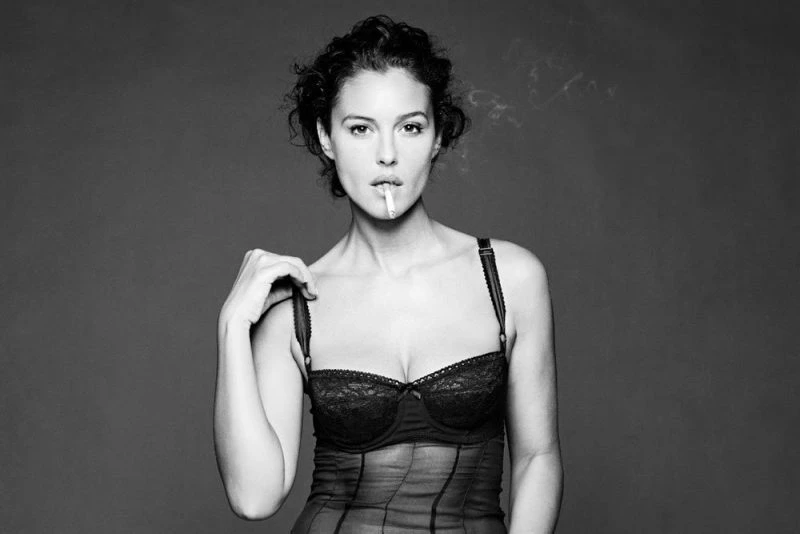
Monica Bellucci in one of Barbieri's many shoots, 2002
Collaborations with Fashion Legends
Barbieri's name became synonymous with haute couture. He worked with the greatest fashion houses of the era: Versace, Armani, Valentino, Gianfranco Ferré, and Dolce & Gabbana. For each brand, the photographer created a unique visual story while maintaining his signature style.
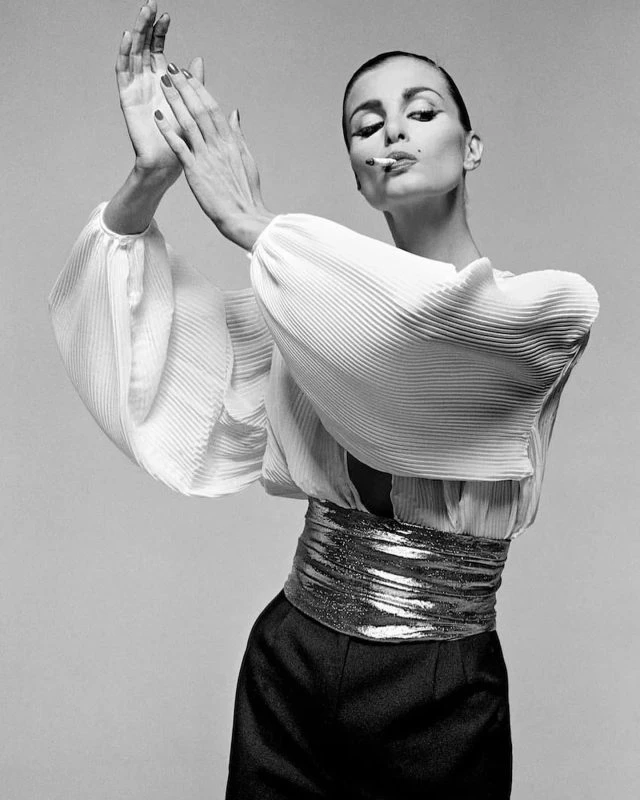
Apollonia van Ravensteen, 1980 – Barbieri's heyday
Designers valued him not only for his technical mastery but also for his ability to understand a brand's philosophy, capture the spirit of a collection, and convey it through photography. Barbieri didn't just photograph clothes – he created the image of the woman for whom those clothes were intended.
Muse, director, visionary
What set Barbieri apart from other fashion photographers? His cinematic mindset. Each shoot turned into a mini-film, where the model became the actress, and the photograph a frozen frame of drama.
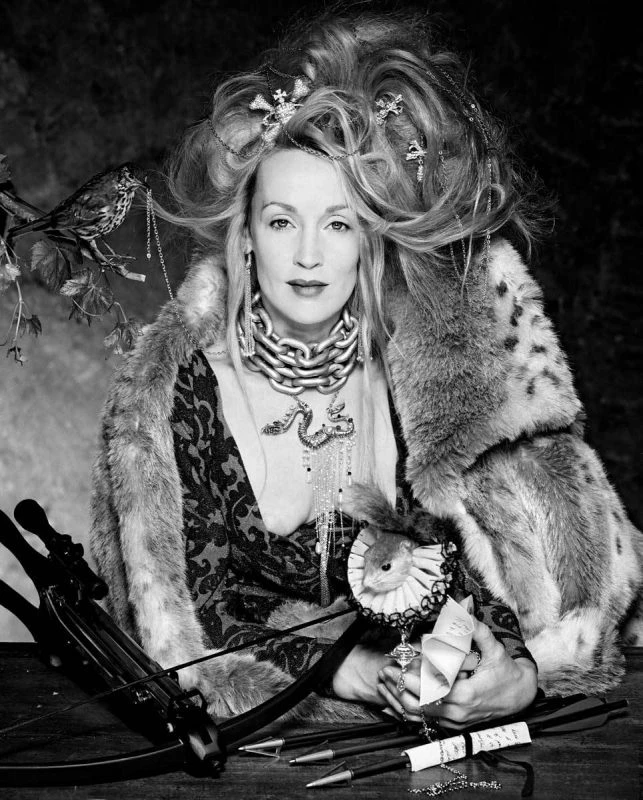
Jerry Hall, 1997 — Barbieri knew how to photograph strong women
Barbieri himself performed functions that later became distinct professions. He was a fashion stylist, a fashion editor, and a director of the shoot all rolled into one. He personally selected makeup for the models, chose locations, designed sets, hairstyles, and accessories. Every detail mattered.
The photographer would spend weeks experimenting with lighting, achieving the exact effect he saw in American film noir. Dramatic light, transforming an ordinary woman into a femme fatale, was his signature style.
Legendary Portraits of Icons
Barbieri is credited with some of the best portraits of the greatest women of the era. Monica Bellucci, with whom he worked for decades and created hundreds of iconic images. Audrey Hepburn in one of her final photo shoots. Sophia Loren at the height of her fame. Veruschka, Mirella Pettenni, Vivienne Westwood, Jerry Hall.
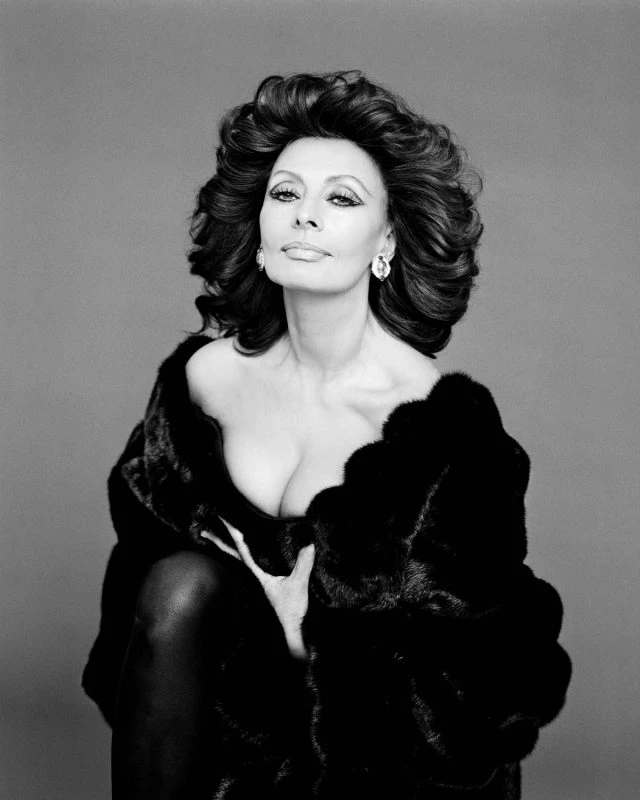
Sophia Loren, 1985 – Elegance and Drama
Each portrait is not just a photograph of a celebrity, but a revelation of character, an inner world. Barbieri saw women not as subjects, but as individuals, heroines with their own stories.
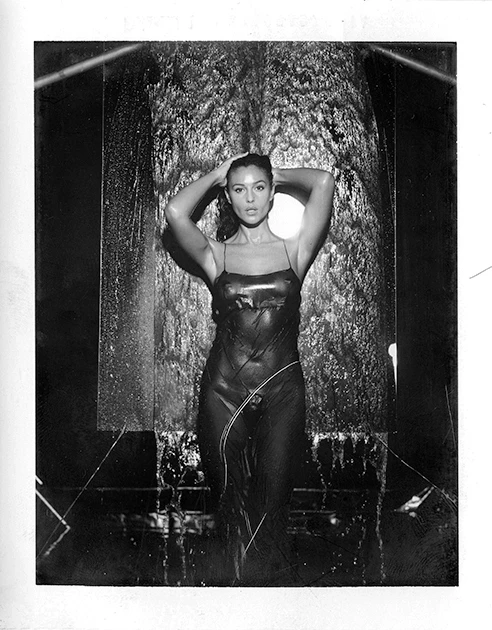
Monica Bellucci, 2000 – one of his favorite muses
Analog Fidelity in the Digital Age
Barbieri remained faithful to analog photography his entire life. Even when the fashion world completely switched to digital cameras and extensive retouching, he continued to shoot film, working with Polaroid and classic medium format cameras.
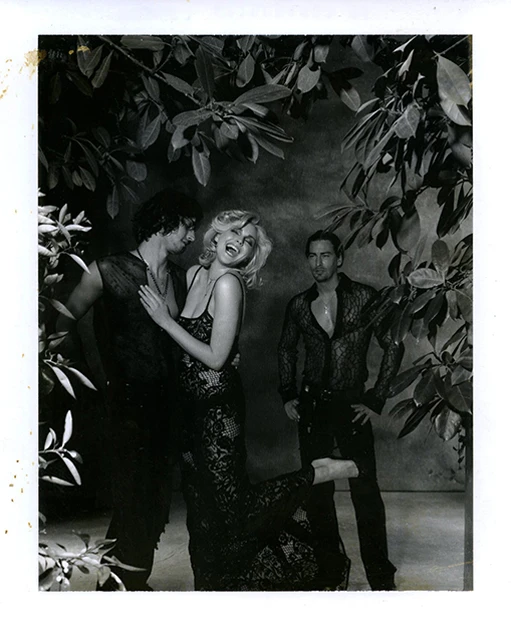
Sophie Dahl, Sébastien Andrieu, and Warren, 2002
The photographer made a point of not retouching his work, believing that true beauty requires no digital manipulation. Light, composition, and the moment—that's what creates a great photograph, not Photoshop.
This philosophy made his work especially valuable in an era when fashion photography became synonymous with total editing.
Not Just Fashion
Many don't know, but Barbieri created dozens of photo albums, and only a fraction of them are dedicated to the fashion industry. He was an avid traveler and photographed architecture, landscapes, street scenes, and nature.
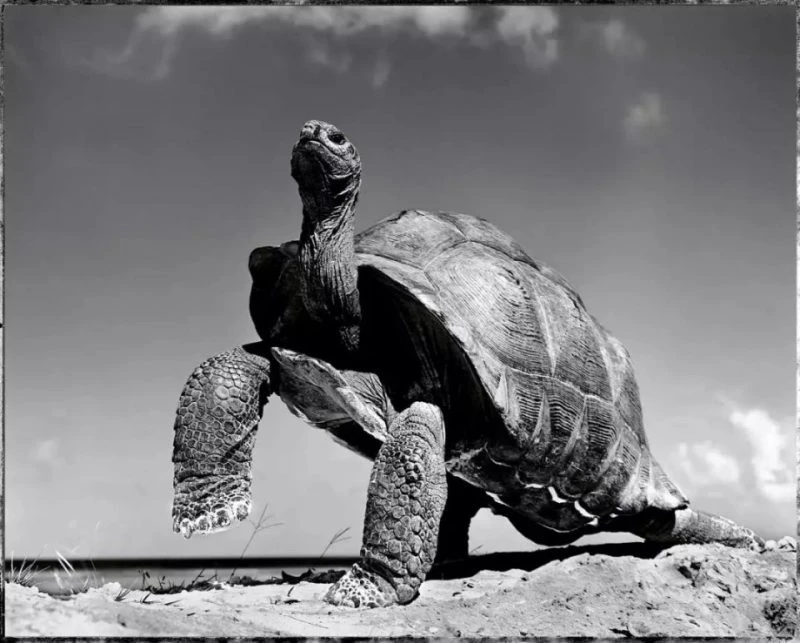
Barbieri didn't just photograph fashion—his landscapes are full of the same drama.
His albums about Madagascar, Tahiti, and African countries have become classics. Barbieri photographed the world with the same cinematic quality and attention to light as he did his studio models.
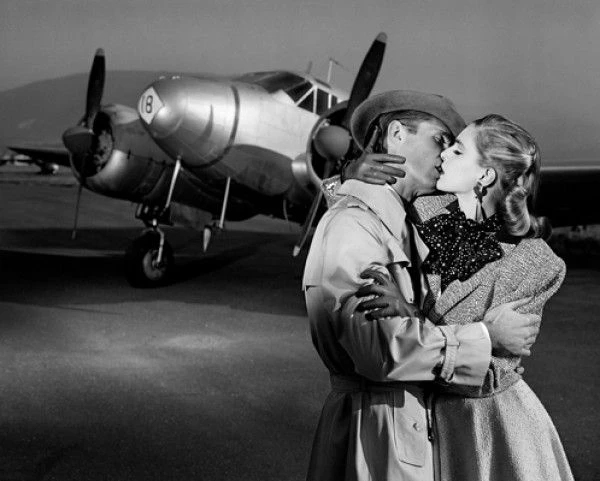
Simonetta Gianfelice, 1983
Gallery of Iconic Images
Barbieri's work is an encyclopedia of feminine beauty over the past sixty years. From the supermodels of the 1970s to today's fashion icons, he has captured several generations of women, each time discovering something new.
Monica Bellucci remained his favorite muse. For decades, they created images together that have made fashion history. Their collaboration is a separate chapter in the biography of both.
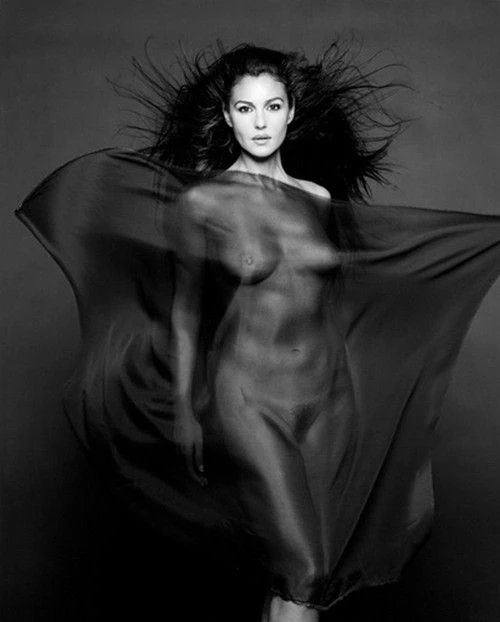
Monica Bellucci, 2000 — the epitome of Italian beauty through Barbieri's lens
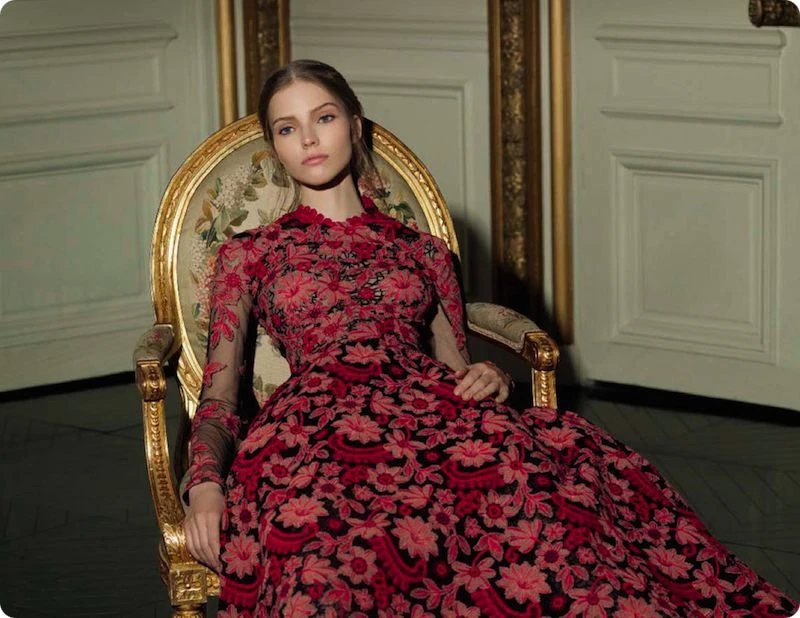
Barbieri also worked with a new generation of models. Pictured above is Sasha Luss, the new star of Luc Besson's films. The photo was taken for the Valentino Spring/Summer 2013 collection presentation.
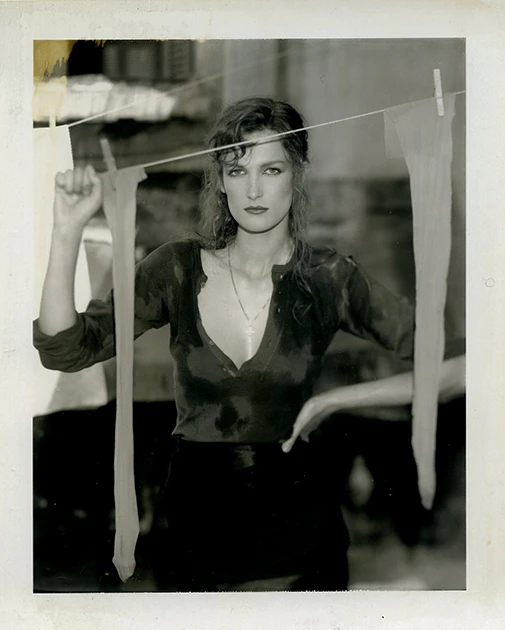
Felicitas Boch, 1982 – Eighties Elegance
The Legacy of a Master of Light
Barbieri repeatedly stated that his main source of inspiration was American film noir of the 1940s and 50s. Dramatic lighting, contrasting shadows, femme fatales in clouds of cigarette smoke – this aesthetic permeated all of his work.
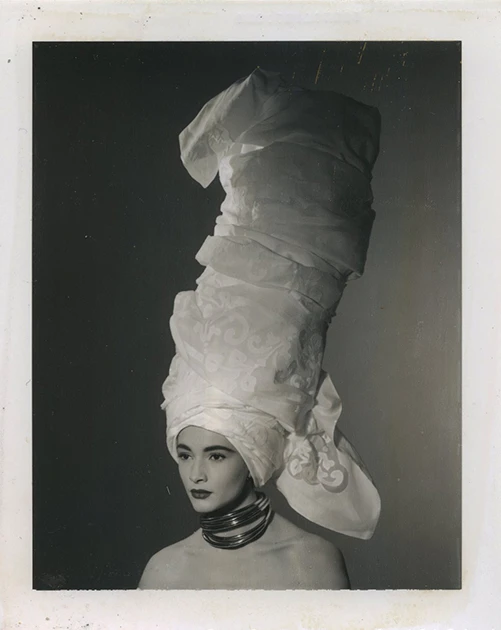
Daniela Ghione, 1986
He experimented with lighting for weeks to achieve the same effect that transformed actresses in detective films into femme fatales. Each of his photographs is a movie frozen in a single frame.
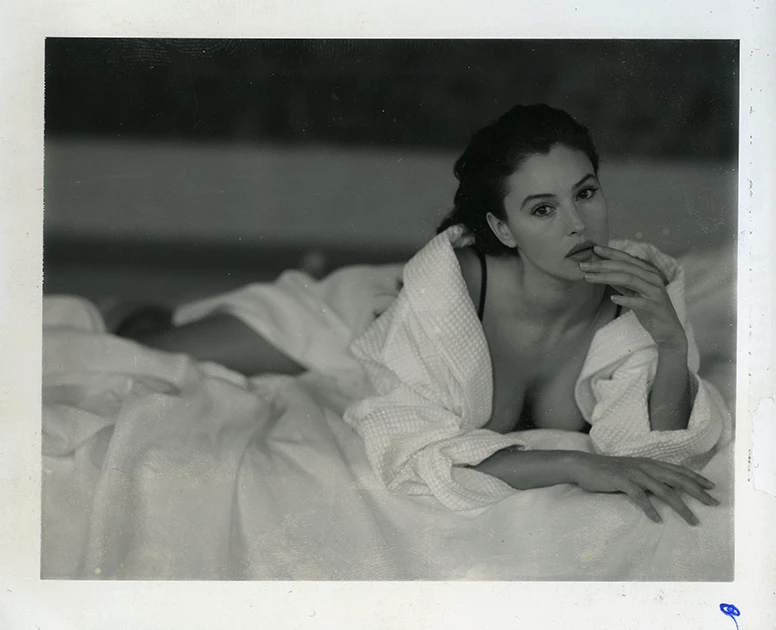
Monica Bellucci, 2000 — Sensuality and Drama
Gian Paolo Barbieri passed away in 2024 at the age of 86, leaving behind a colossal legacy. His works are exhibited in leading galleries worldwide, preserved in museum collections, and published in books on the history of photography.
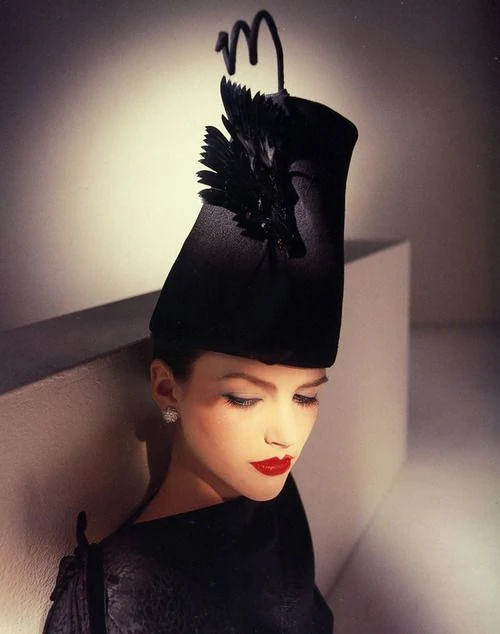
Yolanda Hadid in her youth, 1970s — the future mother of supermodels Gigi and Bella
He was a pioneer who proved that fashion photography was more than just a clothing catalog, but a true art form. He created a visual language that still speaks to this day in the fashion industry. His photographs are a benchmark for elegance, drama, and feminine beauty.
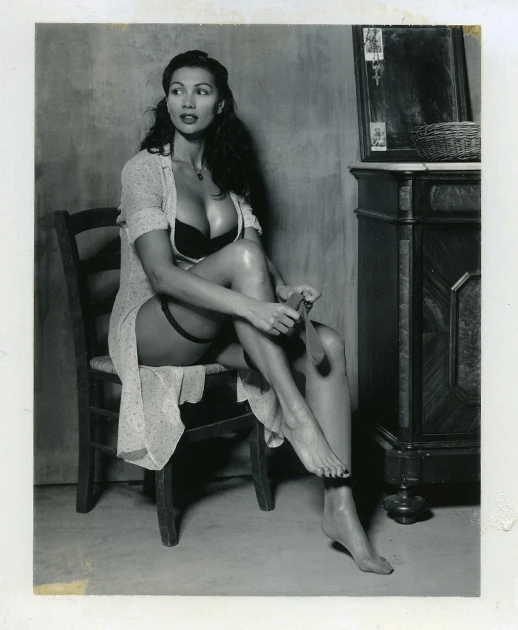
Neorealism, Milan, 2000
Barbieri photographed women as if each one were the star of her own film. And therein lies his greatness. He saw his models not as mannequins, but as heroines, personalities, goddesses. And he taught the fashion world to see them the same way.
Which of Gian Paolo Barbieri's works impressed you most?

Download
Archive size 2.03 Mb, downloaded 3 times