What Does a Taxi Driver See? A Photo Project in Which Passengers Reveal Their Stories (21 photos)
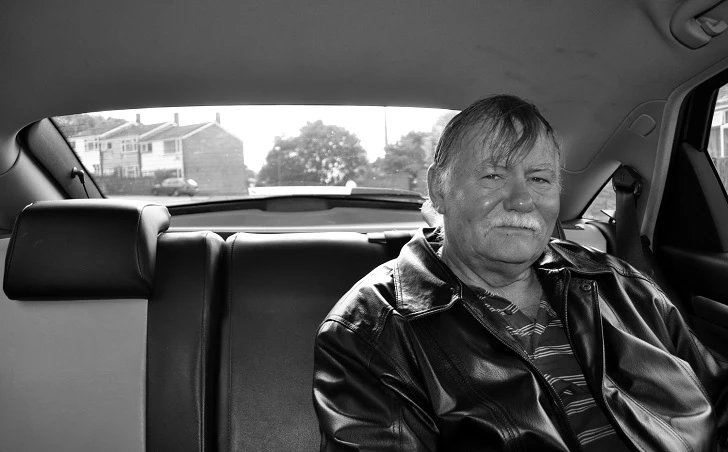
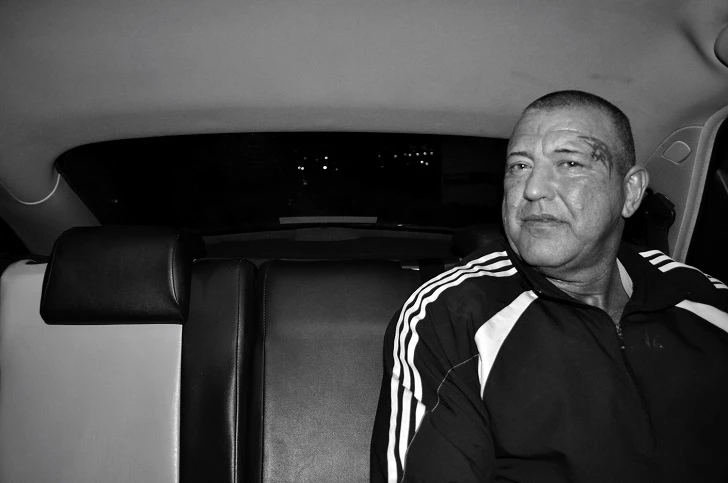
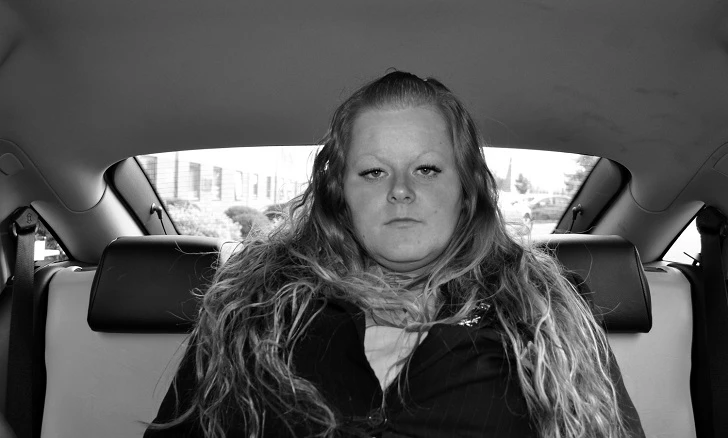
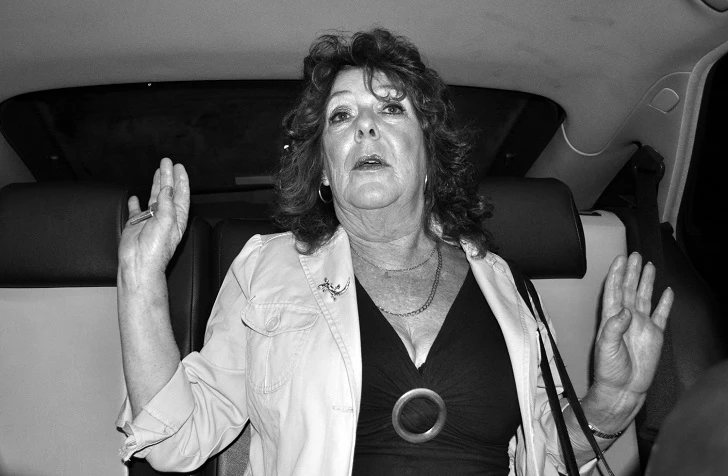
Every day, millions of people take taxis—for business, for pleasure, out of desperation, or, conversely, for new challenges. But what's left behind the scenes of these short trips? British photographer Mike Harvey decided to peer into this invisible world and created an unusual photo project in which taxi passengers themselves become the protagonists. He drove people around the city for free and photographed them in the backseat to show what a taxi driver really sees when he looks in the rearview mirror. 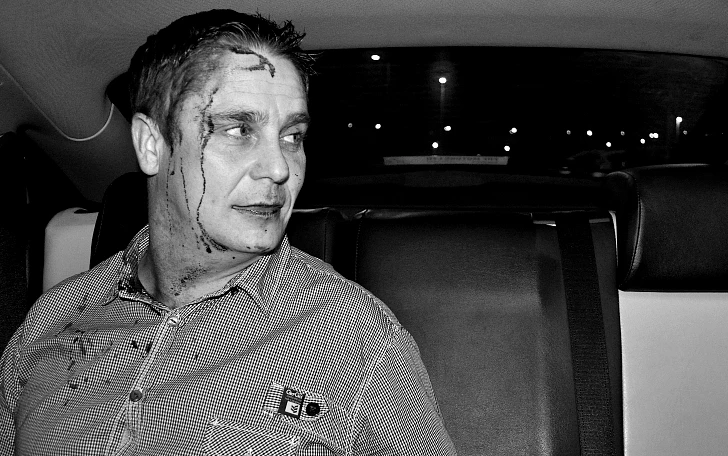
"People are the geography of emotions"
"My goal is to document the cultural and geographical use of space and place by people and their communities," says Mike Harvey himself.
Harvey's photo project is more than just a collection of portraits. It is an attempt to capture moments of genuine human vulnerability, joy, weariness, and hope that arise in one of the most neutral spaces of modern times—the car interior. There are no stages, no posing—only glass, leather seats, streetlights, and faces that reflect entire worlds. 
Each photo is like a still from a film, where the action unfolds between "from" and "to." Who are these people? Perhaps they're a family traveling for the first time since the birth of their child? Newlyweds celebrating their wedding? Or, on the contrary, a person moving away from everything they've ever lived? Harvey doesn't provide answers—he invites you to look, feel, and imagine. 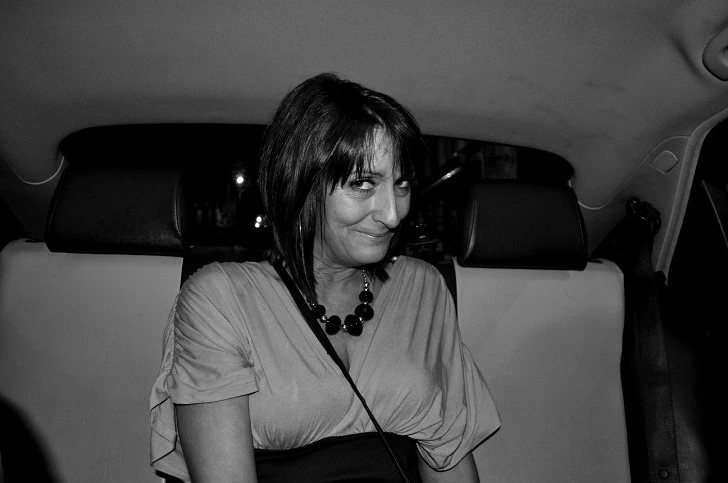

The rearview mirror as a window into the soul
Interestingly, the project was initially conceived as a study of urbanism—how people interact with the urban environment. But it quickly became clear: the main landscape is the passenger's face. In the backseat, the masks of everyday life are removed. The tired gaze of a mother with two children, the carefree laughter of tipsy friends, the tense silence of a couple in crisis—all this is not theater, but life in its purest form.
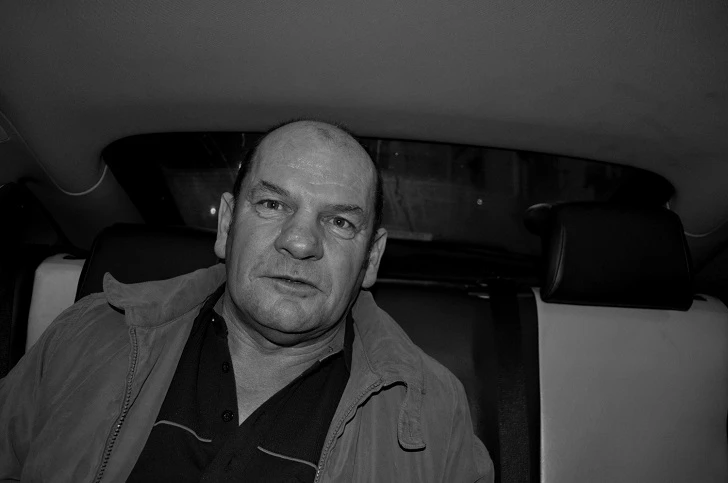
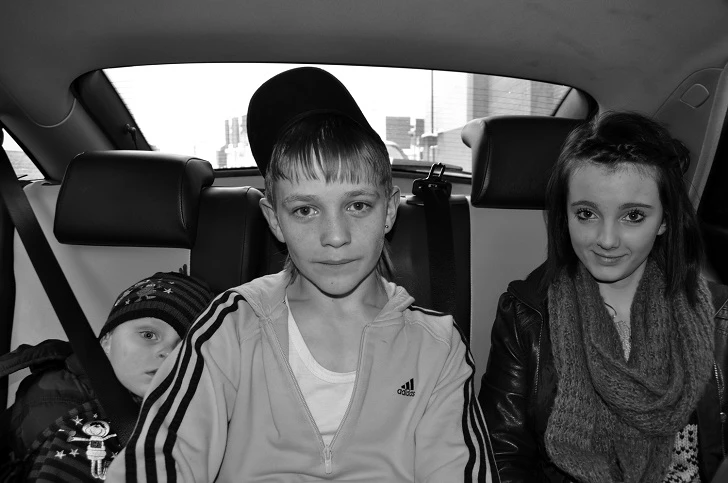
The shots of children and the elderly are especially touching—they are devoid of pretense. Little ones curled up asleep, grandmothers gesticulate as they share important messages, and men in makeup or with tattoos look out the window, as if remembering why they got into the car in the first place.
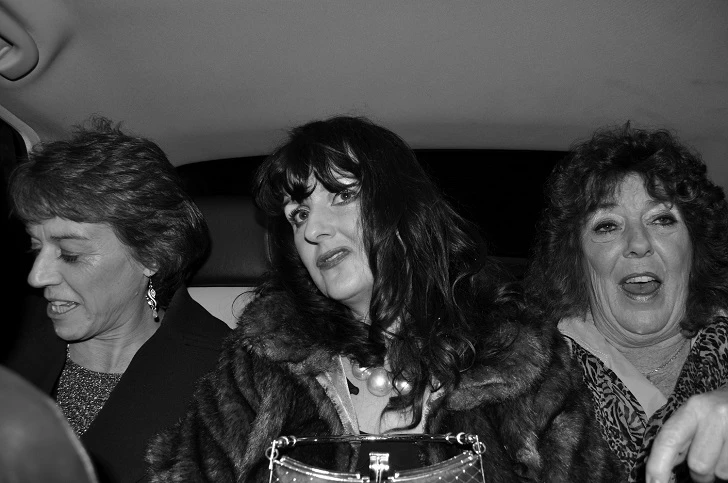
Why taxis are the perfect space for documentary photography
A taxi is one of the few public, yet intimate, spaces. Here you can cry, laugh, call your ex, or pray—and it won't seem strange. The driver is usually silent. The passenger is the temporary master of this small world. It is this atmosphere that allowed Harvey to create a series in which each photo is a mini-story, requiring no caption.
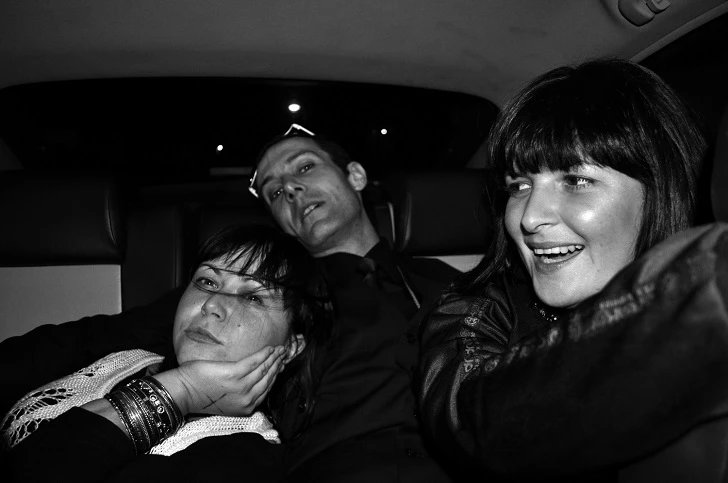
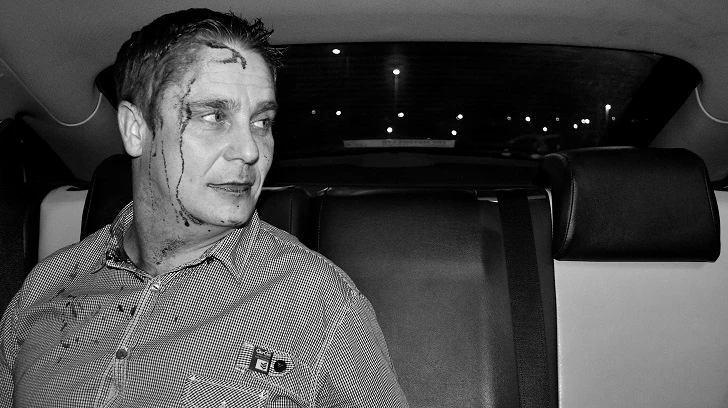
The photographer doesn't use a flash or ask you to "look at the camera"—he simply captures the moment. This makes the photographs especially valuable: they lack the staged quality that characterizes even the best portraits.
A Reflection of Society in a Car Interior
Looking at the project as a social cross-section, it becomes clear: a taxi is a microcosm of the modern city. Rich and poor, young and old, happy and depressed, sit side by side. A whole world is contained within a single car. Harvey doesn't emphasize status or appearance: he's interested in the human condition.
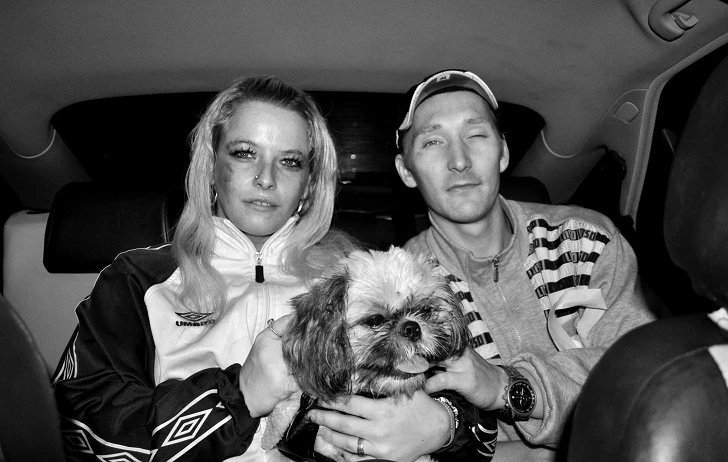
[thumb]https://cp22.nevsepic.com.ua/post/68/111_files/DSC0137b+copy.webp[/thumb]
The era is also noticeable: many of the shots feature CDs, plaid shirts, and New Year's hats. The project was created in the 2010s, and it shows. But emotions are timeless. They don't go out of date, like fashion or technology.
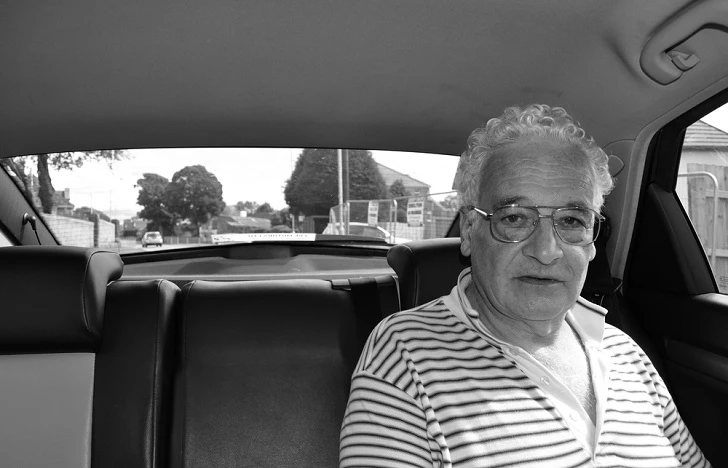
Have you ever wondered what a taxi driver remembers about you?
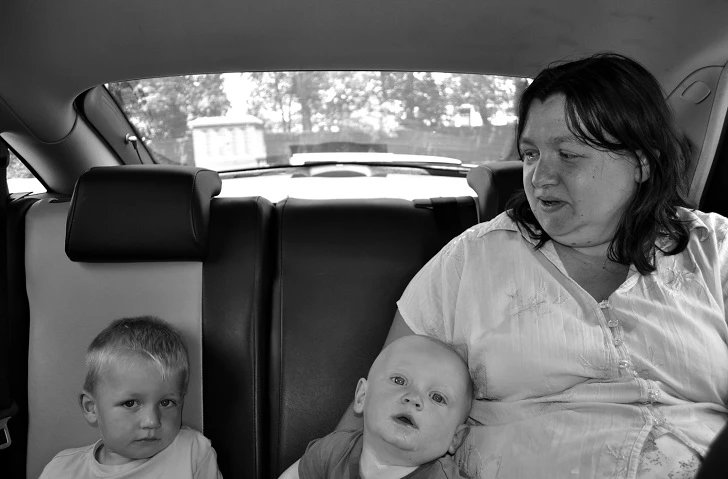
Many of us have been a passenger, but rarely stop to think: what remains in the driver's memory? A brief conversation? The scent of perfume? A tired sigh? Mike Harvey's project is a reminder that we all leave a mark, even in the most fleeting encounters.
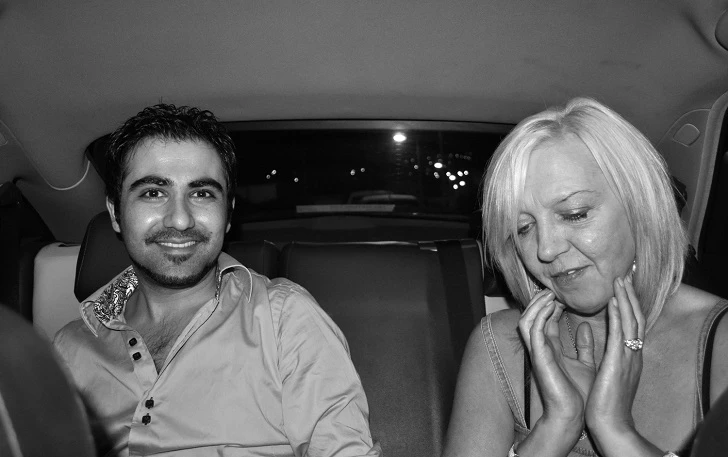
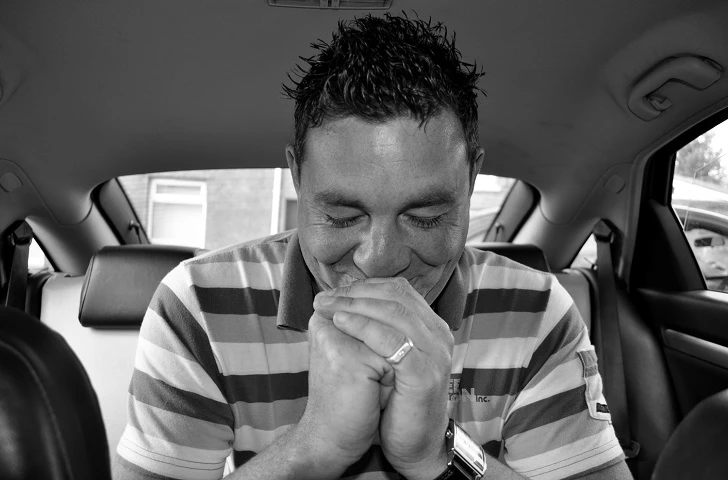
This photo project is also valuable because it's free. Harvey didn't charge any of his passengers—he paid for the rides himself. It's a gesture of respect: he wasn't exploiting people for art, but sharing his space with them.
Where to see the full series and why it's relevant today
Mike Harvey's complete series of works has been exhibited in London, New York, and Berlin. Today, in the era of Uber and Glonass tracking, when taxis have become increasingly anonymous and digital, the project is especially touching. It reminds us: behind every order, there's a person.
Interestingly, queries like "photographs of taxi passengers," "what a taxi driver sees," and "real taxi stories" consistently appear in search results. People want not just facts, but an emotional connection. This is precisely what Harvey's project provides.
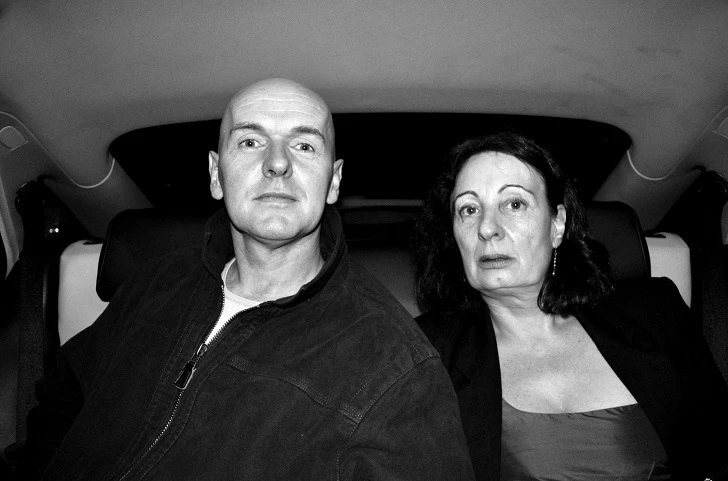
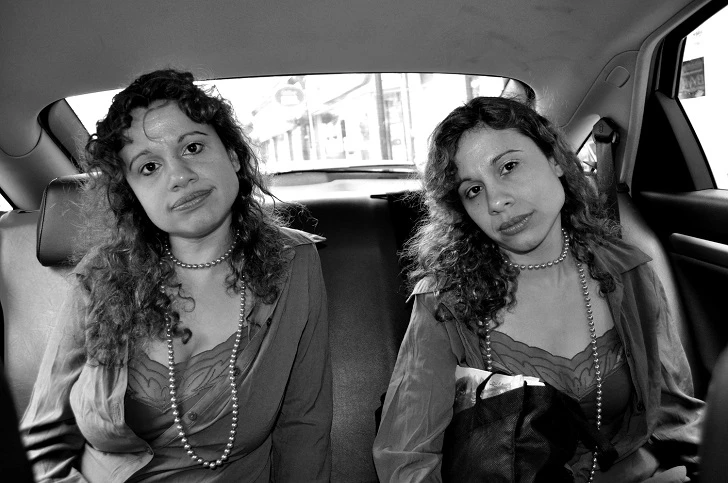
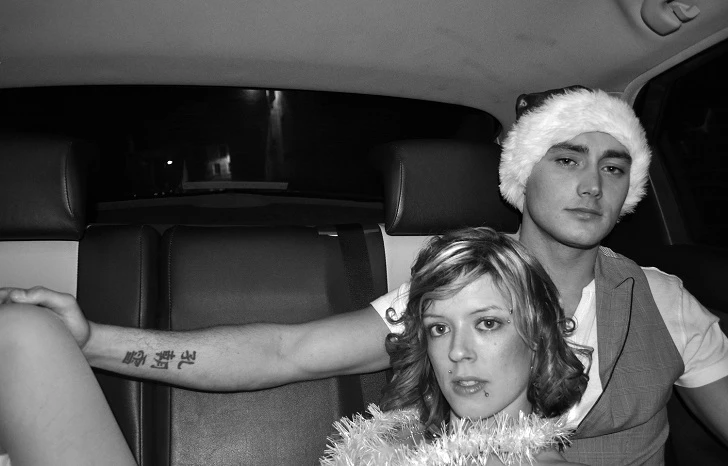
Have you ever noticed your taxi driver looking at you in the mirror? What do you think he sees?

Download
Archive size 1.96 Mb, downloaded 1 times