Moments of a Bygone Era: The Best Photos of Mario De Biasi (20 photos)
Mario De Biasi is one of the greatest Italian photographers of the 20th century, whose work became a symbol of post-war neorealism. His images captured an entire era of change, the lives of ordinary people and world celebrities. De Biasi's most famous photograph, "Italians Turning Around," has been housed in the Guggenheim Museum in New York since 1994 as one of the best photographs of the century. 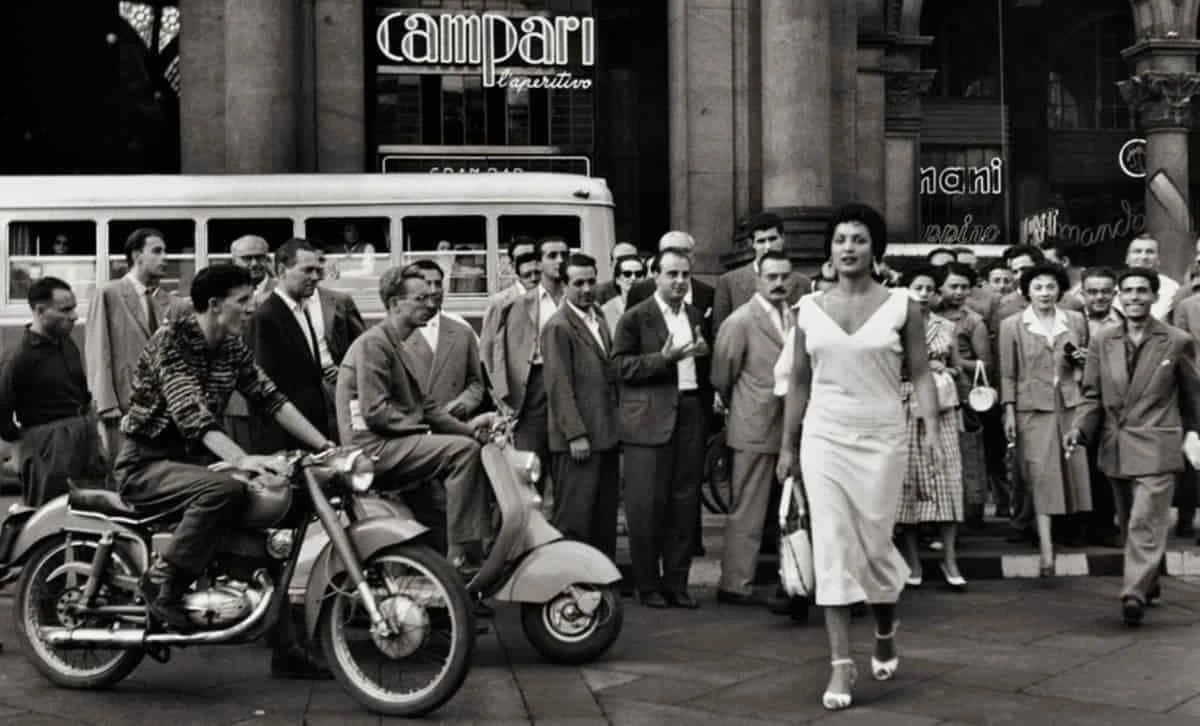
From a labor camp to worldwide fame
Mario De Biasi was born in 1923 in Belluno, near Venice. At the age of 15, his family moved to Milan. During World War II, the young man was sent to a forced labor camp near Nuremberg. While clearing the rubble of bombed-out buildings, Mario found his first camera—a discovery that would shape his entire future. 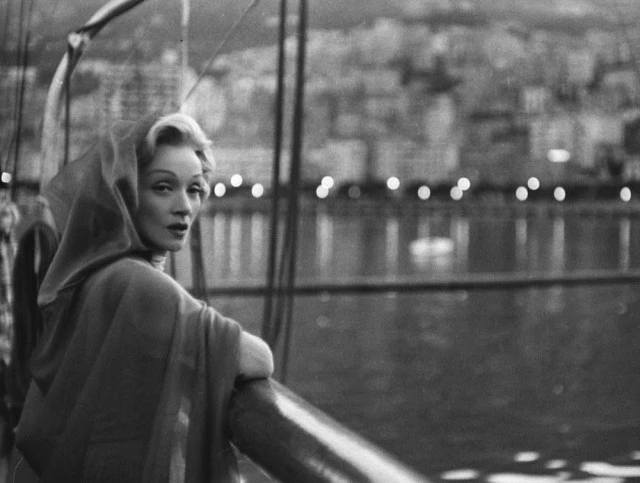
Marlene Dietrich, Monte Carlo, 1956
After the war, De Biasi returned to Milan, worked as a radio engineer, and photographed the streets in his spare time. He photographed discreetly, capturing natural, lively moments. In 1948, he had his first exhibition, after which Milanese publications began publishing his work. In 1953, Mario became a staff photographer for Epoca magazine, the Italian equivalent of Life. He dedicated 30 years to this publication, his photographs appearing in every issue and gracing the cover 130 times. 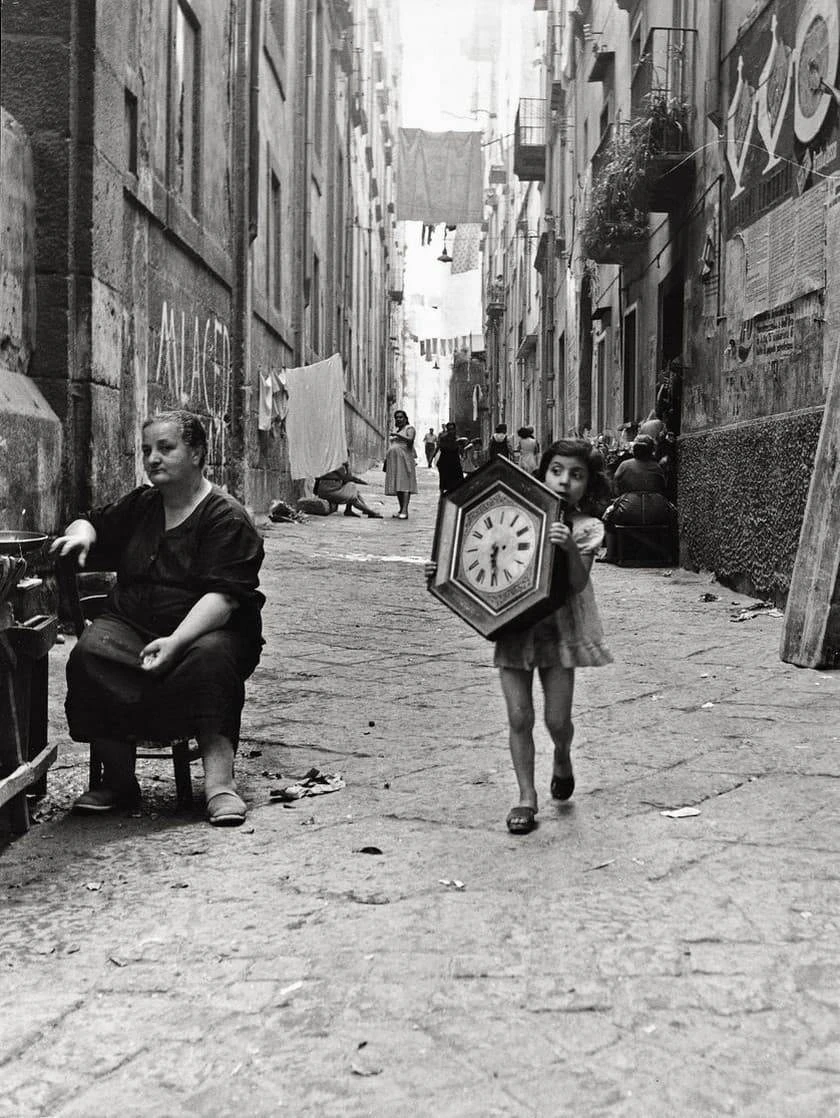

Naples, 1954
In 1954, in Milan, De Biasi took the photograph that made him famous worldwide. He captured men turning to look at the actress and Italian circus star Moira Orfei. The photograph, "Gli italiani si voltano," went down in history as a symbol of Italian temperament and later became part of the Guggenheim Museum collection.
A Mad Italian with a Camera
Working at Epoca turned De Biasi into a world-class reporter. He photographed civil wars in Africa, traveled through jungles and deserts, constantly risking his life for the perfect shot. In 1956, the photographer worked in Budapest, engulfed in rebellion, where he suffered a shrapnel wound to the shoulder. Colleagues even nicknamed him "the mad Italian" for his absolute fearlessness.
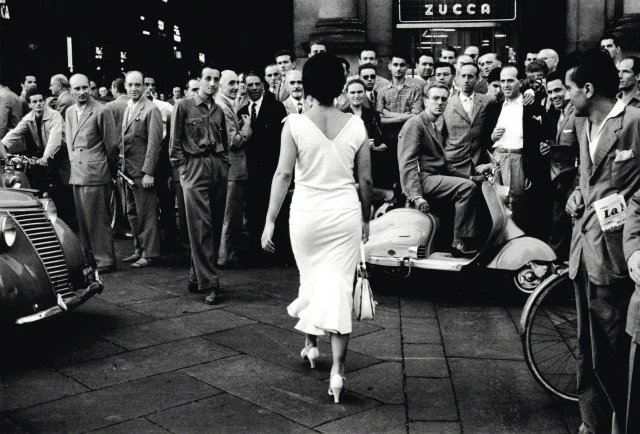
The iconic image "Italians Turning Around," Milan, 1954
In the 1960s, De Biasi went on an extended assignment across the USSR, photographing in Leningrad, Moscow, and Siberia. From Yakutsk, he flew to Central Africa, then visited India, Canada, and Japan. This trip lasted almost six months, becoming the longest of his career.
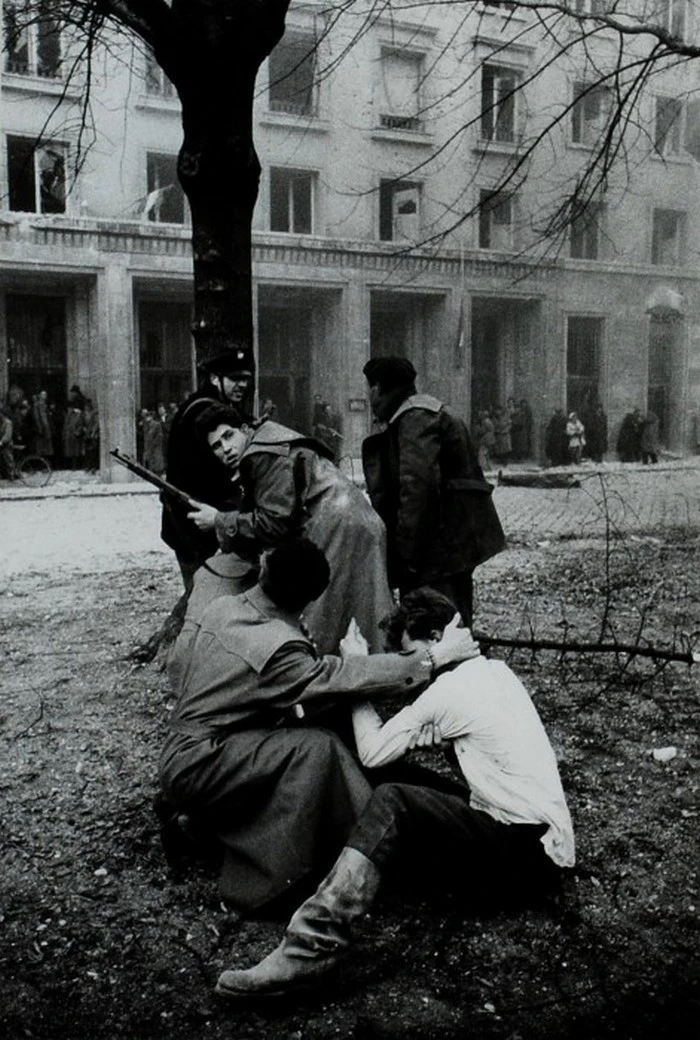
Hungarian Uprising, Budapest, 1956
During his life, Mario De Biasi published dozens of photo albums. One of the most famous is "A World of Kisses" (Un Mondo Di Baci), featuring images of kissing couples from all over the world. He photographed Marlene Dietrich, Brigitte Bardot, Sophia Loren, Claudia Cardinale, Federico Fellini, and other A-list celebrities.
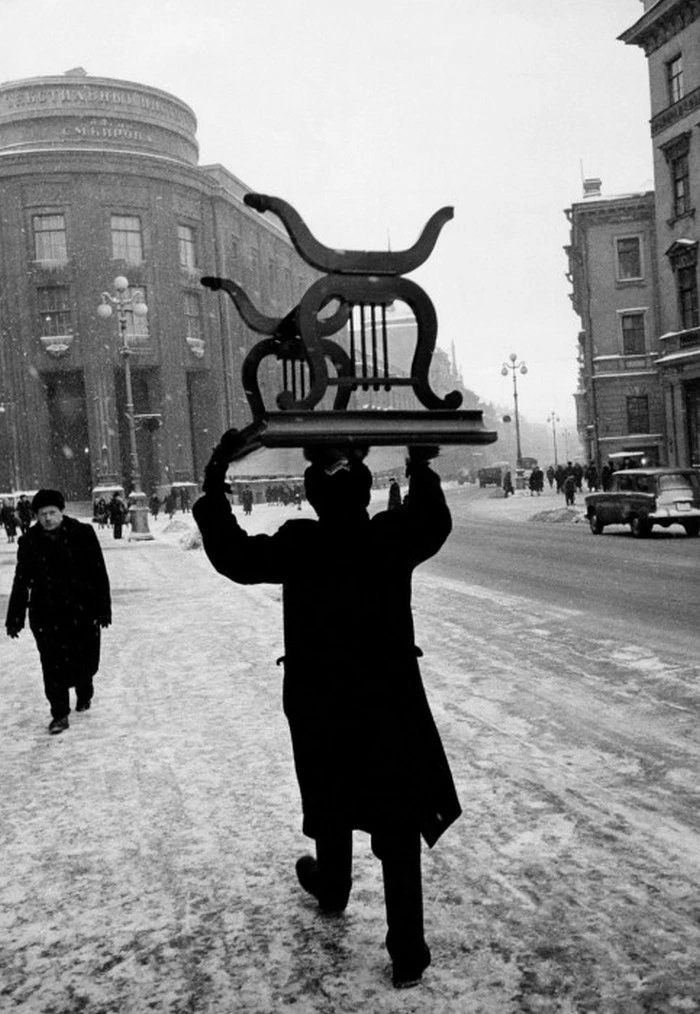
Street scene in Leningrad, 1960s
In 2006, the Milan City Council awarded the master the "Ambrogino d'oro" gold medal for his services to the city. Mario De Biasi was officially called the "Maestro" of Italian photography. This classic of reportage photography died in 2013, leaving behind a priceless legacy—an honest and emotional portrait of an entire century.
Selected Works by the Maestro
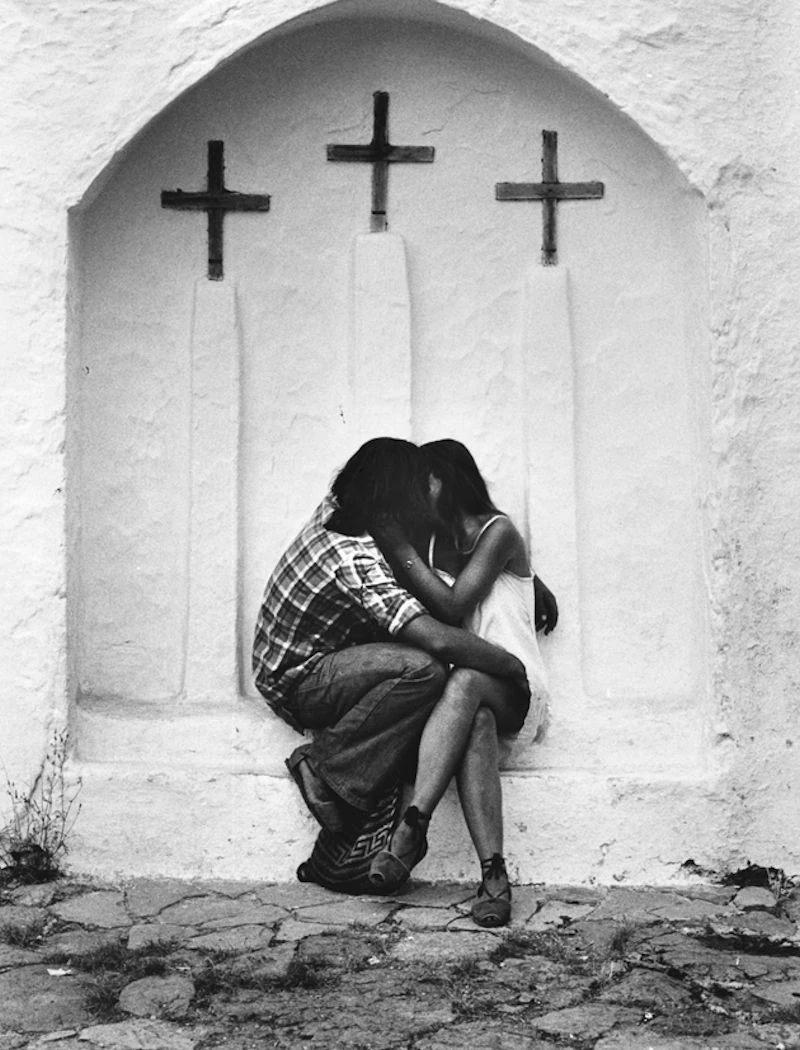
From the "World of Kisses" series, 1953
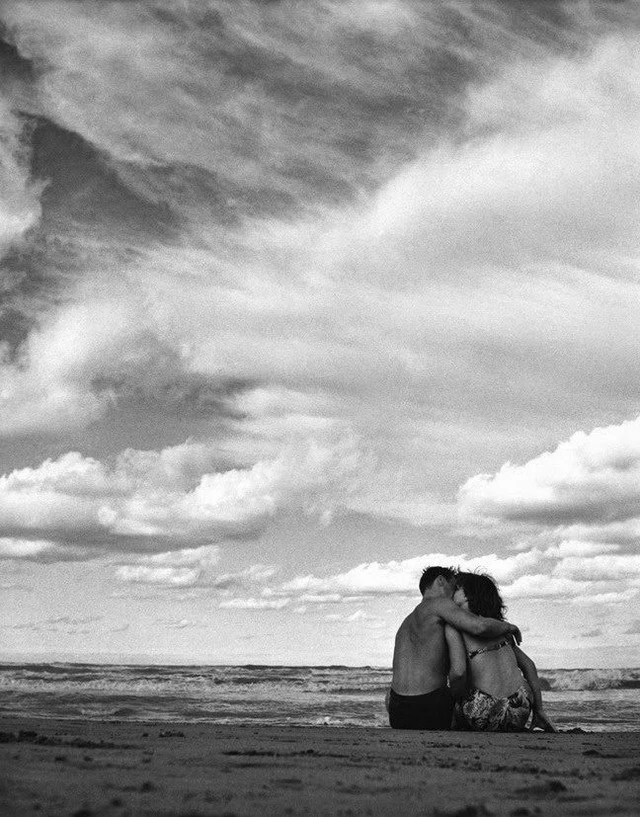
After the Storm, Ravenna, 1958
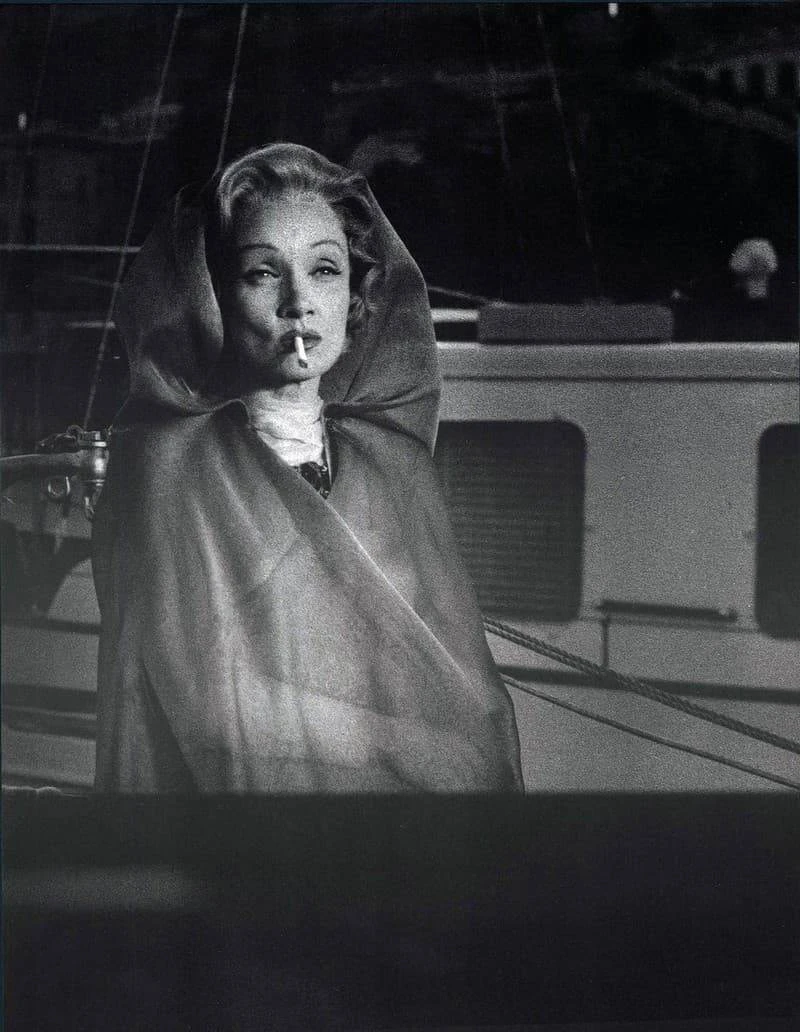
Marlene Dietrich on a Yacht, Monte Carlo, 1956
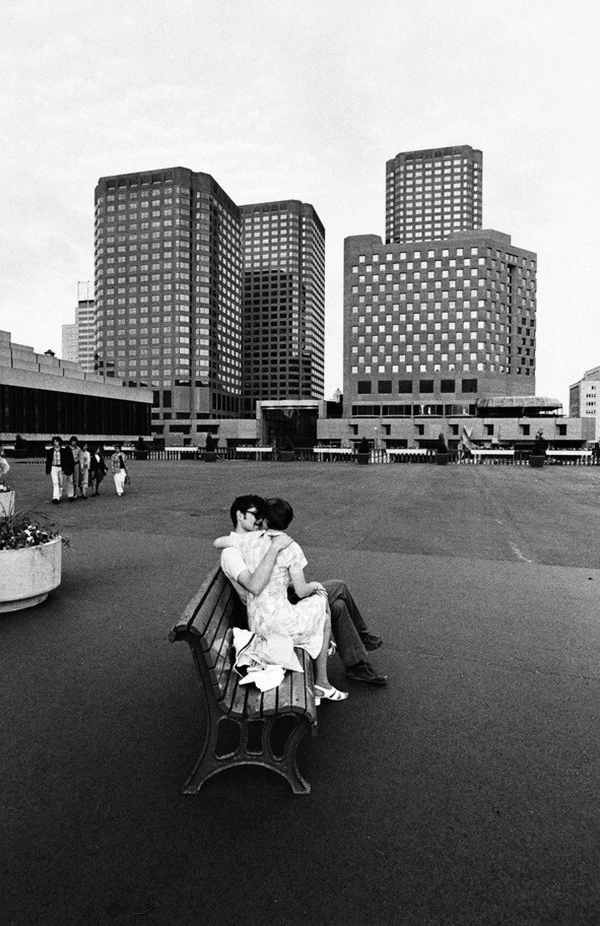
Quebec City, 1976 Year
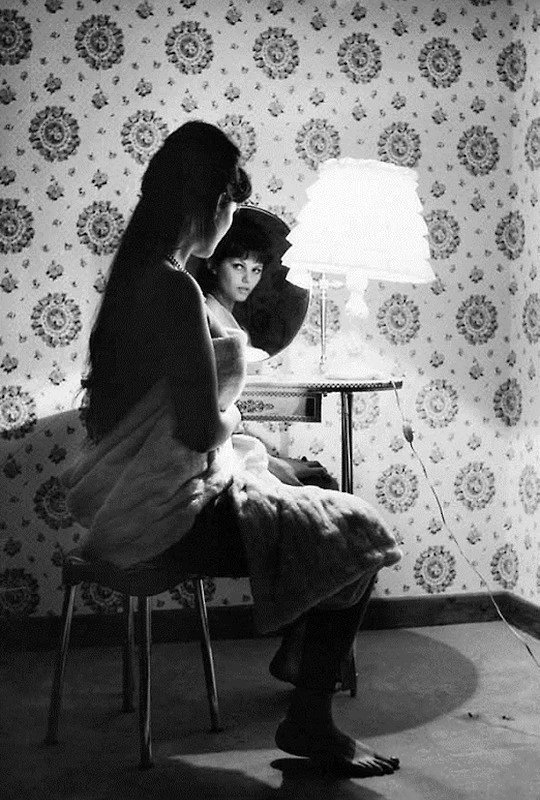
Claudia Cardinale, 1959
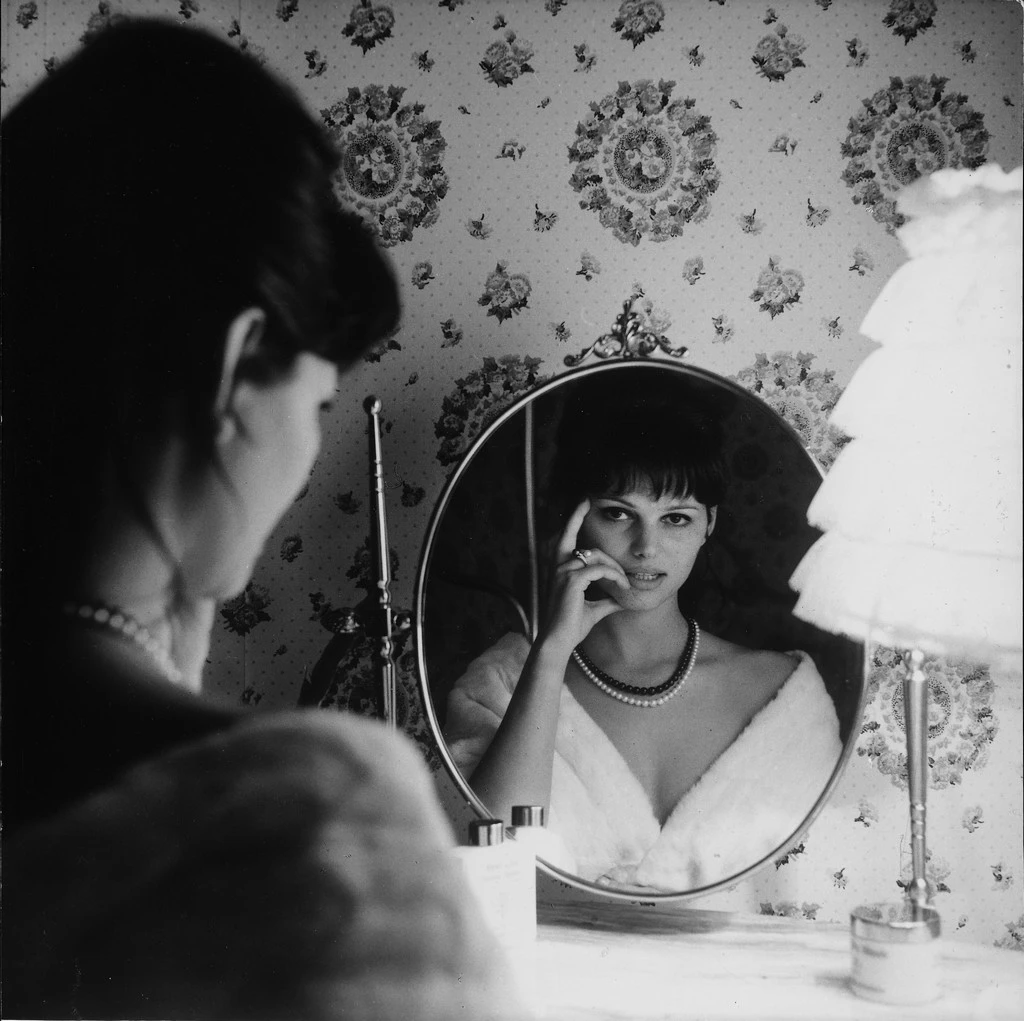
Claudia Cardinale, Rome, 1959
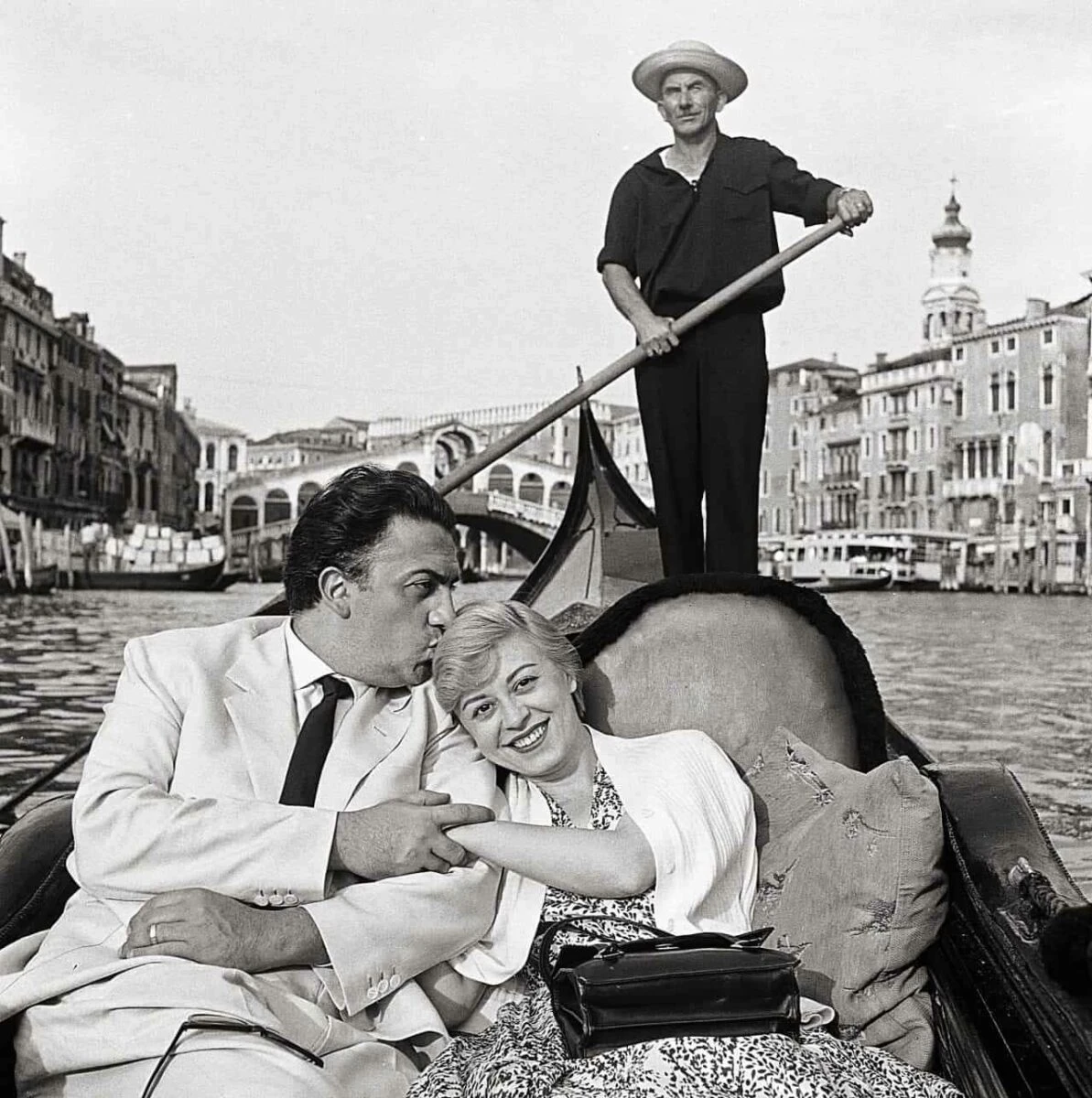
Federico Fellini and Giulietta Masina, Venice, 1955
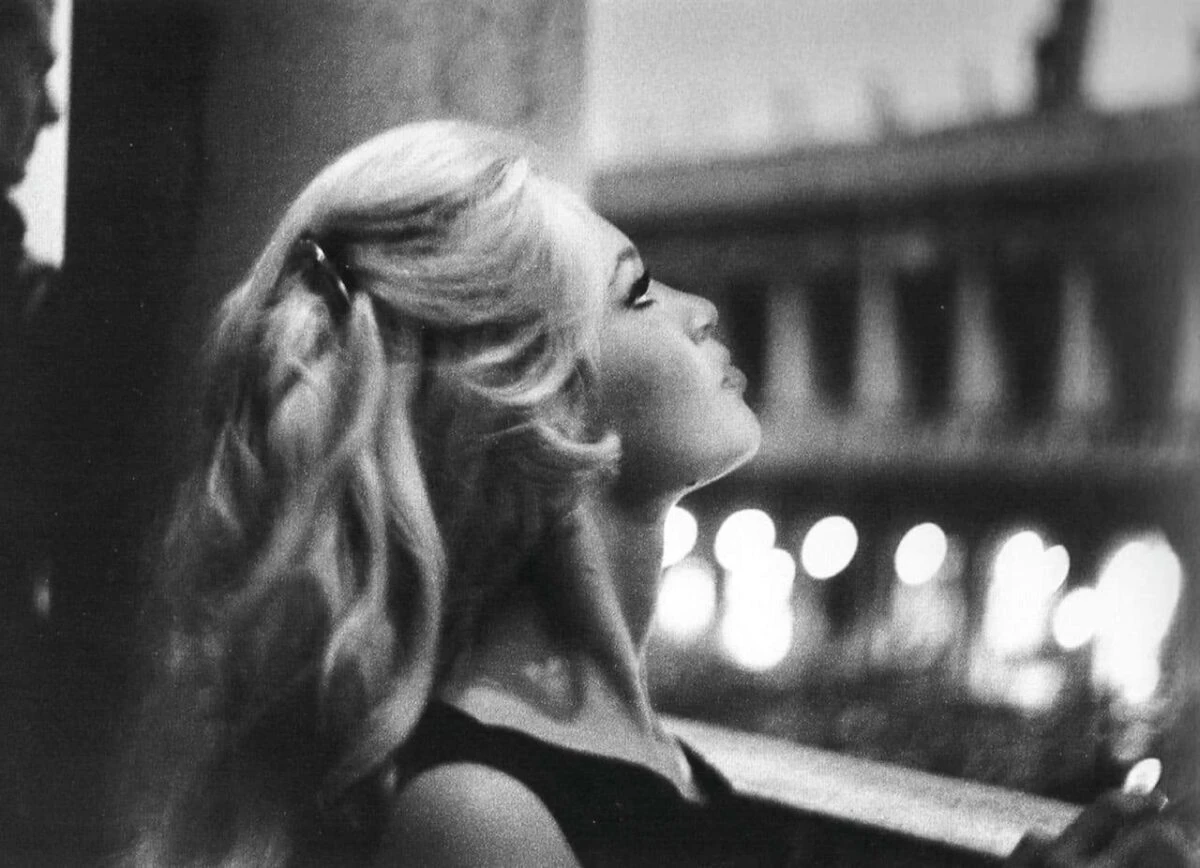
Brigitte Bardot At the Venice Film Festival, 1958
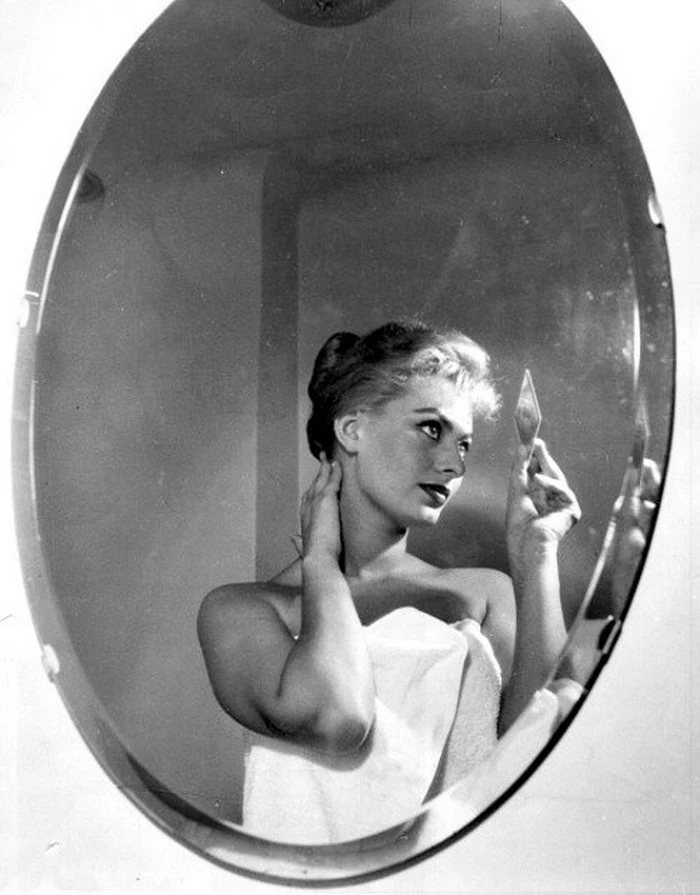
Sophia Loren, Venice, 1955
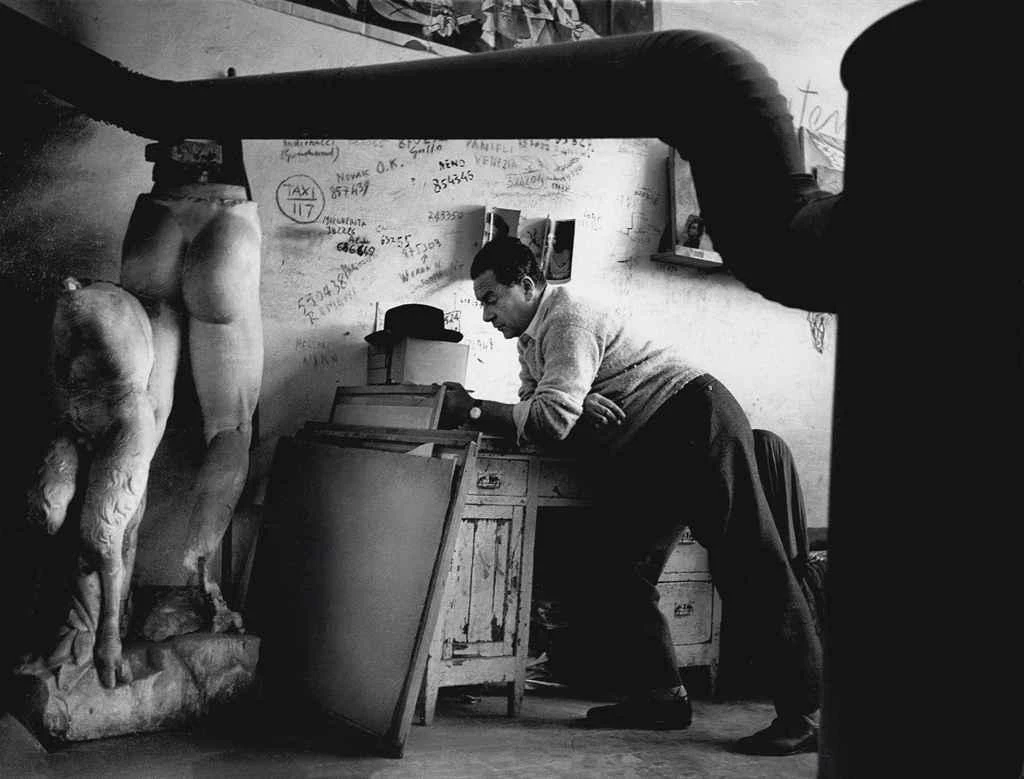
Painter and sculptor Renato Guttuso, 1960
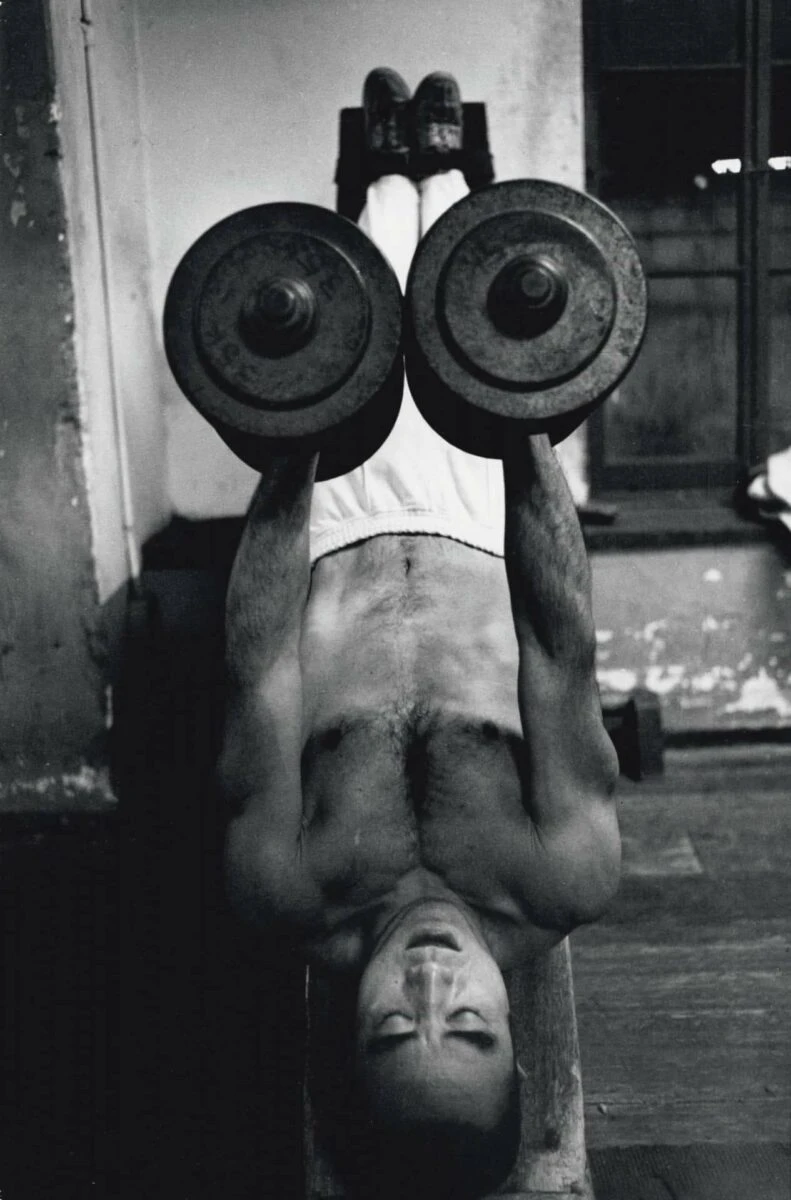
Writer Yukio Mishima, 1970 year
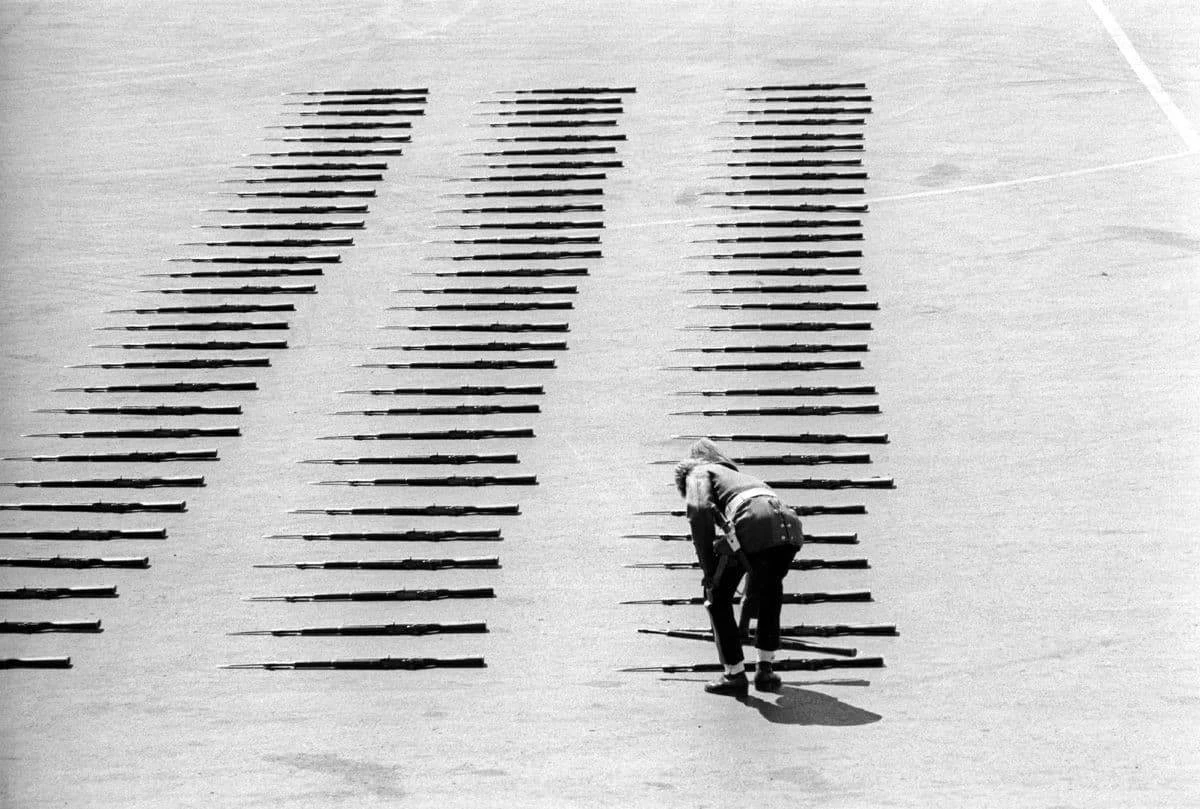
A Farewell to Arms, Addis Ababa, Ethiopia, 1966
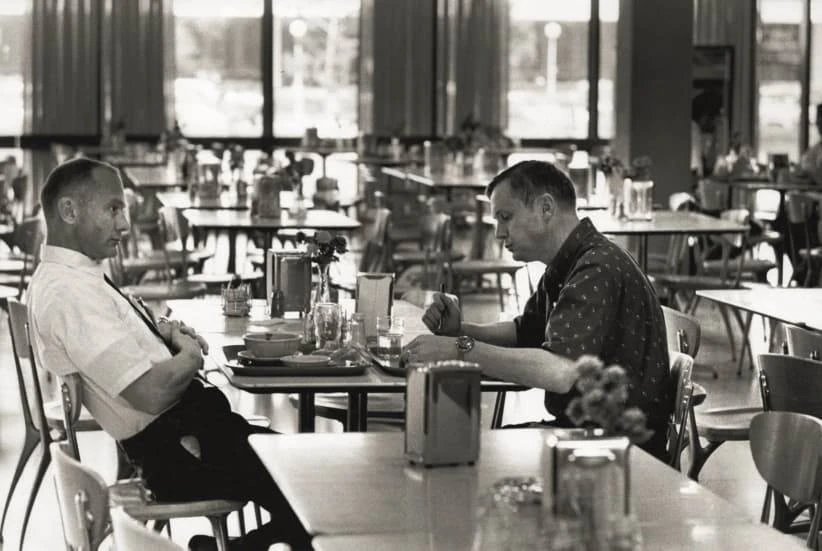
Astronauts Armstrong and Aldrin in the NASA cafeteria, Houston, 1969
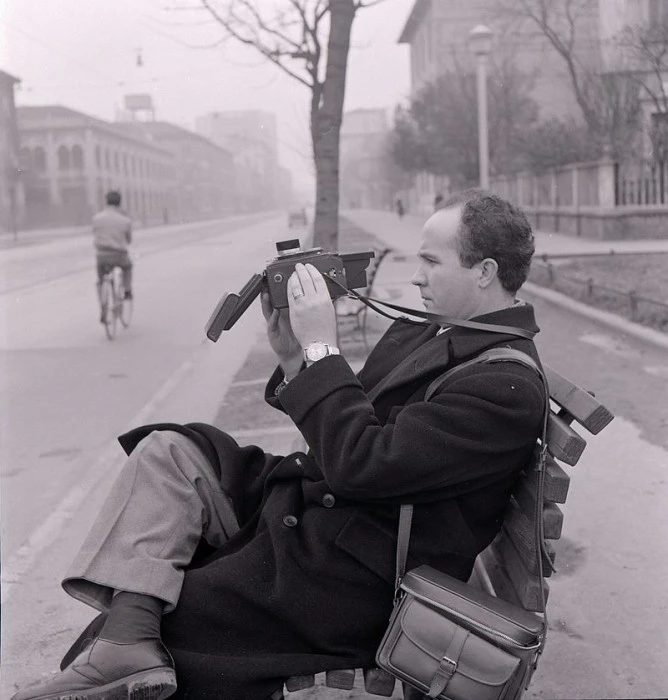
Mario De Biasi. Photo by Paolo Monti
Which of Mario De Biasi's works impressed you most—the street scenes or the celebrity portraits? Do you think contemporary photography can retain the sincerity and emotion of the masters of the last century?

Download
Archive size 2.5 Mb, downloaded 5 times