Depressive Goshiwon: How the Residents of Seoul's Cheapest Housing Live (15 photos)
Seoul is a city of skyscrapers, neon signs, and cutting-edge technology. But behind the glossy facade lies a different reality: thousands of people crammed into goshiwons—tiny rooms measuring 3-4 square meters, barely big enough for a bed and a desk. South Korean photographer Sim Kyu-dong lived in such housing for five years, documenting the lives of residents of the capital's cheapest housing. His candid images reveal the underbelly of the Korean economic miracle—a world where people pay for the privilege of sleeping in a room the size of a closet and sharing a toilet with dozens of neighbors. 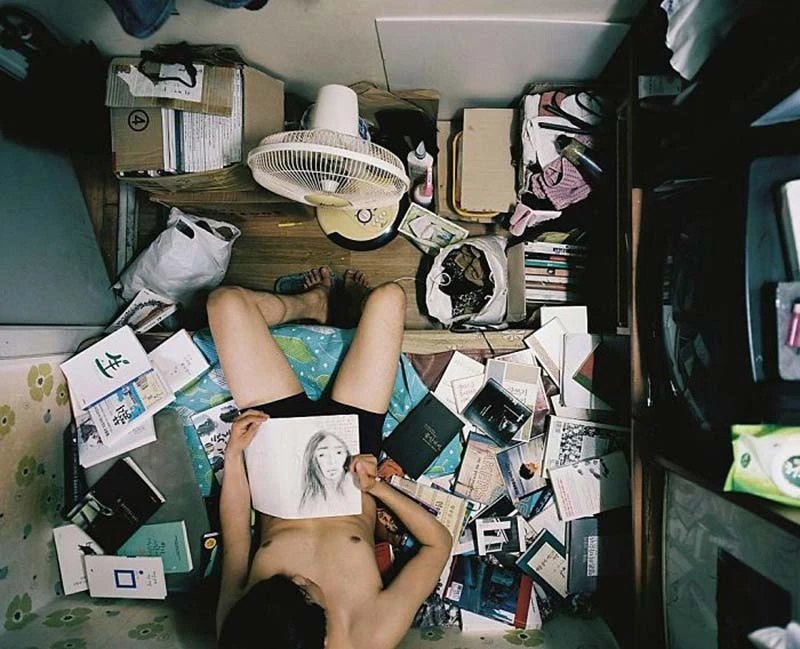
What is a goshiwon and who lives there?
Goshiwon was originally created for students preparing for exams—barrister's exams, civil service exams, or university entrance exams. Hence the name: "goshi" means exam, and "won" means room. It was intended to be temporary housing for those who came to Seoul to take important tests. But over time, goshiwons evolved into permanent shelters for poor Koreans—students, migrant workers, freelancers, and anyone who couldn't afford a standard apartment in the expensive capital.
Rooms in a goshiwon resemble dormitories: several dozen tiny spaces with shared kitchens and bathrooms. Each resident has a bed, a desk, and a closet—everything else is shared with their roommates. A goshitel is a similar type of housing, only the rooms are slightly more spacious but even more modestly furnished. In South Korea, these terms are often used interchangeably. 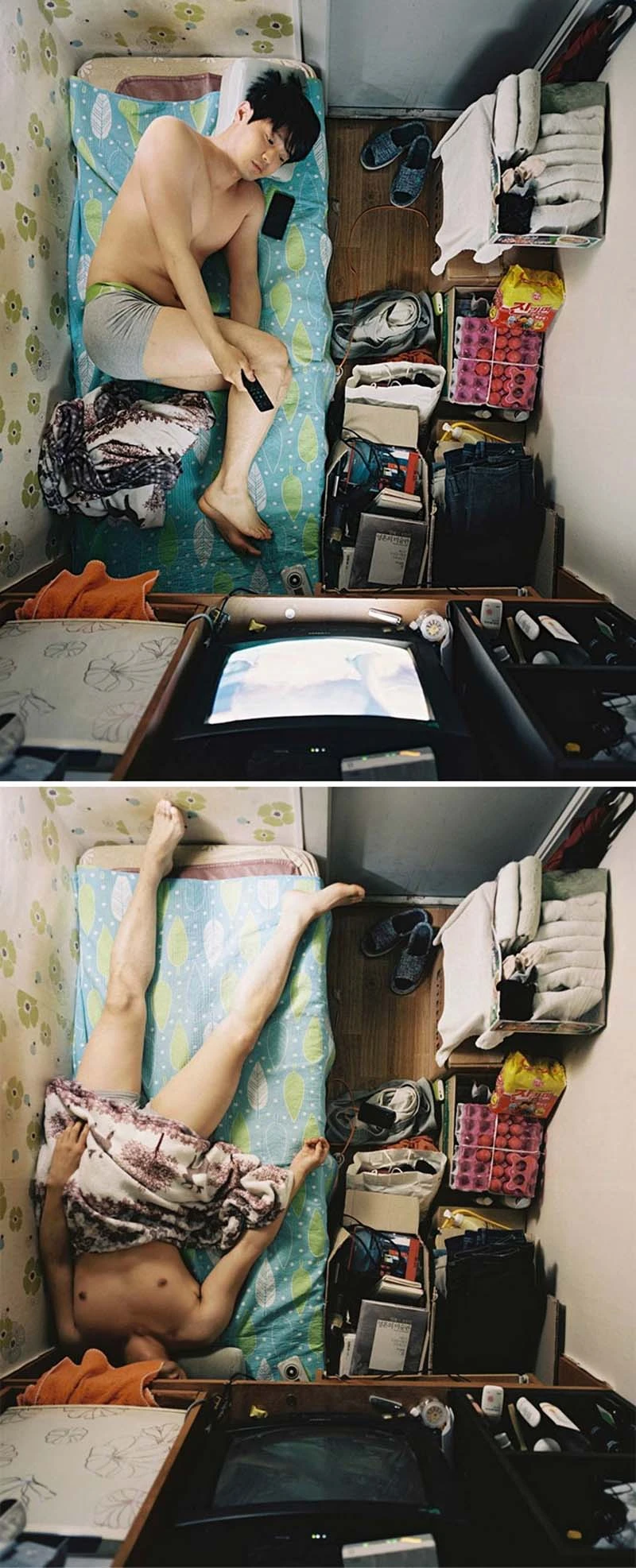
Photographer Sim Kyu-dong moved to a Seoul goshiwon from the provincial city of Gangneung when he took a job in the capital. He had little choice—rent in Seoul is exorbitant, and he paid only 220,000 won per month (about $186) for a room in a goshiwon. The main advantage is that he doesn't have to pay a deposit or utilities. Monthly rent may vary depending on the neighborhood, but a goshiwon remains the most affordable option for those arriving in Seoul on a budget.
Sim lived in a goshiwon in the Sillim-dong neighborhood for about five years. It was there that he decided to capture this world—cramped, depressing, but honest in its own way.
Life in a Box: Depression as a Norm 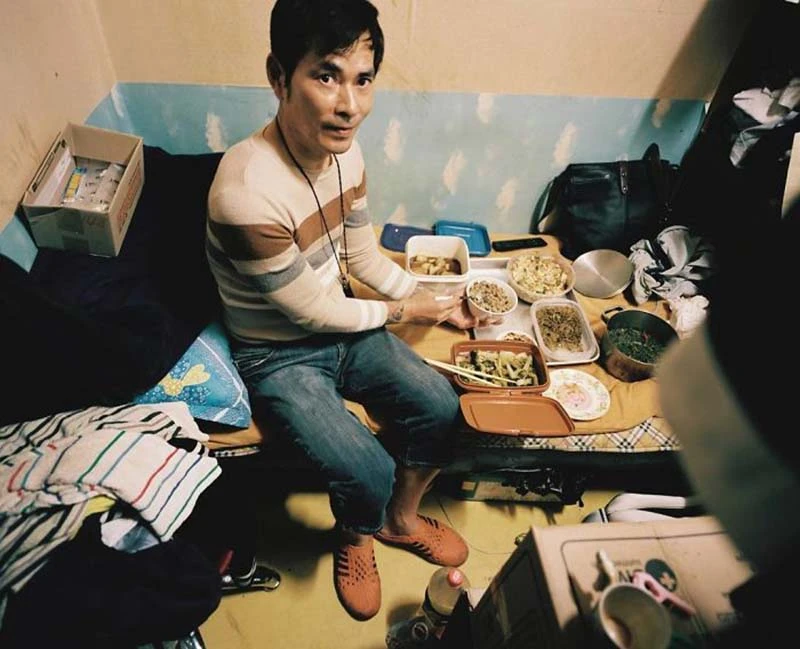

The quality of life in a goshiwon leaves much to be desired, even if it technically has everything you need. The rooms are so small that you can only get out of bed sideways. There are often no windows—many goshiwons are located in basements or the interiors of buildings. There's no soundproofing: you can hear everything going on in your neighbors' homes. Shared toilets and showers are constantly occupied or dirty.
It's no wonder that many residents of such places, including Sim himself, become depressed. The constant sense of temporariness, the lack of privacy, the lack of personal space—all of this weighs heavily on them.
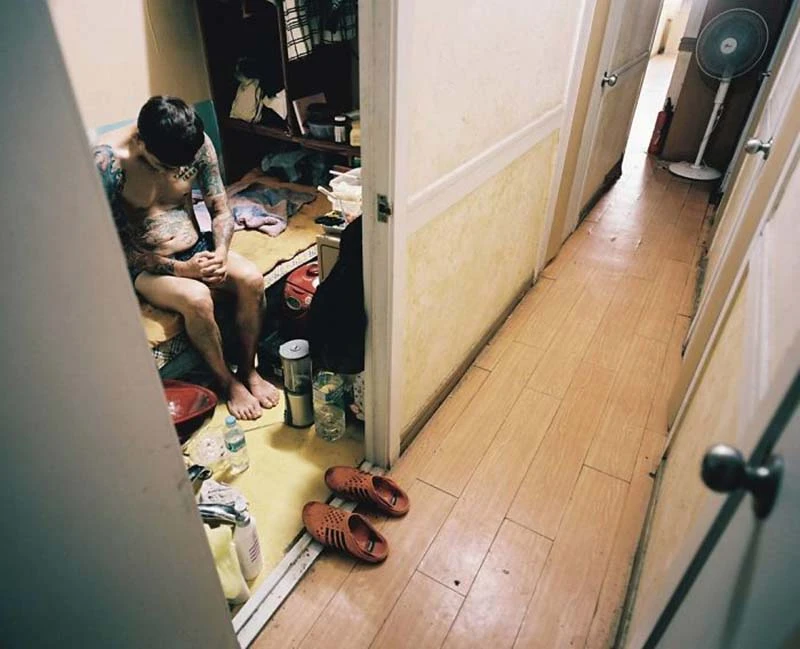
When Sim told friends he lived in a goshiwon, they constantly asked him, "What exam are you preparing for?" This question always left the photographer with an uneasy feeling. People implied that the place where he lived was not quite normal, that it was a temporary measure before something more serious.
It was then that Sim decided to show goshiwon through photography. He believed that if the public learned about this reality, it would have a profound impact on those living in similar conditions. His photographs were meant to give a voice to people overlooked in prosperous Korea.
From Healthcare Worker to Photographer: Sim's Story
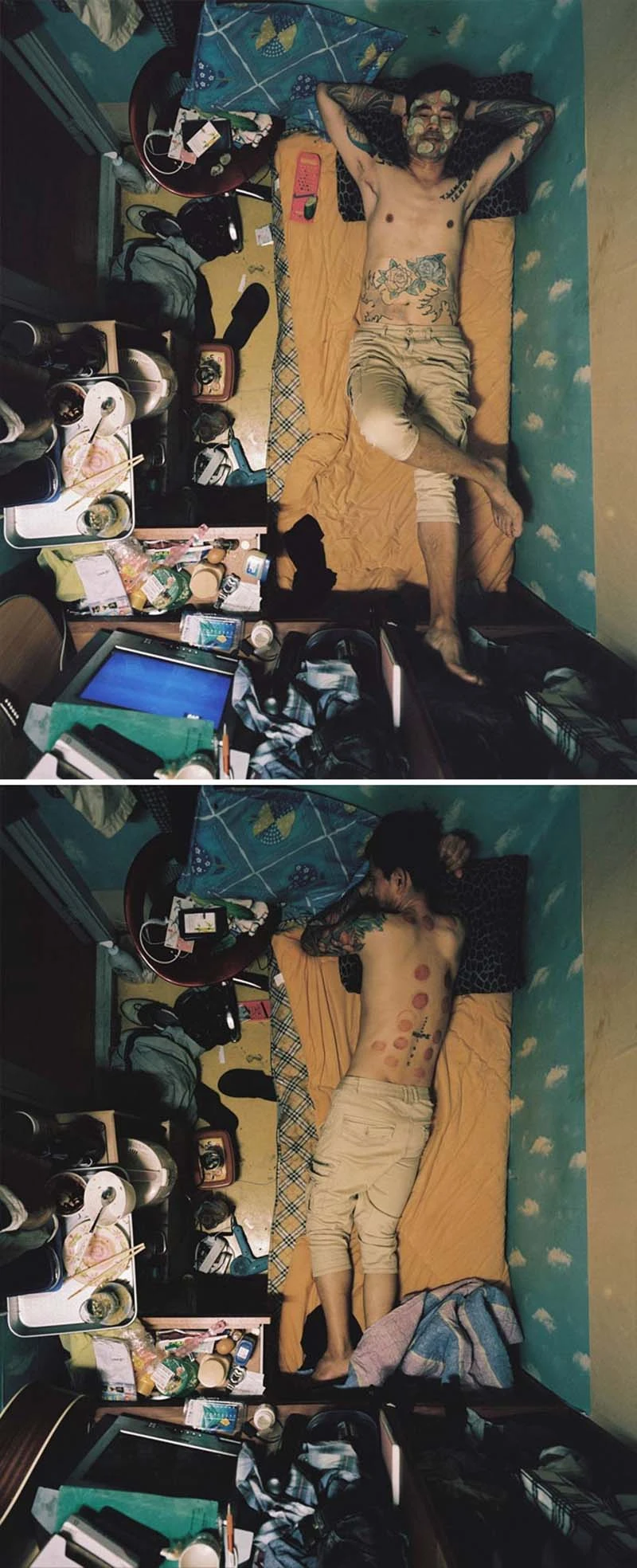
Sim initially studied to be a health care worker. While preparing for college entrance exams, he was told that health care workers had an easier time finding jobs, so he chose that specialty. But he quickly realized that a future life as a health care worker wasn't for him.
He wondered if it was possible to make a living doing something he truly enjoyed. Sim tried many different professions until he fell in love with photography. He first became a travel photographer, then shot weddings. But commercial work quickly robbed his images of the charm that had attracted him to photography.
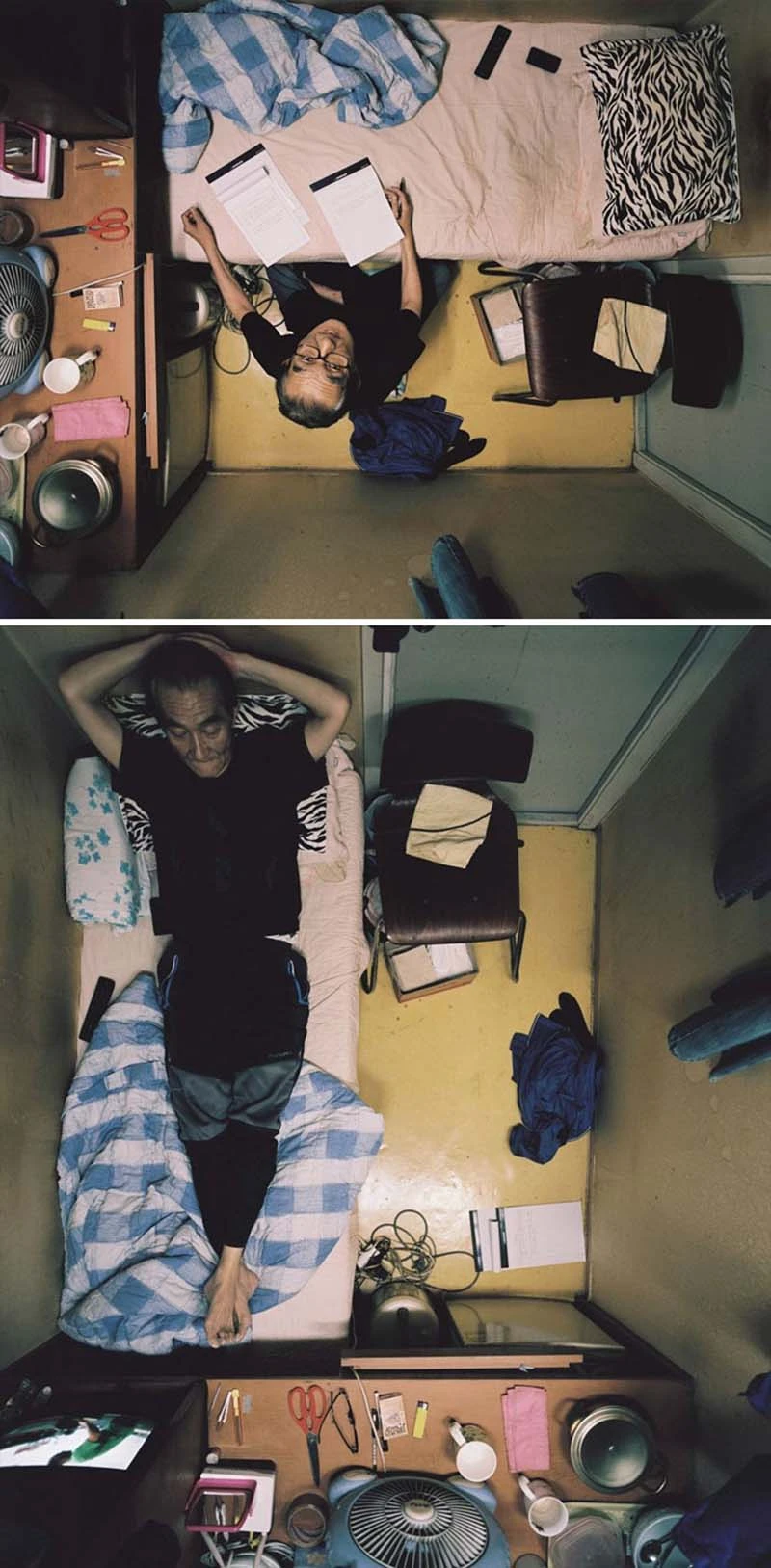
Then Sim realized he had to show goshiwon—and the best way to do that was through photography. When the project was published, people began calling him a photographer. Sim admits the project was quite rigorous, and he dreamed of showing the photos at an exhibition or in the media. In a system dominated by professional photographers, he considered himself a mere amateur.
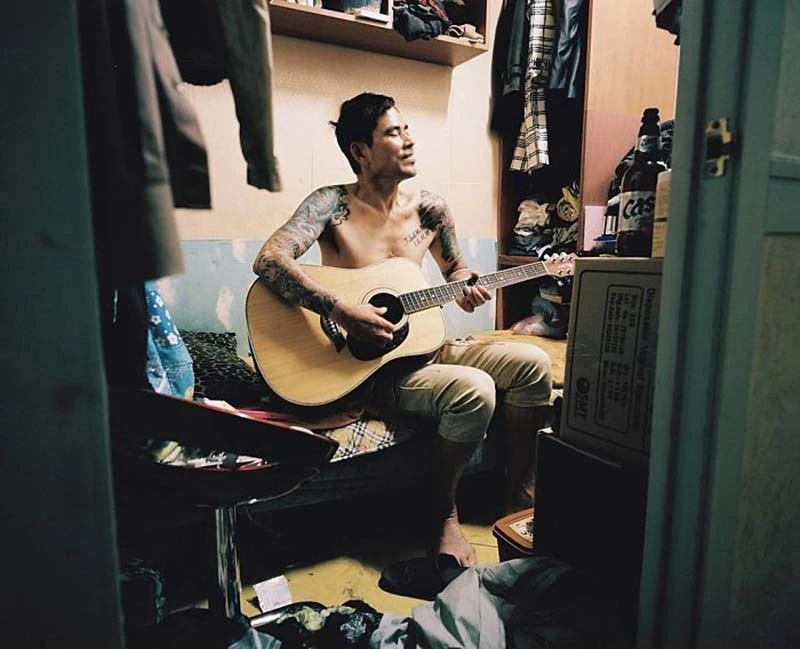
Advice for aspiring photographers
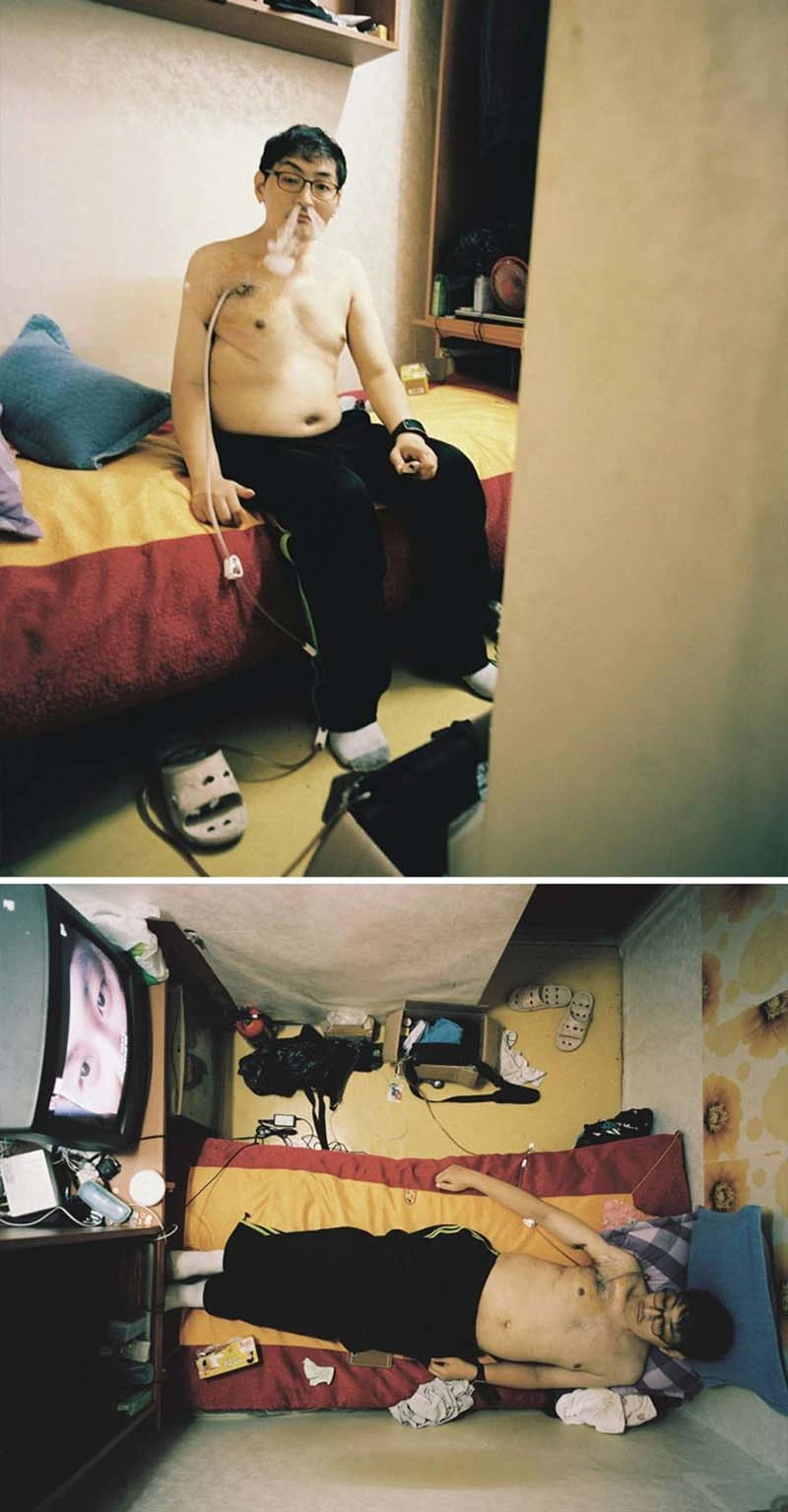
For those who want to pursue photography professionally, Sim advises thinking about their motivation. If the answer is simply that being popular is cool, it's best to stop. You need to ask yourself again: do you really want to become a photographer based solely on the photos themselves, and not on your reputation?
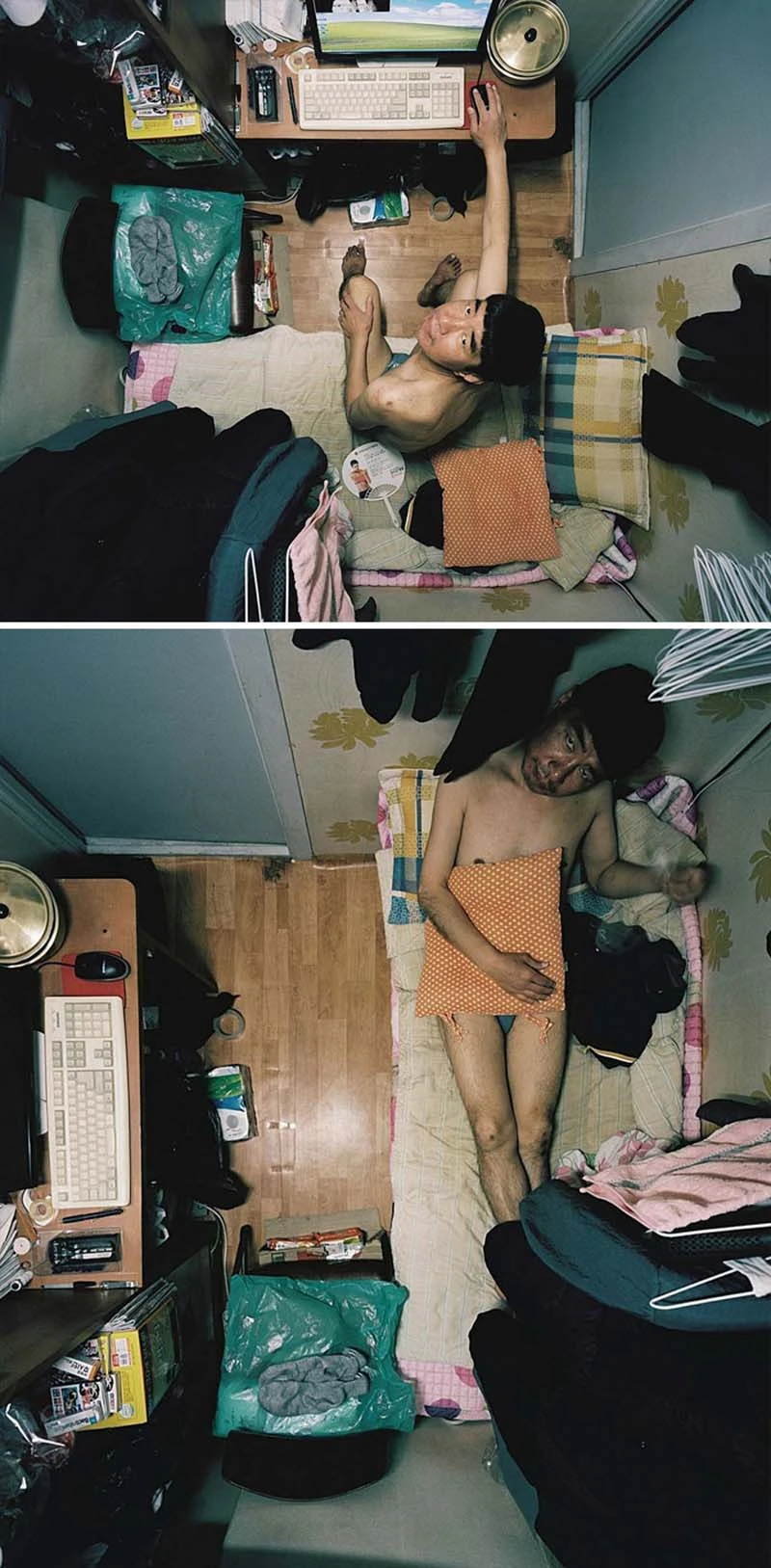
Initially, Sim didn't want to be a photographer—he simply enjoyed creating images that could represent him. He even wanted to make a living solely from photography. But success as a photographer is difficult. Sim admits he hasn't achieved success and no longer wants it. He simply wants to live doing what he truly wants and enjoying it passionately.
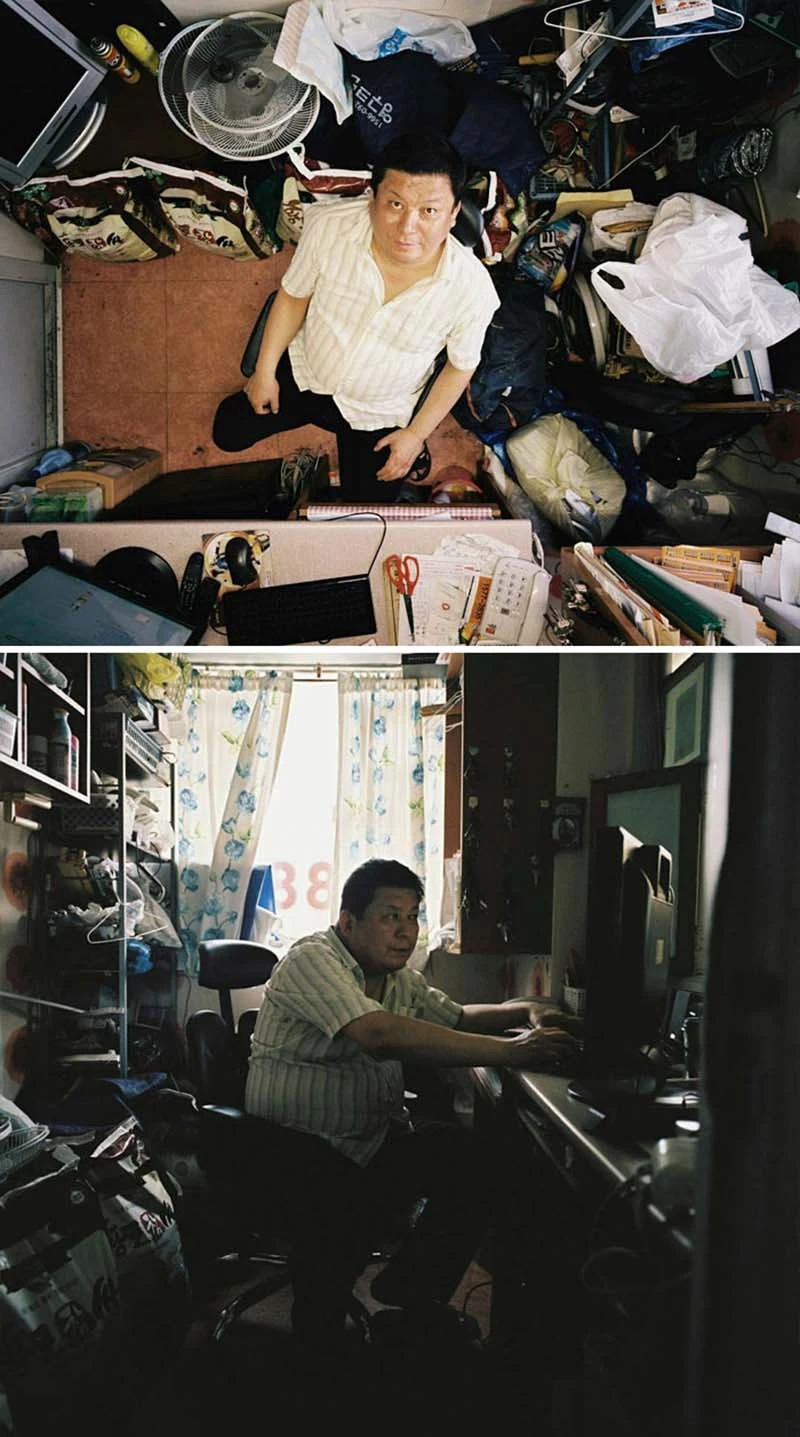
The Other Side of the Korean Miracle
Sim's works reveal the underbelly of the South Korean economic miracle. Behind the shiny facades of Seoul lies a world of people living in rooms the size of closets. Most goshiwons are located in the capital, although they can be found in other Korean cities. This is not a temporary phenomenon, but an established housing type for an entire segment of society.
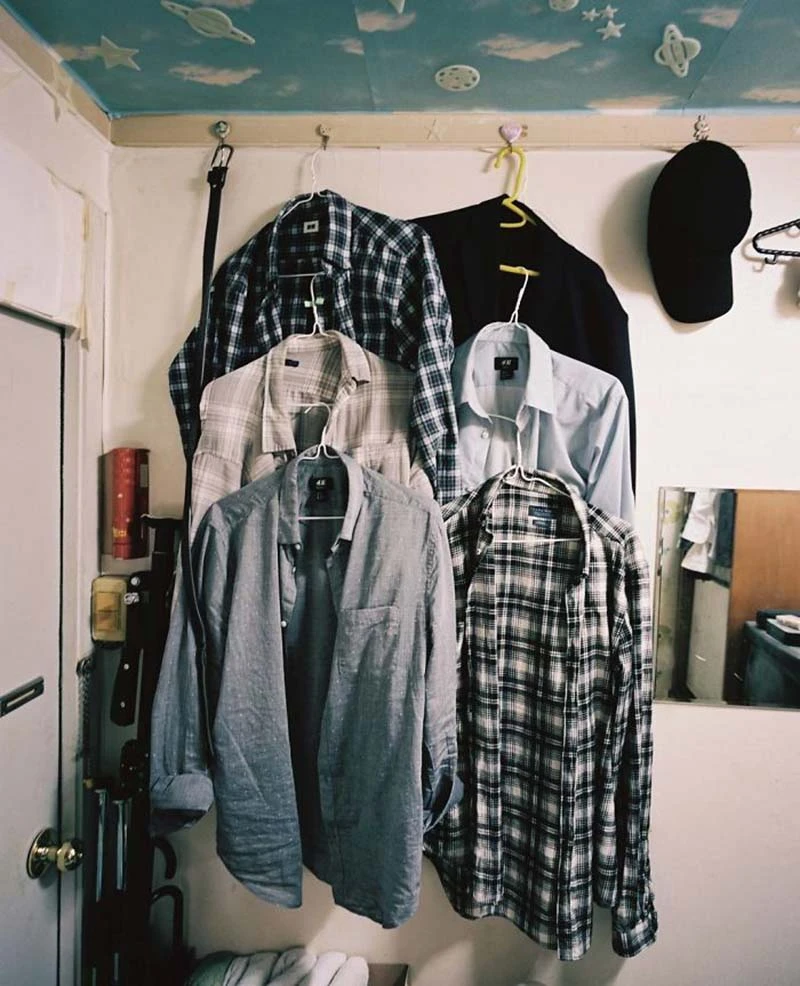
The photographer's images document a reality that is rarely discussed in a country that prides itself on its technological achievements. Goshiwons are a symbol of inequality, high housing prices, and fierce competition in South Korean society.
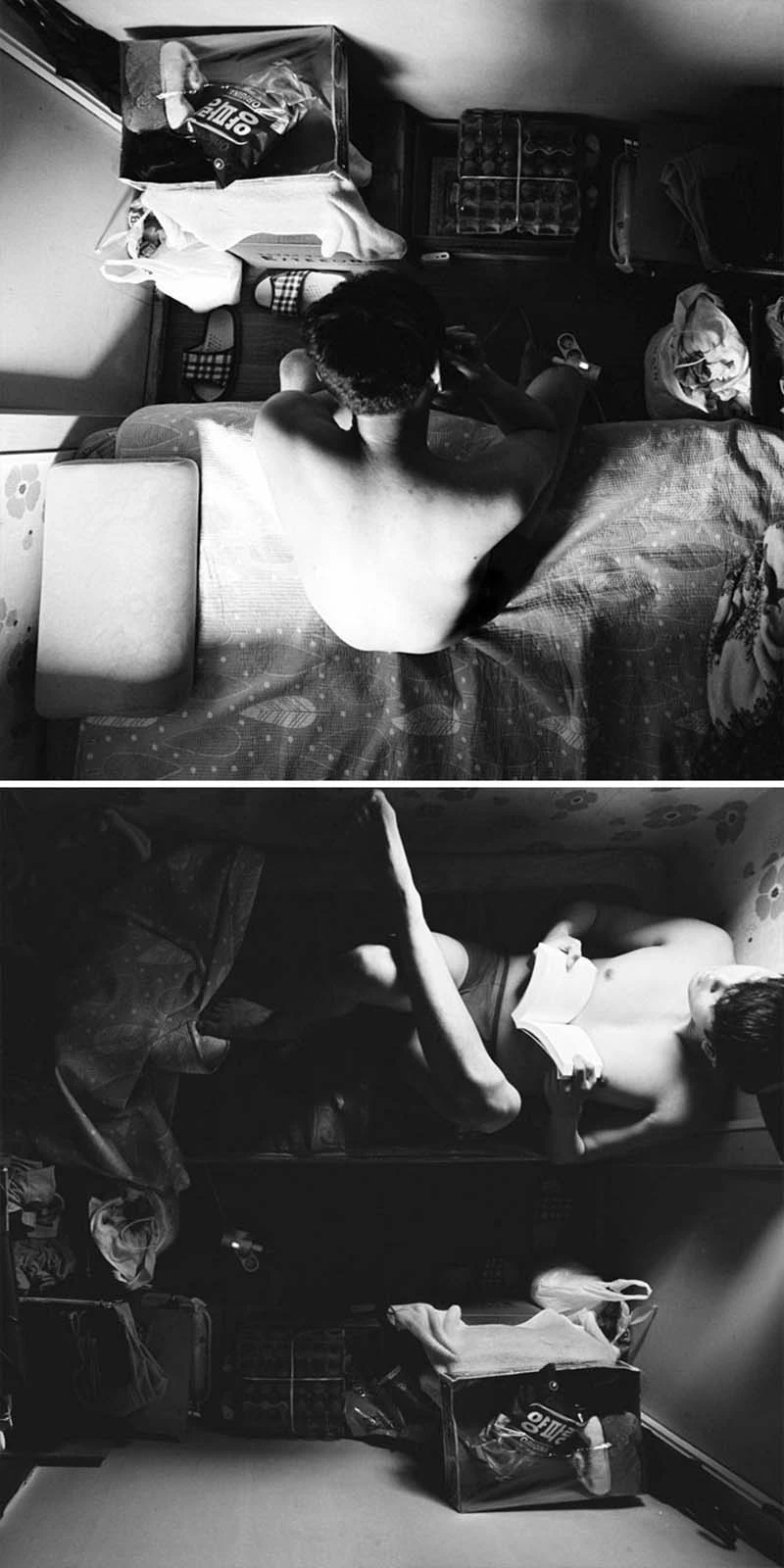
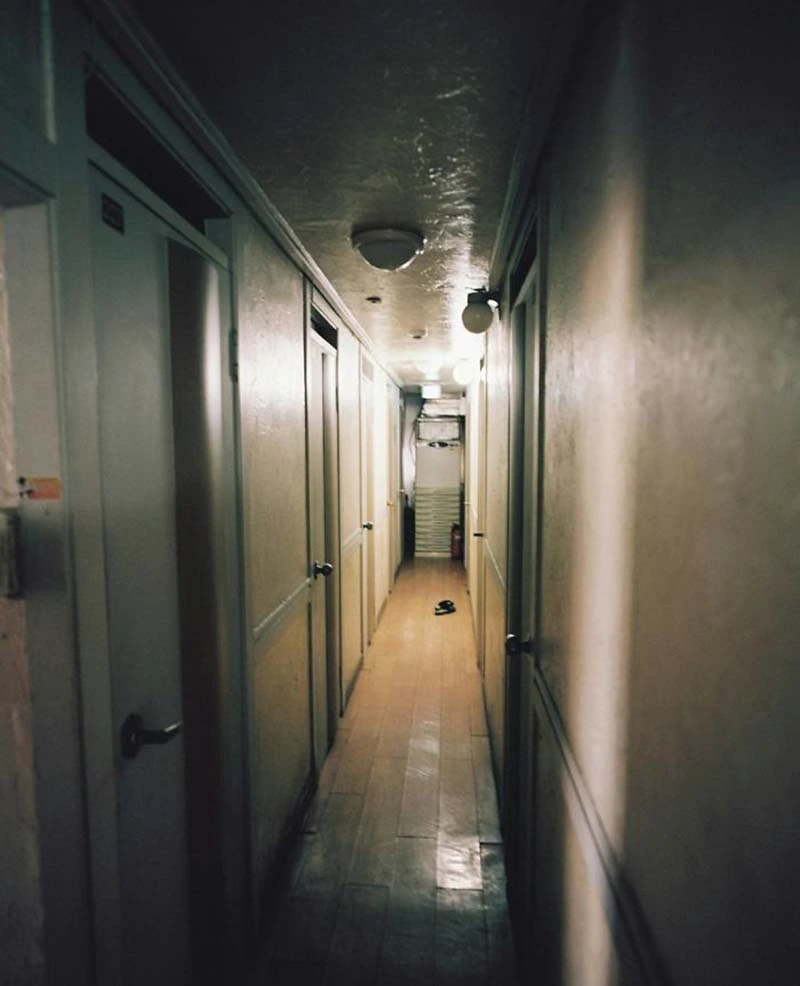
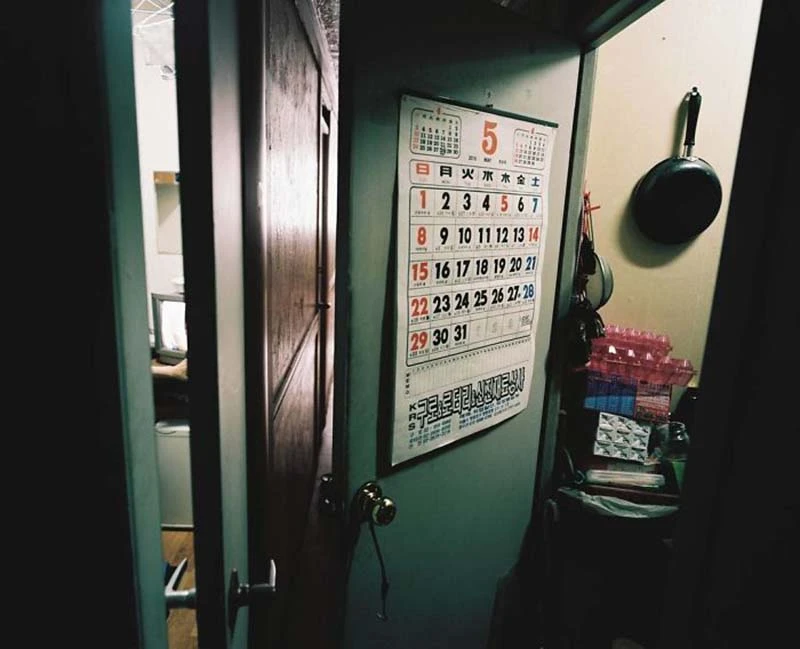
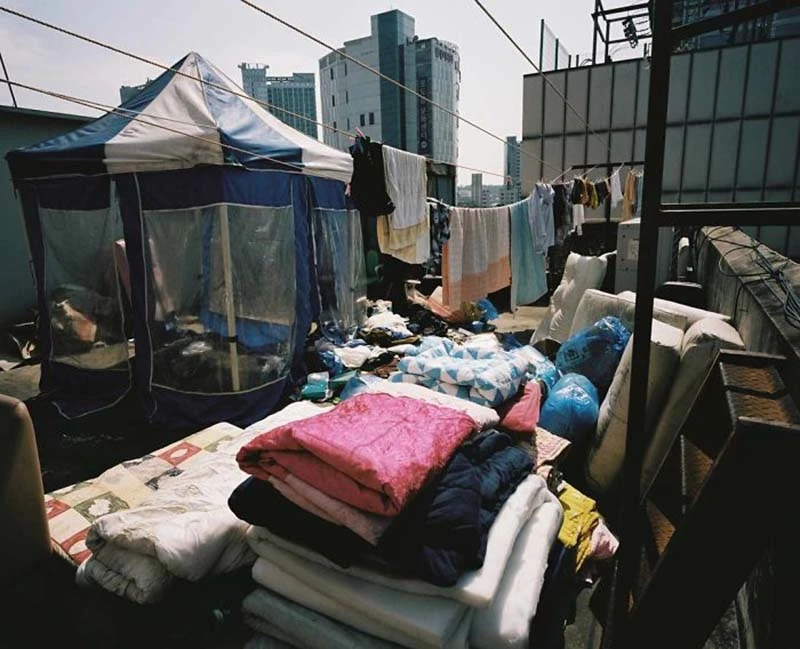
Sim Kyu-dong's photo project is an honest testimony to the lives of those left behind by the Korean economic miracle. His photographs pose uncomfortable questions: can a country be considered developed if thousands of its citizens live in box-like rooms? Where is the line between economic efficiency and human dignity? Can you imagine living in a room of 3-4 square meters—and how would you feel?

Download
Archive size 1.28 Mb, downloaded 5 times