Naked Yoga and No Camera: What Classic Asanas Look Like from Below (10 photos)
British photographers Rob and Nick Carter created a series of works that revolutionize photography. No cameras, lenses, or digital technology were used—just the nude body, photographic paper, and light. The model performed yoga poses directly on the photosensitive surface, and the artists manipulated the lighting to capture shadows and silhouettes. The result is unpredictable—each print is unique. These photograms show yoga from an unusual perspective, transforming the ancient practice into contemporary art. 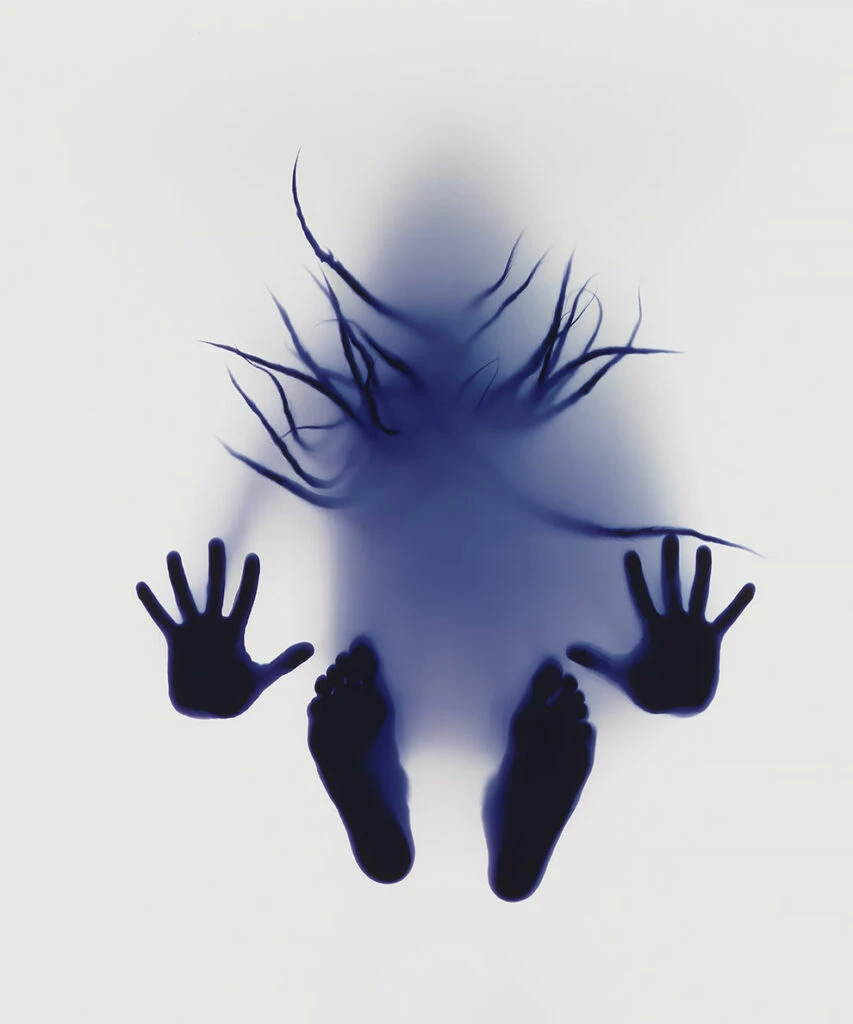
Art Without a Camera
Rob and Nick Carter have been working together for over two decades. The husband-and-wife team of photographers and artists exhibits in leading galleries and museums worldwide. Their latest project is a book of large-format photograms capturing bodies during yoga practice. 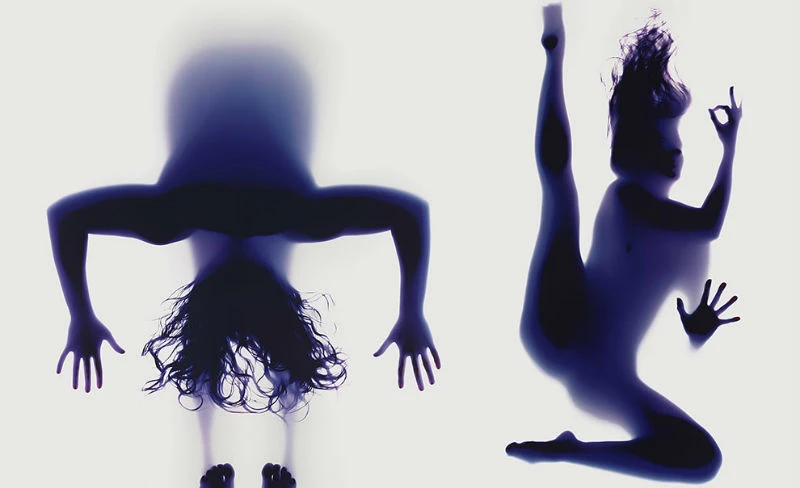
A photogram is created without a camera—only light, shadow, and light-sensitive paper.
A photogram is a technique in which an image is captured without a camera. The subject is placed directly on photographic paper and then illuminated. The light strikes the light-sensitive surface, leaving a shadow imprint. This technique was used by the pioneers of photography in the 19th century, but the Carters applied it to the human body in motion.
For the project, a model performed classical yoga poses directly on sheets of photographic paper, which served as a mat. The artists directed the light at different angles, capturing the yogini's contours and shadows on a light-sensitive surface. The process required precision—the slightest movement or change in lighting altered the result.
Yoga as Visual Transformation
The project explores not only the plasticity and flexibility of the human body, but also the nature of the visual image. Unlike digital photography, where the image can be viewed instantly, a photogram is revealed only after development. The artists do not fully control the final result—it is formed through a process of chemical reactions on the paper. 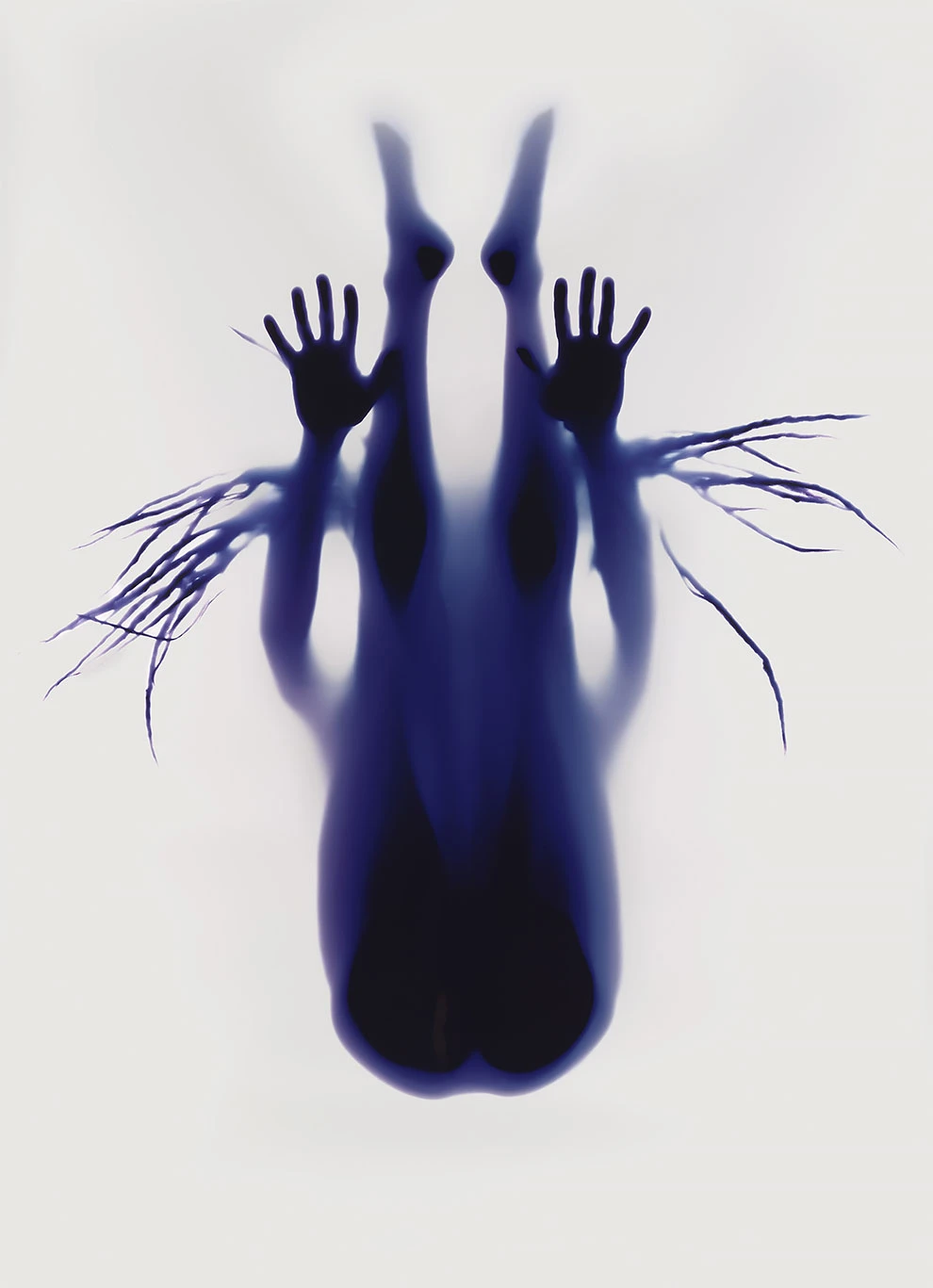
An inverted asana—this is what yoga looks like when viewed from below through light-sensitive paper
Each photogram is unique. It is impossible to reproduce an exact image, even if the model strikes the same pose. Lighting, angle of incidence, exposure time, and chemical processes during development all influence the final print. This makes each work one-of-a-kind.
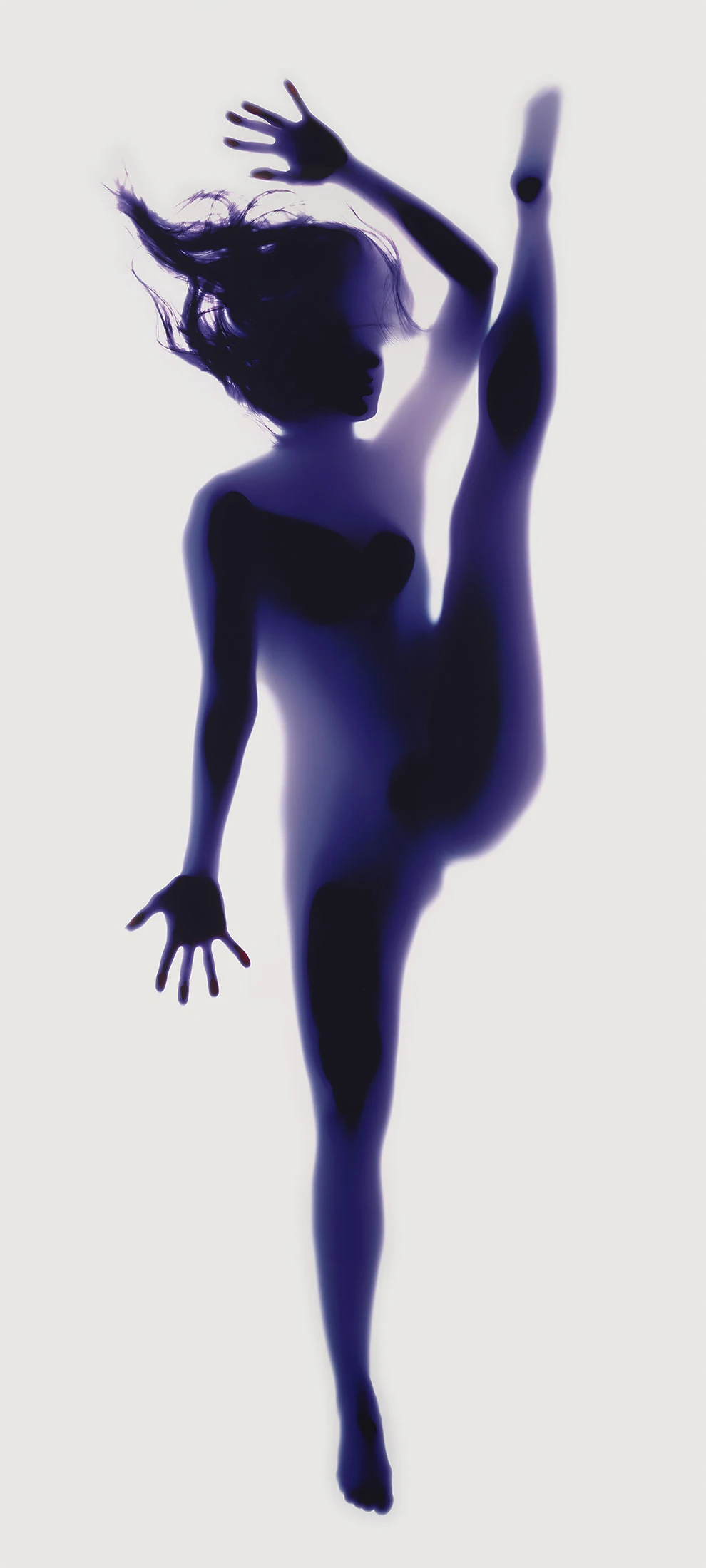
The extended warrior pose—the body's lines transform into abstract silhouettes
The Carters deliberately chose yoga for their project. This ancient practice, based on balance and concentration, resonates with the process of creating photograms—precision, patience, and acceptance of the unpredictability of the result are also essential.
The Body as an Artistic Instrument
The photograms show yoga from an angle usually hidden from the viewer. The model was positioned directly on the photographic paper, and the camera, as an intermediary between the subject and the image, was absent. The result is a view "from below"—as if observing the asanas while lying beneath a transparent floor.
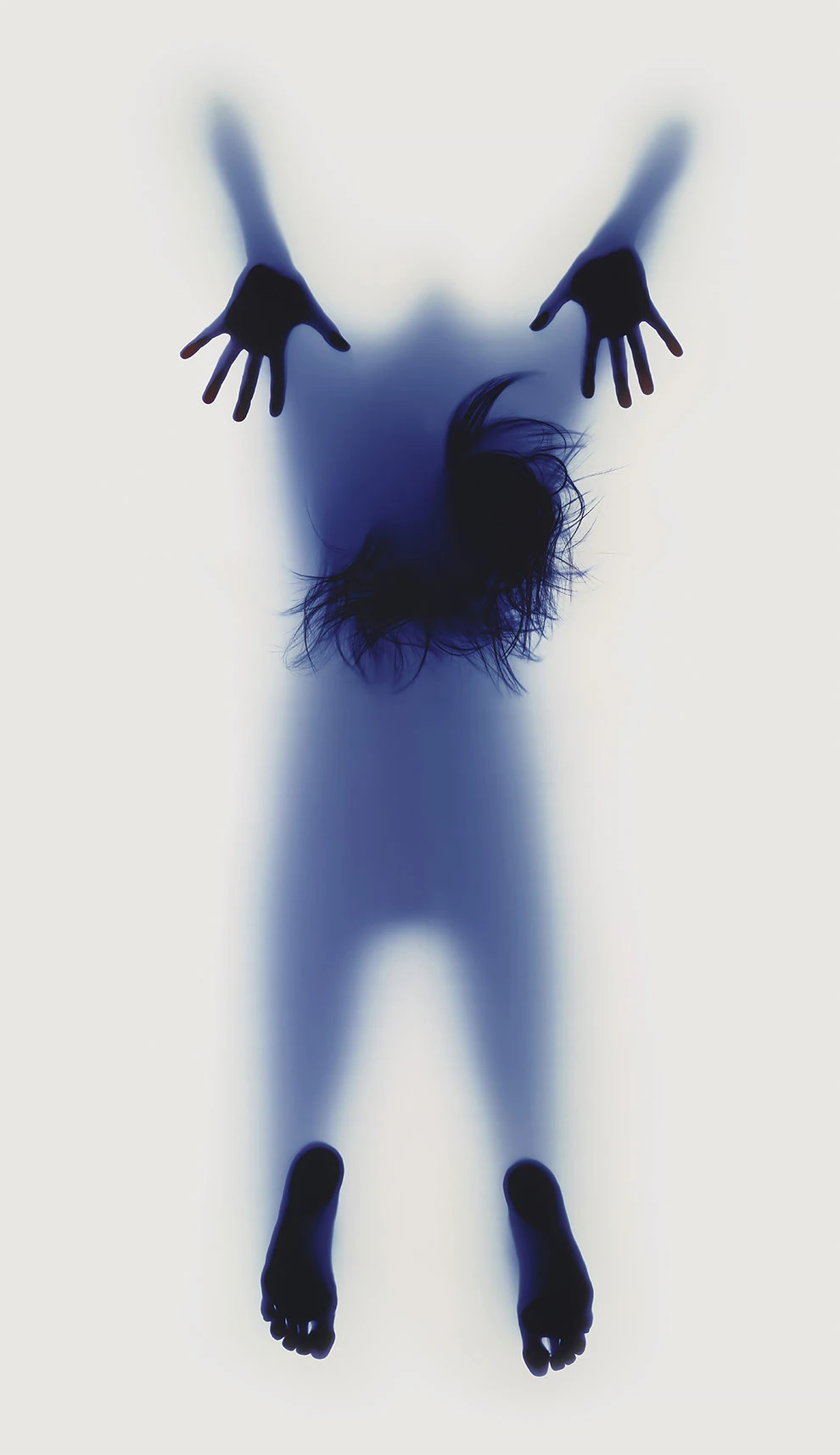
Bridge Pose - the curve of the spine creates an arch of light and shadow
The naked body emphasizes the purity of lines and the geometry of the poses. Clothing would distract from the form, adding unnecessary detail. The artists sought to show the architecture of the human body - how muscles, bones, and joints create balance and structure in each asana.
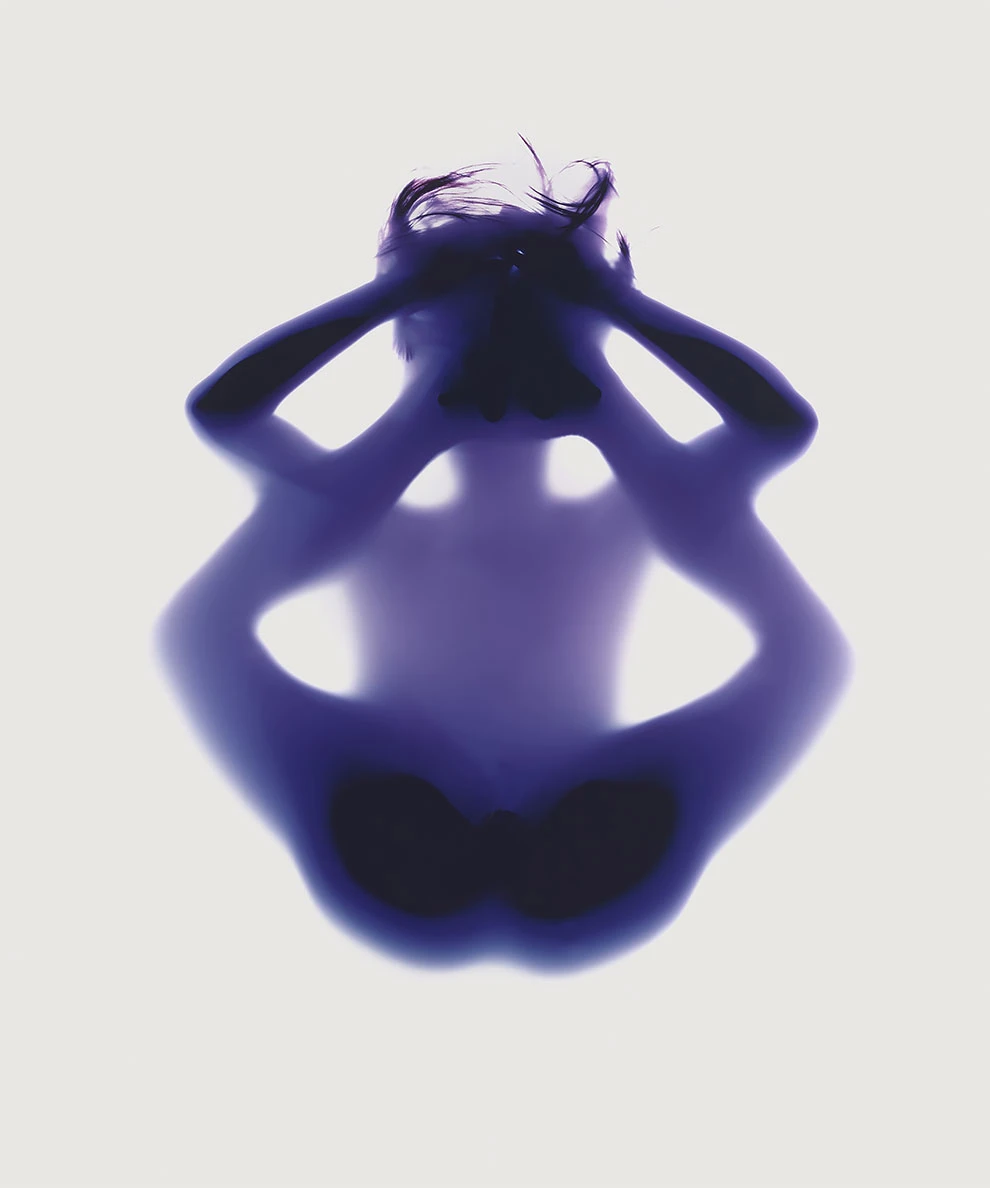
Child's Pose - the compact form transforms into a smooth spot of light
The large format of the prints enhances the impression. The viewer sees the body almost life-size, feeling its scale and presence. Abstract silhouettes are simultaneously recognizable as human figures and reminiscent of graphic compositions.
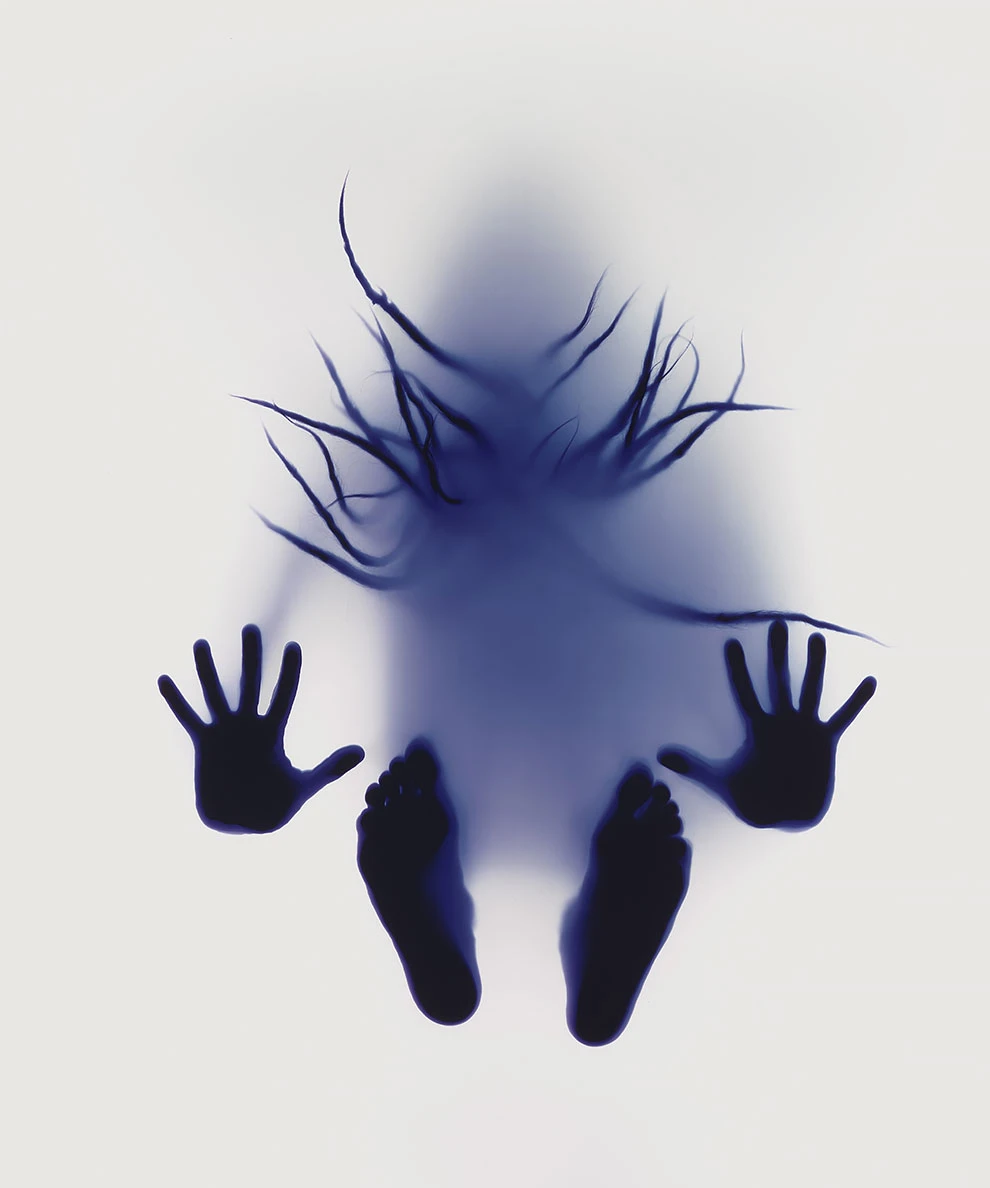
Twisted pose – the body forms a spiral, reminiscent of a calligraphic sign
Unpredictability as part of the process
Working with photograms requires relinquishing complete control. Artists set the conditions – the model's position, the direction of the light, the exposure time – but the final image only appears in the laboratory. This unpredictability makes photograms similar to painting, where the result also develops gradually.
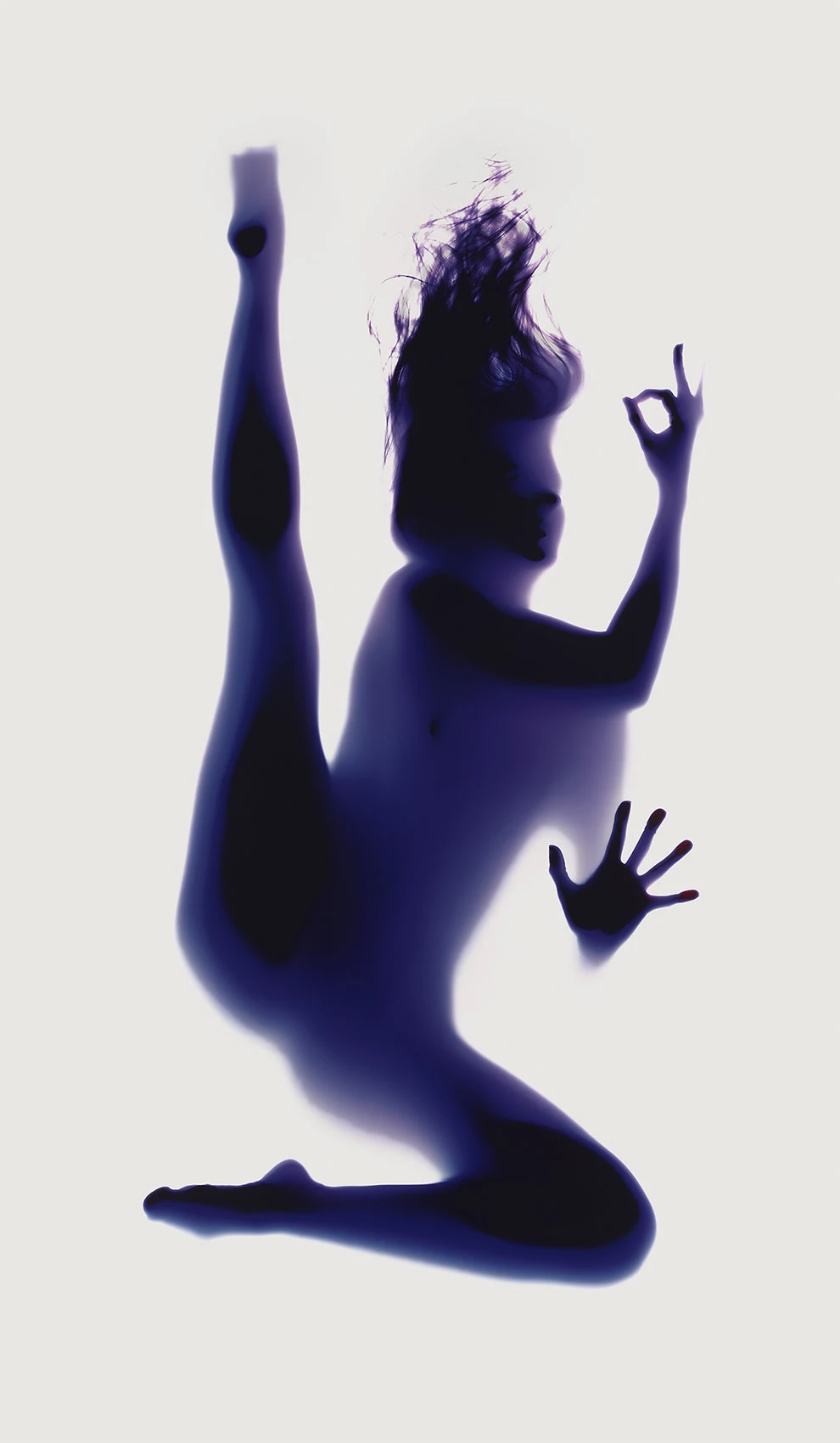
Handstand – the inverted pose creates a vertical composition
The Carters transformed the limitations of vintage technology into an artistic statement. The absence of a camera, the impossibility of instant viewing, and the reliance on chemical processes—all of this became part of the concept. The project recalls that photography was once a slow, thoughtful art that required patience and skill.
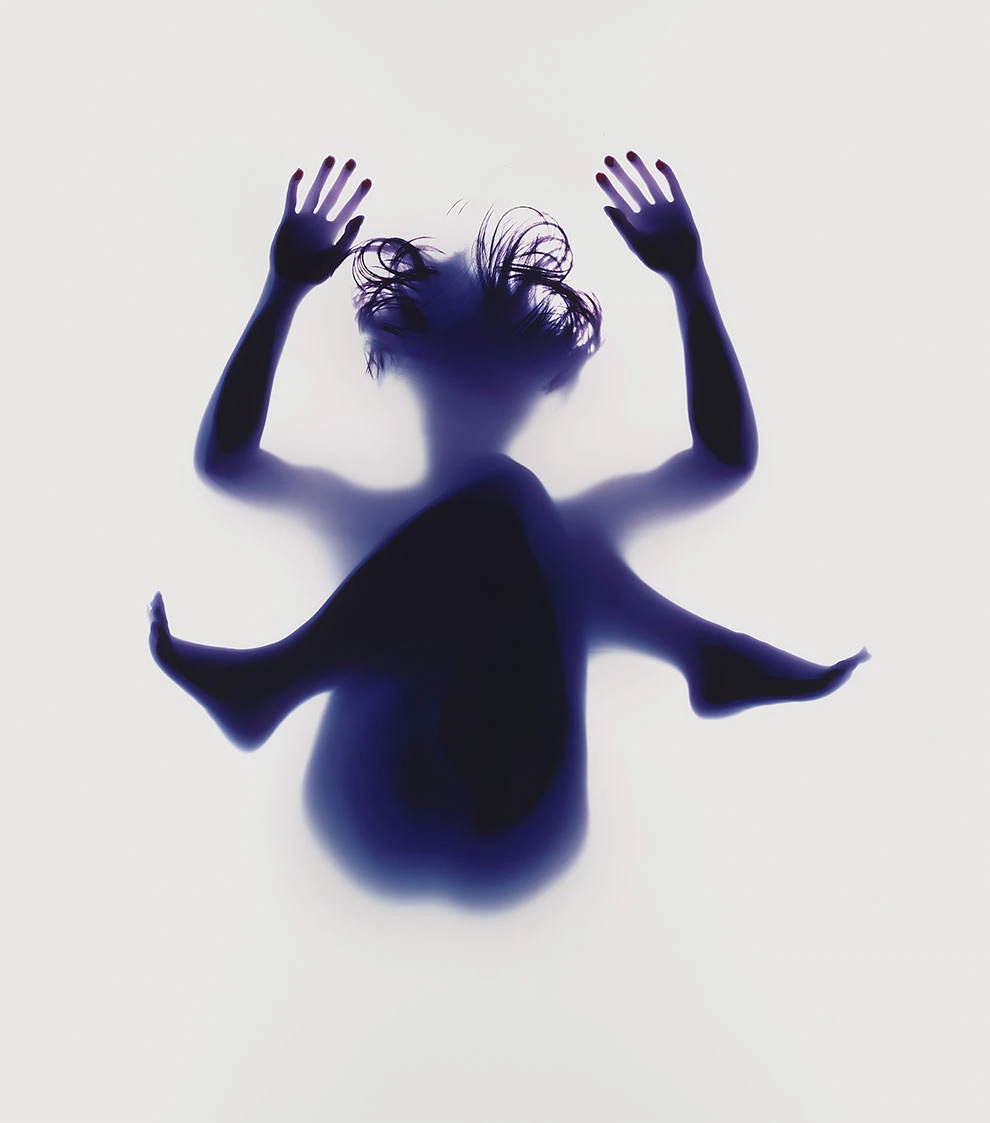
Lotus Pose—A symmetrical asana creates a balanced composition
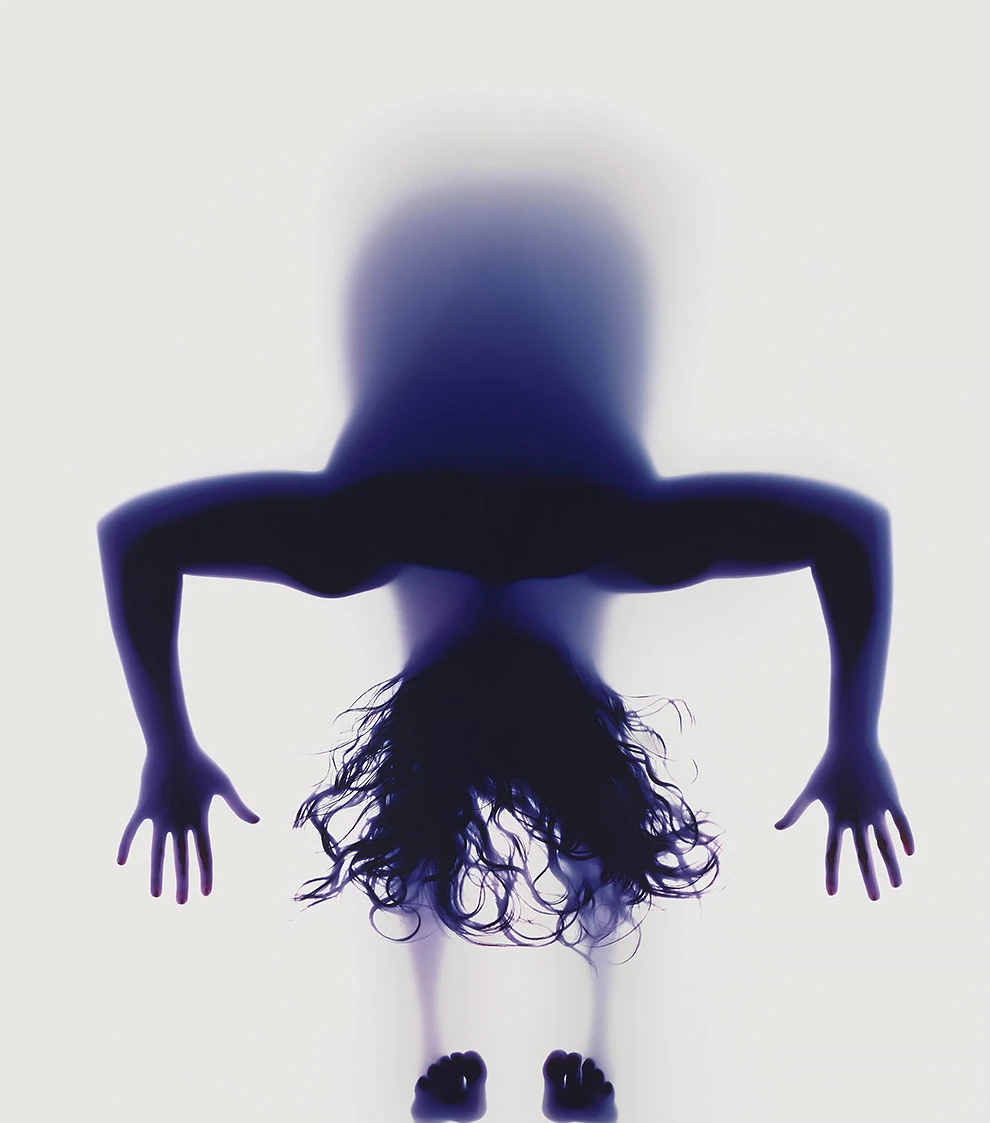
Forward Bend—The body folds in half, creating a compact form of intertwined lines
Rob and Nick Carter's series balances the line between documentary and abstraction. These are both portraits of yoga poses and stand-alone graphic compositions. These works prove that even in the digital age, analog techniques can surprise and open up new visual possibilities. Are you interested in trying your hand at creating a photogram yourself, or is such experimentation best left to the professionals?

Download
Archive size 560.07 Kb, downloaded 3 times