The Secret Life of the Japanese Mafia (21 photos)
Belgian photographer Anton Kusters specializes in long-term projects. In 2011, he published his first photo album about the yakuza—Japanese organized crime groups that he photographed over the course of two years. 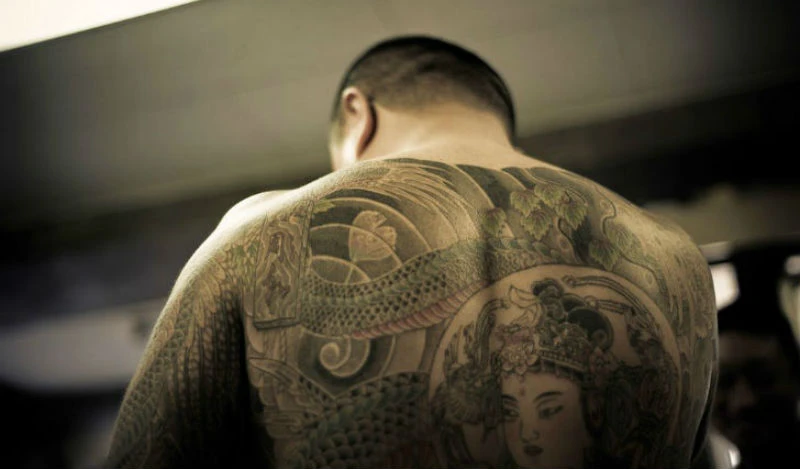
There are approximately 50,000 yakuza in Japan, making them one of the largest crime syndicates in the world.
Only after 10 months of relentless efforts did the Belgian photographer manage to meet the "godfather" of the yakuza family. Anton Kusters spent the next two years in the dark and atmospheric environment of Japanese criminal gangs, documenting life "by the rules." 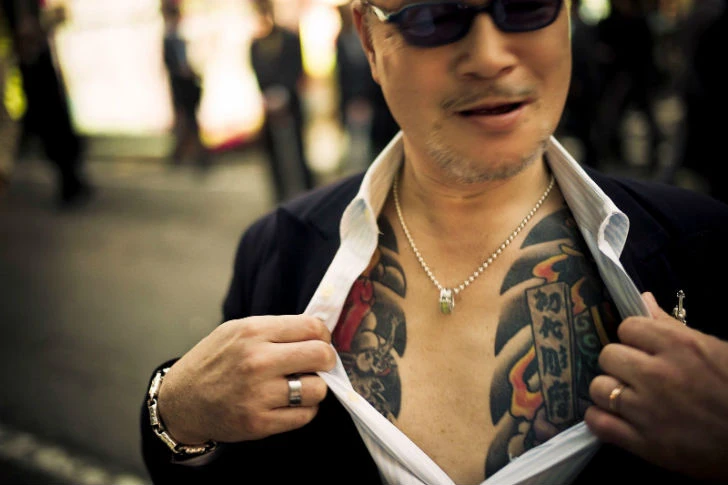
Photographer Anton Kusters on how easy it was to persuade the yakuza to pose for photographs:
"At first, they thought I would write an article about them, write notes, and publish them in the media, but I convinced them that I wasn't a journalist, but wanted to create an art project that would lead to a book and an exhibition. They really liked the idea of an art project. We agreed that it would be a photo story about them as a subculture, showing their principles of life, culture, and values. They appreciated the attention and genuine interest, so everything worked out." 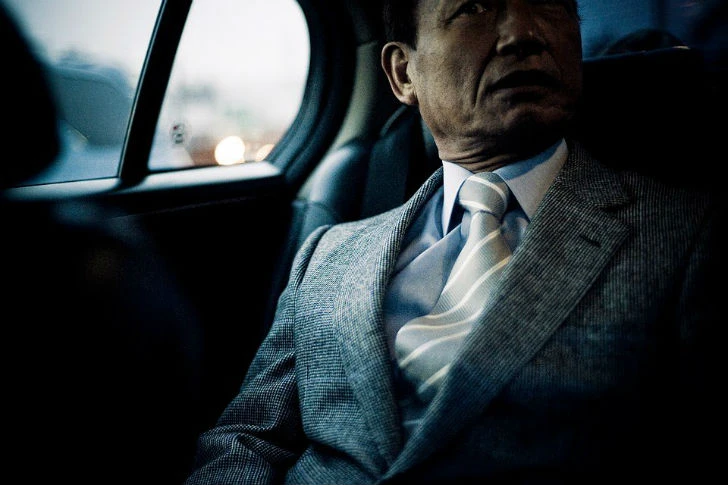

I was very nervous. I understood that they were bandits and I had to be very careful and not photograph anything I couldn't even see. This really upset the yakuza; they perceived my nervousness as disrespect. One day, one of the guys pulled me aside and said, "You're here to take photos. Please act professional." It turned out they respected me, and I seemed very ambitious and brave to them for even deciding to contact them, and not taking photos was a sign of weakness."
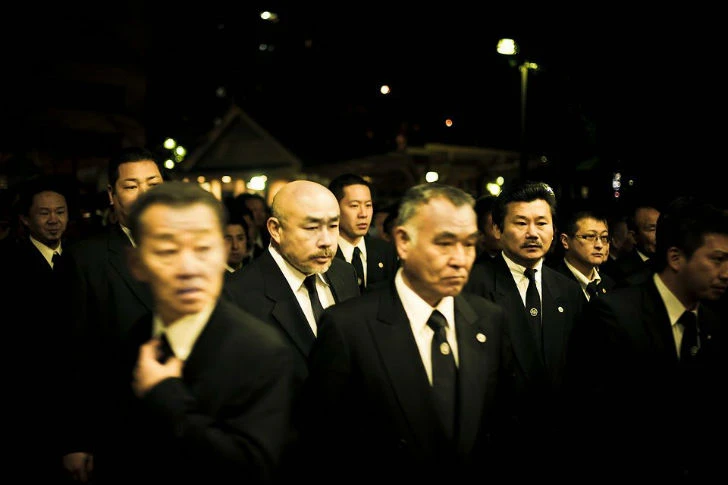
Anton Kusters on his understanding of the yakuza subculture:
"In fact, the meaning of 'yakuza' is almost comparable to the meaning of 'work.' Most gang members have their own offices with notice boards on the doors. They are not unfamiliar with the core values of Japanese business culture, such as respect for superiors, cleanliness and order in the office, etc.
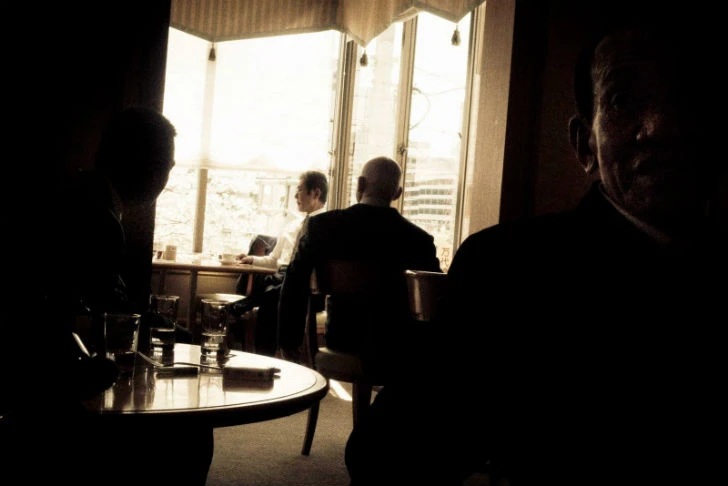
Early on in our conversation, I noticed something that really bothered me. There was too much unspoken information, a sense of group pressure. Constant pressure. Communication within the yakuza is structured in such a way that if someone does something wrong, no one says anything; everyone just waits for them to apologize. If they don't, the gang will simply crush them with silence and ignorance, and in fact, this always works.
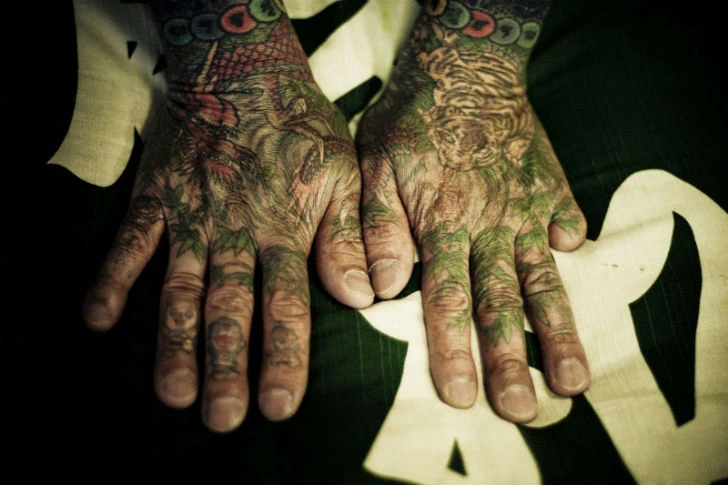
If someone in the family has seriously sinned, there is a yubitsume ritual (an atonement ritual in which the offender must cut off part of their finger), but this is extremely rare, happening once every few years.
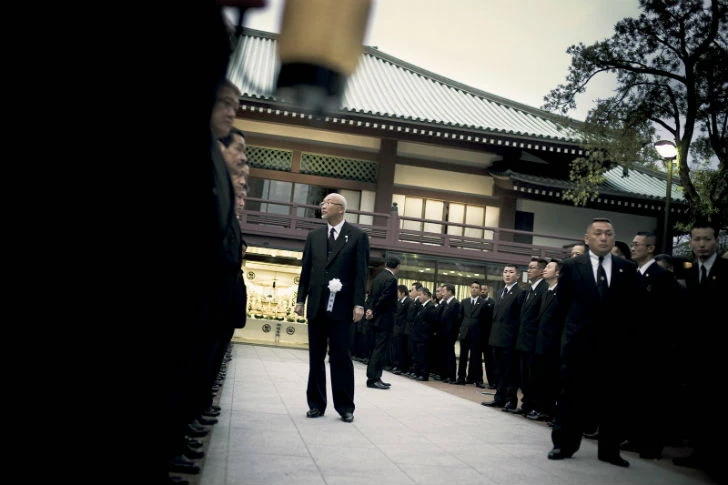
The gang really tries to minimize violence. One of the interesting things I've noticed about the yakuza is that they consider themselves part of society, simply a criminal part of society, with its own rights and responsibilities in Japanese life and culture. As I said, they're very well known in Japan, and they're completely open about it. All the major businessmen are connected to the gang in one way or another and try to keep a low profile.
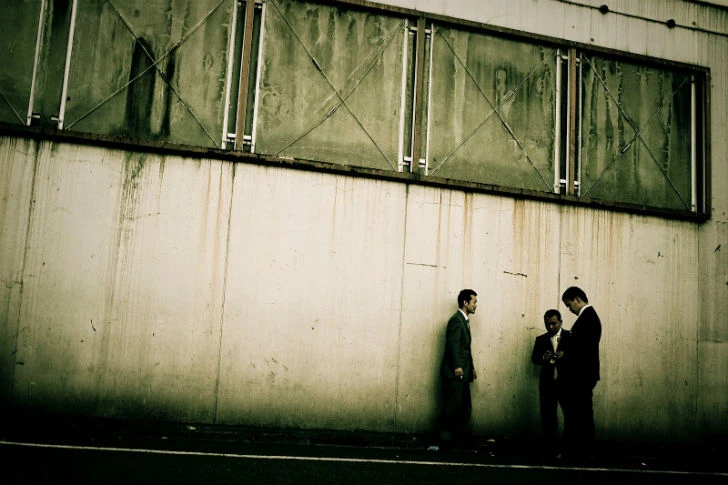
If someone committed a crime or misbehaved, the most common and significant punishment was demotion. And for them, that's a very serious matter. If someone is demoted, it's a great shame and disgrace, as the yakuza has a hierarchical management system.
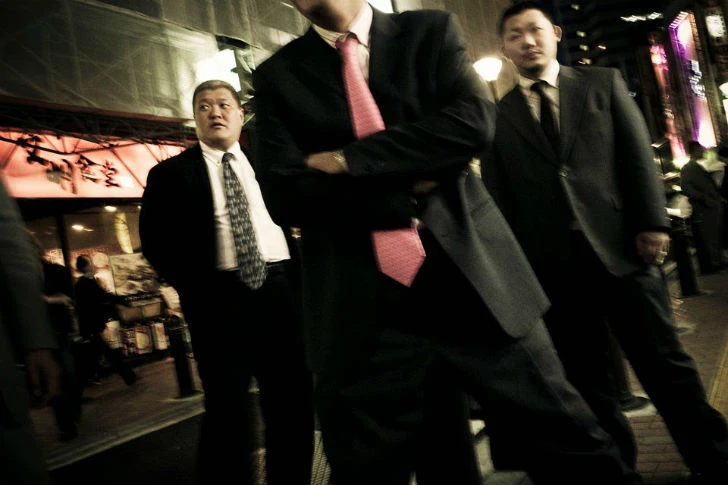
The gang currently survives on interest from loans they previously issued. They once paid off the entire loan debt of a large number of people, who are now stuck in debt to the yakuza. Furthermore, after the Fukushima nuclear disaster, the gang helped rebuild many homes, not for charitable purposes, of course. Today, these people are still indebted to the gang.
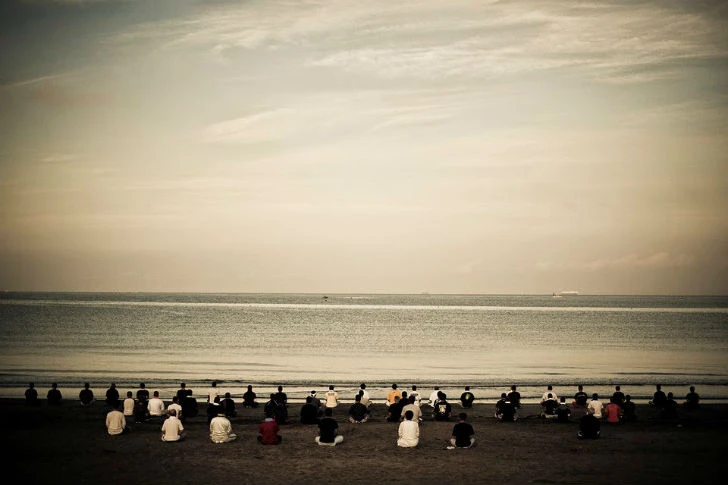
Places under the control of the yakuza are the safest in all of Japan. I'm not saying the gang doesn't use violence—they do, but it's not conspicuous by the public eye and isn't used for every provocation. Violence is used only to maintain image and authority. People both fear and respect the yakuza, so the mafia maintains its power.

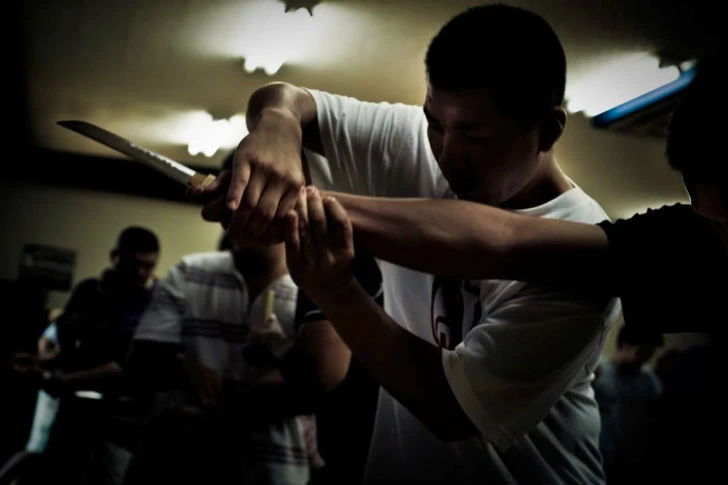
It feels like the mafia is one big family, a kind of anthill. Many young people with nothing join gangs to feel needed and important, to feel part of a larger community.
The yakuza have their own training camps in fishing villages, where they teach recruits basic attack and defense techniques—for example, how to dodge a knife. At the same time, these same guys wake up at four in the morning to meditate. They help fishermen with their catch and learn the art of samurai swordsmanship. There's something unusual about it."
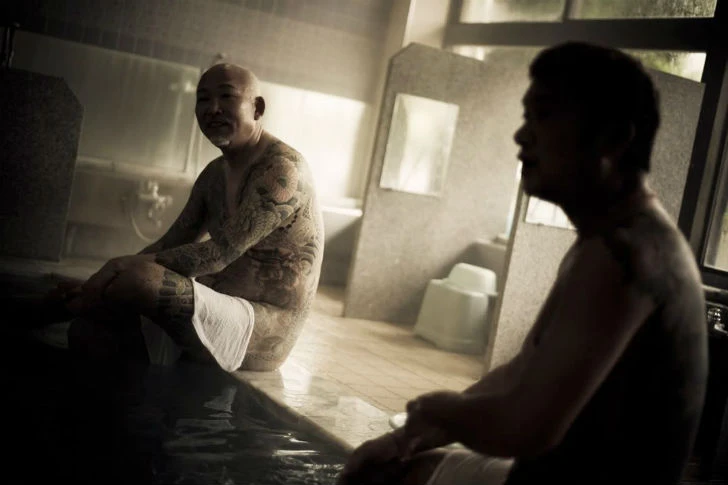
Photographer on famous yakuza tattoos: "Initially, tattoos were used to identify gang members at the bathhouse, a traditional yakuza meeting place. But these tattoos hold enormous significance for the yakuza themselves, and they now pay a great deal of attention to them.
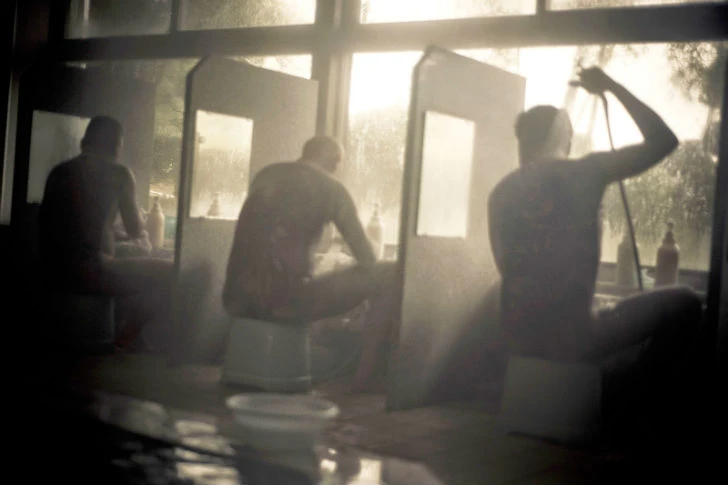
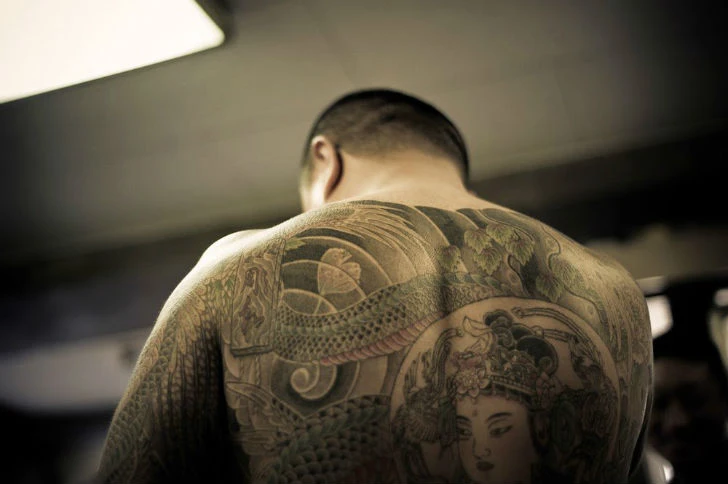
A tattoo is a symbol of belonging, a sign of courage and strength. Every yakuza is proud of who they are, and a tattoo reminds them of that.
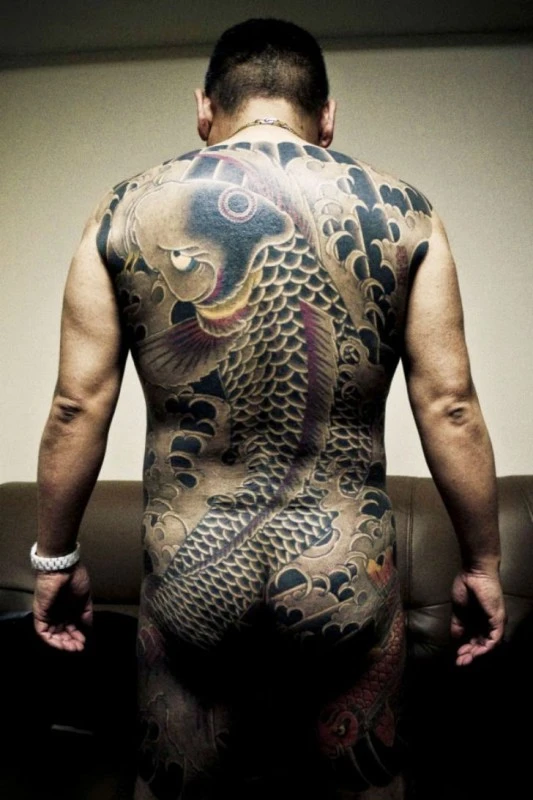
The mafia typically has its own artist who tattoos gang members, but there's nothing wrong with having someone else do the tattoo. An artist working for the yakuza is a true master of his craft. Kaichou himself (the "godfather" of the gang, where the photographer spent two years) calls him "sensei." His skill has reached the point where he can tattoo around 120 times a minute.
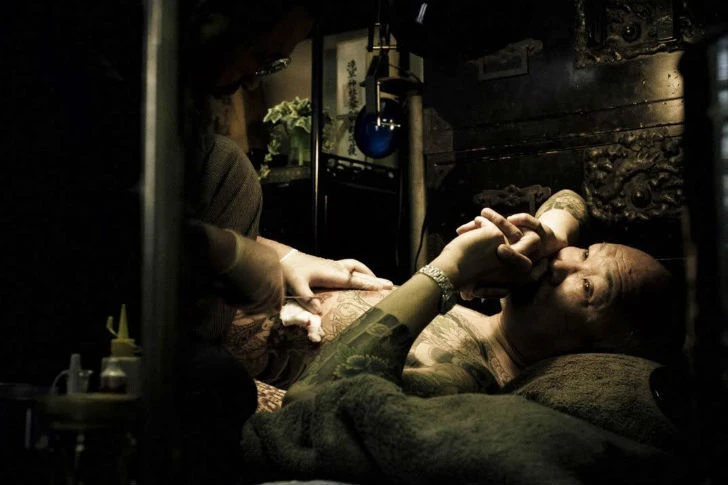
I was with Kaichou when he got his second tattoo. He got it to celebrate reuniting with another gang. They completely repainted his old tattoo and added more designs, so the tattoo covered his entire body. The procedure lasted about 100 hours, after which Kaichou was nicknamed "The Master of Pain."
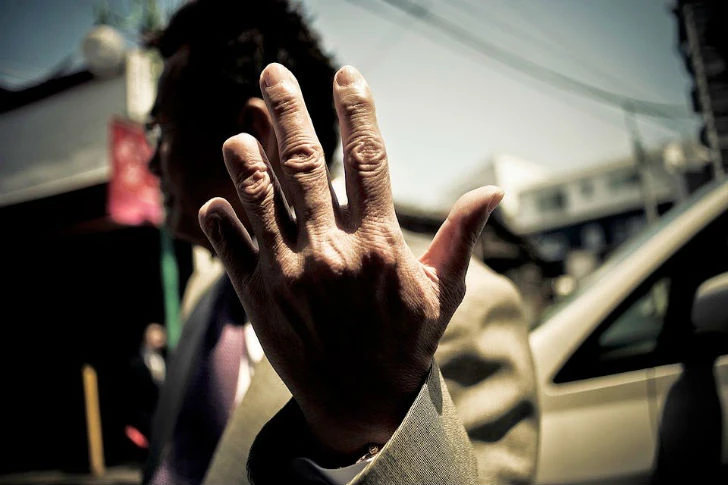
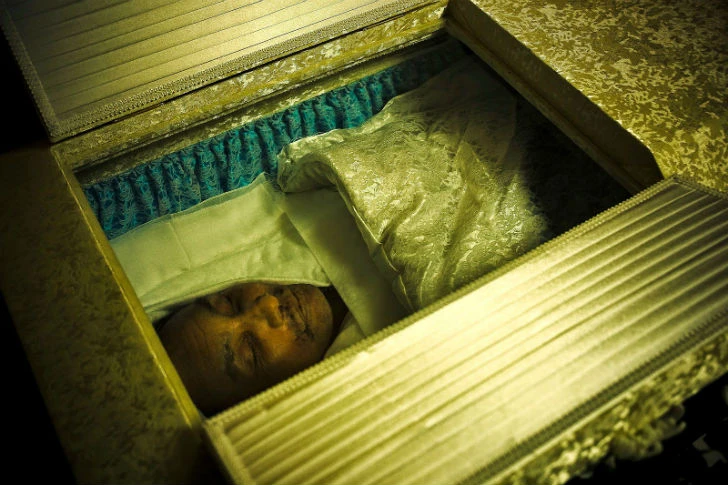
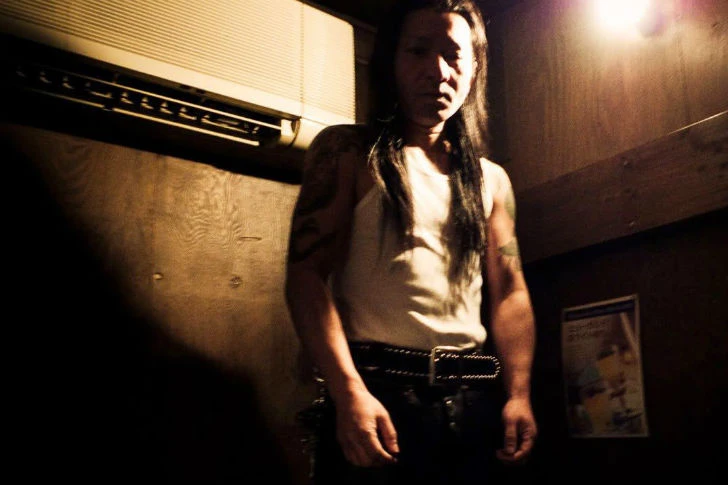
When I first started my work, I thought I was dealing with thugs without a soul or conscience. I was shielded from violence, and to me they looked more like a group of professional economists than bandits. The yakuza's life isn't like a plot from Kill Bill; they operate more subtly."

Download
Archive size 1.08 Mb, downloaded 26 times