Portraits in Harmony with Nature by John Bautista (20 photos)
To take expressive photographs, it's important to seek inspiration. The online magazine Photar interviewed Ecuadorian portrait photographer John Bautista. He discussed his work and the challenges a photographer faces living in the southern country. 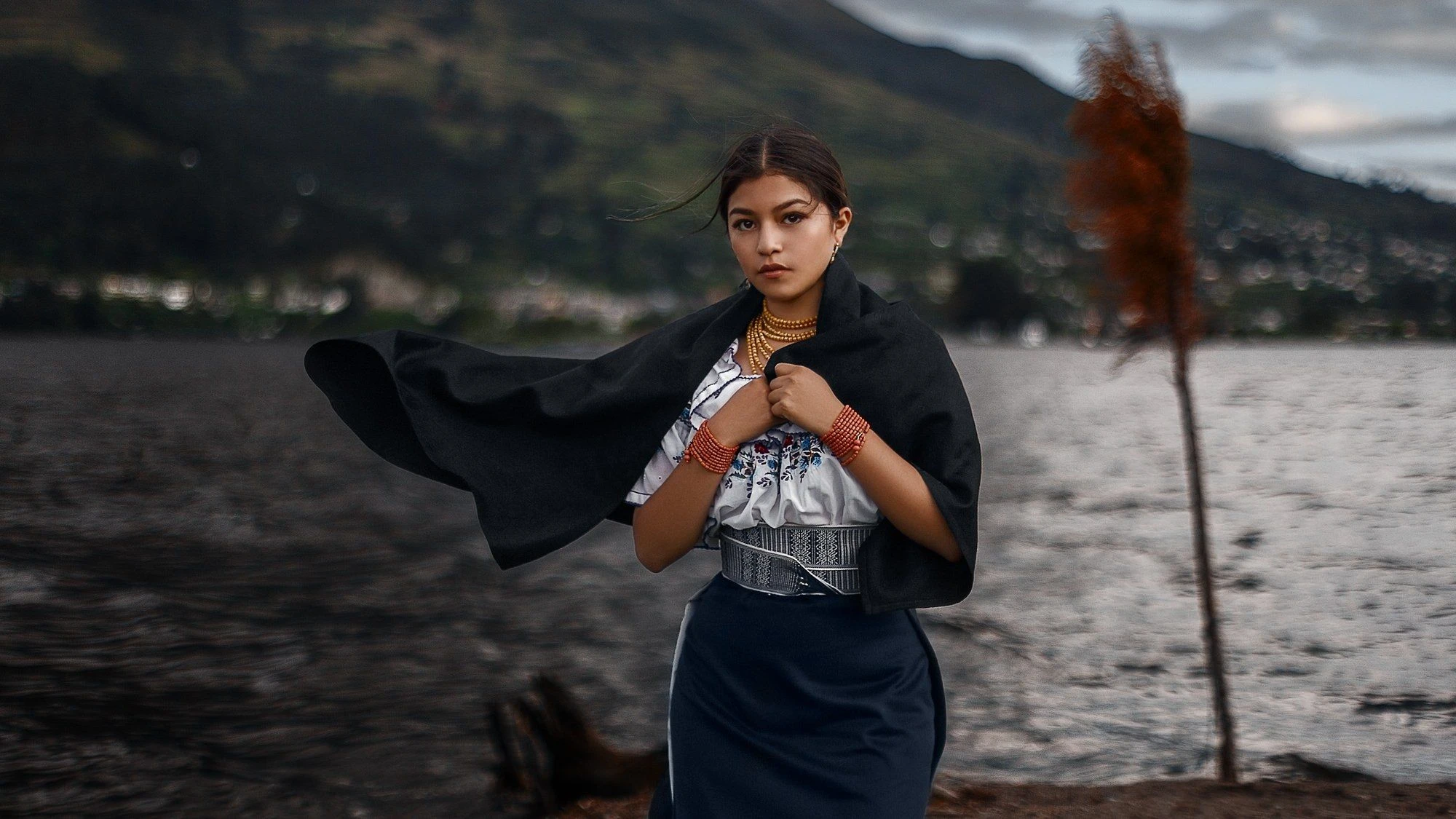
My name is John Bautista. I was born in Ecuador, in the small town of Otavalo, and I still live there. 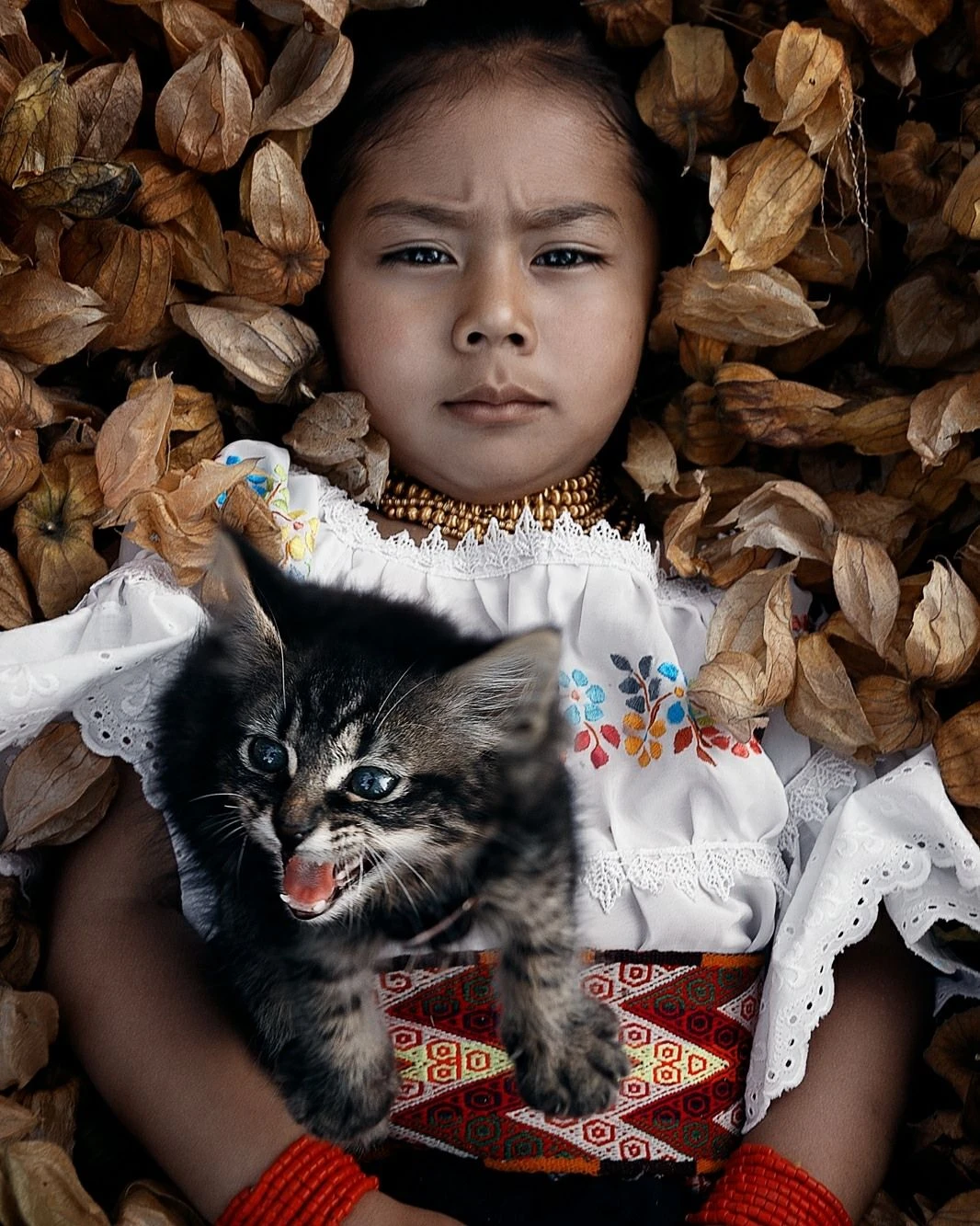

Как садят рис
Смотреть видеоFor me, photography is always a challenge because here in Ecuador, the sunlight is very strong. Light varies greatly depending on the geographic location. But there are many types of natural light that will produce very good results.
Photography was my hobby until I decided to delve deeper into this world. I've always enjoyed photography, but I only shot for fun. Five years ago, my photos started attracting attention, and I realized I had potential. I struggled for a long time to fully dedicate myself to photography, but I finally did exactly a year ago.
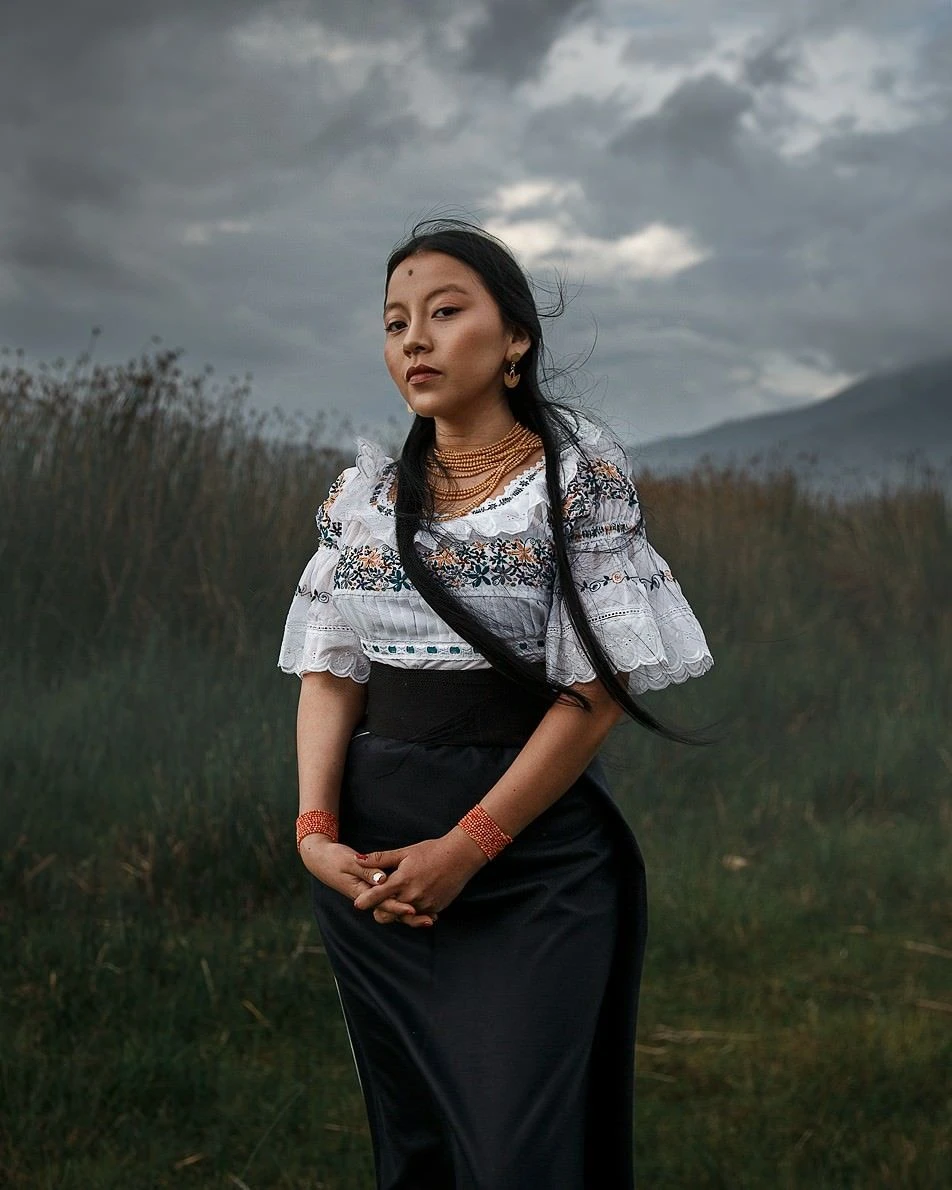
Photography is a form of self-expression. I've always believed that through photography I can create and reveal a state of mind, whether it's my own mood or the mood of the person I'm photographing. And with my photographs, I always try to evoke emotion in my audience. And I think photography as a profession is second to all of my other pursuits, as the saying goes (if you're good at something, don't do it for free).
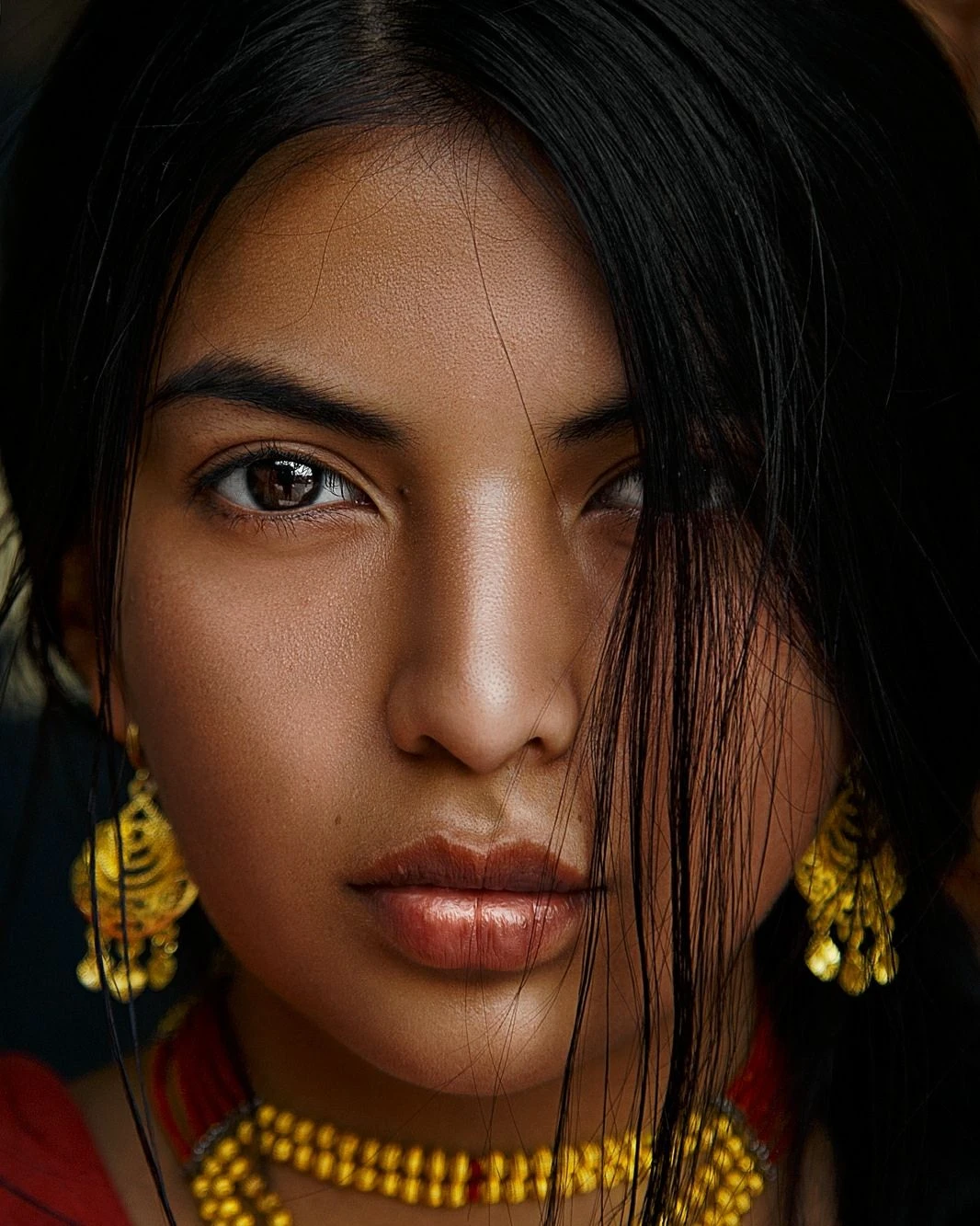
My biggest source of inspiration is movies and TV series. I enjoy observing images and color palettes, and I also love music. I always listen to movie soundtracks. I also believe in filling your imagination with good books, good music, good movies, and especially traveling. Exploring new places, new environments, and new atmospheres is an incredible experience.
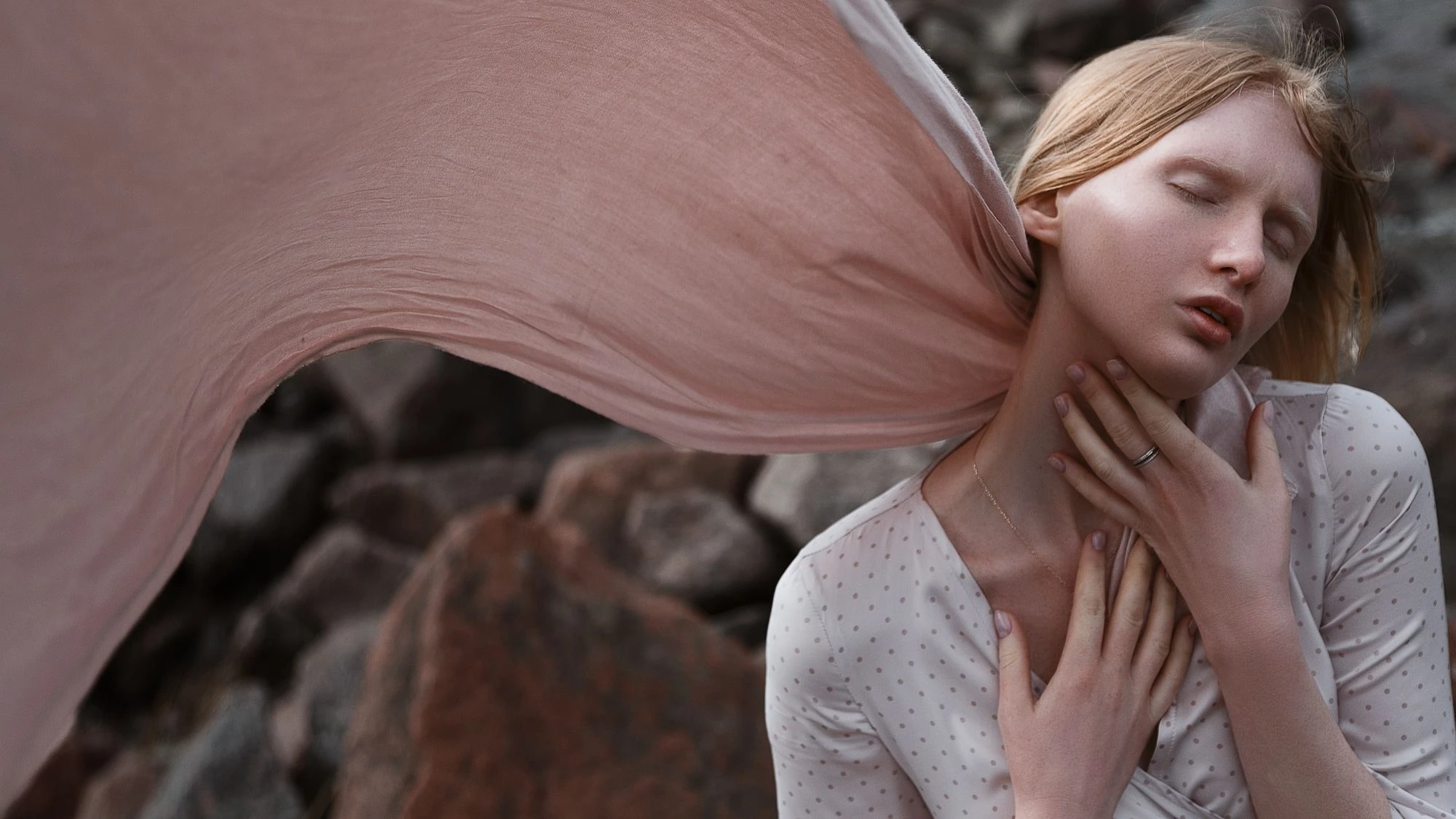
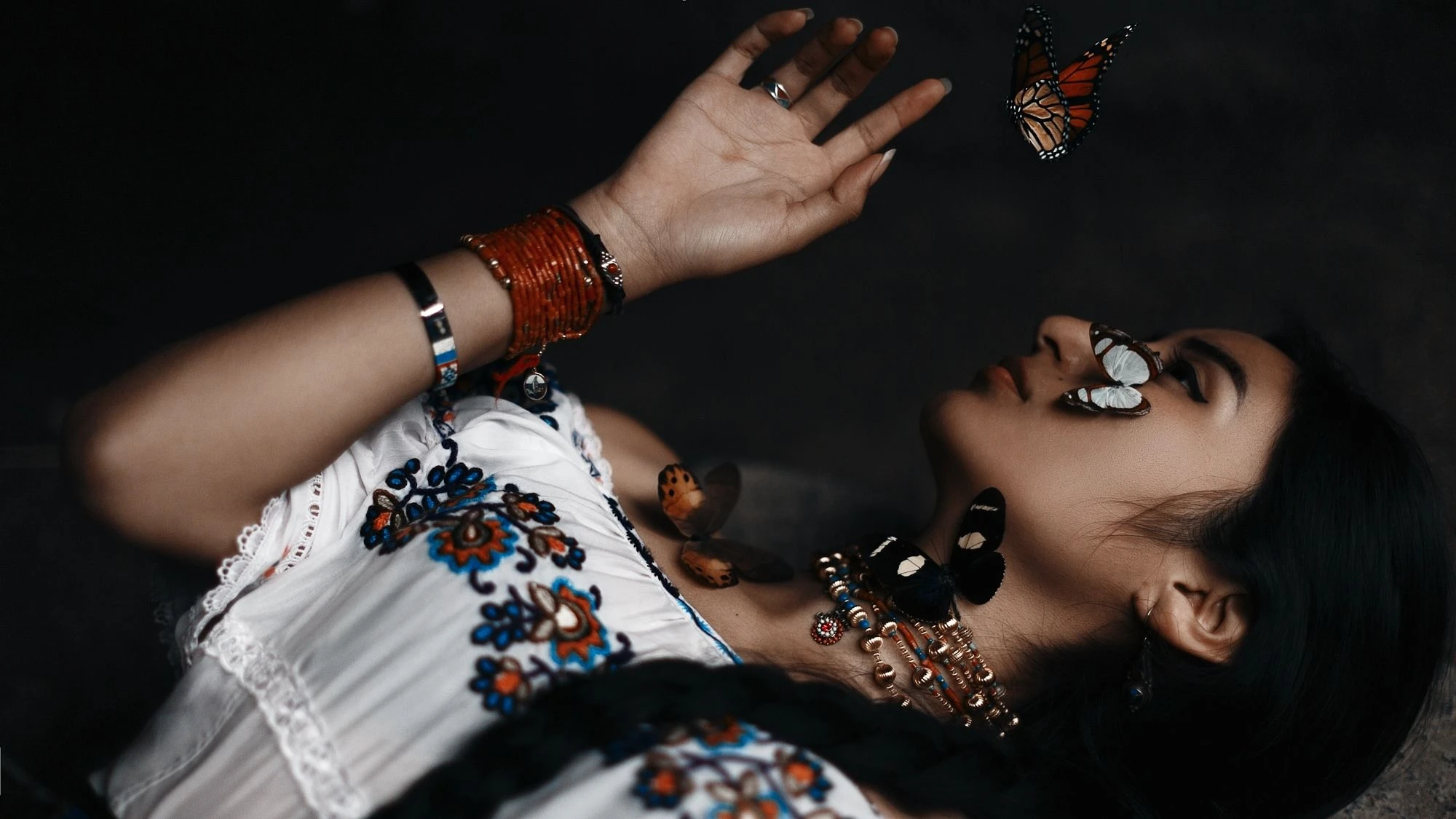
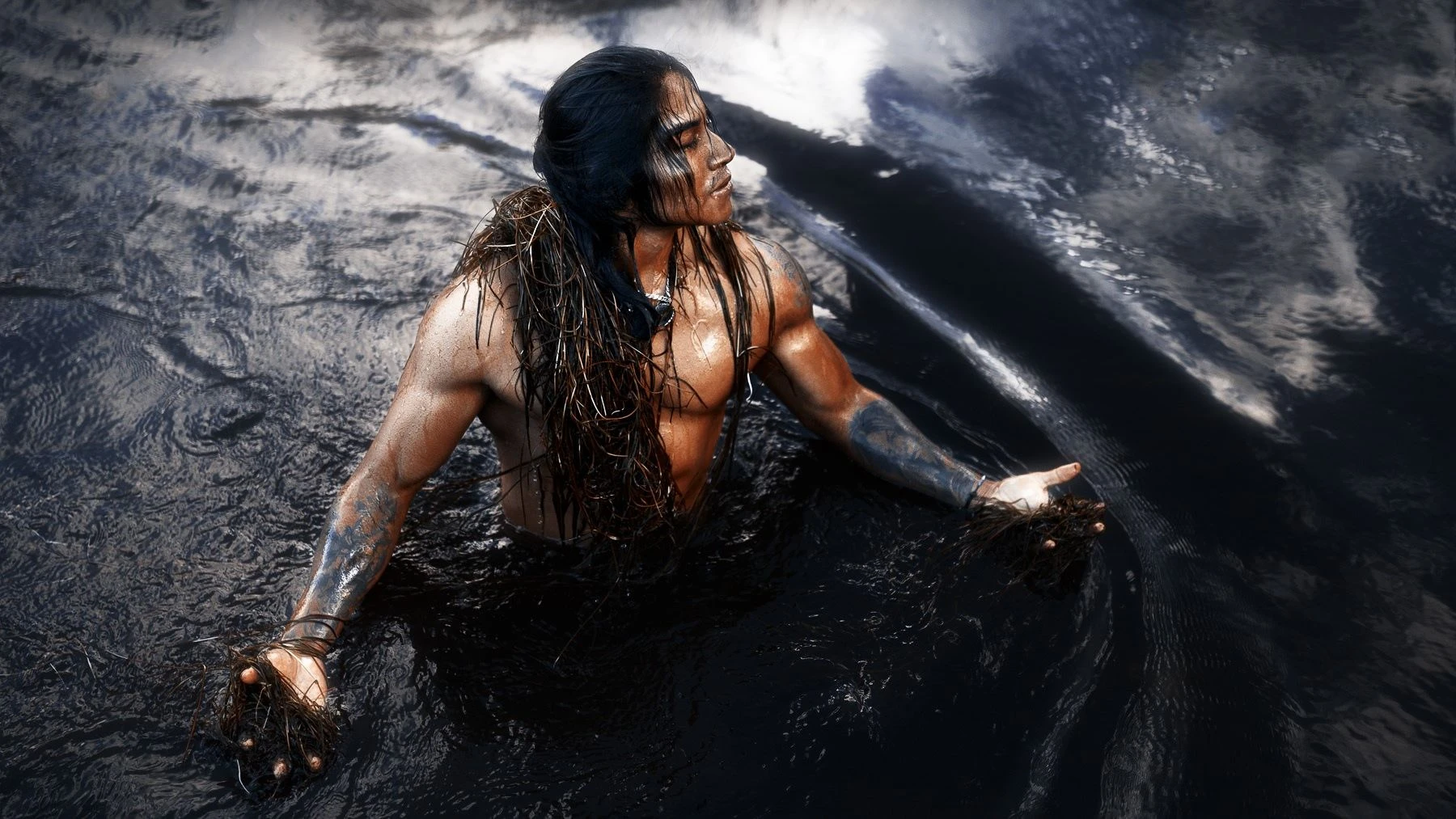
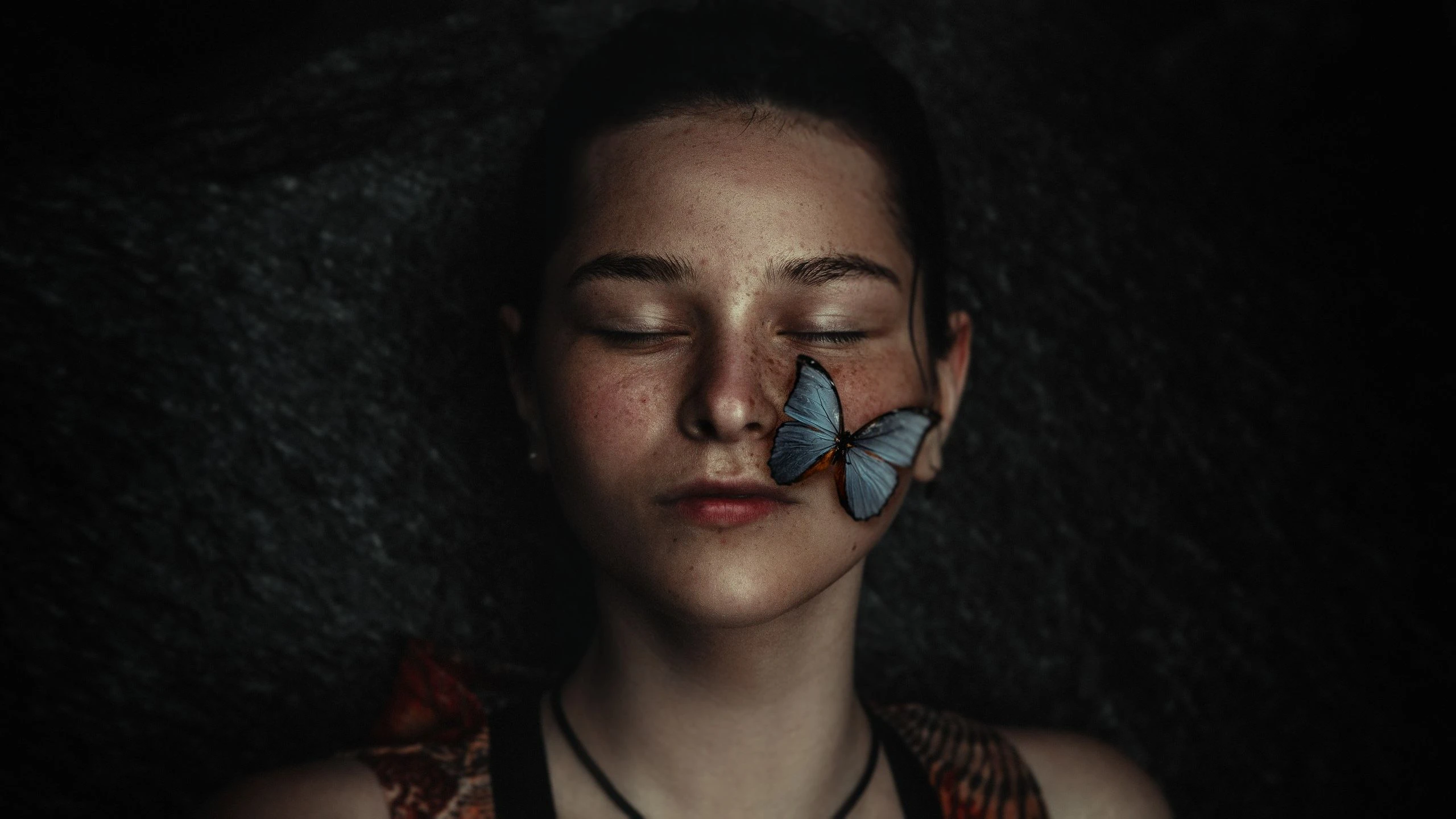
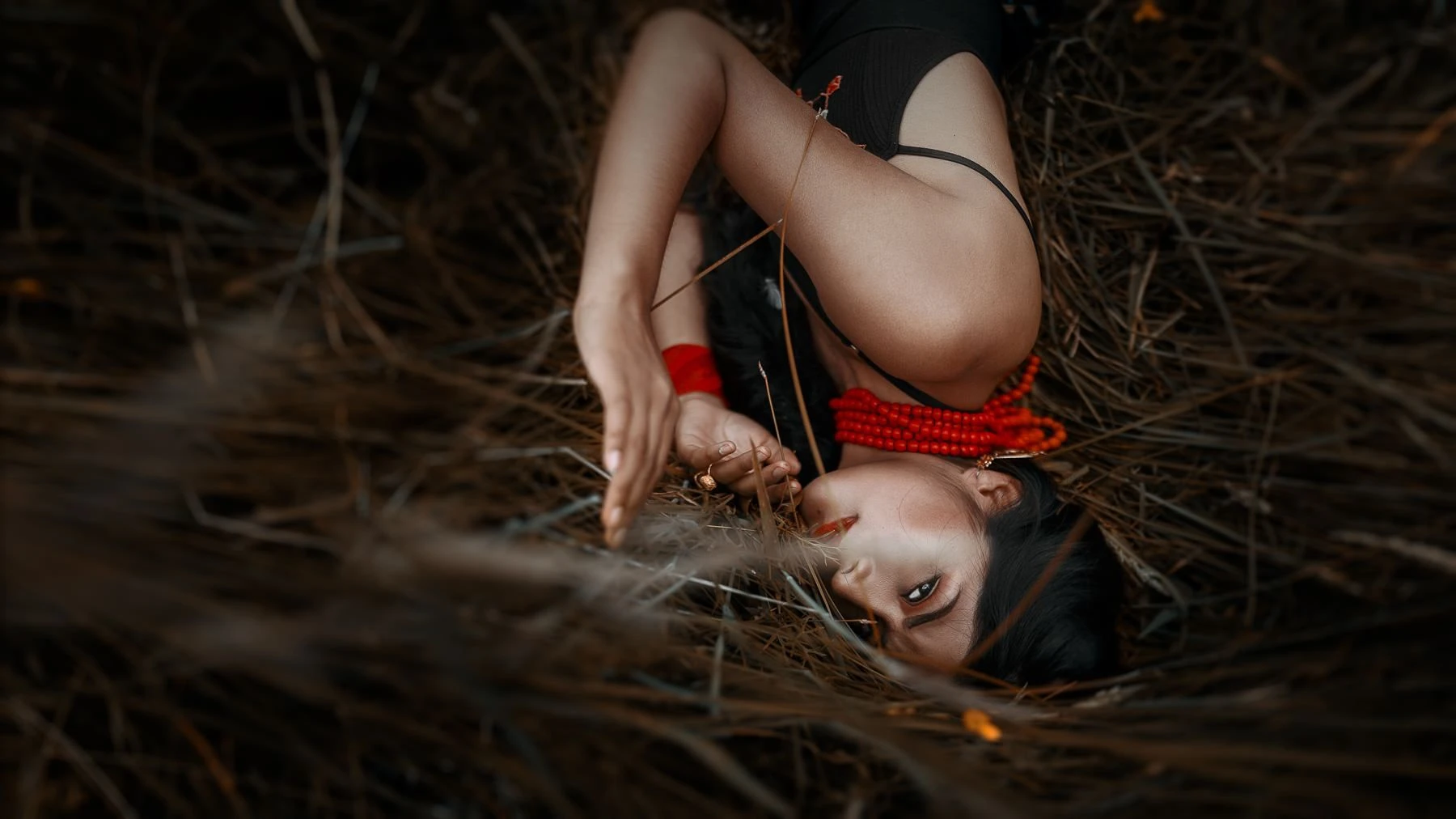
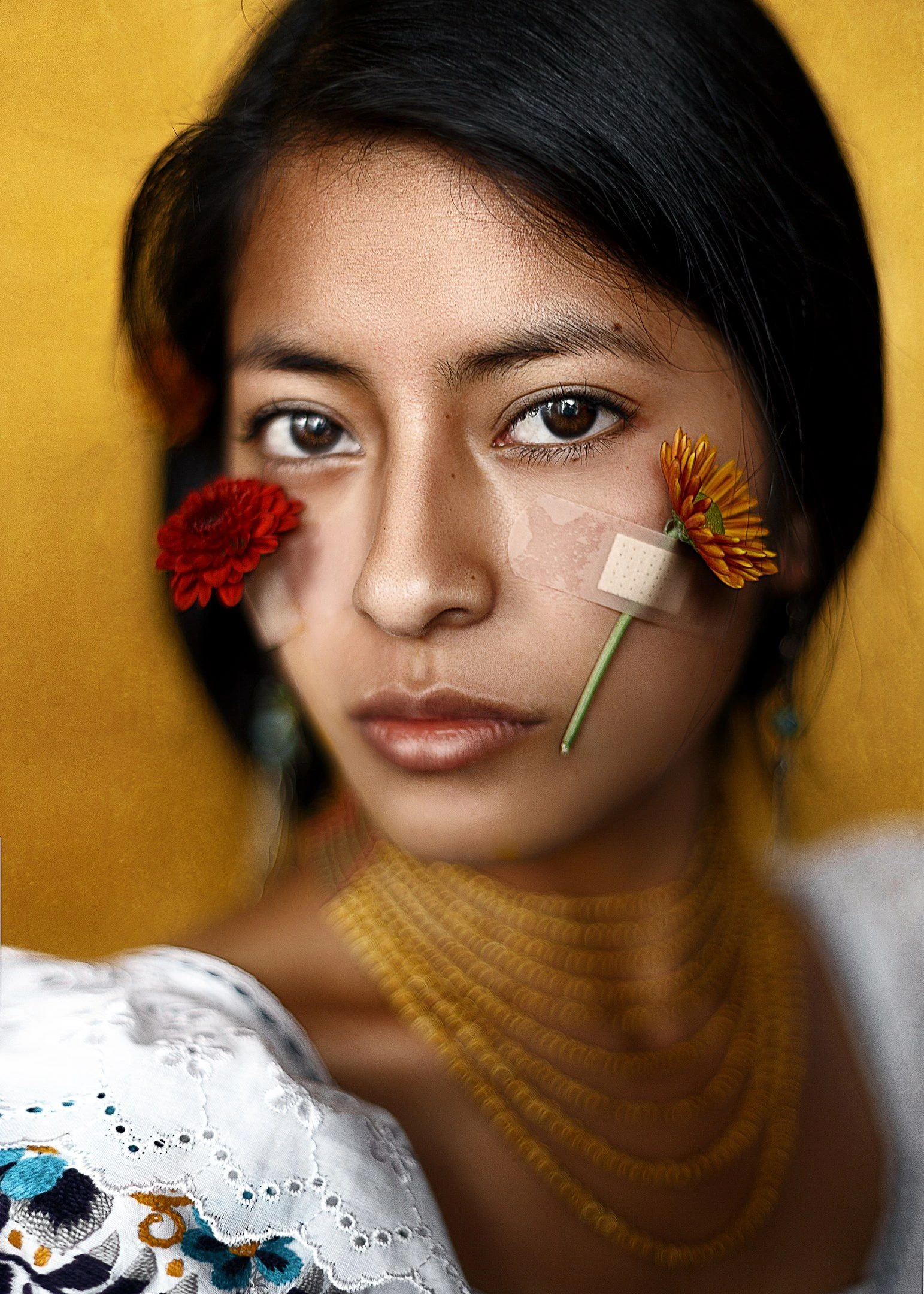
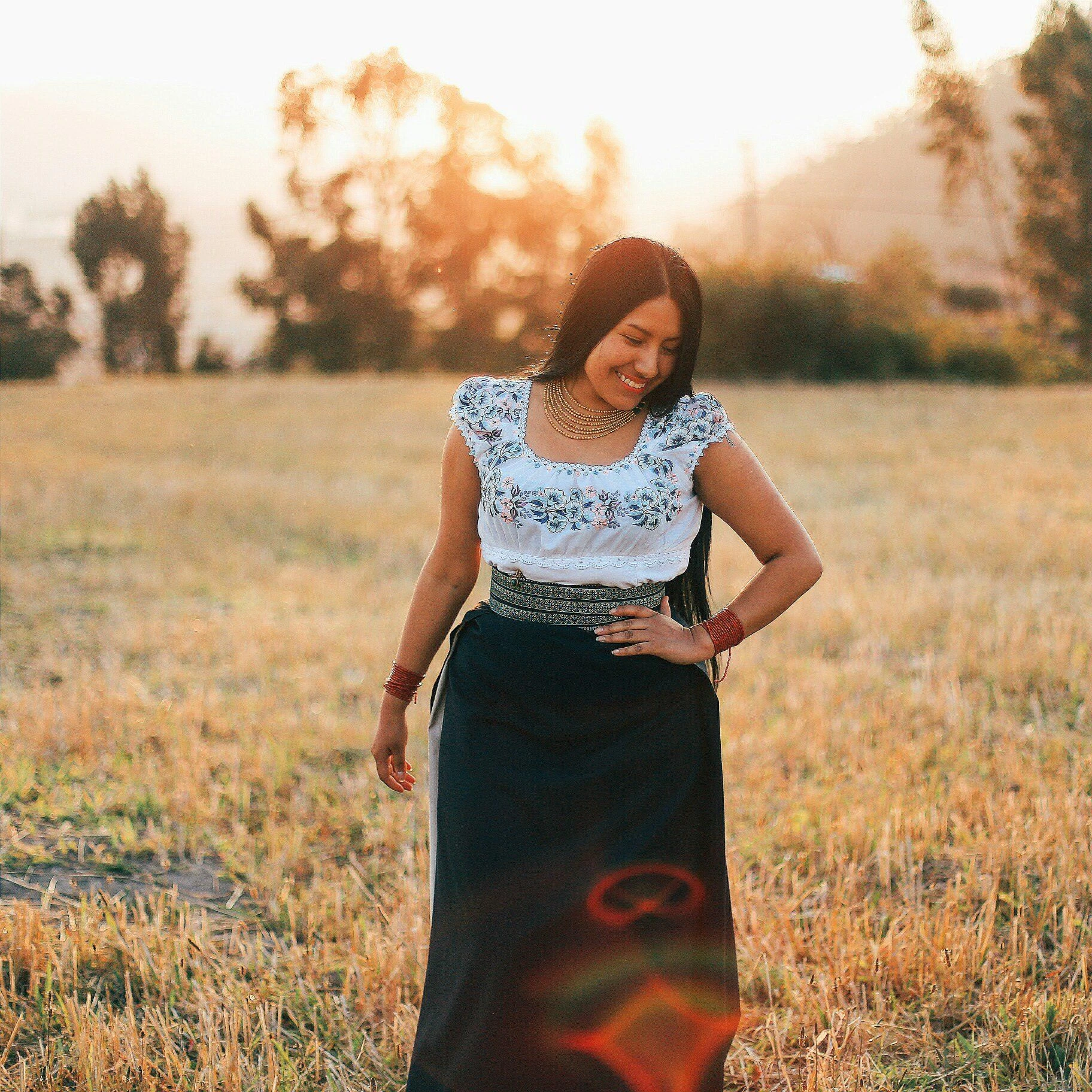
Most of my photographs are dedicated to human harmony with nature. I use indigenous girls for the subjects. I do this to create new feelings and emotions, and to break some stereotypes, demonstrating that a native girl in traditional dress can evoke a sea of emotions.
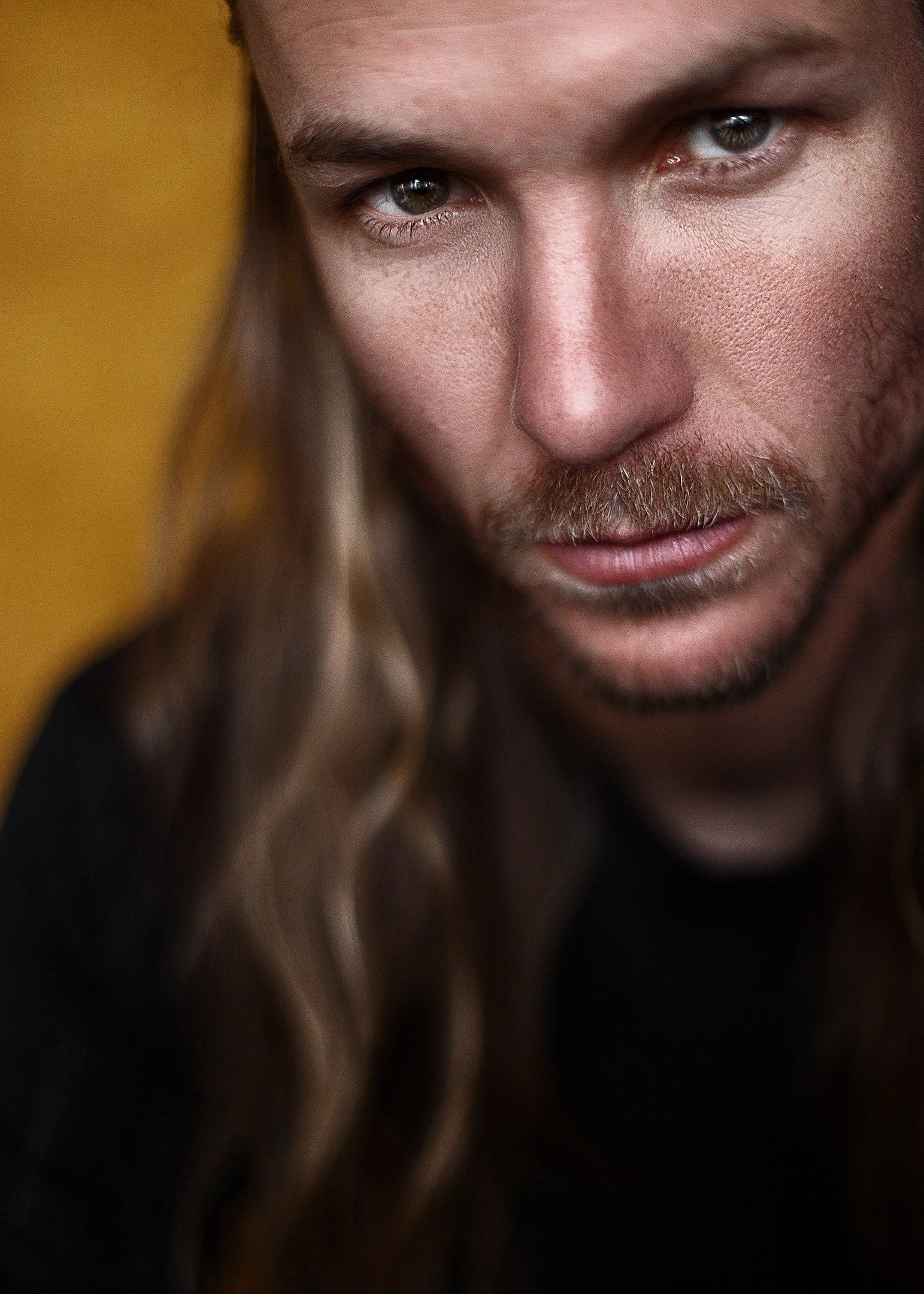
In each photograph, I try to convey the sentimental burden of peace or nostalgia of a person surrounded by nature. This applies to all of us. For editing, I mainly use Photoshop and rarely Lightroom.
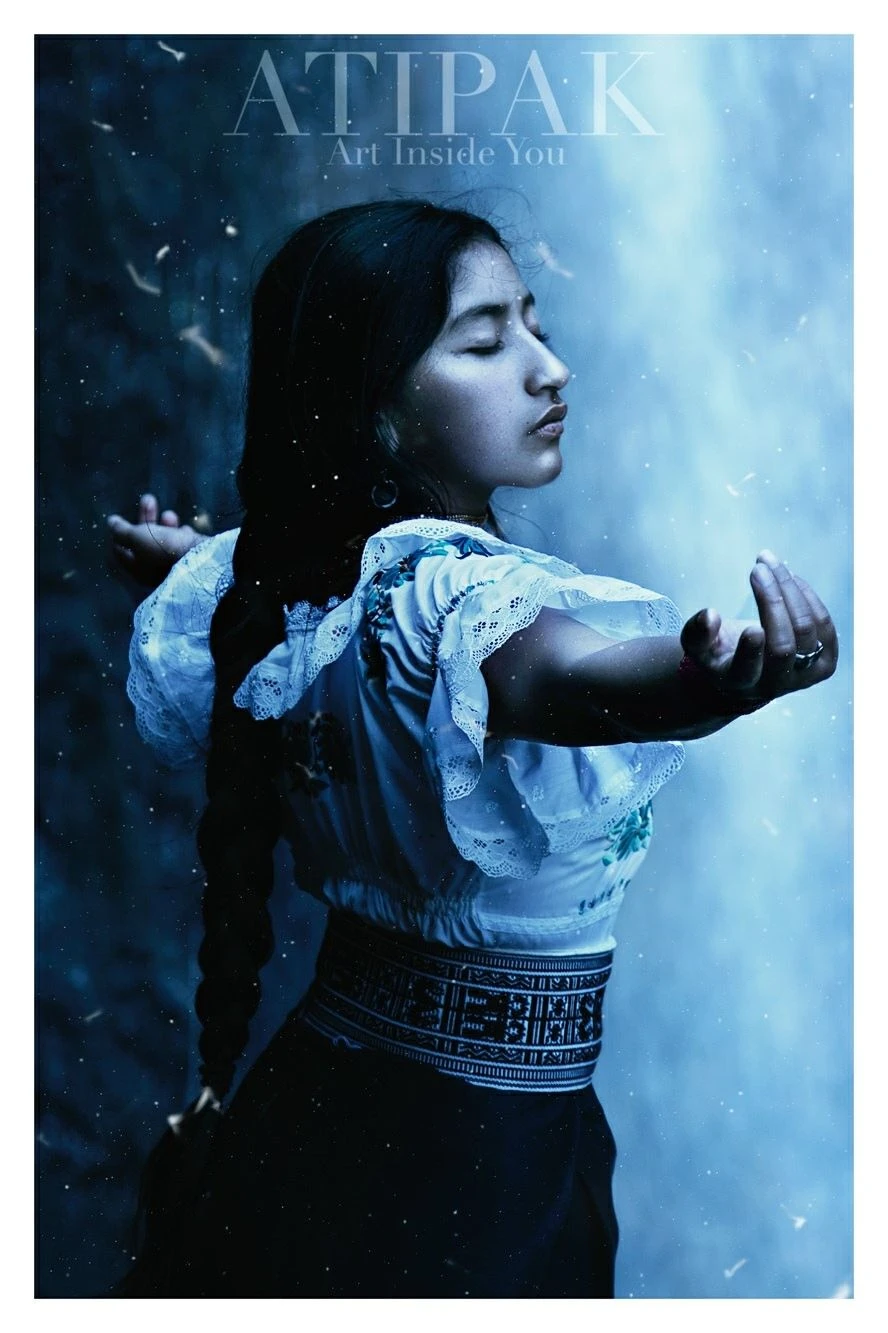
I open the photo in Camera Raw and make basic adjustments to highlights, shadows, and sharpness. Then I open the image in Photoshop and start with frequency separation, working on the textures and volume, removing unwanted colors, working on contrast, and most importantly, to enhance the photo's emotion and create atmosphere, I add fog or highlights.
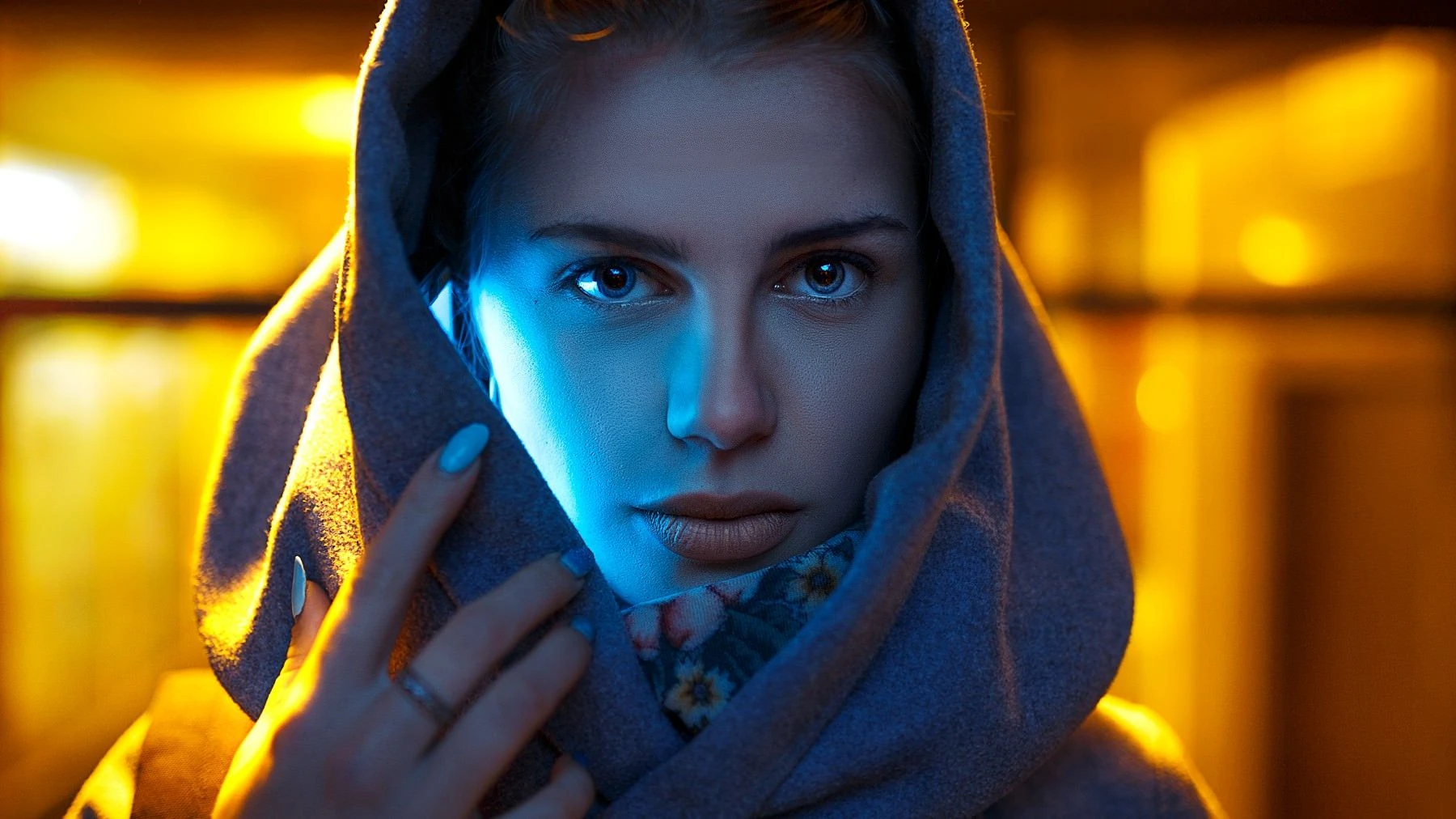
I work with a Canon 6D + Canon 24-105mm f4 + Canon 50mm f1.4 + Sigma 35mm f1.4 ART. I still don't have a favorite lens, but I love all the lenses I own. Each one gives me its own style.
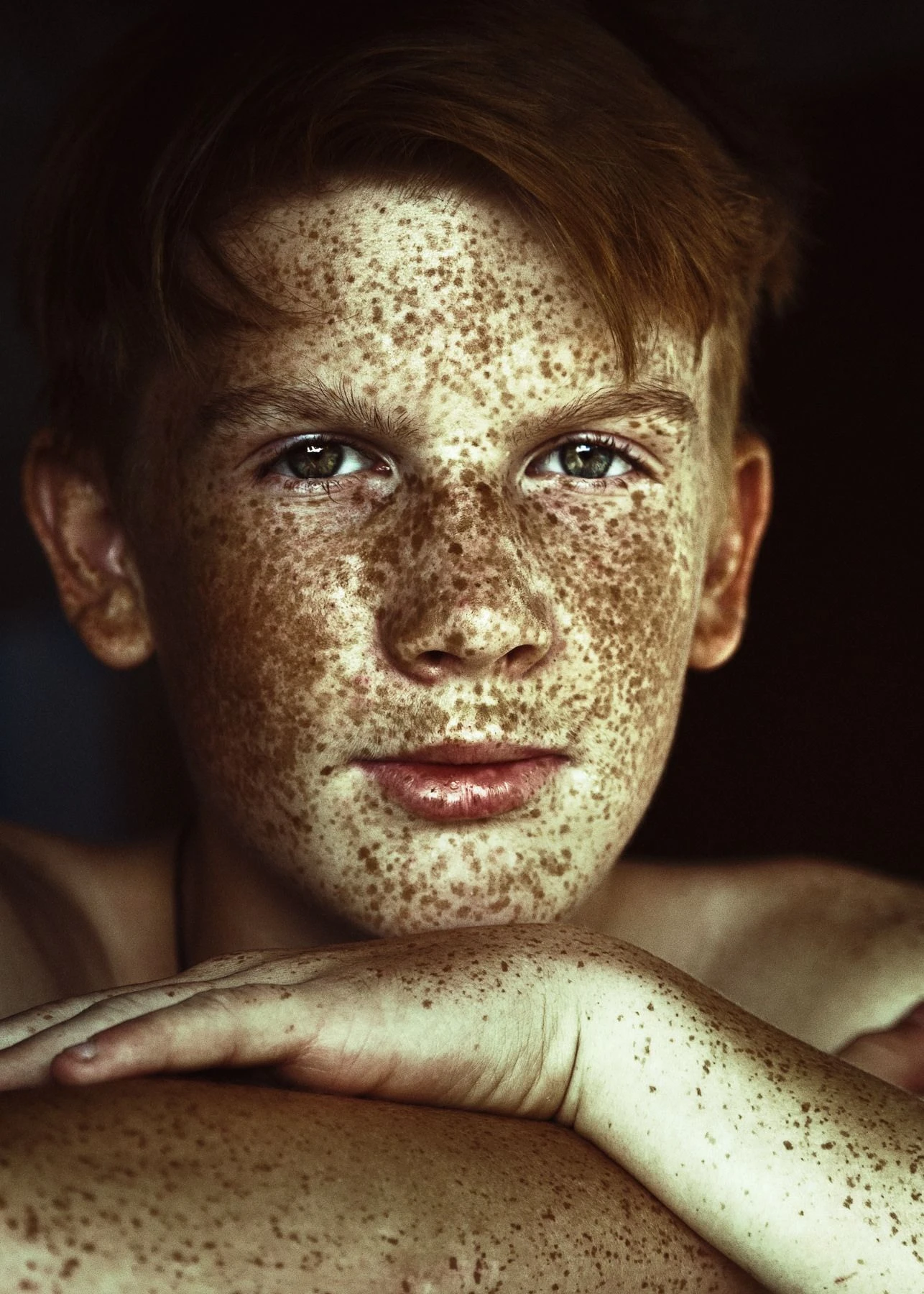
I always prepare for a shoot in advance. I spend about a week planning the location, finding a model, and choosing the right day, clothing, and accessories. I usually get a good shot within an hour or two, depending on the sun. I don't have a lot of time when the light is perfect.
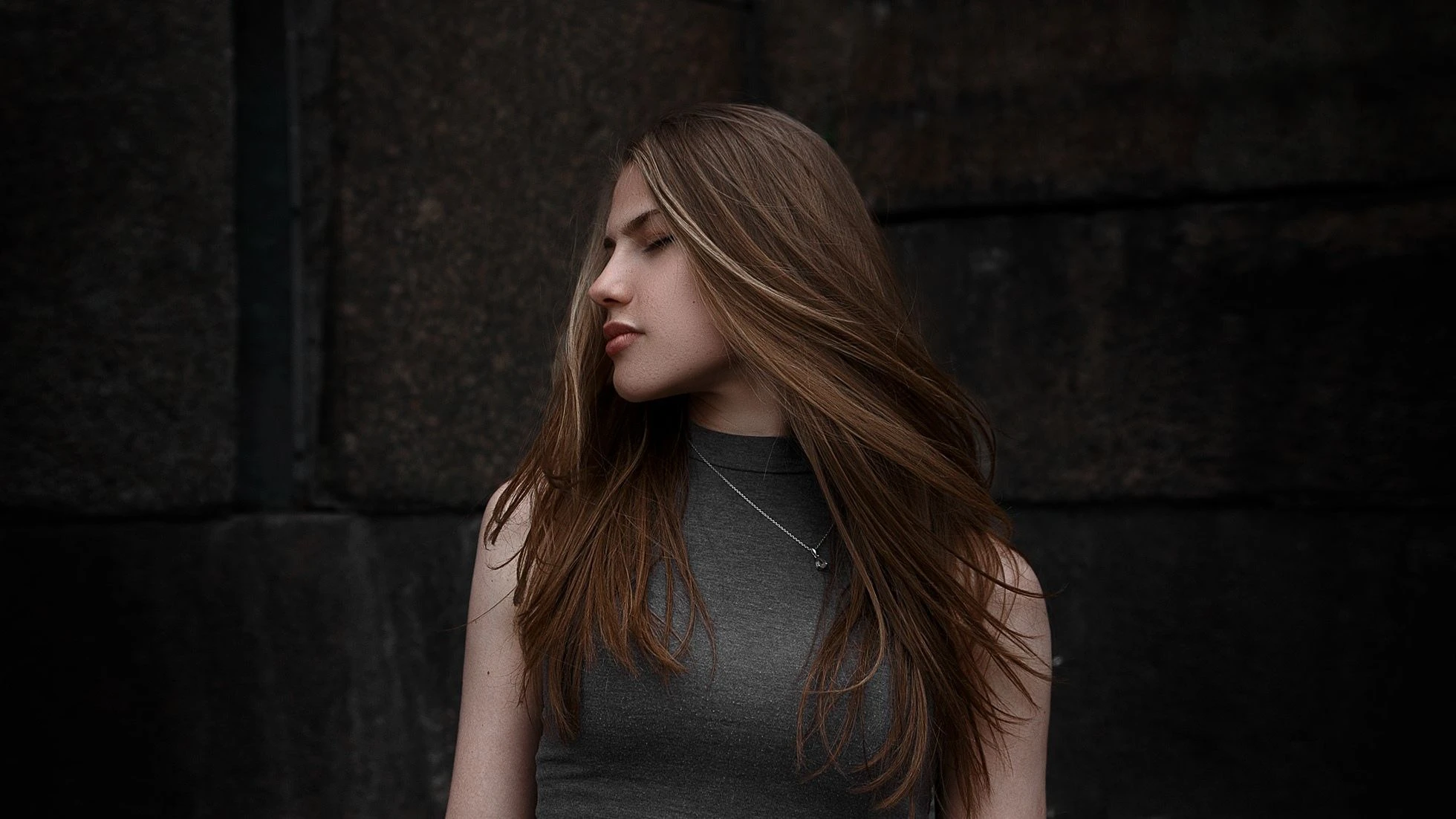
When I'm feeling uninspired, I simply put the camera down and seek refuge in music. I completely forget about photography, pick up my violin, and change my surroundings. This really helps me avoid overloading my mind with negativity.
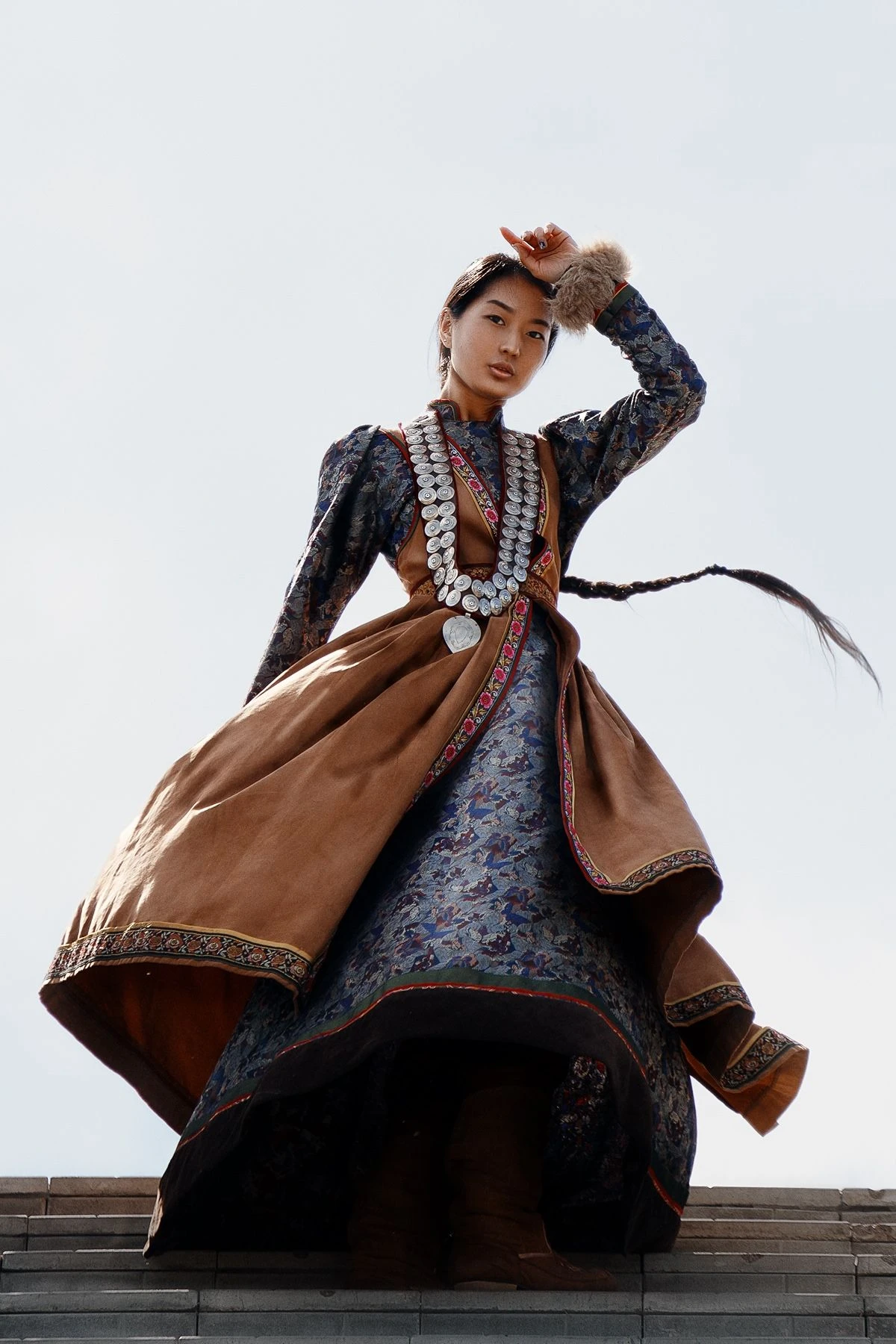
Obviously, there are also negative things in art that will prevent you from moving forward, but it's necessary to take a break and escape into another world of art, such as music or painting, read a good book, listen to music or watch movies, spend time with family, hang out with friends, and have fun.
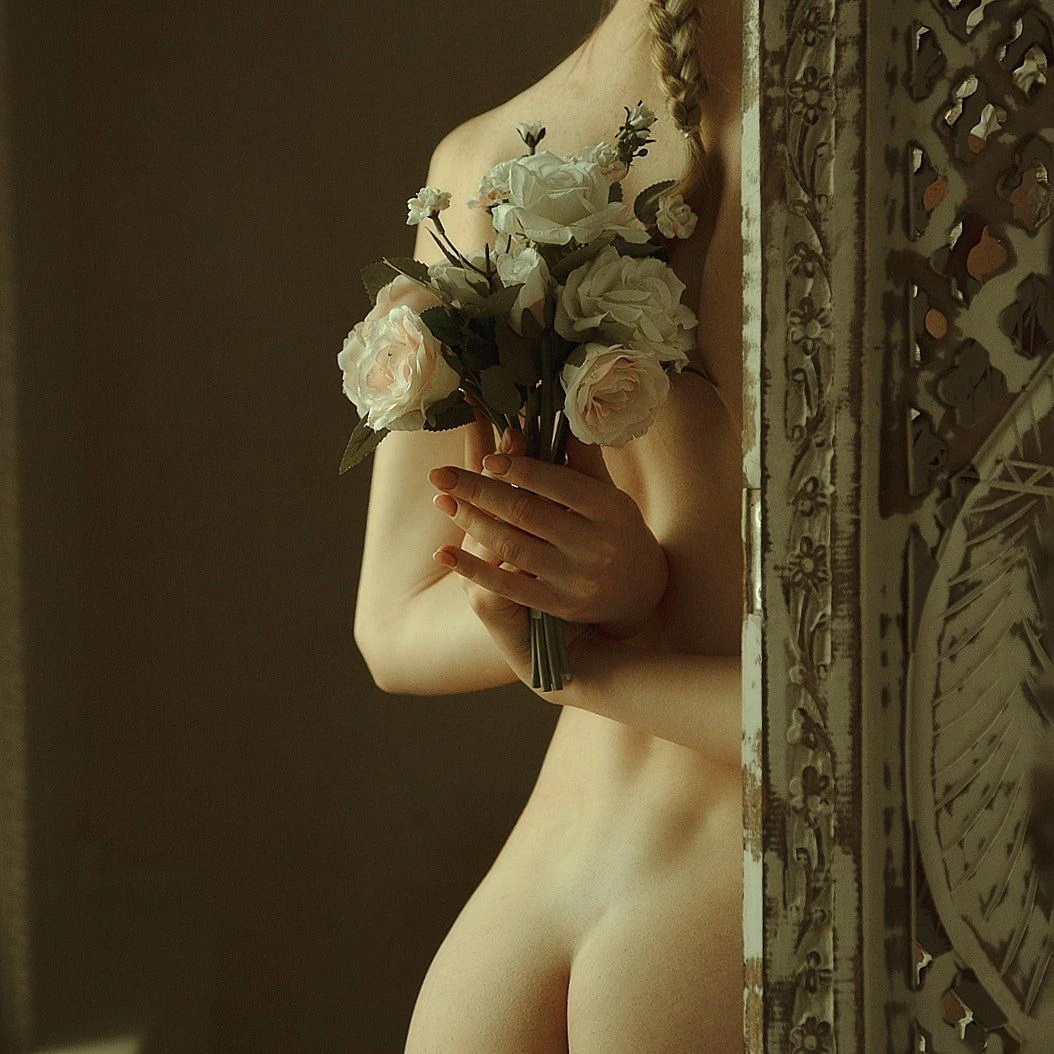
You shouldn't spend all your energy thinking about how to be more creative; rather, you should take some time to infuse your creativity with new ideas and emotions. So, when I lose inspiration while creating something new, I put everything aside and spend time having fun and filling my mind with other forms of art, and that's how new ideas spontaneously arise.
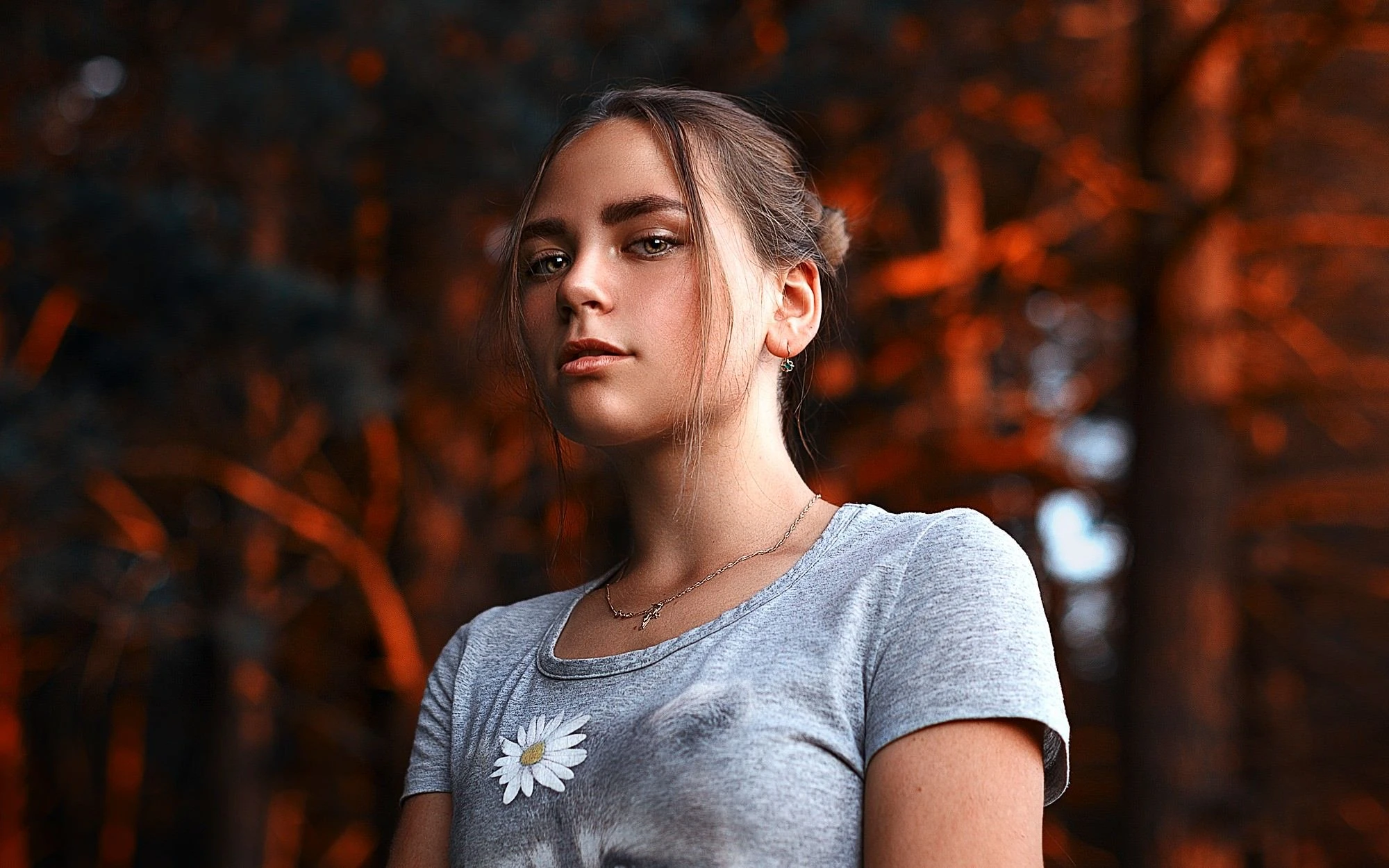
I strive to do things professionally. I strive to ensure my photographs have a high level of retouching and composition, and also convey emotion so that people who look at my photographs can see and feel the mood of my photographs. I think I focus most on ensuring my photos have an emotional charge and are well composed, along with a high level of retouching.
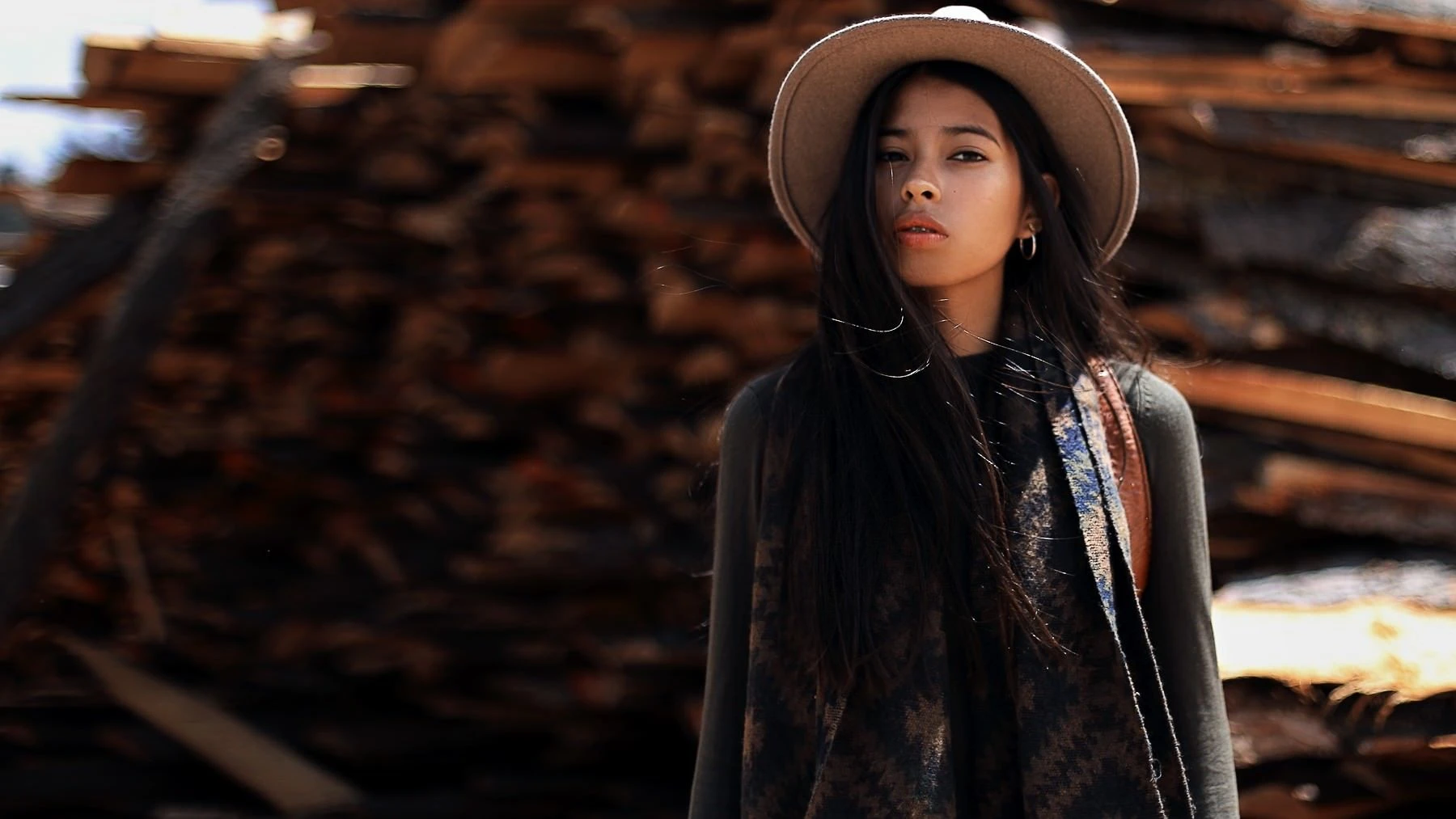
The advice I can give you is to take a lot of photos. No matter what mistakes you make, you'll have good photos and bad photos. Eventually, you'll instinctively improve. Just keep taking photos.
Travel, experience new places, new people, new cultures, because your mind has the ability to retain everything you've seen, and it will be reflected in your photographs.

Download
Archive size 5.41 Mb, downloaded 17 times