He Captured Stars Like No One Had Before – We'll Tell You His Secret (33 photos)
Art Kane came to photography from the chair of art director, bringing with him a completely different perspective on the image. Ultra-wide angles, low-angle shots, and hand-composed multiple slides long before Photoshop—his methods seem modern today, though they were invented 60 years ago. Jazz, haute couture, rock 'n' roll: he captured it all with the same keen eye. We present the archive of a photographer who was able to capture an entire era in a single frame. 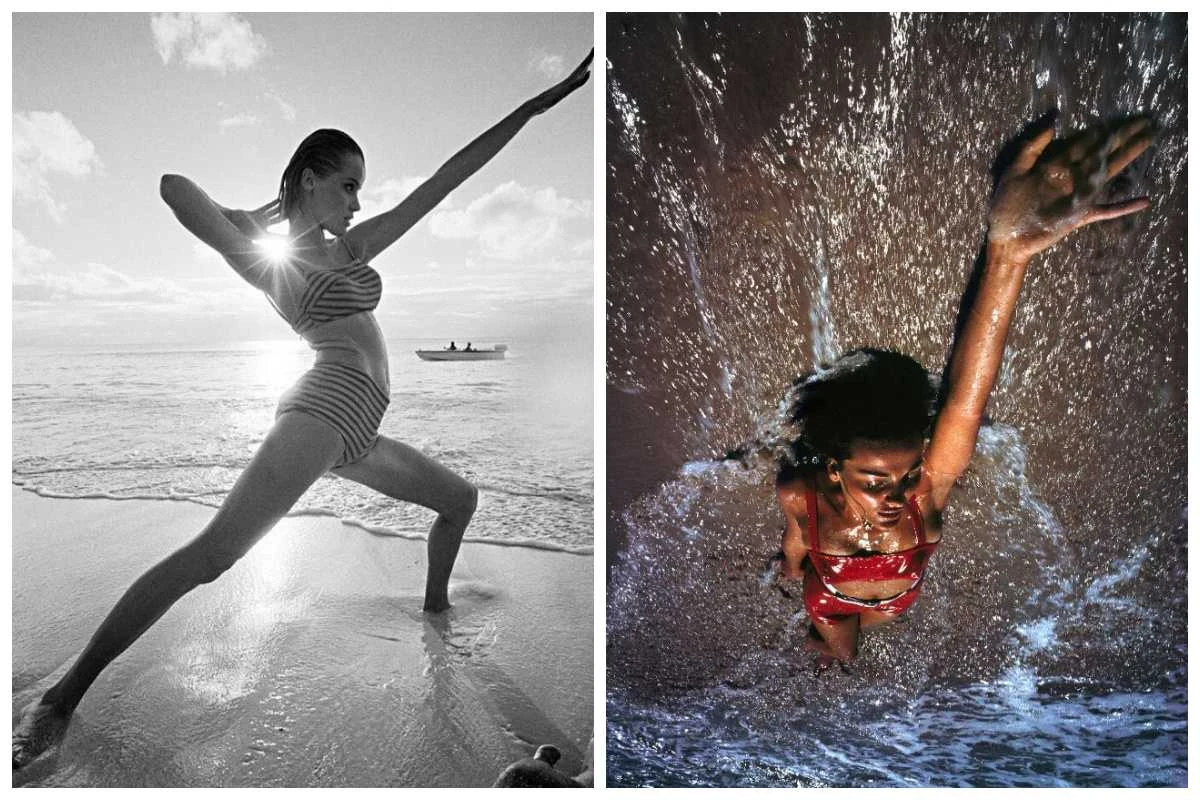
From Art Director to Photographer
Arthur Kanoffsky was born on April 9, 1925, in the Bronx, to a family of Jewish immigrants from the Empire. He adopted the name Art Kane later, in his professional life. During World War II, he served in the Ghost Army, where artists created false positions and disinformation for the enemy. This experience with illusion and scale later manifested itself in his photography. 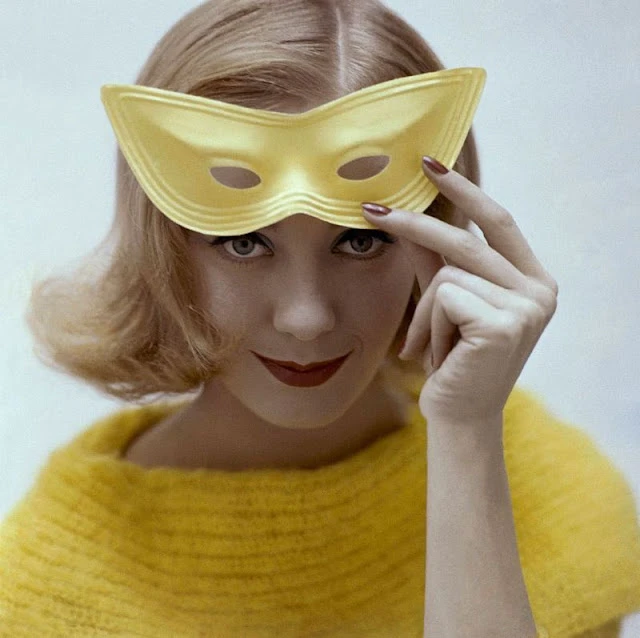
Yellow Mask is one of the most enigmatic images from Kane's early period, New York, 1960.
After Cooper Union, Kane began working at Esquire. At 27, he became art director of Seventeen magazine, the youngest at a major New York publication at the time. Gradually, he became increasingly drawn to the other side of the camera. He studied photography with Alexey Brodovitch, the legendary art director of Harper's Bazaar. Brodovitch mentored an entire generation of American photographers.
"A Great Day in Harlem"
On August 12, 1958, Art Kane arrived in Harlem—at 17 East 126th Street. The building stood between Fifth and Madison Avenues. He was on assignment for Esquire: to gather New York's finest jazz musicians in one place. The shoot was scheduled for 10 a.m., and the cover story was the Golden Age of Jazz. The musicians appeared one after another—Dizzy Gillespie, Thelonious Monk, Count Basie, Charles Mingus, Coleman Hawkins, Sonny Rollins. A total of 57 people had gathered, police blocked off the street, and Kane captured the whole scene in one shot with a Hasselblad camera. 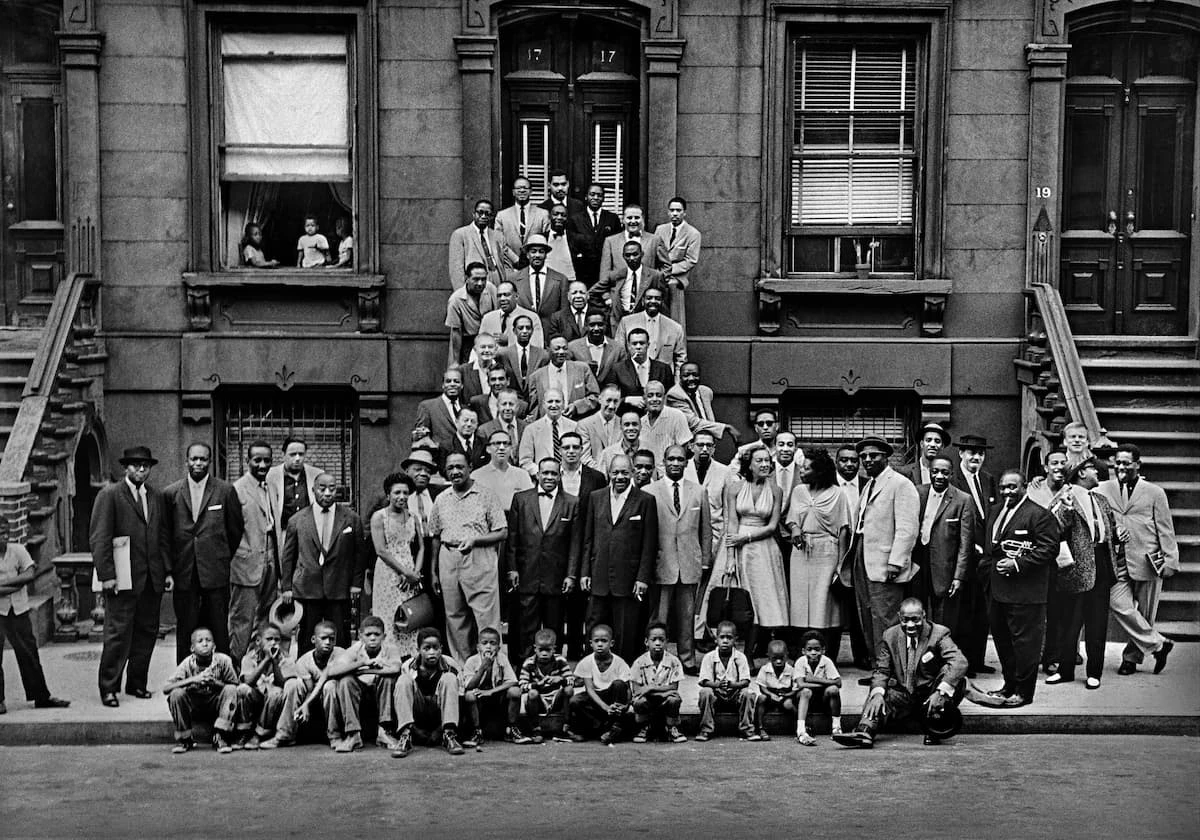

In 1958, an inexperienced photographer gathered 57 jazz legends in Harlem at 10 a.m. – and captured a photo that hangs today at MoMA.
The photo was published in the January 1959 issue of Esquire under the title "Harlem 1958." It was later retitled "A Great Day in Harlem." It was Kane's first professional reportage photograph. It immediately earned him a gold medal from the New York Art Directors Club. In 1994, a documentary about the shoot was nominated for an Oscar. In 2021, the block on East 126th Street was officially renamed "Art Kane Harlem 1958 Place."
Fashion: Wide Angle and Low Angle
When Kane entered fashion photography, he brought with him the habits of an art director and completely adapted them for the camera. He was the first to widely use an ultra-wide-angle lens with a focal length of 21mm. He shot from low, almost at the ground. The model in the frame was monumental, and the background was elongated and dynamic. In 1962–1963, he photographed Dolores Wattach, Veruschka, Natalie Wood, Romy Schneider, and Wilhelmina for Vogue. Not like mannequins in clothes, but as characters with personalities.
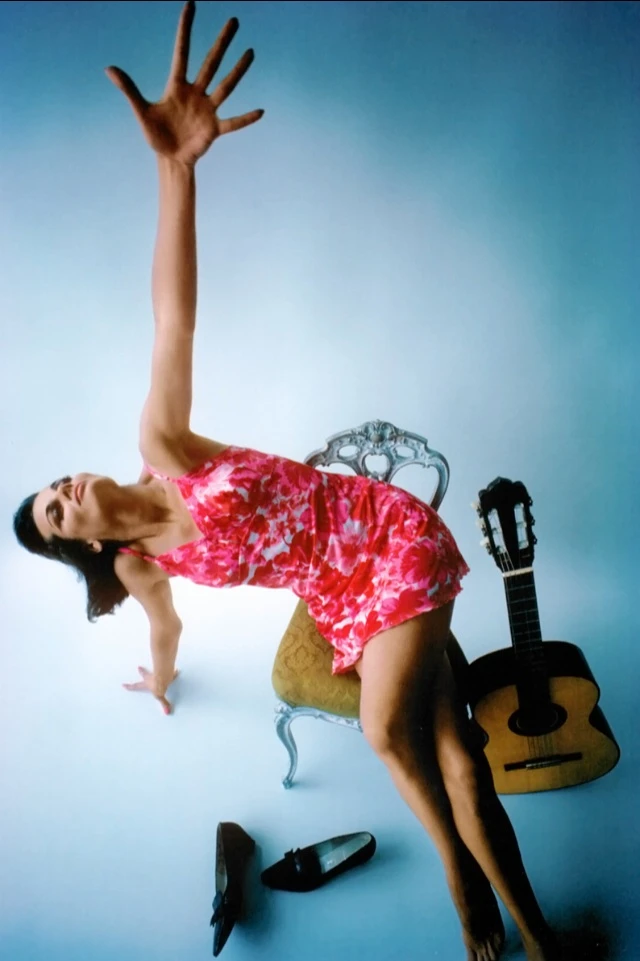
Dolores Wattach in a Hollywood Vassarette floral slip and black Evins lizard-skin pumps, Vogue, September 1962.
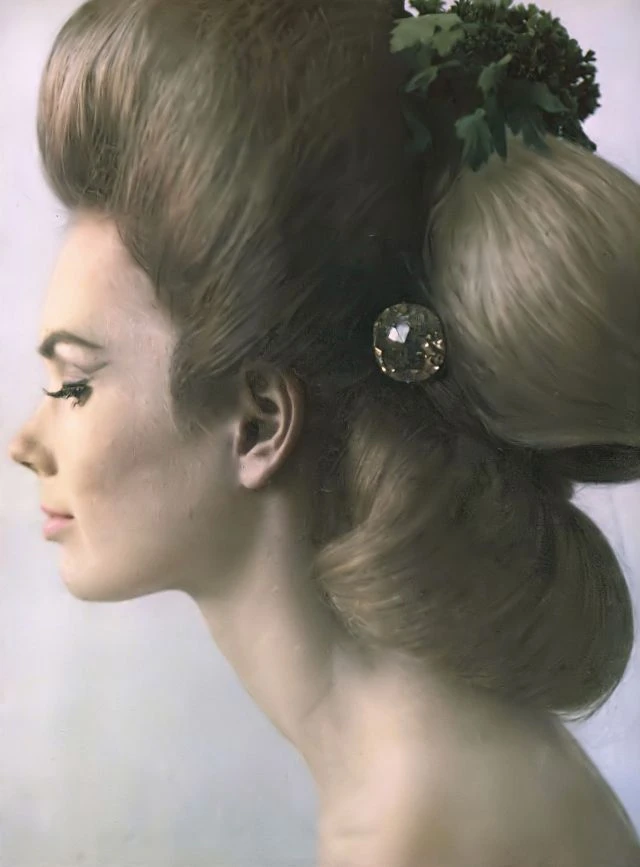
The model wears a geisha-style hairstyle by Kenneth Batella and a rare canary diamond of almost 100 carats by Van Cleef & Arpels, Vogue, October 1962.
Kane also pioneered the "sandwich" technique: he combined several slides into a single frame. All done by hand, on a light table, without any software. The resulting images straddled the line between photography and illustration—three decades before the advent of Photoshop.
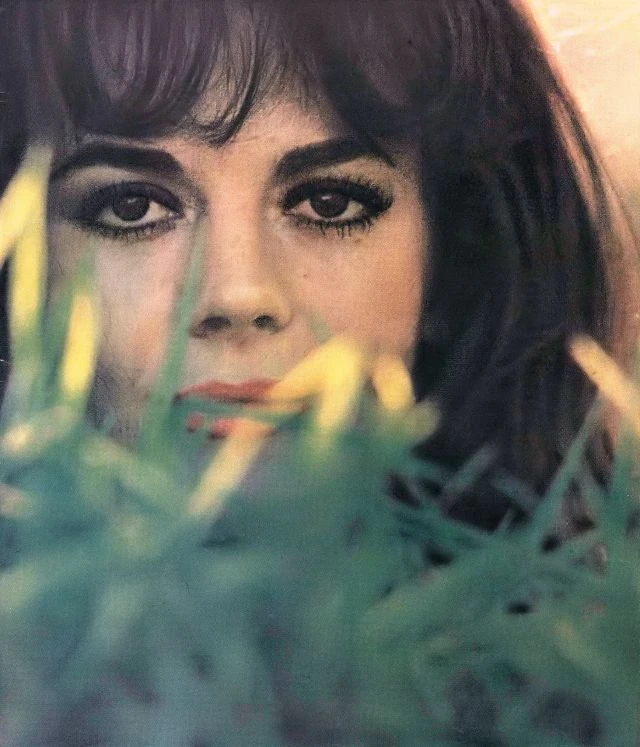
Natalie Wood through Art Kane's lens, Vogue, June 1962.
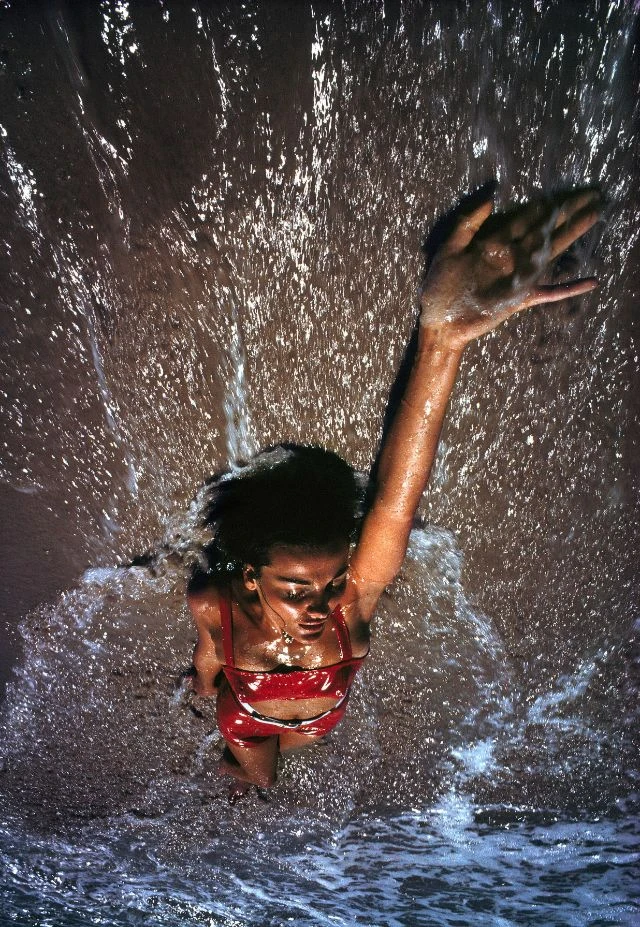
A red swimsuit in Kane's relaxed, almost reportage-style shoot, circa 1962.
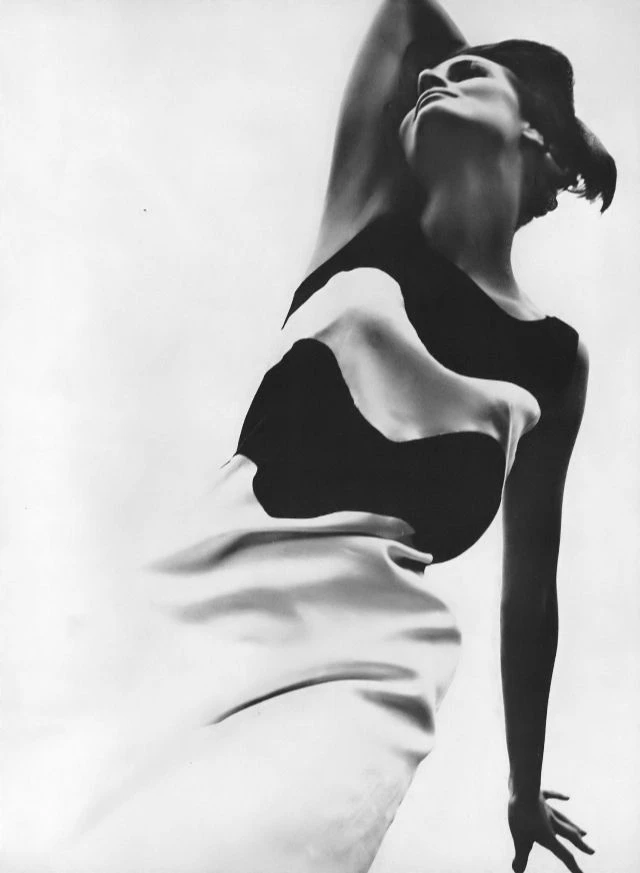
Dolores Wattach in a tight black and white linen dress by B.H. Wragge – Kane's signature graphics in action, Vogue, December 1962.
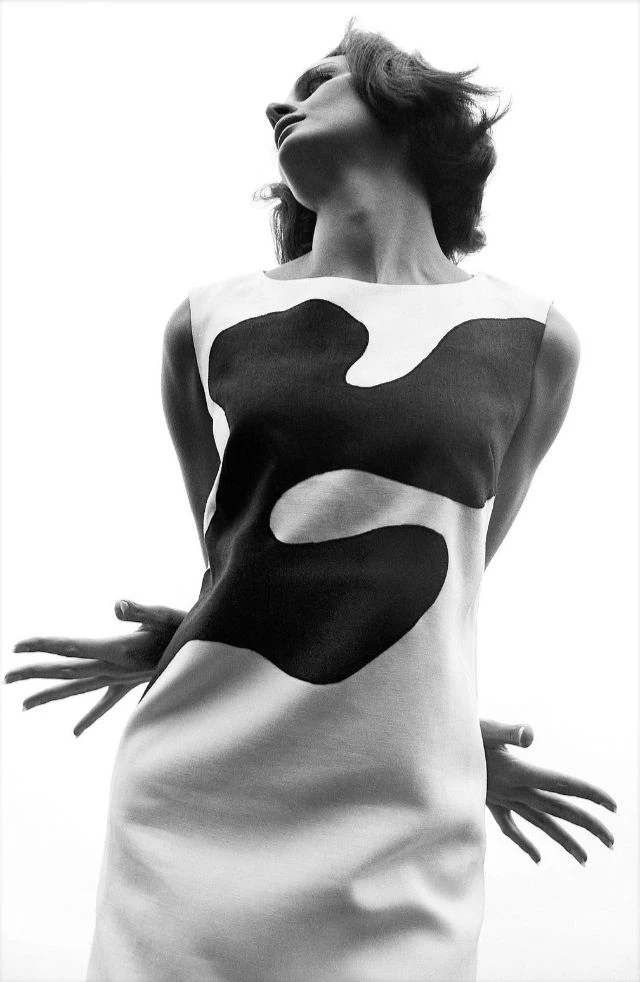
Art Kane fashion shoot, 1962.
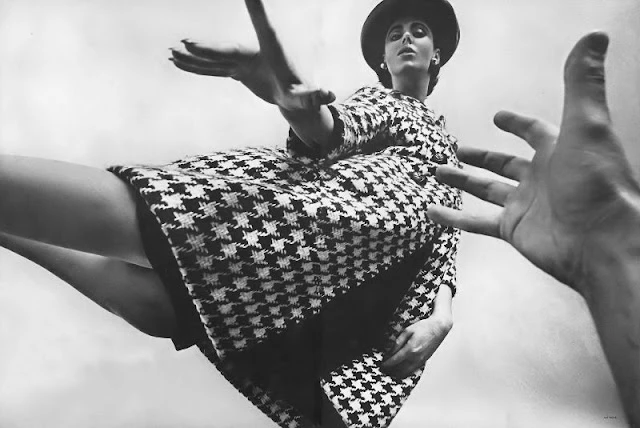
Maggie Eckardt in a black and white houndstooth wool coat by Ben Zuckerman, leather hat by Irene New York, Vogue, August 1962.
Vogue: 1962–1963
In 1962, Kane photographed Romy Schneider on the set of the film "Boccaccio '70," wearing a Chanel suit. It wasn't a studio shoot: the actress was between takes, giving the image a lively, unposed energy. The following year was no less busy for Kane, who continued shooting for Vogue. He increasingly returned to one model, Dolores Wattach, whose collaboration with the photographer lasted several years.
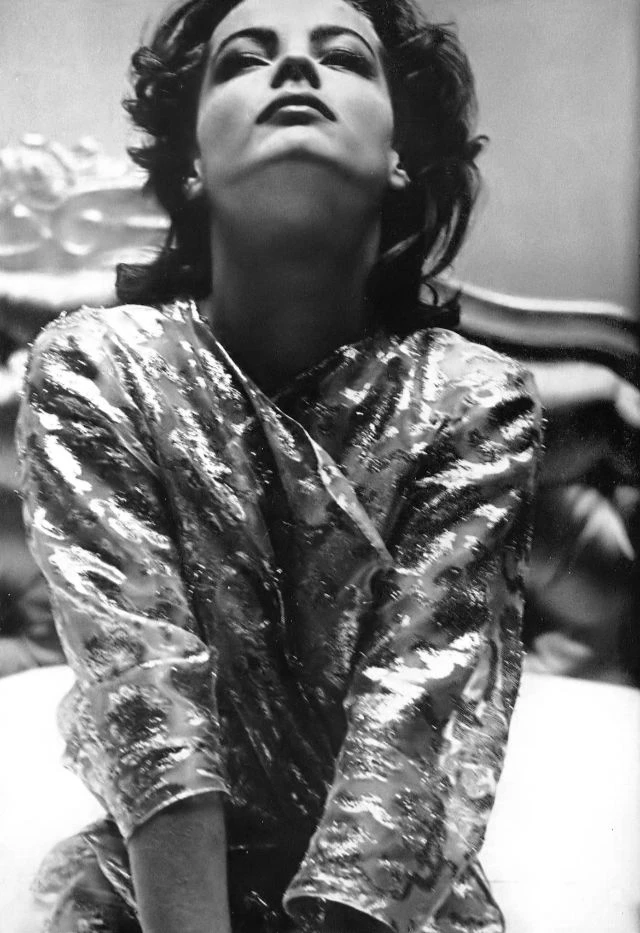
Romy Schneider in Chanel on the set of "Boccaccio '70" — Kane caught the actress between takes, Vogue, August 1962.
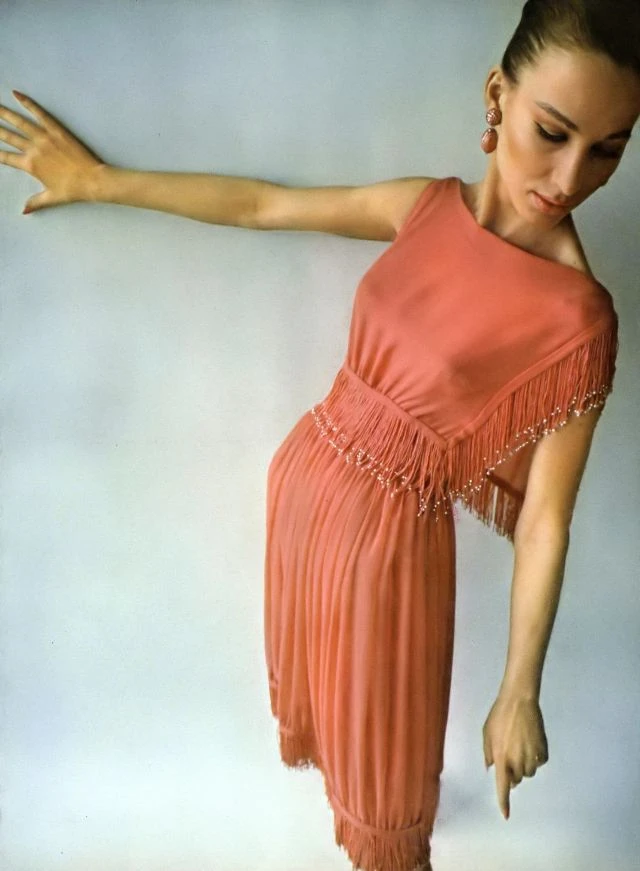
Brigitte Bauer in a short orange silk chiffon evening dress by Leslie Morris, KJL earrings, Vogue, April 1963.
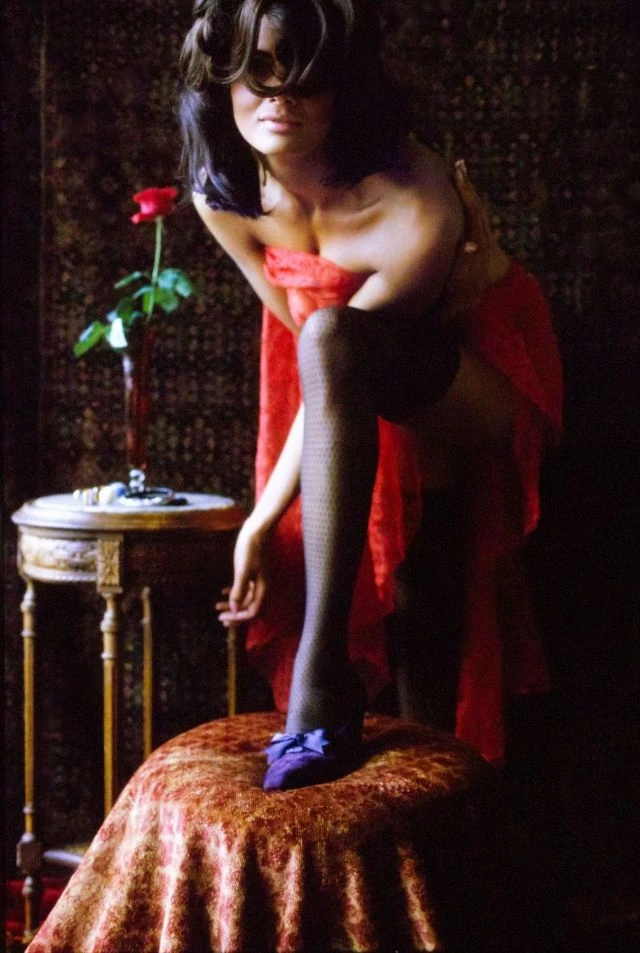
Dolores Wattach, Vogue, August 1963.
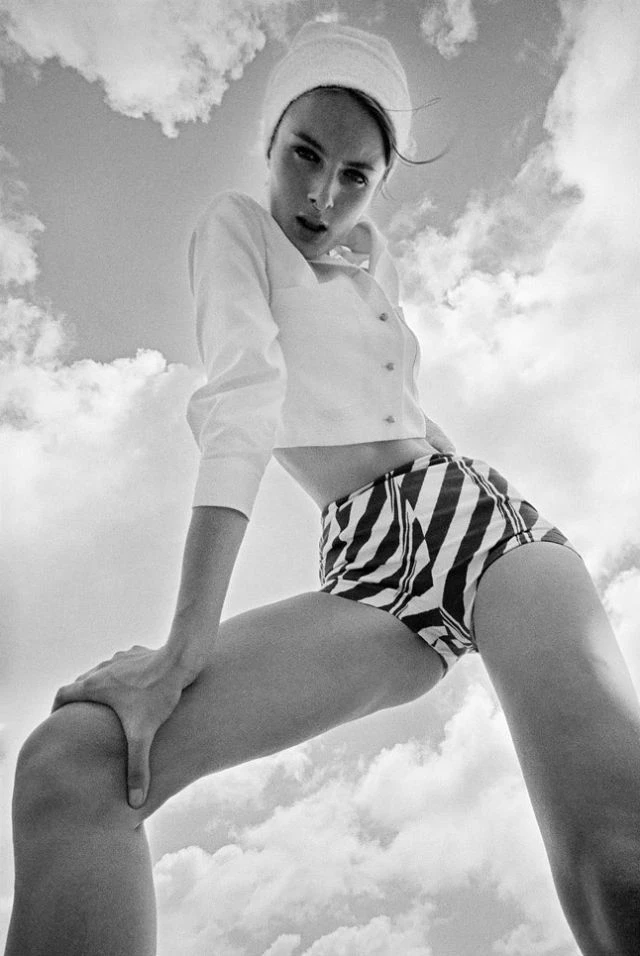
Art Kane fashion shoot, 1963.
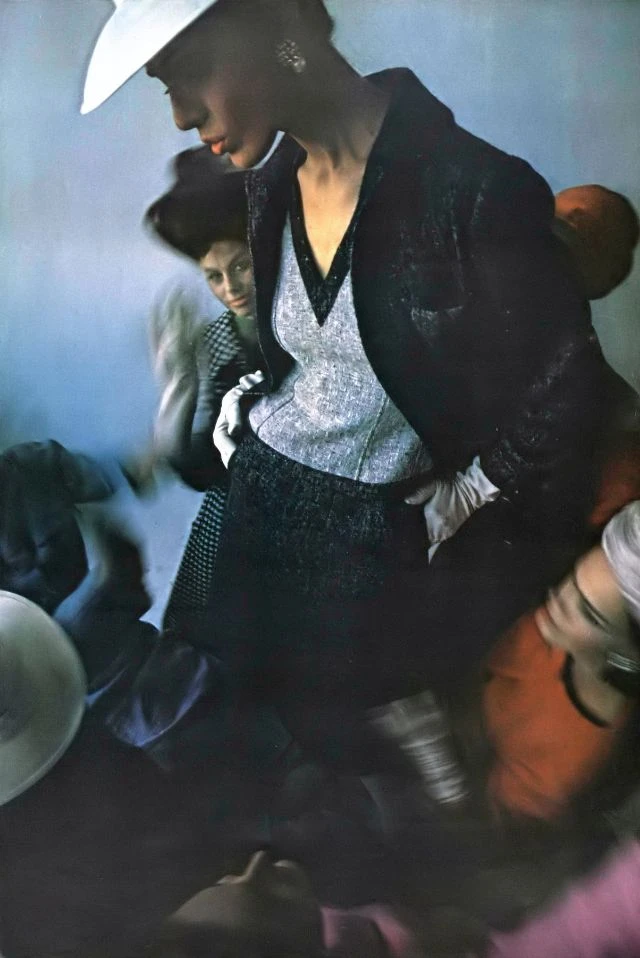
Model in a blue denim wool suit by Christian Dior-New York, Vogue, February 1963.
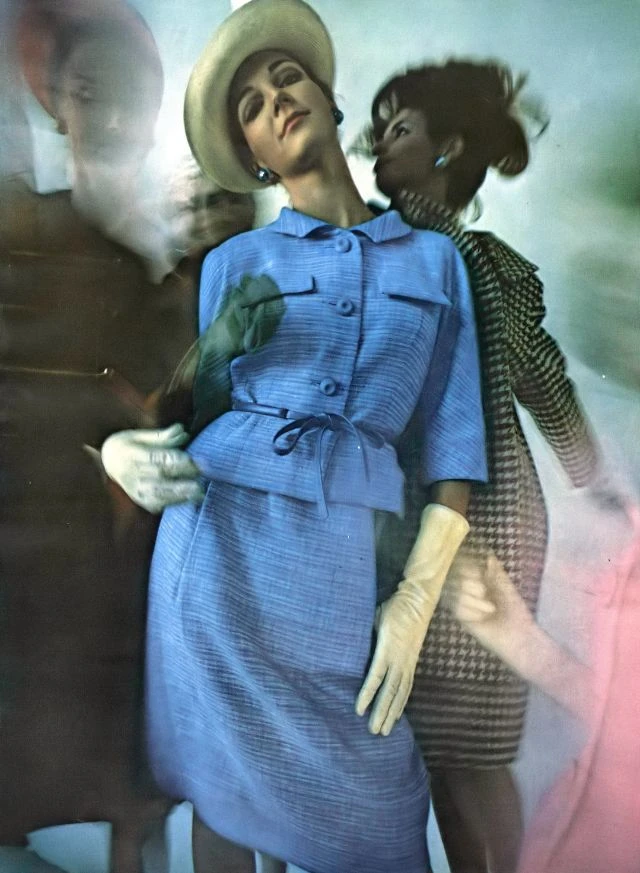
Model in a blue tweed suit with a leather belt by Adele Simpson, hat by Adolfo, Vogue, February 1963.
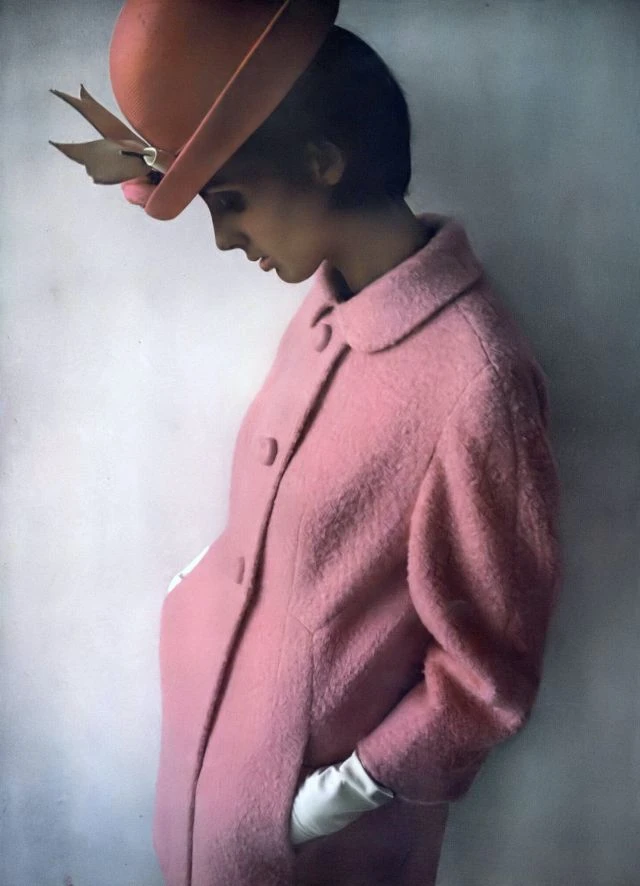
Tilly Tizzani in a pink wool Brittany coat, hat by Lilly Daché, Vogue, April 1963.
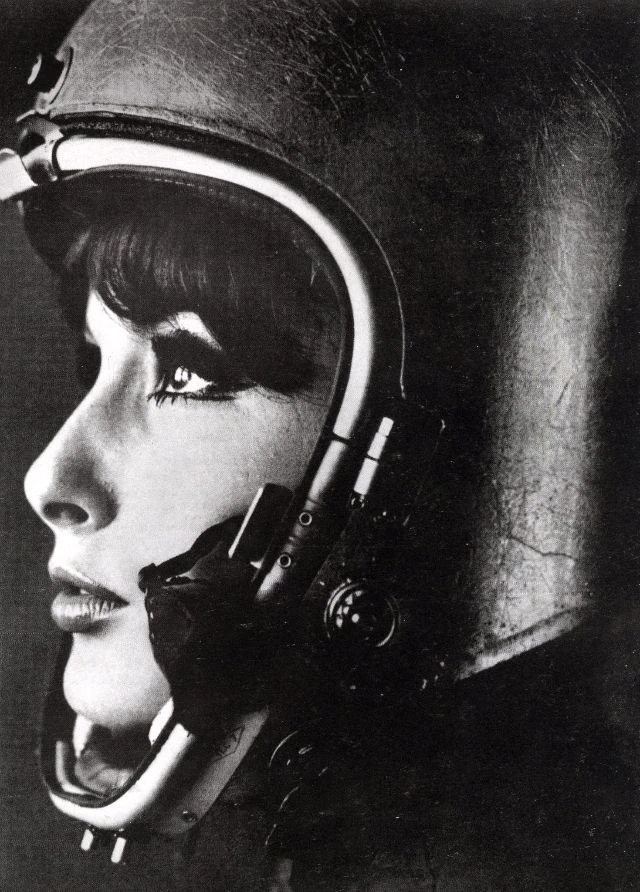
Another shot from Kane's fashion series, 1962.
Veruschka, Wilhelmina, and filming abroad
In the spring of 1963, Veruschka, the model whose name would later become synonymous with the era, first appeared in Kane's shots. At the same time, he was actively photographing Wilhelmina Cooper. Their shoots are distinguished by their meticulous attention to detail, where jewelry, hairstyle, and the texture of fabric became as expressive as the model's pose. And in 1965, Kane traveled to Turkey to shoot for Vogue. The series featuring Dolores Wattach in traditional Turkish wooden platform shoes became one of the most unusual in his portfolio for its combination of cultures and textures.
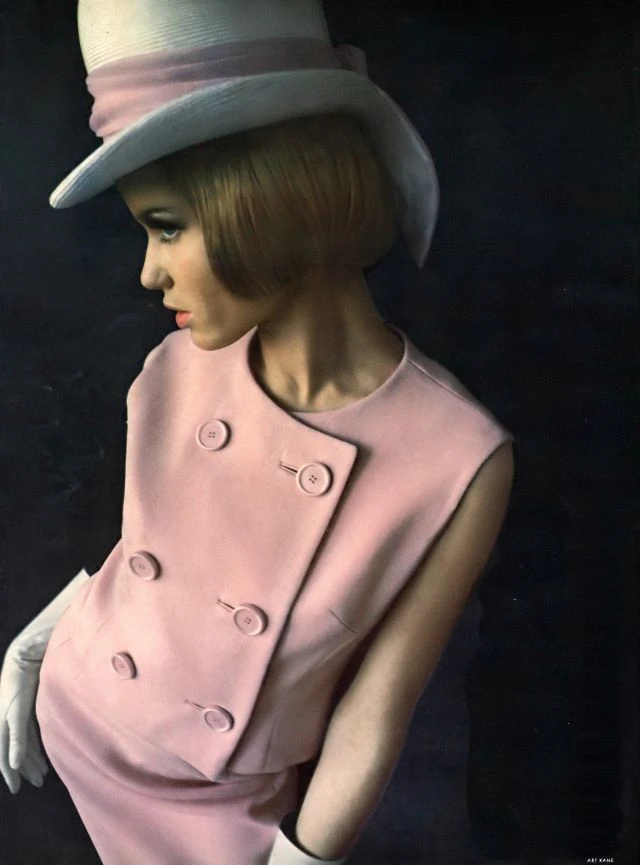
Veruschka's double-breasted Matlin wool suit is a characteristic Kane work with silhouette and light, Vogue, April 1963.
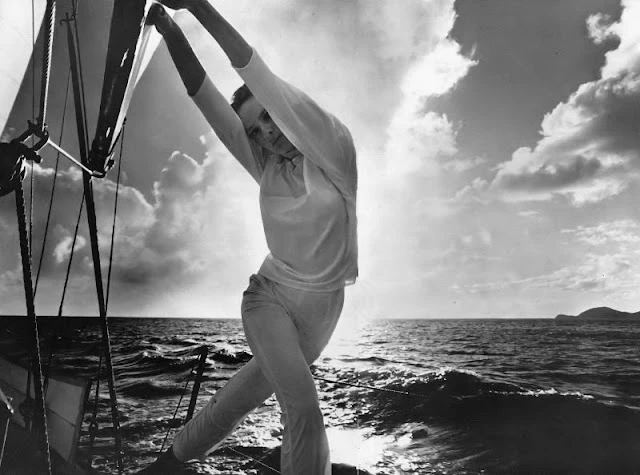
Ernst Engel white nylon ciré blouse and trousers on Veruschka, Vogue, May 1963.
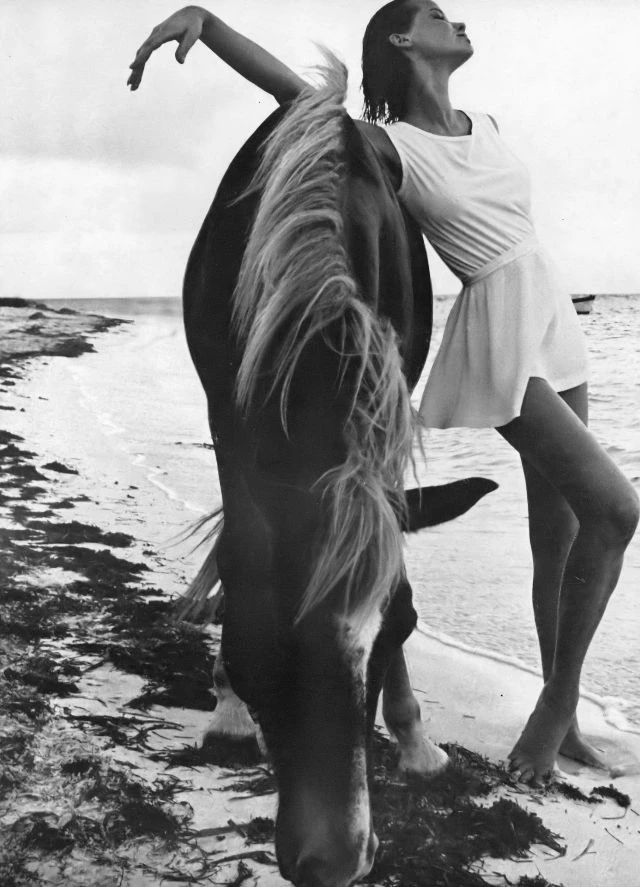
Short white Sacony beach dress, Antigua Beach Hotel, Vogue, May 1963.
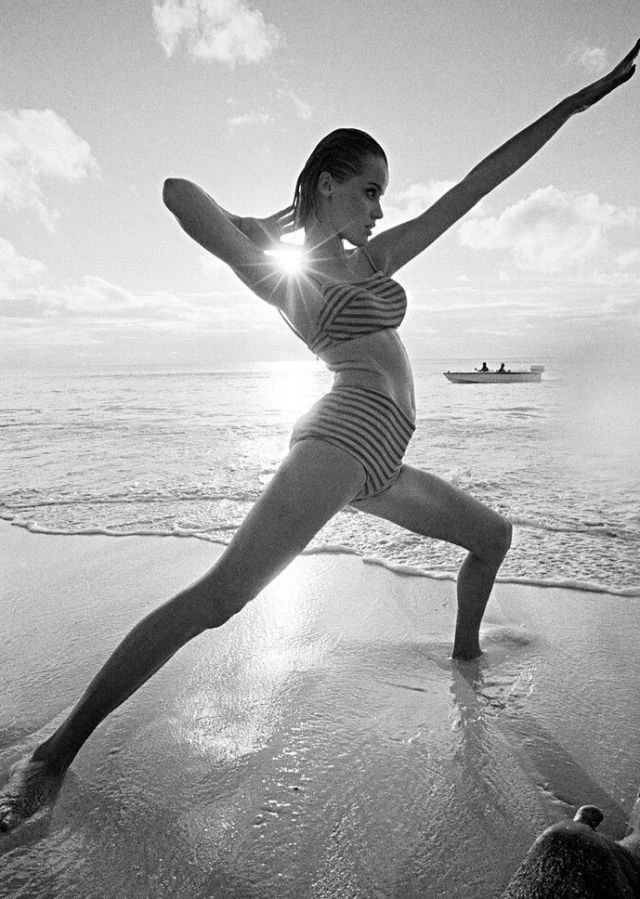
Striped Helenca nylon and Lycra swimsuit by Elizabeth Stewart, Jolly Beach Hotel, Antigua, Vogue, May 1963.
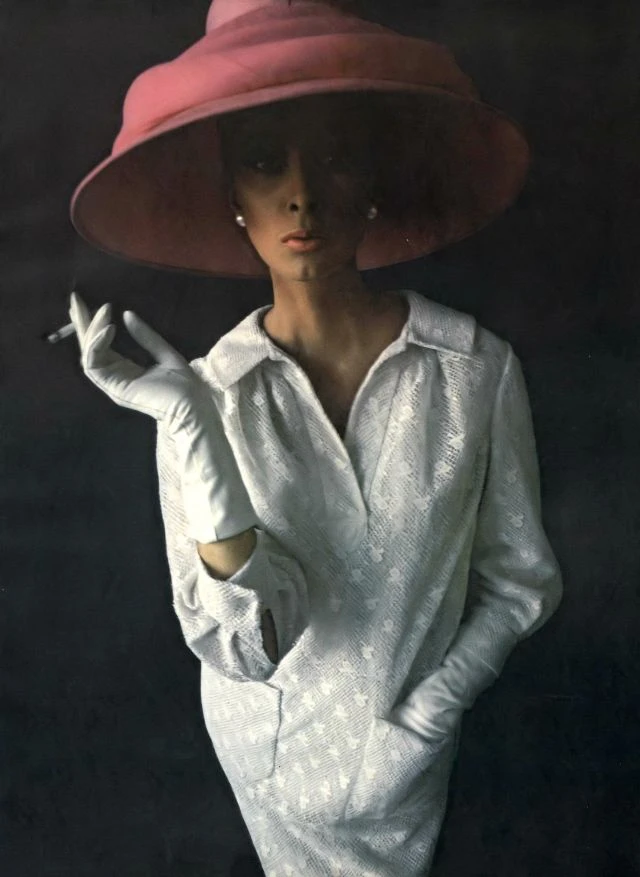
Wilhelmina Cooper in a white lace and nylon shirtdress by Ellen Brooks, with a Lilly Daché straw hat and chiffon, Vogue, April 1963.
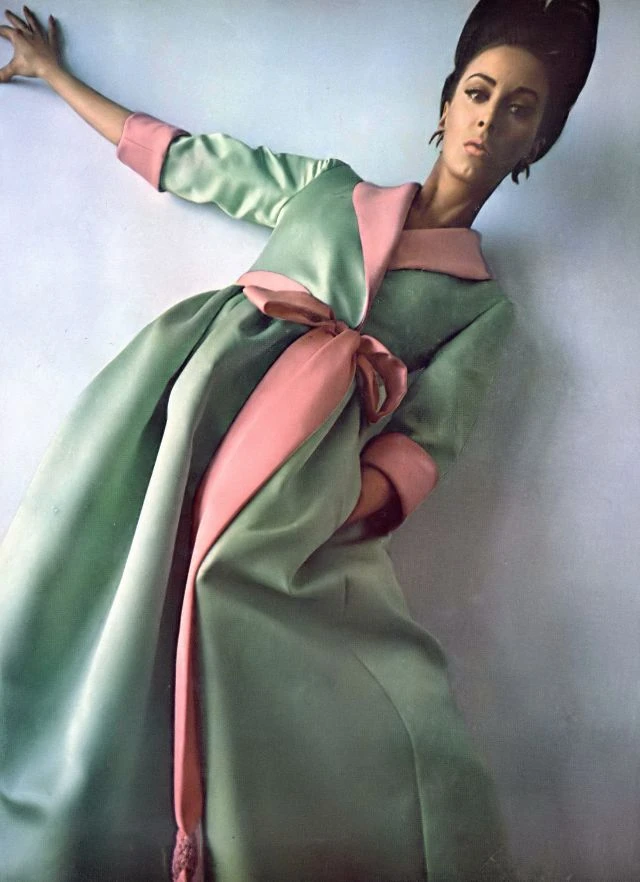
Wilhelmina Cooper in a coat with a china pink lining and jade-colored satin from the Norman Norell spring collection, earrings by De Mario, hair by Enzo Da Perugia, Vogue, April 1963.
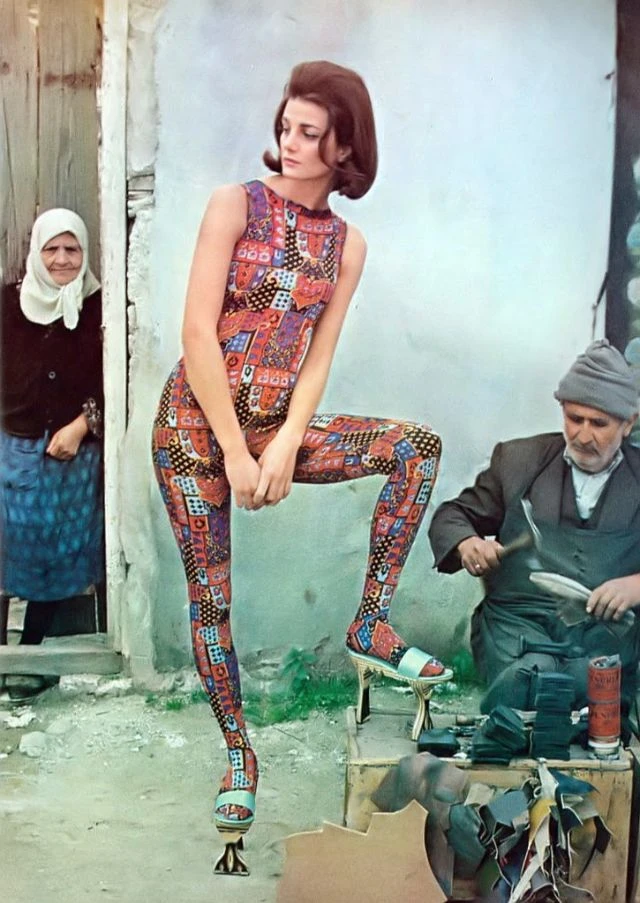
Dolores Wattach in traditional Turkish wooden platform shoes, black and beige with blue kidskin straps, Turkey, Vogue, July 1965.
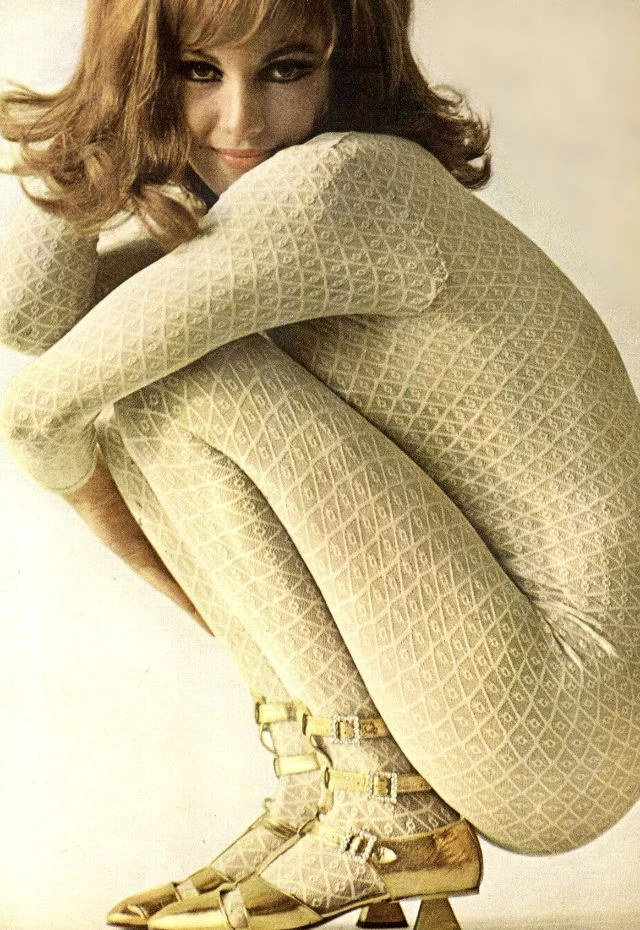
Model in a Helenca lace stretch leotard by Bewitching, gold Capezio kidskin sandals, Vogue, February 1965.
Rock 'n' Roll: New Heroes
In the 1960s, Kane shifted his focus to rock music. His subjects include the Rolling Stones, The Who, The Doors, Janis Joplin, Bob Dylan, Cream, Aretha Franklin, Sonic, and Cher. For example, a portrait of The Who—the musicians draped in a Union Jack—became an icon. Twenty years later, the band themselves re-created the shoot. Kane photographed Jim Morrison of The Doors at the Chateau Marmont Hotel in Los Angeles—in a closet, behind a television. These portraits weren't staged; the subjects were captured in unexpected positions. As early as 1964, the American Society of Magazine Photographers named him Photographer of the Year.
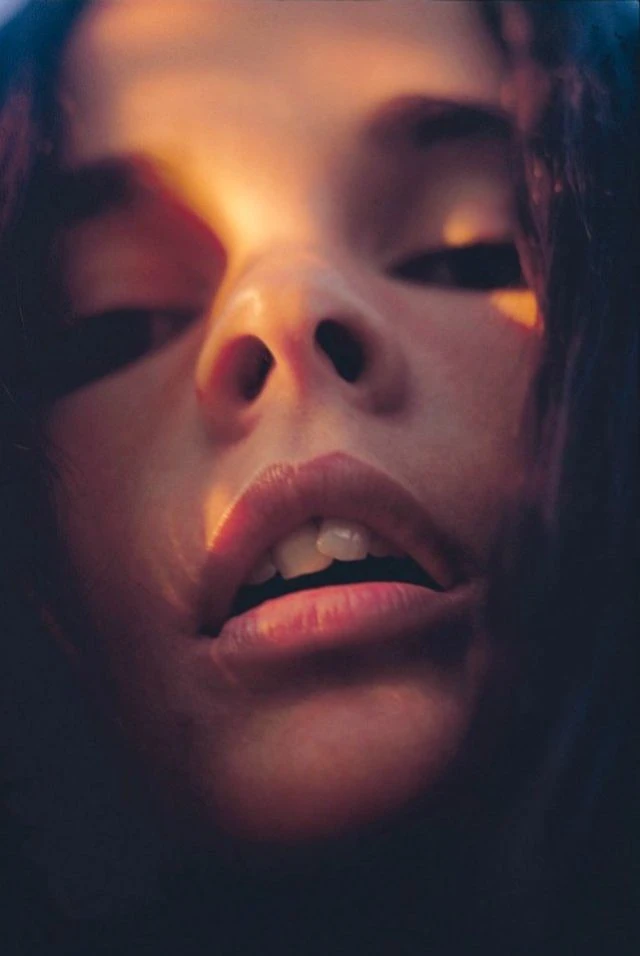
Ali MacGraw in 1966, four years before she shot to fame in the film "Love Story."
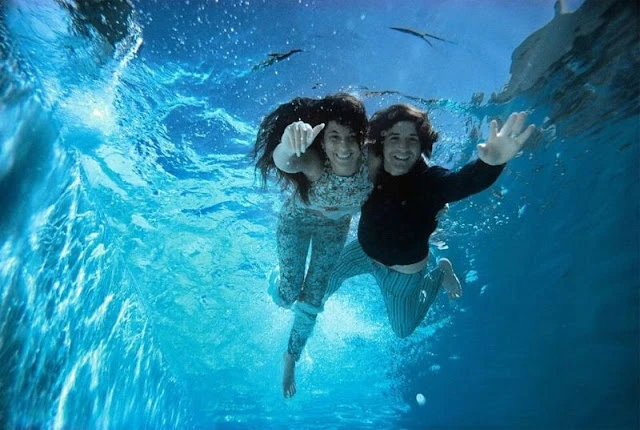
Sonny and Cher in 1966 – Kane photographed them at the height of their popularity.
Vinyl and Miniskirts: Kane's Late Fashion
By 1968, fashion had changed radically, and Kane had changed with it. Vogue featured models in vinyl belts by Rudi Gernreich, minidresses by Mary Quant, and inflatable transparent chairs by Italian designers. He captured the era of experimentation with the same unflappable precision he had a decade earlier. Today, his work is in the permanent collections of the Museum of Modern Art (MoMA) and the Metropolitan Museum of Art. Throughout his career, Kane has received more than 14 gold medals and 28 Art Directors Club awards from cities across the United States.
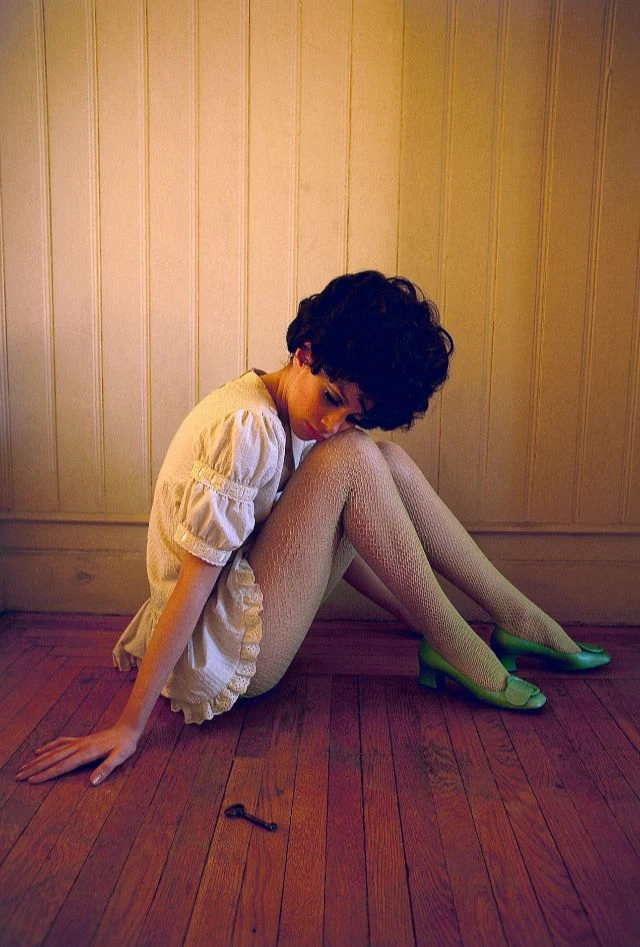
Minidress by Mary Quant and green shoes by Charles Jourdan, 1968.
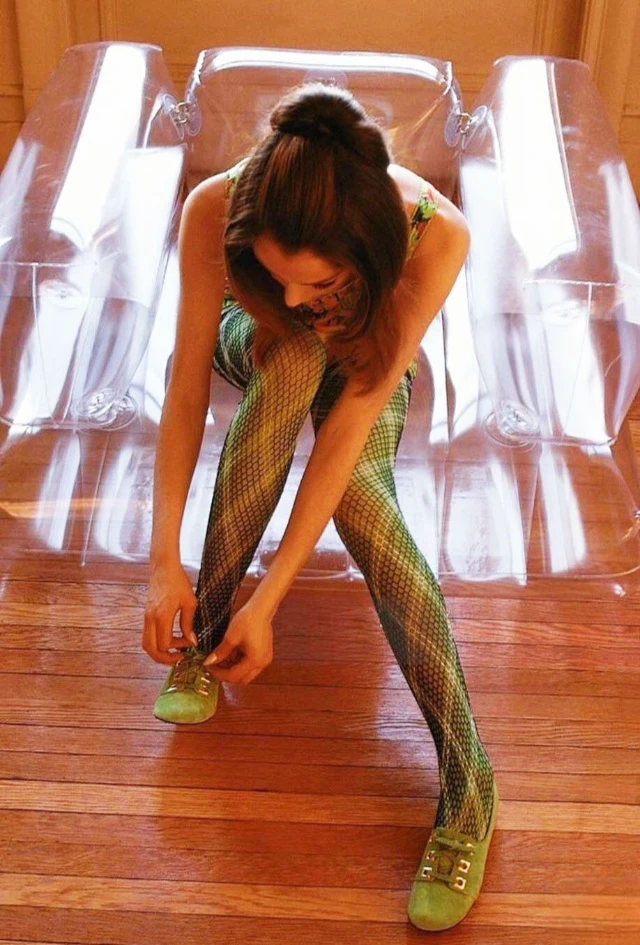
An inflatable chair by Italian designers, a symbol of the 1968 aesthetic, photographed by Kane, Vogue, February 1968.
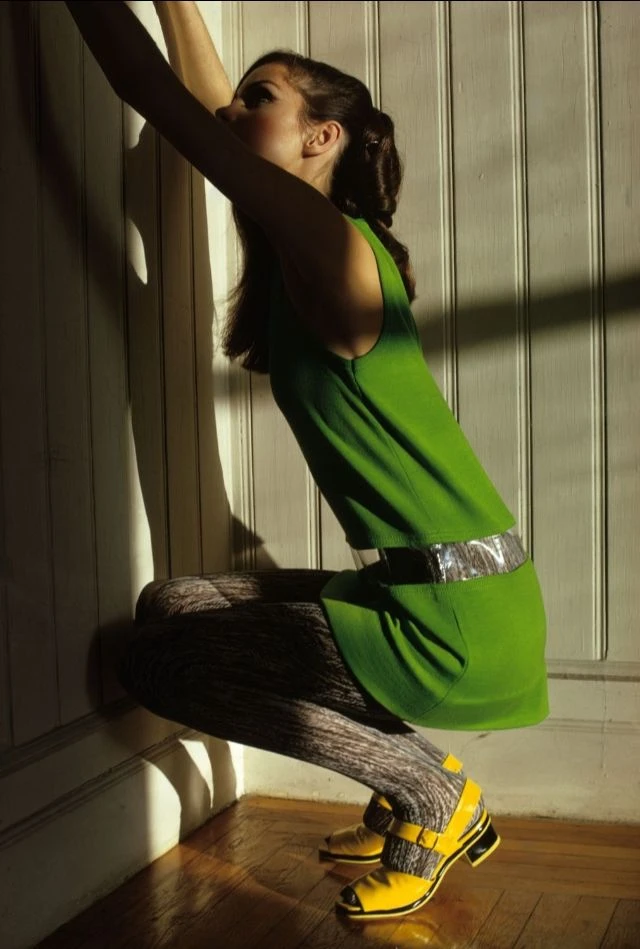
Short green sleeveless wool dress with a vinyl belt by Rudi Gernreich, ribbed Hudson stockings, Vogue, February 1968.
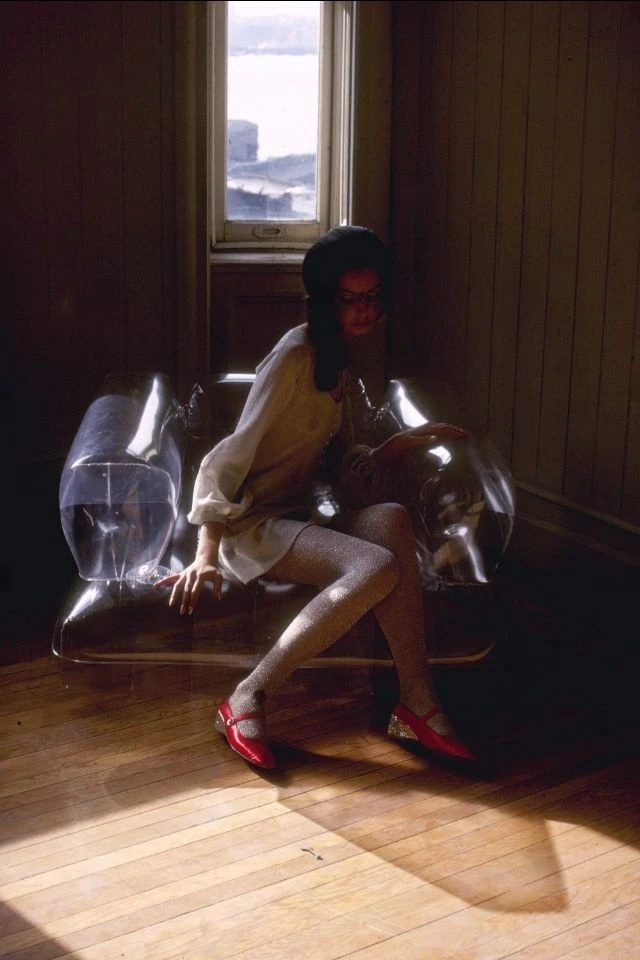
A white Lycra dress by Etcetera – pure geometric form, Vogue, February 1968.
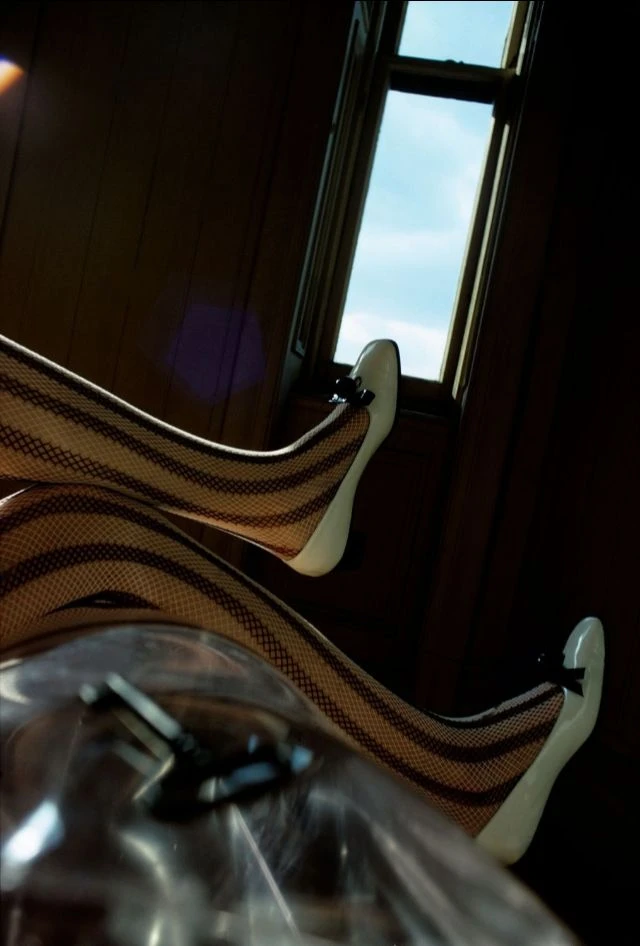
Ariadne fishnet stockings and white patent leather Julianelli shoes – a detail that plays the main role in the shot, Vogue, February 1968.
Art Kane died on February 3, 1995, at the age of 69. Today, his father's archive is managed by his son, Jonathan, and in 2018, to commemorate the sixtieth anniversary of the photograph "Harlem 1958," a book of the same name was published, featuring extensive archival material.
Today, the same technique—wide angle, low angle, multiple shots—is available on any smartphone in seconds. Does this mean that Kane's place in history rests not on technology, but on something else—and if so, what exactly?

Download
Archive size 2.82 Mb, downloaded 13 times