The body as a canvas: from classical painting to contemporary bodily practices
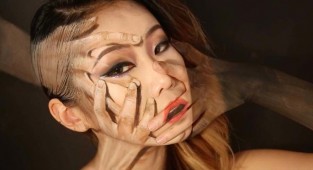
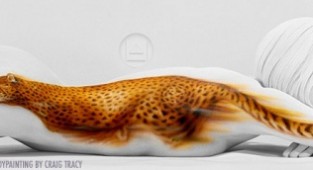
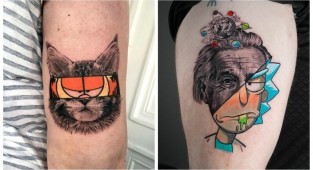
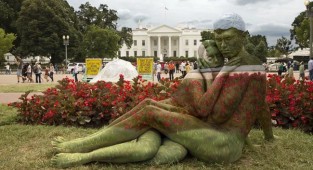
The human body has always been considered the standard of beauty, a source of inspiration for many famous artists: painters, photographers, sculptors. The human body could be seen on canvas (in paintings), in black-and-white photographs, and in various sculptures that have survived to this day. Below, we will discuss in more detail how the role of the body has changed in different spheres and practices.
The symbol of the body in painting
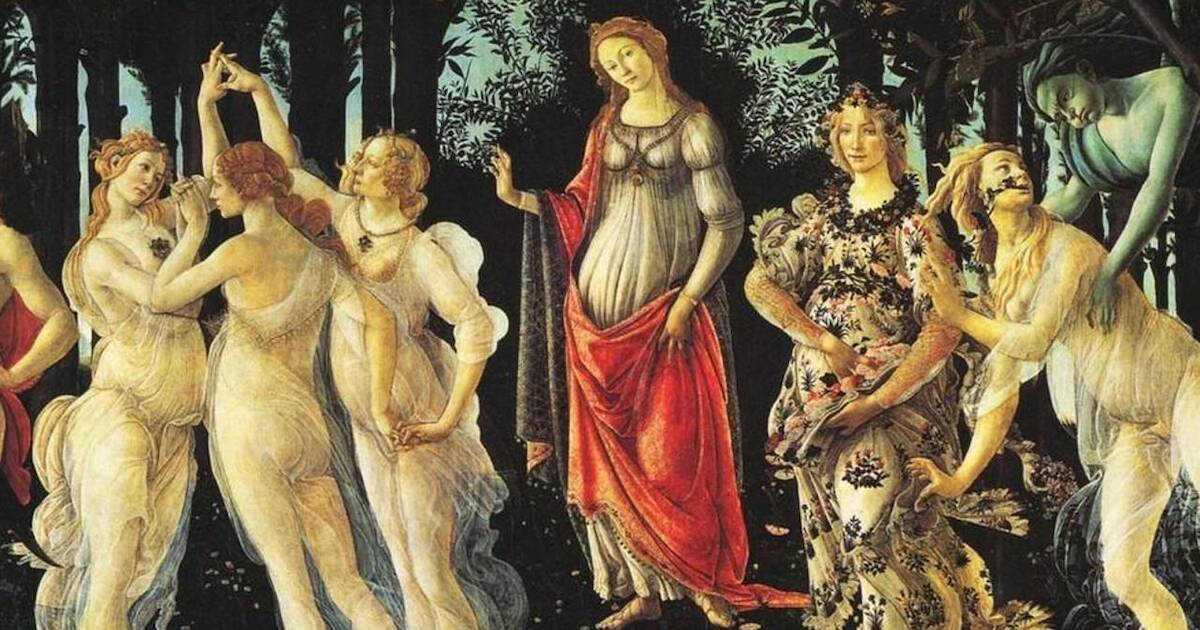
In classical painting, artists depicted the human body as a symbol of beauty, harmony, strength, and suffering. Artists worked mainly with form, proportions, and light, creating images that attracted attention without words, and with the help of certain gestures (the direction of the head, torso), all these details could convey the artist's mood and had a certain hidden meaning.
The body at the moment, captured in a photograph
The advent of cameras and photography brought with it a sense of reality and immediacy, as photographers captured the moment, namely the lively gaze, movement, tension, excitement, and various emotions on the face. It is this feature that distinguishes photography from painting, because, unlike painting, photography did not idealize the body.
Contemporary body practices
In today's world, art is reaching a whole new level, because working with touch and sensations treats the body as a real process. During this process, there is an opportunity to find harmony with one's own body and soul, to feel one's own desires and needs, and an important aspect of such practices is the experience that can be gained from the process. While artists work with form, contemporary practices focus on breathing, rhythms, and sensations. Touch is considered the language of sensations, and there are more and more texts describing modern body practices, why erotic massage is considered an art, why such methods are conscious work with the body and soul. You can explore the topic in more detail at the link https://prague-fenix.cz/erotic-massage-as-art/ - various texts mention aesthetics, which perfectly combines cultural and aesthetic perception of one's own body.
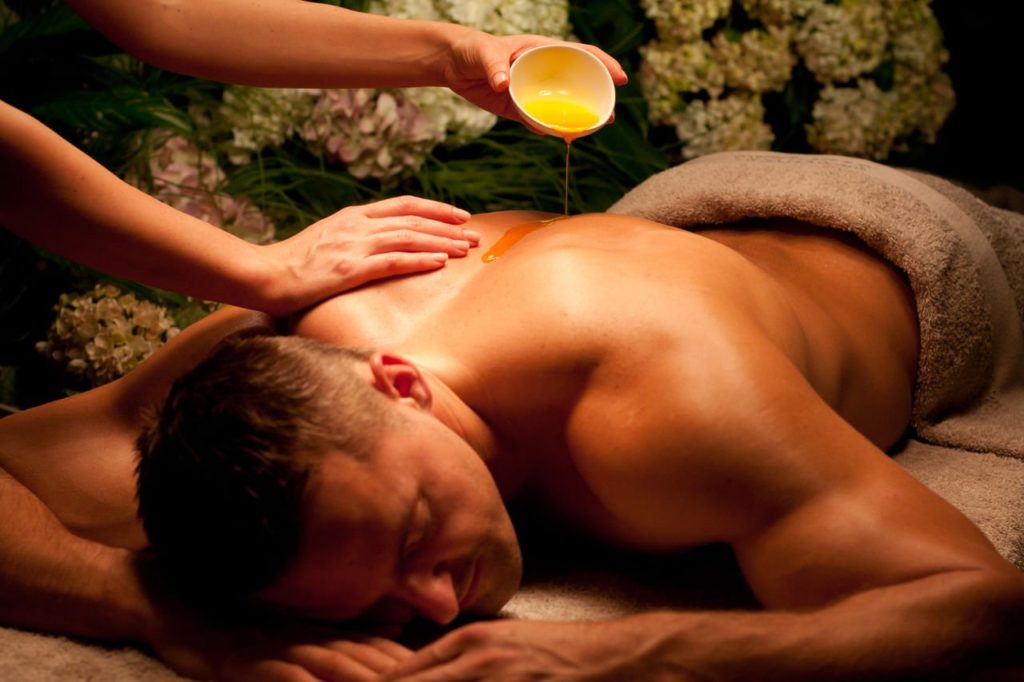
An important change in contemporary art is the disappearance of the visible boundary between the artist and the viewer, meaning that in contemporary practices, people are now direct and important participants in the process. Bodily practices involve paying attention to one's own sensations and desire for interaction, with preference given to internal sensations. In such an experience, the body becomes a kind of language through which a person can better understand themselves and their own body.
What connects painting, photography, and the body
Despite different age periods and approaches that change over time, all approaches are united by one important feature, namely, an attentive gaze. The artist looks at the model, the photographer looks through the lens, and modern bodily practices direct attention inward to sensations. The body is a symbol of beauty, and the essence of contemporary art is to show all its perfection and idealism, as well as to help people understand how to properly express their feelings, desires, and needs. From the classics to contemporary body practices, art constantly returns to the body because it is a source of meaning, experiences, and vivid sensations. Approaches change: the brush gives way to the camera, the frame of movement and touch, but the essence remains the same. The body is not just depicted, it is listened to, felt.
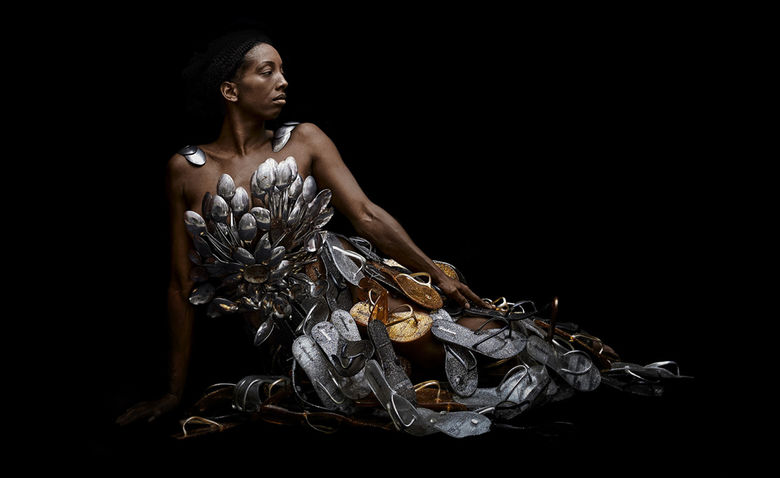
In the modern world, the body has increasingly come to be perceived as a space for new, interesting, and pleasant sensations. The human body has the unique ability to store emotions and pleasant sensations, respond to attention, and open up new ways of interacting. It is here that art ceases to be just something to look at and becomes something to feel.