A Woman with 16 Invented Personalities: The Story of Sybil and the Scandal That Changed Psychiatry (15 works)
Shirley Mason, an artist from a small town in Minnesota, made history as a woman with 16 personalities. A book about her sold 6 million copies, a TV movie won four Emmy Awards, and the number of diagnoses of multiple personality disorder in the United States rose from 75 to 40,000 in just a few years. In 2011, investigative journalist Debbie Nathan published documentary evidence that the entire story was the result of a conspiracy: an addicted patient, an ambitious psychiatrist, and a writer who knew the truth but had already spent her advance. 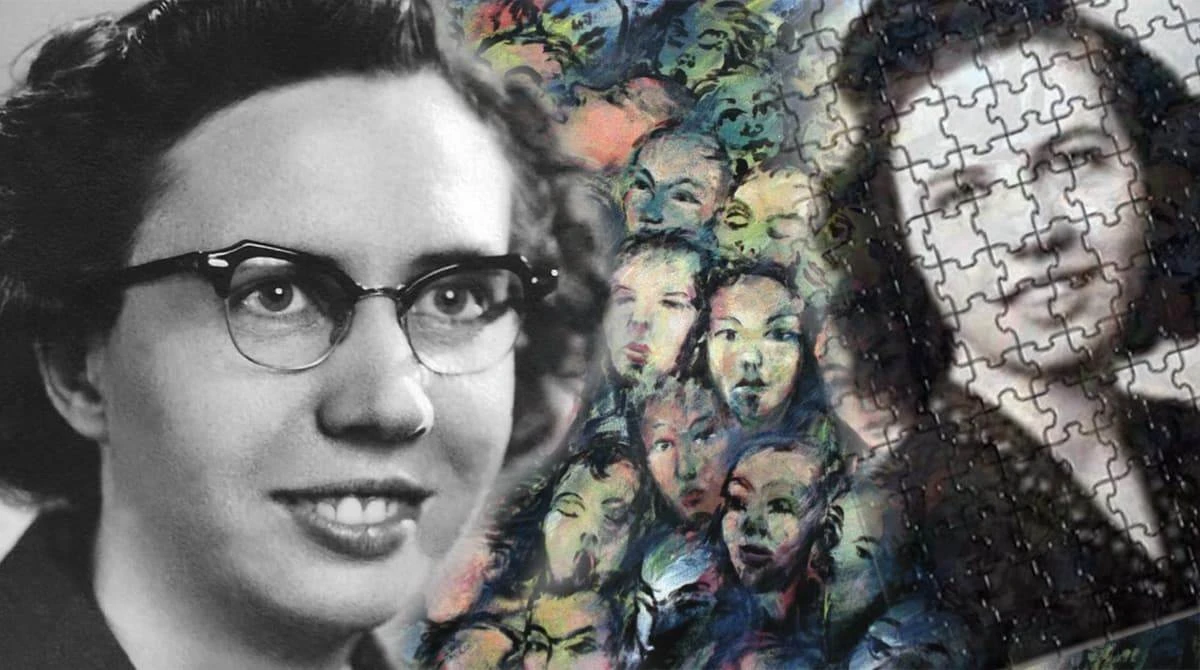
A Small Town, Big Anxiety
Shirley Ardell Mason was born on January 25, 1923, in Dodge Center, a tiny Minnesota town of about 900 people, located about 75 miles southeast of Minneapolis. Shirley grew up an only child in a strictly religious Seventh-day Adventist family. Her father, Walter Mason, worked as a carpenter and architect. Her mother, Martha Mason, was a difficult woman, to say the least. 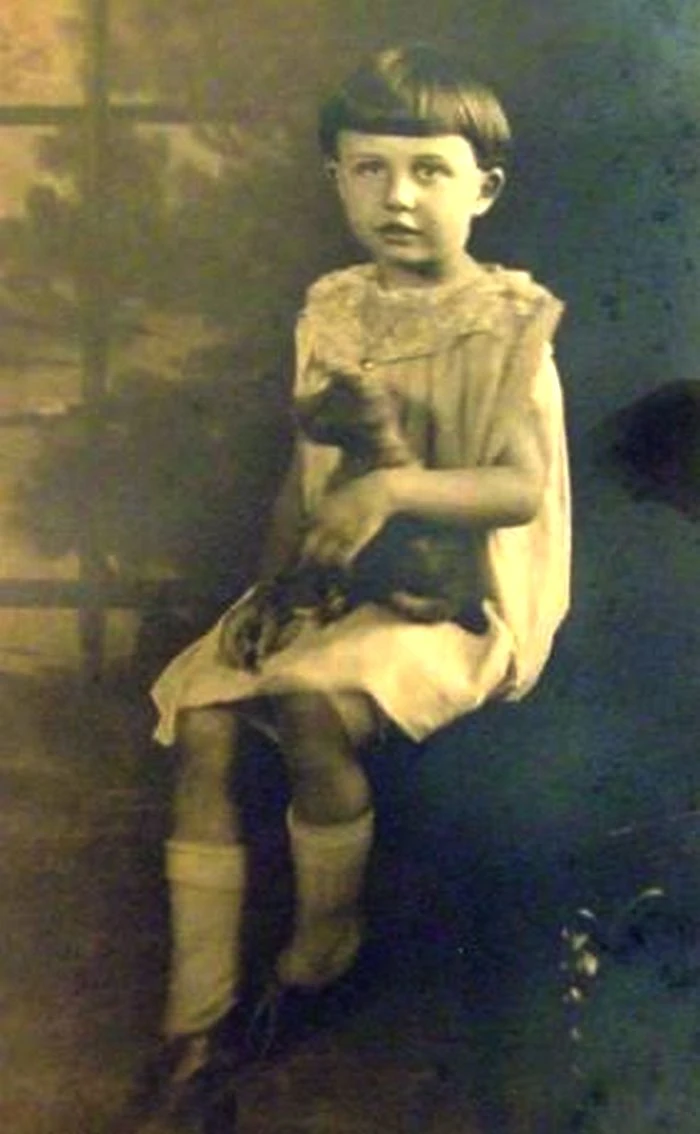
5-year-old Shirley Ardell Mason
Neighbors recalled that Martha held her daughter in an iron fist—and that's not a metaphor. Third-grade teacher Frances Abbott said her mother would grab Shirley's hand "like a vice" when they crossed the street—the girl couldn't break free. Furthermore, neighbor Betty Borst Christensen noticed Martha's "witchy laugh": rare, sharp, like a scream. Her mother rarely let Shirley out of the house. As a result, anxiety and overprotection became a constant theme throughout her childhood.
In 1941, Shirley graduated from Dodge Center High School, and in 1949, she earned a teaching degree from Mankato State College—the same one that is now called the University of Minnesota at Mankato. Even as a student, she began experiencing panic attacks and memory lapses. She was a sensitive person, passionately interested in painting, but psychologically extremely vulnerable.
A Doctor with a Special Interest
Seeking help, Shirley turned to psychiatrist Cornelia Wilbur—and that meeting changed everything. Wilbur was a Freudian psychoanalyst with a keen interest in multiple personality disorder, which was then considered a rare medical curiosity: before the mid-20th century, fewer than 100 similar cases had been documented in Western medical literature. Finding such a patient was a true professional triumph for the psychiatrist. 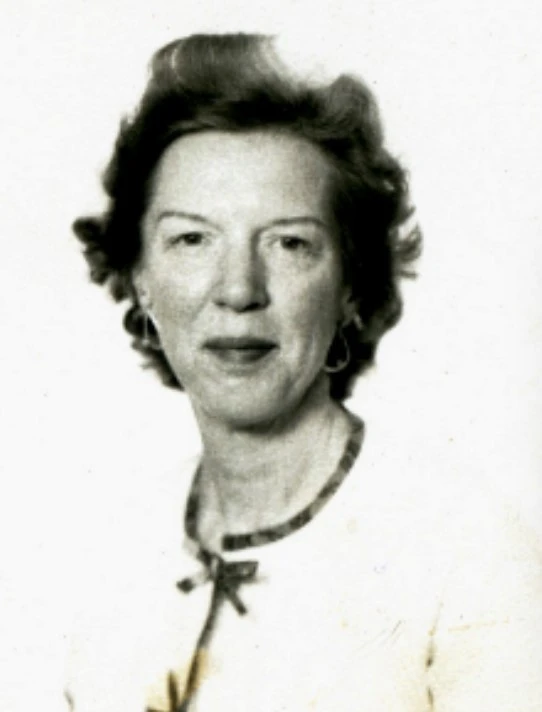

Dr. Cornelia Wilbur
Regular sessions began in 1954 and continued for 11 years. During this time, over 2,300 sessions took place—sometimes 14–18 hours of therapy per week. Wilbur conducted her sessions in her office on Park Avenue in Manhattan. The methods she used were far from classical therapy.
Wilbur regularly administered sodium pentothal, the famous "truth serum," to the patient. This powerful barbiturate depresses higher brain functions and makes a person highly suggestible. It provokes unreliable confessions and fantasies, and is also addictive. In addition to the drug, Wilbur used hypnosis and, according to some reports, even a portable electroshock therapy machine. Spending long hours under IV drips with the doctor's probing questions, Shirley became chemically and psychologically dependent on the drug—and on Wilbur herself.
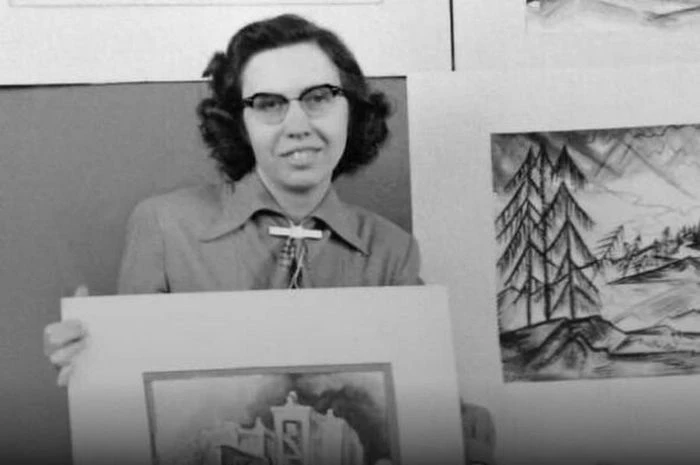
Shirley Mason as a student
The doctor also asked Shirley to read medical literature on multiple personality disorder. This later became one of the main points of accusation against Wilbur: the patient learned exactly what was expected of her—and began to conform to it.
Sixteen Faces of One Woman
Under the influence of drugs and hypnosis, alternate subpersonalities emerged one after another. First came Peggy, a frightened little girl with a childish voice. Then came Vicky, a confident Frenchwoman who, according to Wilbur, "knew" about the existence of all the other personalities and acted as their guardian. There were sixteen in total: fourteen female and two male.
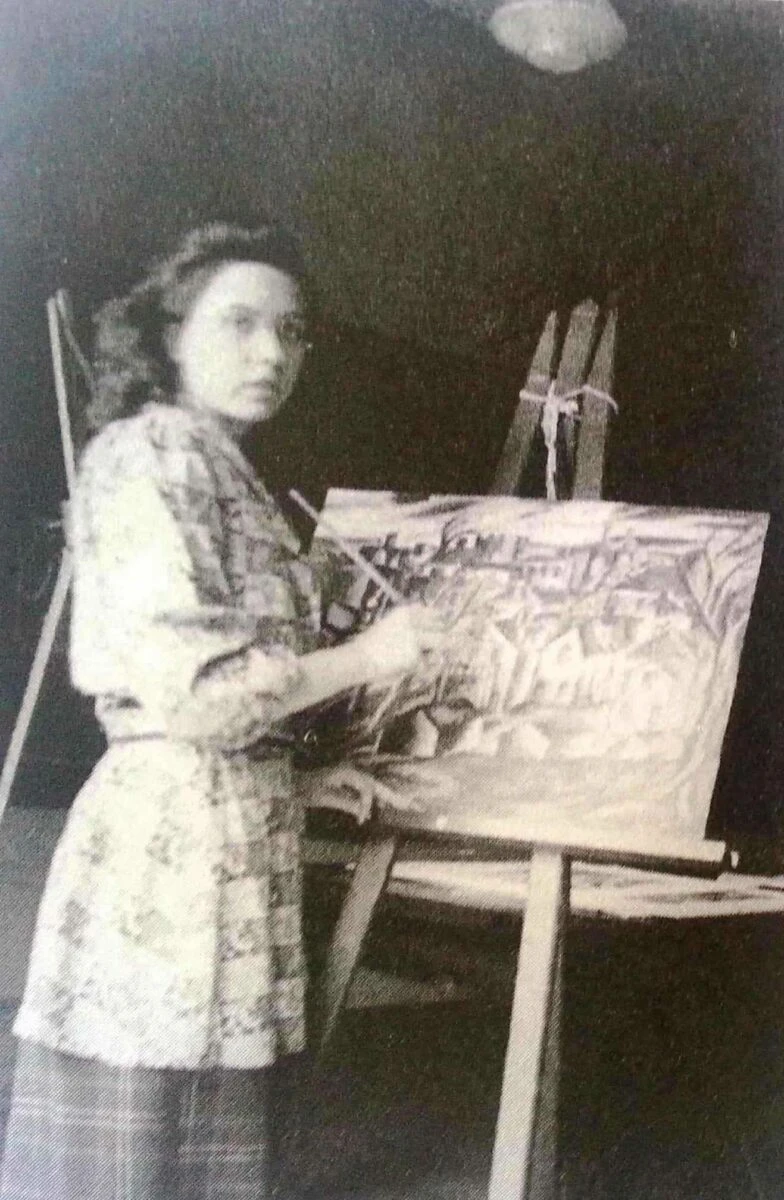
Shirley Mason at her easel
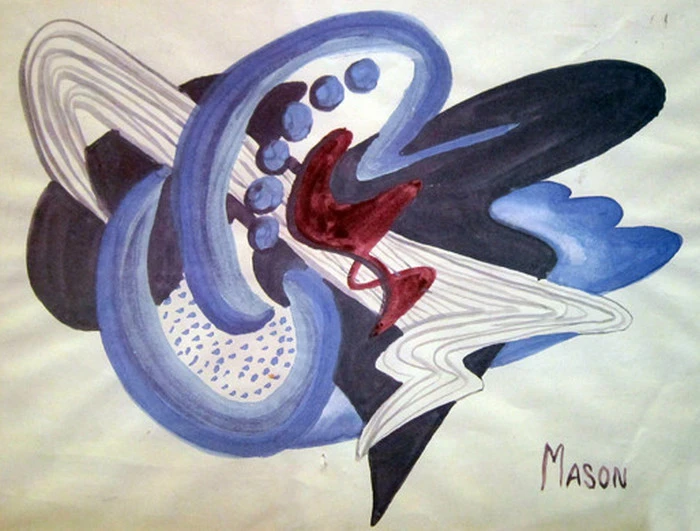
Each "personality" had its own voice, facial expressions, and, according to Wilbur, even a distinctive signature and talents. Shirley was a professional artist, and the doctor enthusiastically convinced her colleagues that different "personalities" painted pictures in completely different styles—and this supposedly proved the reality of the split. In fact, as would later be established, all the paintings were the work of a single hand and a single artistic temperament.
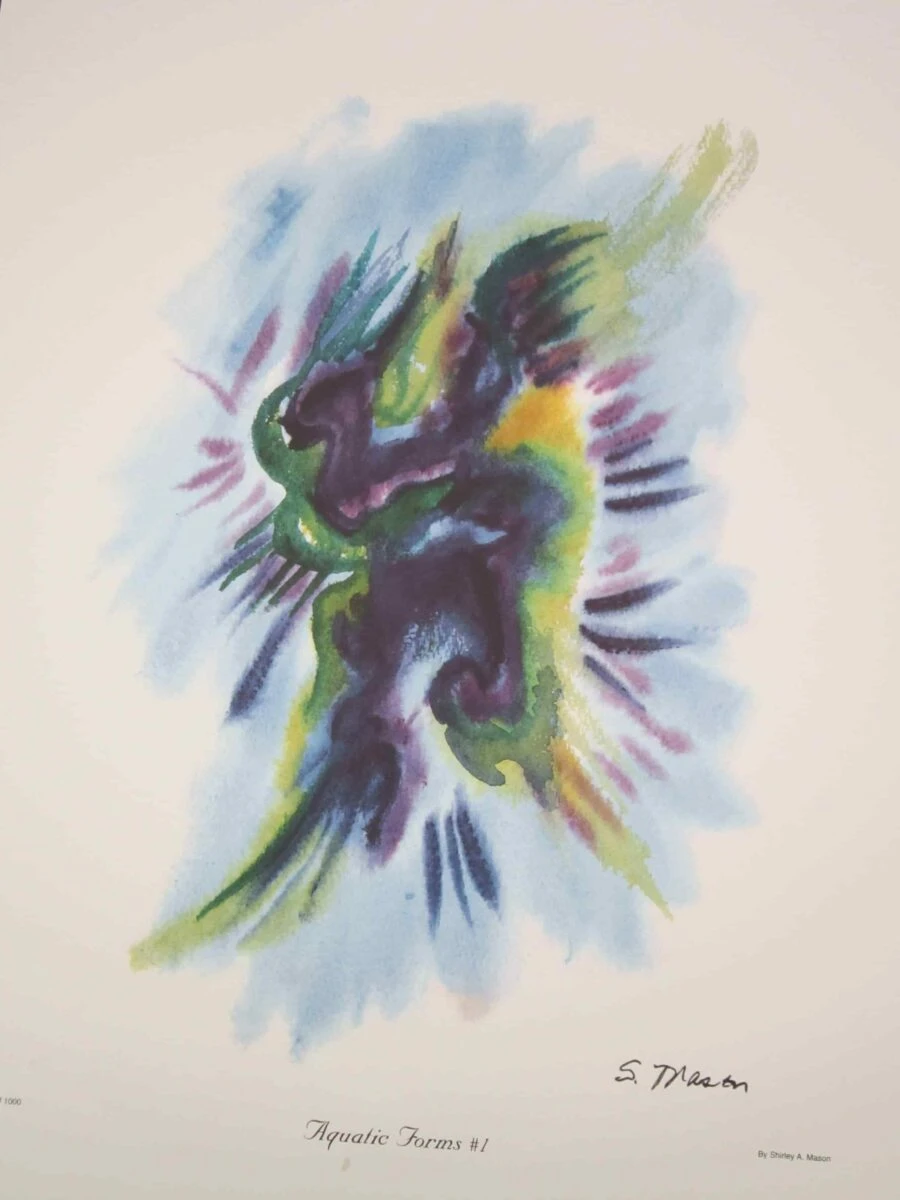
One of Shirley Mason's paintings
It seemed a medical miracle had occurred. But behind the scenes, a different story was unfolding.
The Letter That Was Ignored
Around 1957–1958, Shirley became alarmed at how far things had gone. She wrote Dr. Wilbur a long, brutally frank letter. It stated bluntly:
"I don't have any multiple personalities. I don't even have a 'double.' I am all of them. I lied, pretending to be them."
The girl admitted she had made it all up to attract the doctor's attention and gain her care and love.
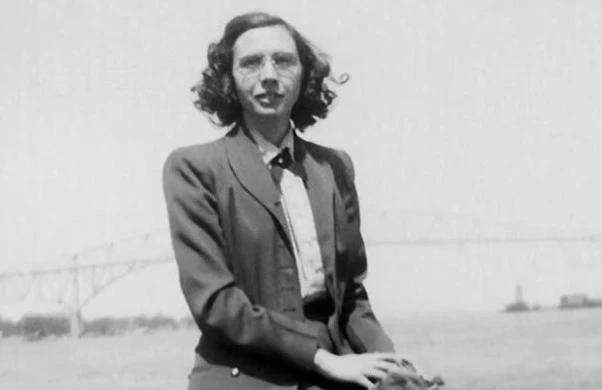
Shirley Mason
The psychiatrist's reaction was astonishing. Instead of reconsidering her treatment, Wilbur declared the letter a "defensive maneuver"—the patient's unwillingness to face the truth—and continued her drug-fueled sessions. Shirley had no choice: abandoning therapy meant losing Wilbur. By then, the doctor was coming to her home, buying her clothes, and paying her rent.
The reason for this blindness was simple: Wilbur was already planning a book. Shirley's case was destined to bring her worldwide fame. There was no turning back.
The Book That Became an Epidemic
Journalist Flora Schreiber joined the project. In 1973, the book "Sybil" was published—Shirley's name was changed to a pseudonym to protect the patient's identity. The Henry Regnery Company published an initial print run of 400,000 copies. The book instantly became a bestseller and eventually sold over 6 million copies worldwide.
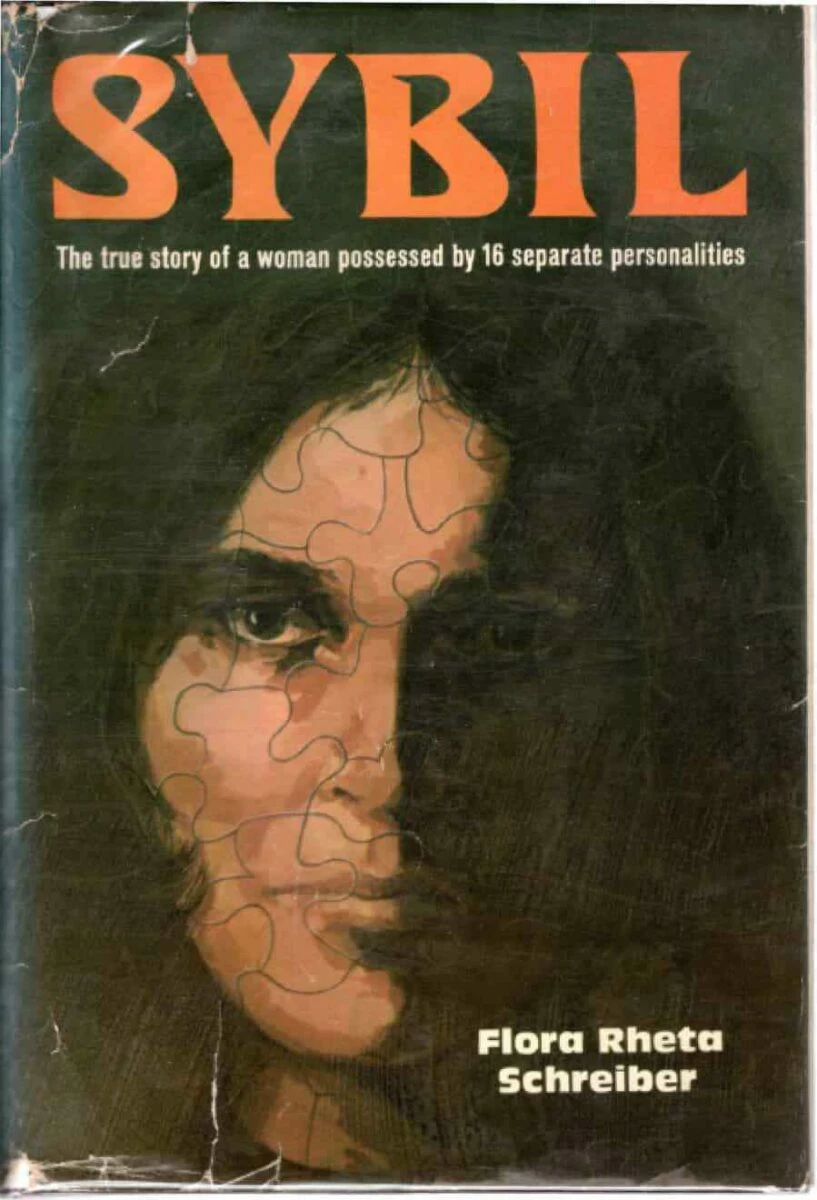
Cover of the first edition of "Sybil." 1973
Schreiber claimed that Shirley's mental illness was caused by severe abuse at the hands of her schizophrenic mother. It would later be revealed that this mother's diagnosis was also fabricated: Wilbur and Schreiber simply included Shirley's father's statements in the book as fact, without conducting any independent verification.
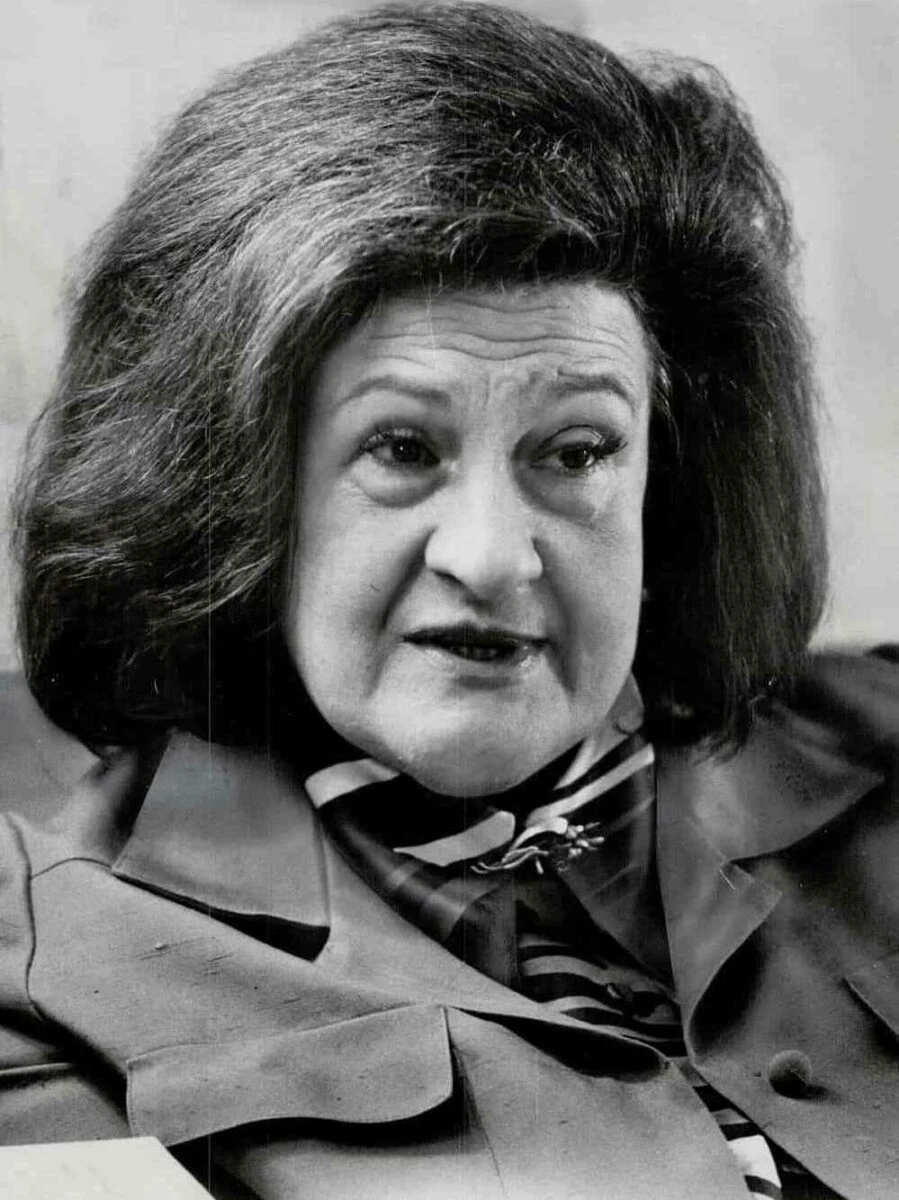
Journalist and writer Flora Schreiber
The book's impact was staggering. The number of multiple personality disorder diagnoses in the United States skyrocketed from a modest 75 cases to a staggering 40,000. Psychiatrists across the country began "discovering" new alternate personalities in their patients—sometimes dozens or even hundreds. Later, historians of psychiatry would call this period the "multiple personality epidemic" and directly attribute it to the influence of "Sybil."
Four Emmy Awards and National Fame
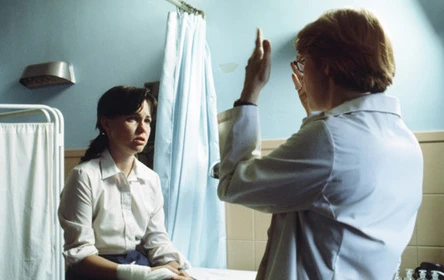
In November 1976, a two-part television film aired on NBC. Sally Field played Shirley/Sybil, and Joanne Woodward, who had recently won an Oscar for a similar role in "The Three Faces of Eve," played Dr. Wilbur. The film ran for over three hours and aired two consecutive nights.
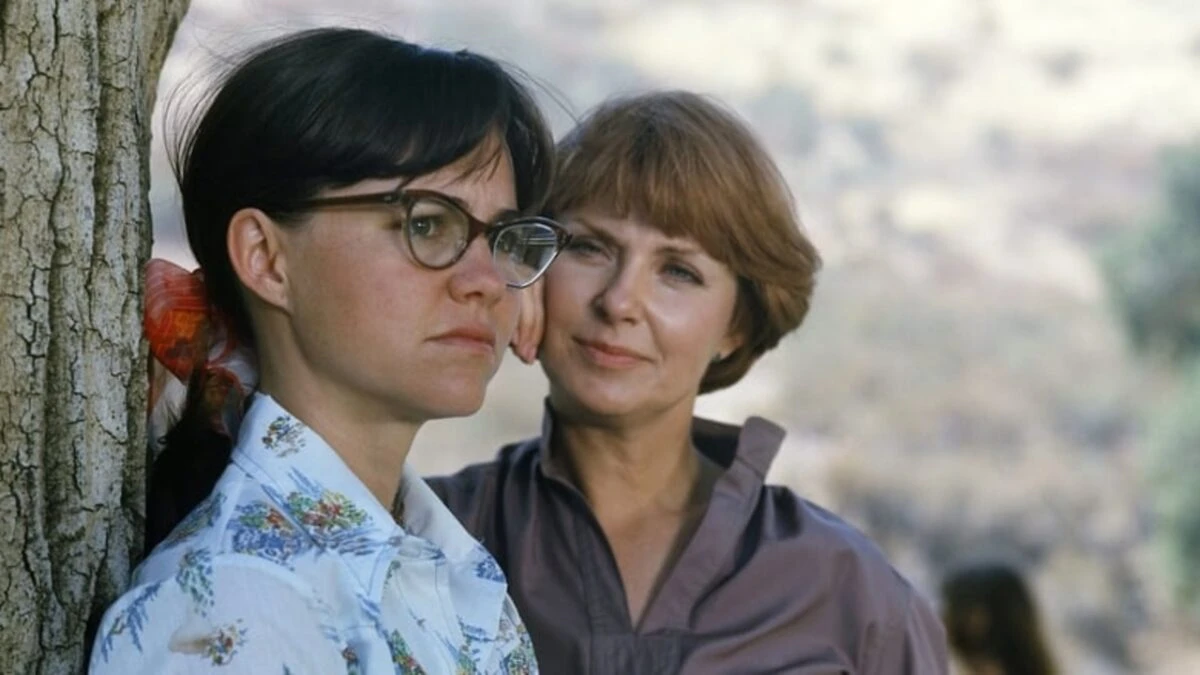
Still from the film "Sybil." 1976
The film won four Emmy Awards, including Best Actress for Sally Field and Best Television Special. The film cemented Sybil's story in the public consciousness. Millions now accepted it as an indisputable medical fact. All three participants—Mason, Wilbur, and Schreiber—earned money and fame from the book.
Shirley Mason
A Quiet Life After the Storm
Shirley spent the last years of her life in Lexington, Kentucky, near Dr. Wilbur. She taught art, first at the University of Rio Grande in Ohio, then at other institutions. She lived a quiet, almost reclusive life. She was unmarried and childless. She devoted her free time to painting, gardening, and her cats.
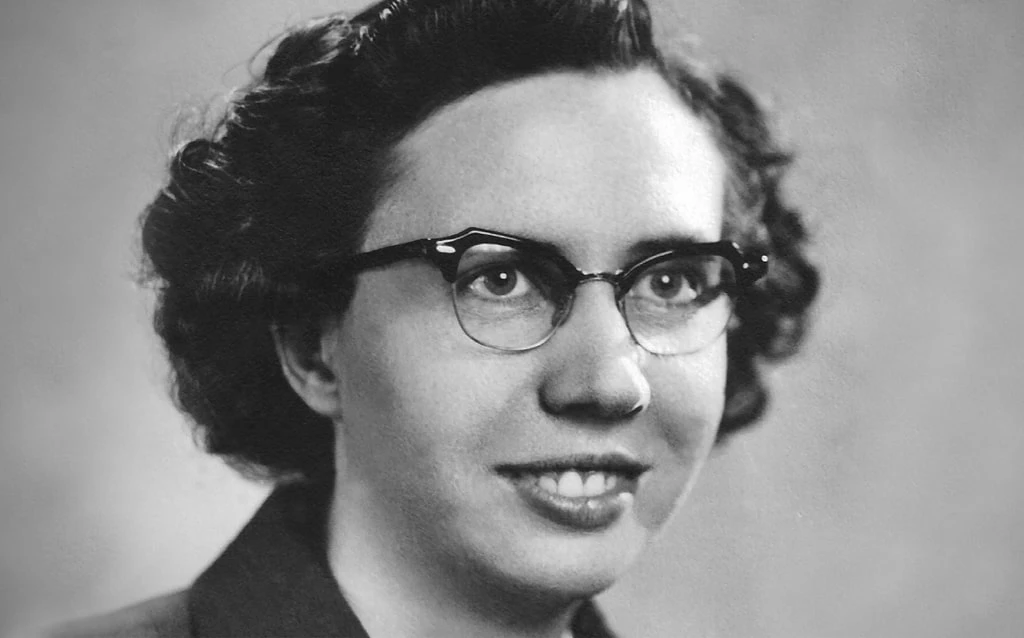
Shirley Mason
In 1992, Cornelia Wilbur died at the age of 83. She designated Shirley as her sole heir: she received $25,000, all her property, and the rights to all her books and scientific works. This speaks volumes about the depth of their relationship over the course of forty years—no longer just that of doctor and patient.
Shirley Mason died on February 26, 1998, in Lexington from breast cancer. She was 75 years old. After her death, over 100 paintings and drawings were discovered in a closet. All were painted between 1943 and 1965—before and during her therapy. Some of the works were signed by Shirley with the names of her "personalities." This collection was later dubbed the "Hidden Paintings," and in 2014, some of them were exhibited at the University of Kentucky Hospital.
Revelation Decades Later
The grand deception was only uncovered in 2011, when investigative journalist Debbie Nathan published her book, "Sybil Exposed." Nathan examined Flora Schreiber's archives, housed at John Jay College of Criminal Justice in New York City, including letters, audio recordings of sessions, and the personal correspondence of all three participants. The picture that emerged was unmistakable.
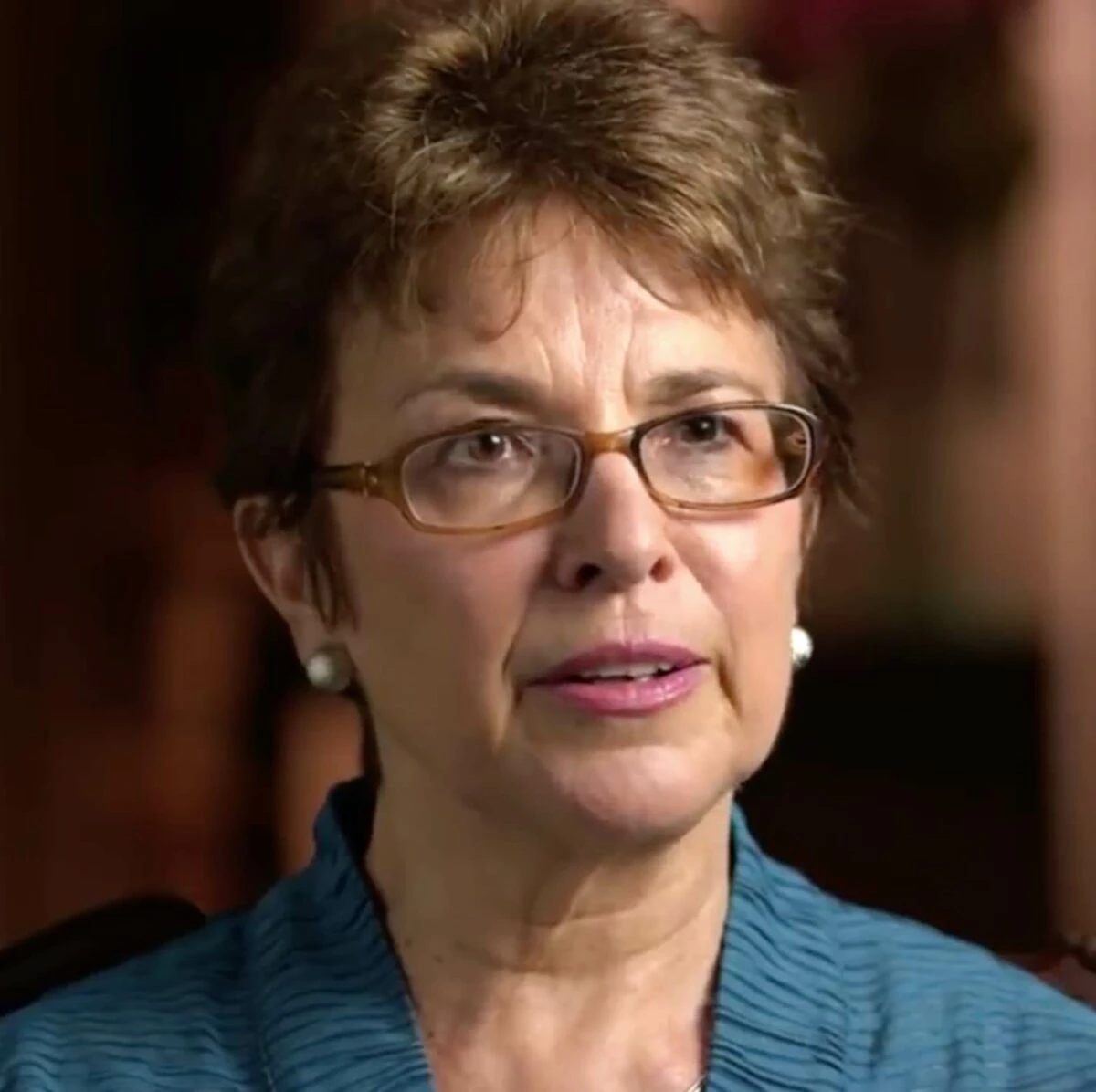
Journalist Debbie Nathan
The drug-addicted and doctor-addicted patient played the role expected of her. The vain psychiatrist built her career on a unique case. The writer knew of Shirley's doubts—her papers contained evidence that she understood the story wasn't entirely true. But Schreiber had already received an advance from the publisher, had already spent years working, and couldn't stop.

Book "Sybil Unmasked," 2011
An independent investigation was also conducted by academic Robert Reber of John Jay College: after listening to the surviving tapes of the séances, he concluded that the case was largely fabricated. Even earlier, in 1997, psychiatrist Herbert Spiegel—a colleague of Wilbur's who also worked with Mason—publicly stated that she was simply a highly suggestible person who knew how to assume roles.
The Anatomy of an Illusion: Why Did Society Believe It?
This story makes us consider two things at once. First, how suggestion and drugs can create the symptoms of illness. The brain, under chemical influence, easily fills in memory gaps with false memories, transforming the doctor's persistent prompts into the "real" past. This is precisely what happened to Shirley: over 1,500 hypnosis sessions over 11 years shaped her worldview so that she could no longer distinguish between what was imagined and what was actually experienced.
Still from the film "Sybil." 1976
Second, why did society so readily believe it? In the 1970s, America was experiencing a boom in interest in psychoanalysis and the hidden powers of the mind. The psychiatric industry needed new diagnoses, new budgets, and new heroes. The public craved powerful stories about the human psyche. Sybil's story perfectly satisfied all sides' needs—and that's why no one asked uncomfortable questions.
The consequences were long-lasting. In 1980, multiple personality disorder was first included in the official diagnostic manual, the DSM-III, largely due to the influence of "Sybil." It wasn't until the late 1990s that the psychiatric community began to revise diagnostic criteria, and the number of cases began to decline sharply.
Shirley Mason's story is a reminder of how easy it is to destroy a person's life for the sake of ambition and the dangers of blindly trusting authorities armed with a syringe and a beautiful theory. What do you think: where is the line drawn between a genuine psychological disorder and a person's desire to play a certain role for the sake of attention? We welcome your opinions in the comments.

Download
Archive size 1.2 Mb, downloaded 9 times