Photographer Davide Sorrenti: A short life in pursuit of truth (18 photos)
American photographer Davide Sorrenti is considered by many to be a classic of "heroin chic" and a champion of "kitchen realism." Davide's life ended at 19, but he managed to achieve much and became famous at an age when others were just picking up a camera. He photographed celebrities at fashionable parties, skateboarders, and street youth, showing his subjects without embellishment. (Caution! Nudity.) 
Hero of "Heroin Chic"
Davide Sorrenti was born in 1976 into a family that simply didn't give him a chance. Sorrenti is jokingly called the "Corleone family" of photography. His mother, Francesca, is a renowned advertising photographer, his older brother, Mario Sorrenti, is a leading figure in the fashion industry, and his sister, Vanina, is also a recognized master of photography. 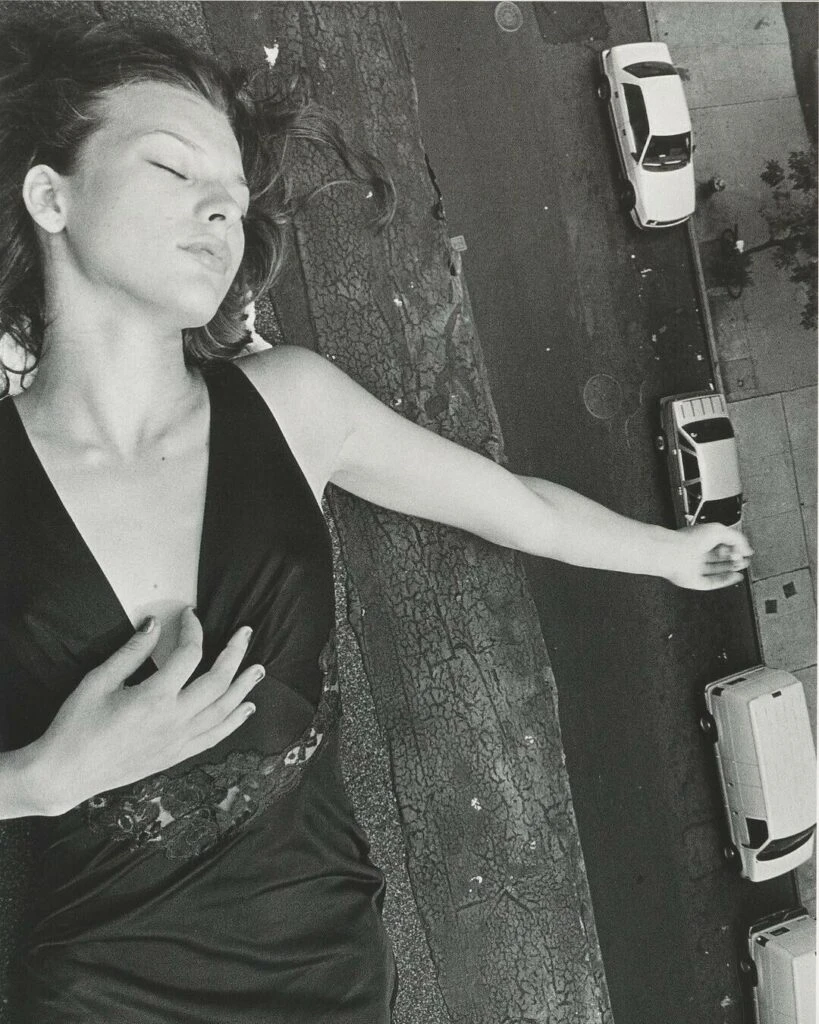
Milla Jovovich
Davide's creative potential and ambitions were supported by his entire family. He took photos with his mother's and brother's cameras from childhood, but he didn't receive his first camera as a Christmas present until he was 17. Davide was born with a serious condition, thalassemia, which causes problems with hemoglobin production. Because of this, he needed blood transfusions every two weeks. 
Jamie King 1997
Trapped in the frail body of an old man, Sorrenti possessed an immense will to live. He knew his time was short and strove to fill his days with meaning. His girlfriend and muse, Jaime King, said of Davide:
"Davide could see things others couldn't. Mysticism, details, happiness—he saw right through you. Everything was sacred and precious to him. Only those who lived on the edge, who knew the fleeting nature of life, can understand the meaning of the beauty of every second." 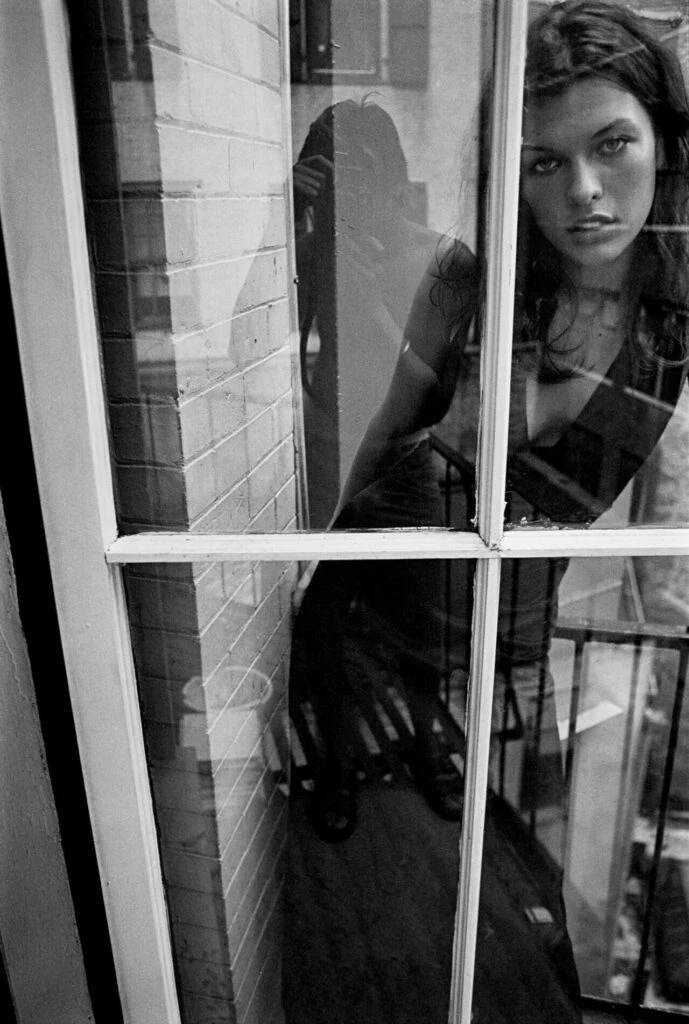
Milla Jovovich
One of Davide Sorrenti's most famous images is of Jaime King lying on a bed in torn clothes, surrounded by photographs of Kurt Cobain, Sid Vicious, and Jerry Garcia—people whose lives were cut short by drugs. This particular image became emblematic of the era later dubbed "heroin chic." 
Jamie King
A Fast Career and Abrupt Departure
Perhaps Davide would have remained a photographer "not for everyone." But Sorrenti's life changed dramatically when he met Franca Sozzani, editor-in-chief of Italian Vogue, at a fashion show in Paris. He boldly asked her to model for him. Instead, Sozzani invited him to dinner. 
Jade Berro
That evening, he sat at a table in an Asian bistro next to her and Helmut Newton. They discussed contemporary art and fashion. Soon after this meeting, Davide landed his first serious job at Interview magazine. He photographed models the same way he photographed his friends—in moments when they weren't posing. 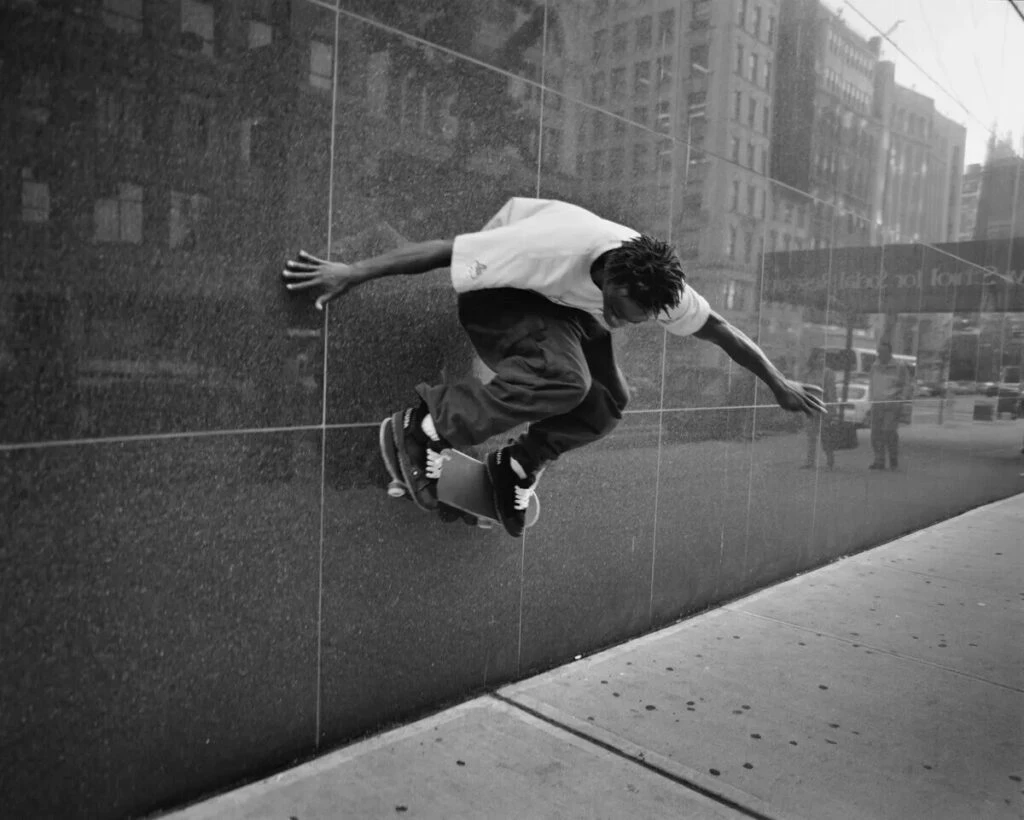
Skater
Skateboarder Harold, Milla Jovovich sleeping on the roof of a New York high-rise, his beloved Jaime King in the glow of the night lights—they all lived on the edge of sleep and waking life. Rumor has it that Davide draws inspiration from a heroin trip. But this is not true. Sorrenti periodically smoked marijuana, which helped him cope with severe pain throughout his body. He tried heroin for the first time shortly before his death. The experience was unsuccessful, and the photographer was immediately hospitalized. 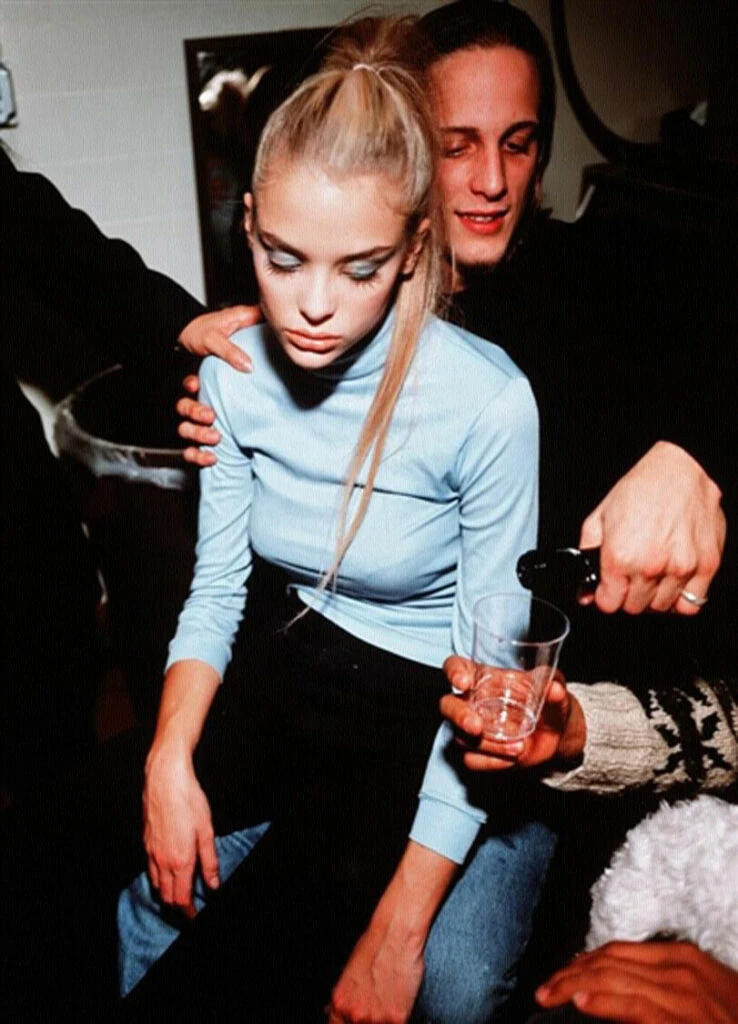
Jamie King
After his death, Sorrenti was dubbed the main victim of the "heroin chic," but he died of his illness, not drugs. In his final weeks, Davide ignored the need for a blood transfusion while vacationing with his family in Mexico. By the time he became ill, it was too late, and he died at age 19 from kidney failure. 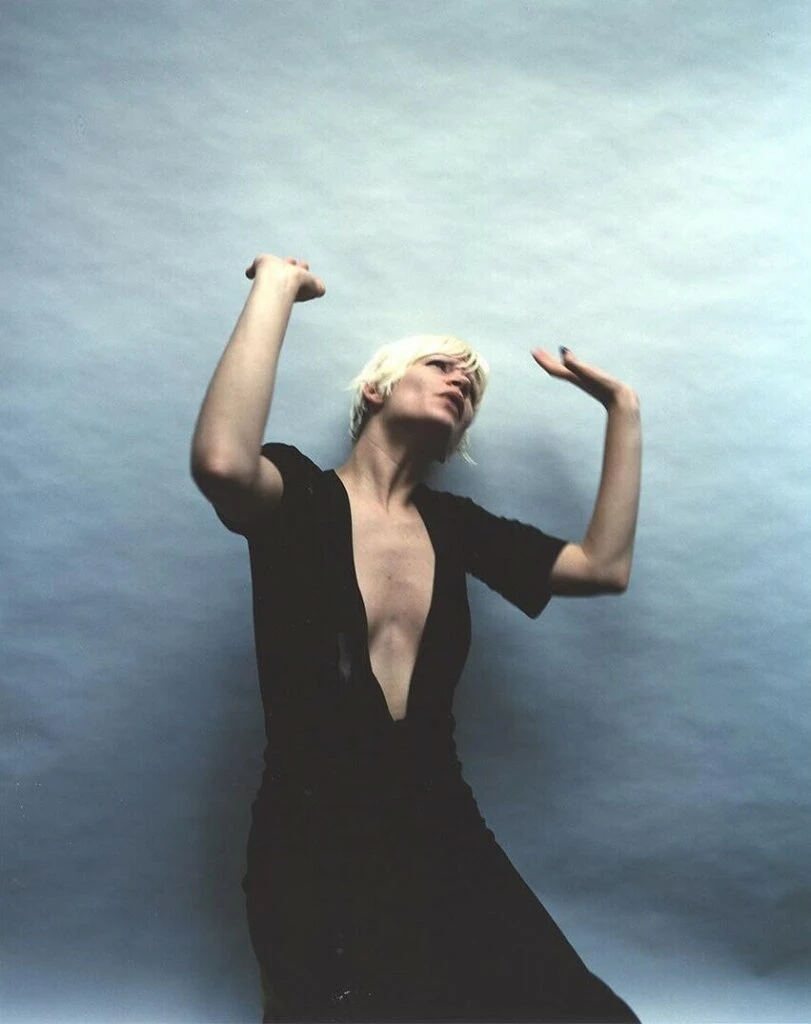
Detour Magazine, September 1996 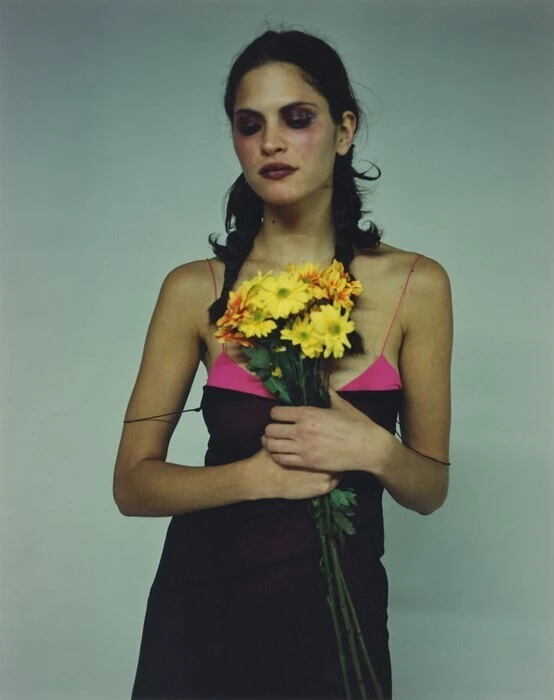
My Wonderful Life 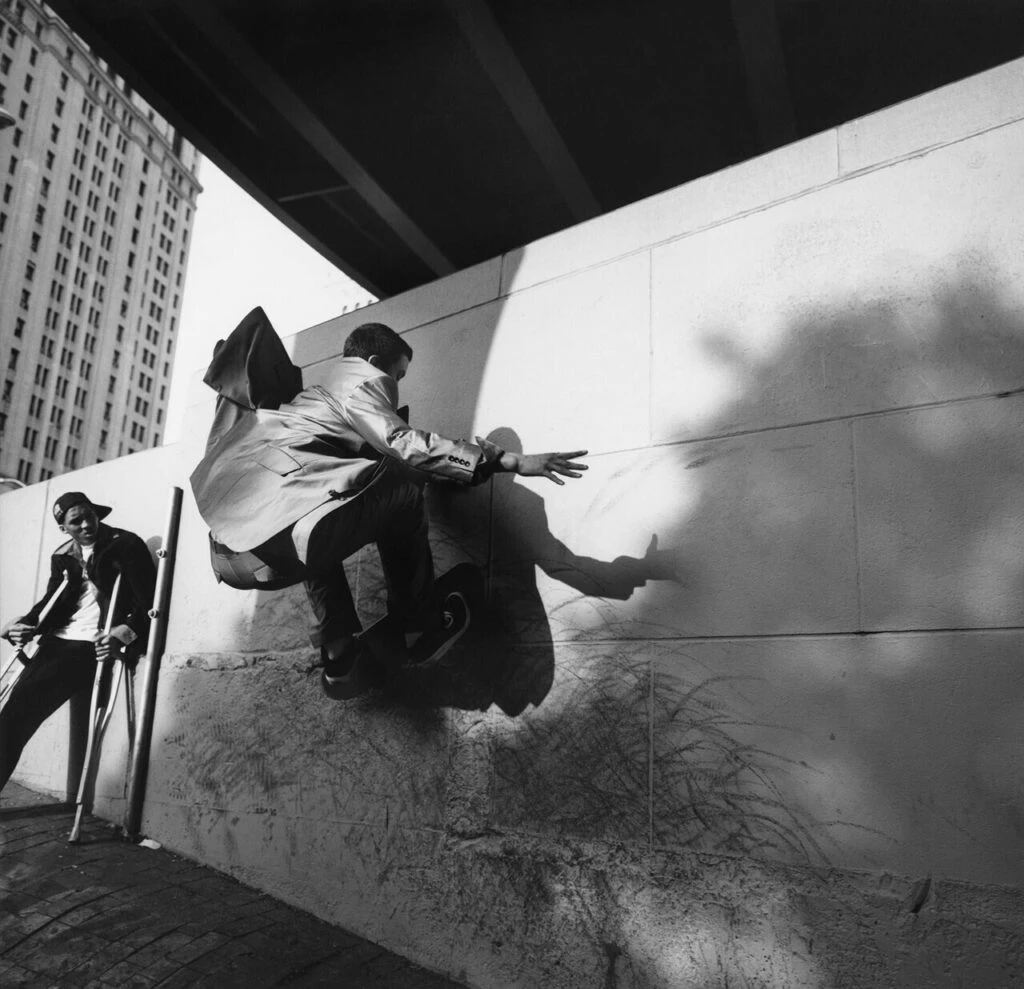
Wheels on wall 
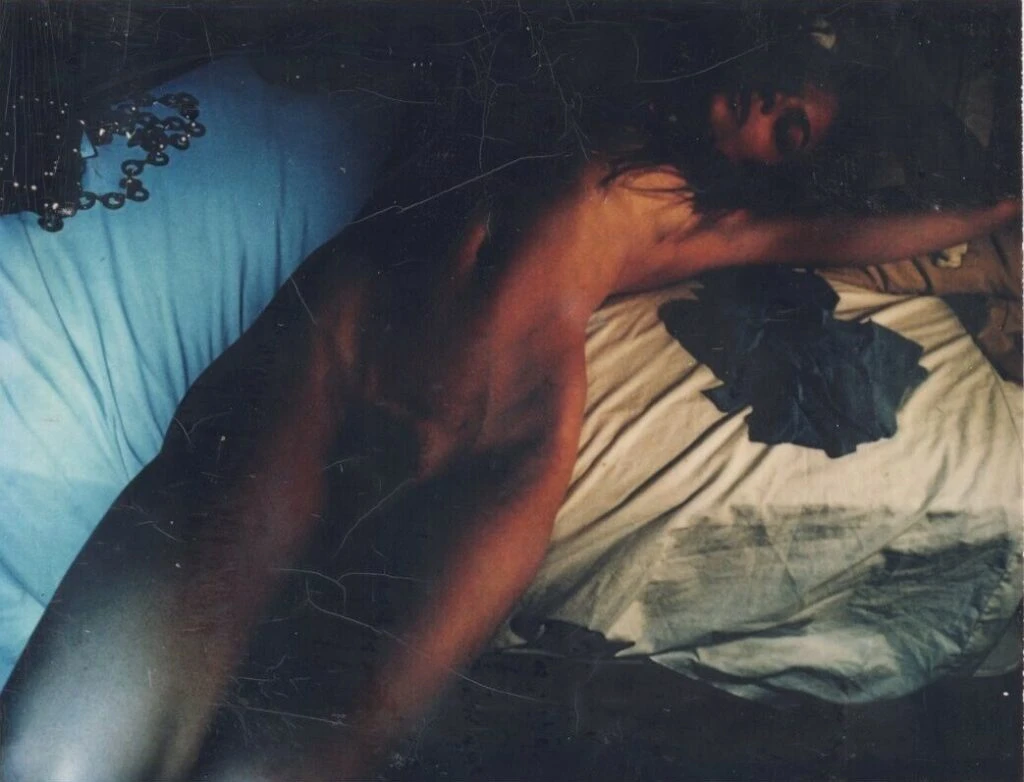
Jamie King 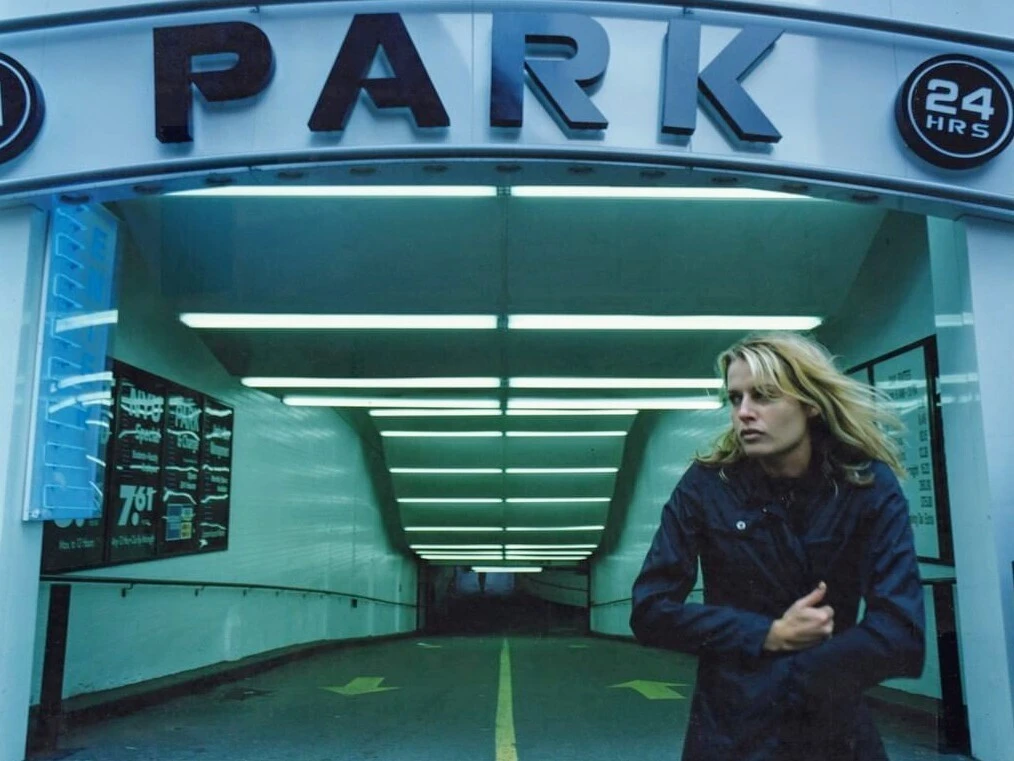
Annie Morton 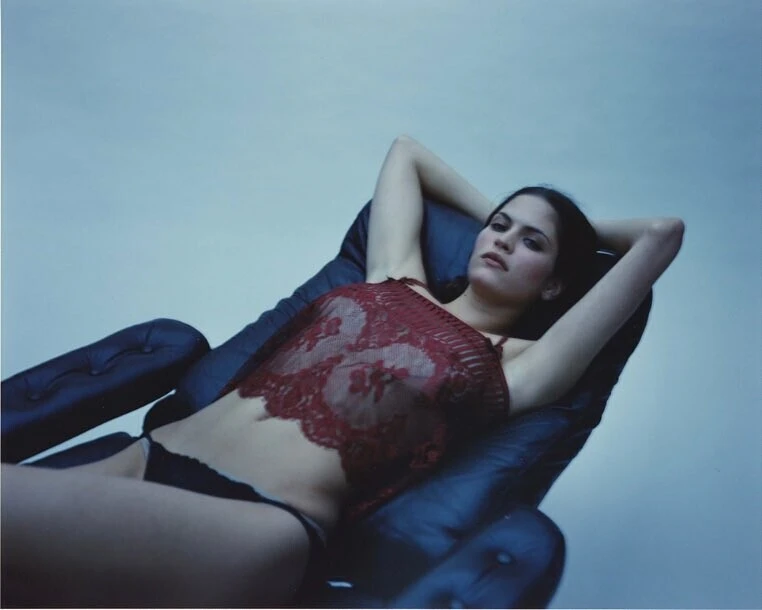
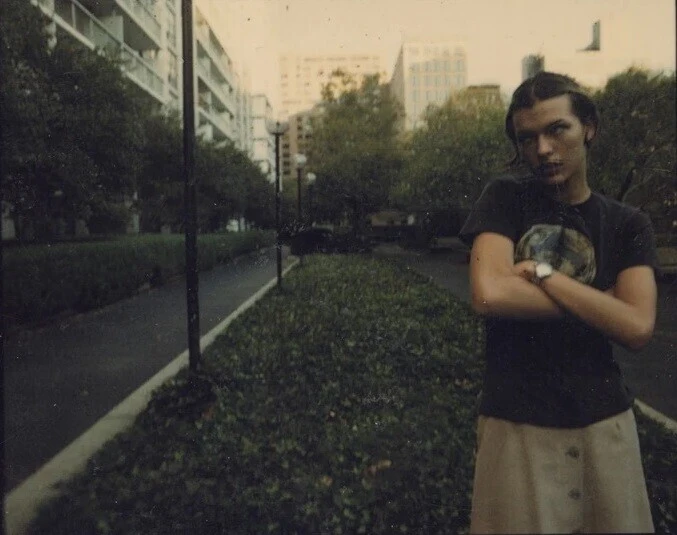
Milla Jovovich 
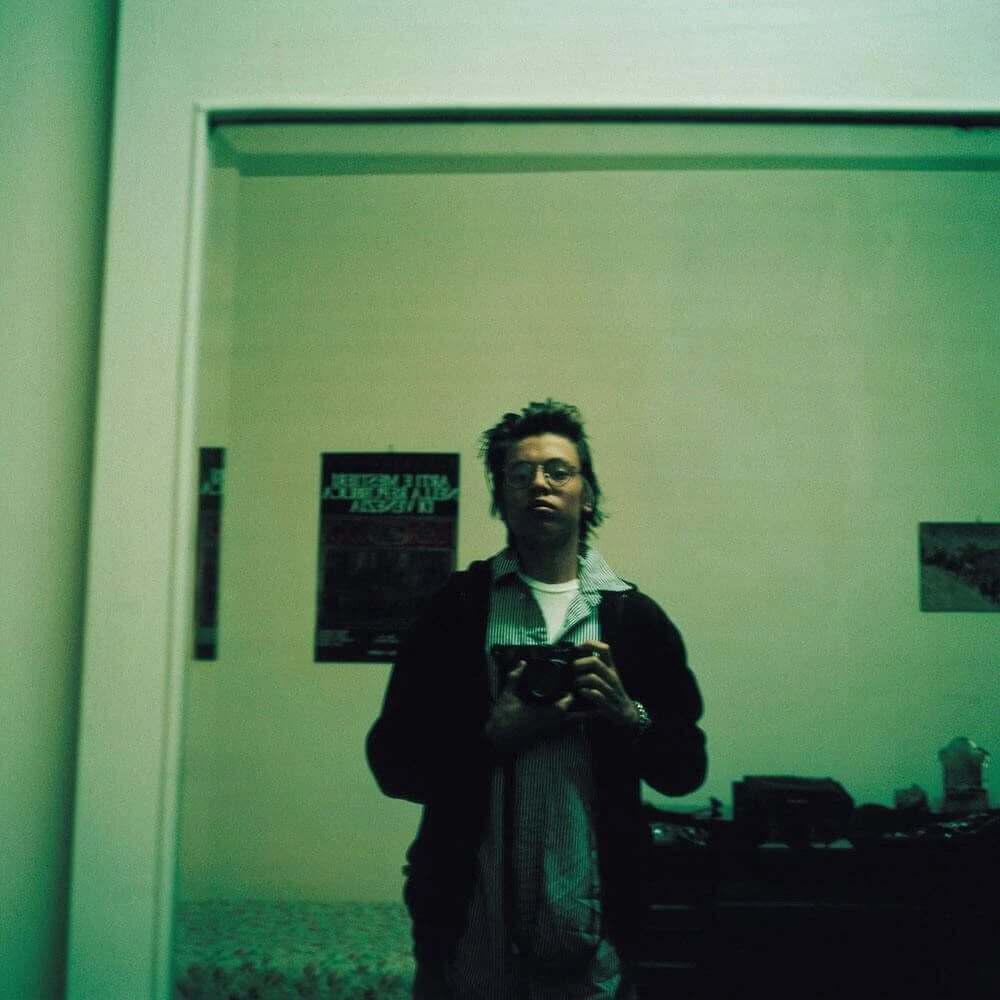
Self-portrait
His short life became a symbol of a generation that lived fast and brightly, as if they knew their time was short. Davide Sorrenti didn't just take pictures—he lived every frame, transforming pain and vulnerability into art. But where is the line drawn between romanticizing tragedy and genuine artistic honesty? Can the aesthetics of "heroin chic" be justified as a reflection of reality, or is it a dangerous glorification of self-destruction?

Download
Archive size 1.56 Mb, downloaded 37 times