Hot southern beauties in portraits by Jose Cruz Herrera (17 photos)
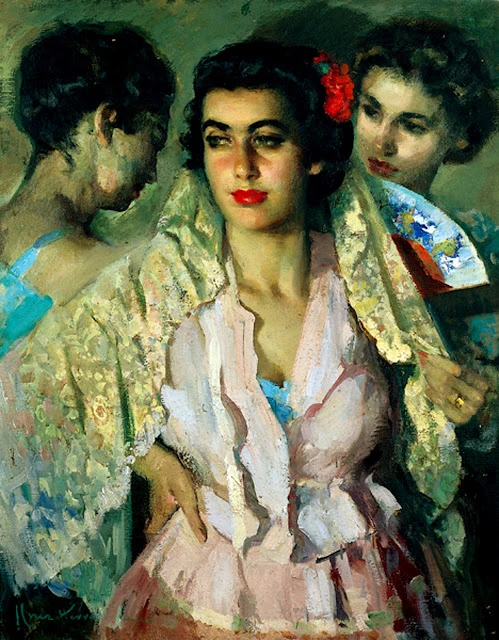
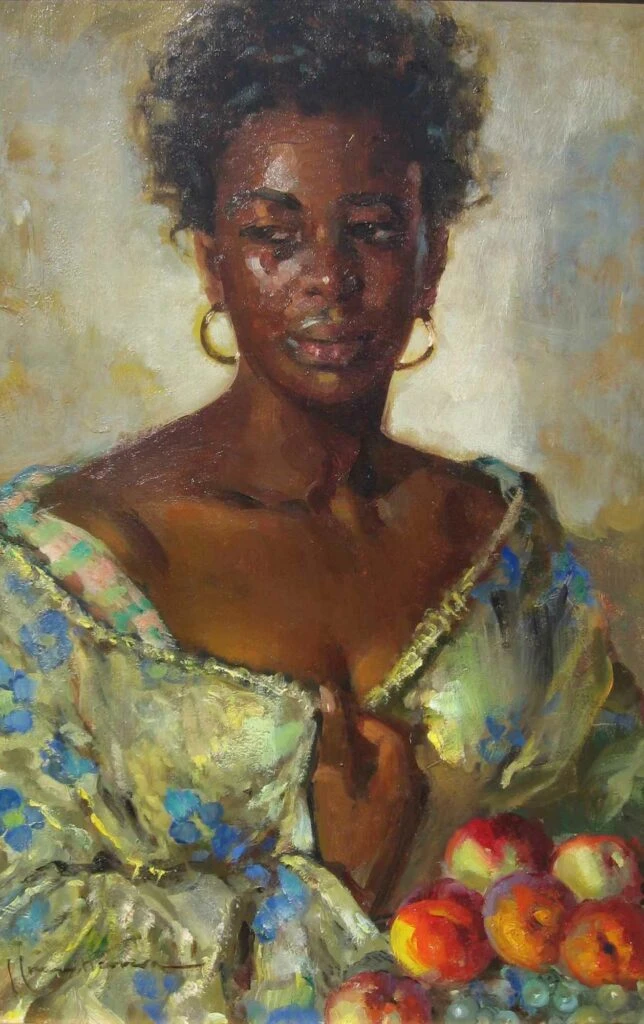
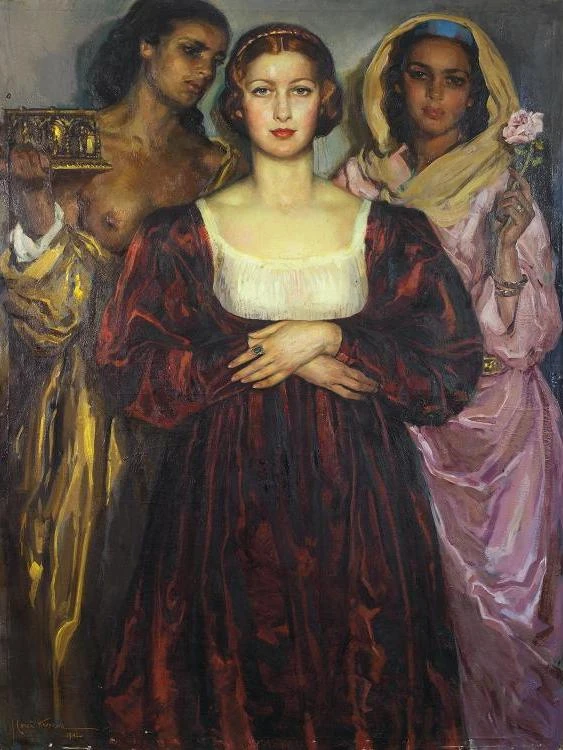
Artist José Cruz Herrera is one of the most famous Spanish painters of the 20th century. His portraits and landscapes are captivating, capturing the character of a person and the atmosphere of a place better than photographs. Herrera's life was long and interesting, and he left behind a solid legacy of hundreds of beautiful works in various genres, from erotica to still life. 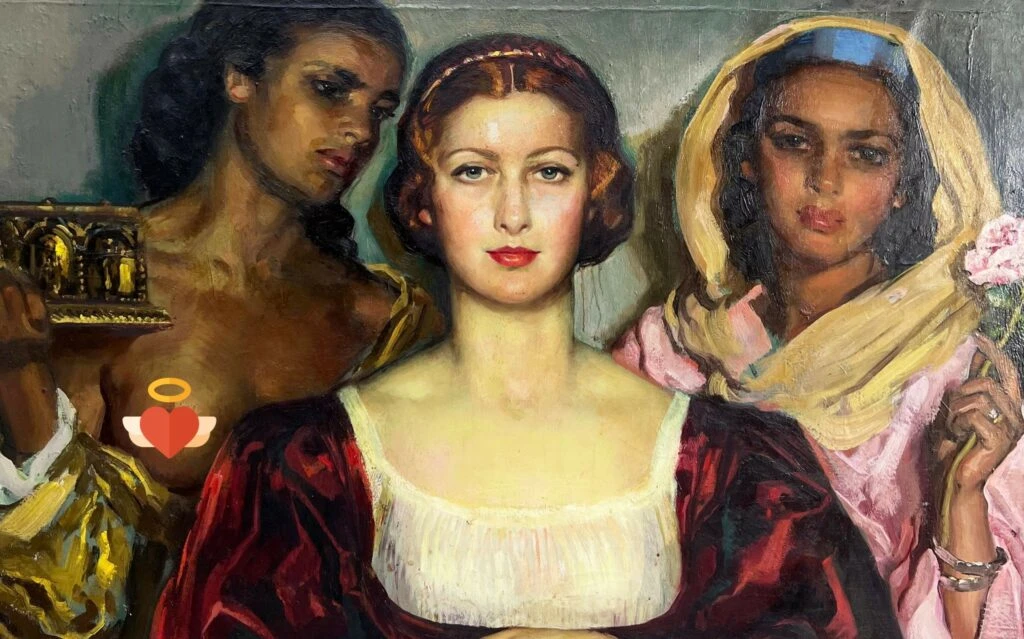
José Cruz Herrera was born on October 1, 1890, in the Spanish town of La Linea de la Concepción, near Gibraltar. The artist's father, José de la Cruz García, owned a lithography workshop that printed copies of paintings, book illustrations, and postcards. The eldest of seven children, José began helping his father operate the lithography presses as a teenager. 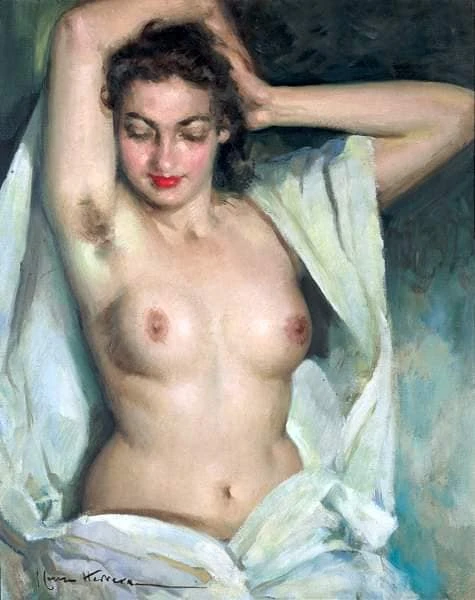
But printing images was just a job for young Herrera. Everything changed when he received a paint set for his birthday. The boy discovered a world of colors and shades, so different from the strict grid of monochromatic lines of lithographs. 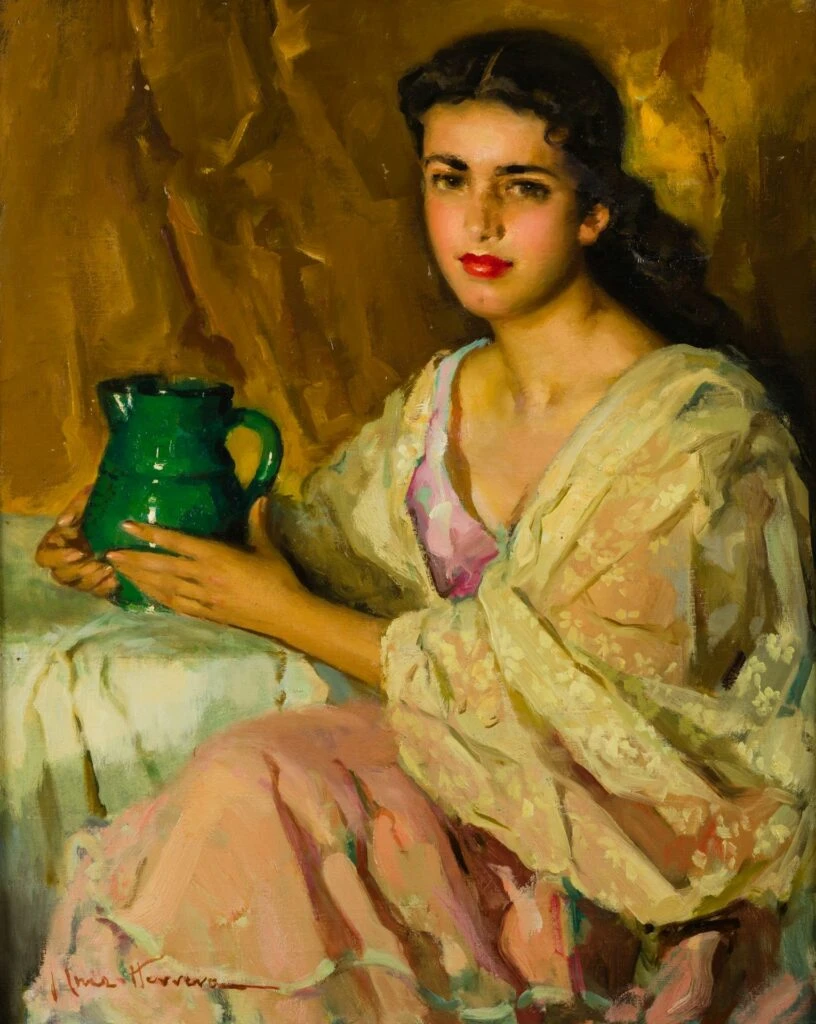
José began copying works by the great Spanish masters of the past—Velázquez, Murillo, and Goya. His talent was soon noticed by his parents, and he became an apprentice to the artist Juan Aciego in Cádiz. Having mastered the basics of art, Herrera continued his studies at the School of Fine Arts in Madrid. In 1915, he received a grant to study in Paris and Rome. 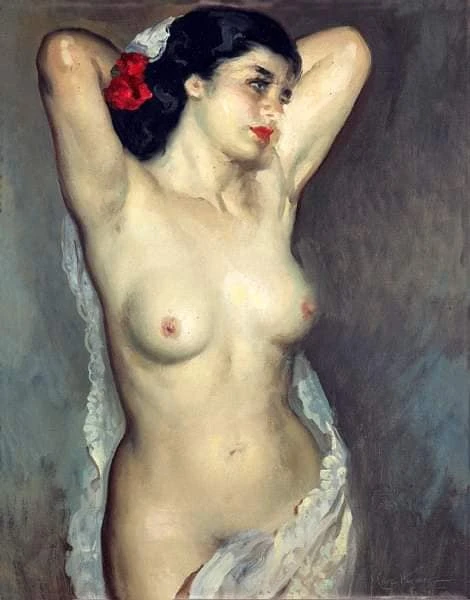
Also in 1915, his painting "Chapel of Christ of Mercy of the Dukes of Osuna" earned him third prize at the National Exhibition of Fine Arts in Madrid. Other exhibitions and prizes followed—in France, Italy, and Panama. Having gained fame, the artist began traveling. He visited Uruguay and Argentina, and in 1929, he traveled to Morocco, where he worked for several years in Casablanca. 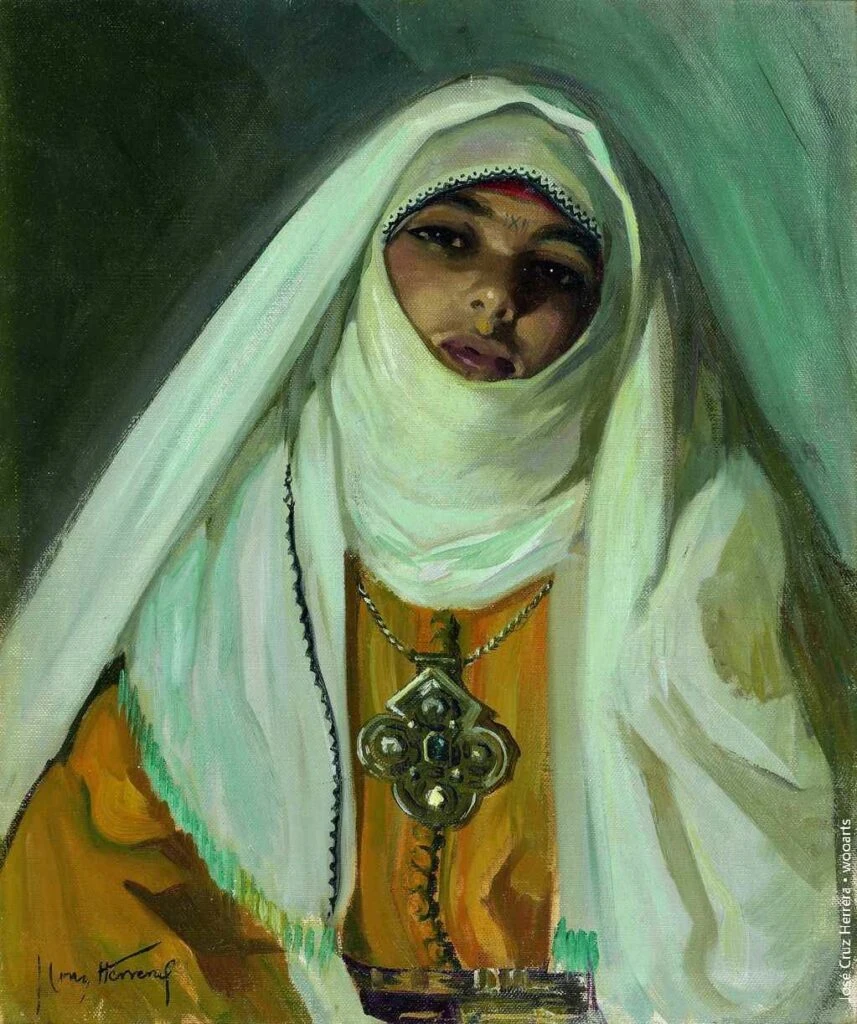
Herrera and Morocco
Morocco became José Cruz Herrera's second home. He lived in the country for many years, inspired by its people and vibrant landscapes. He left North Africa in 1934 to found a studio in Neuilly-sur-Seine, near Paris. But the enigmatic Maghreb drew him like a magnet, and he repeatedly returned to his beloved land. 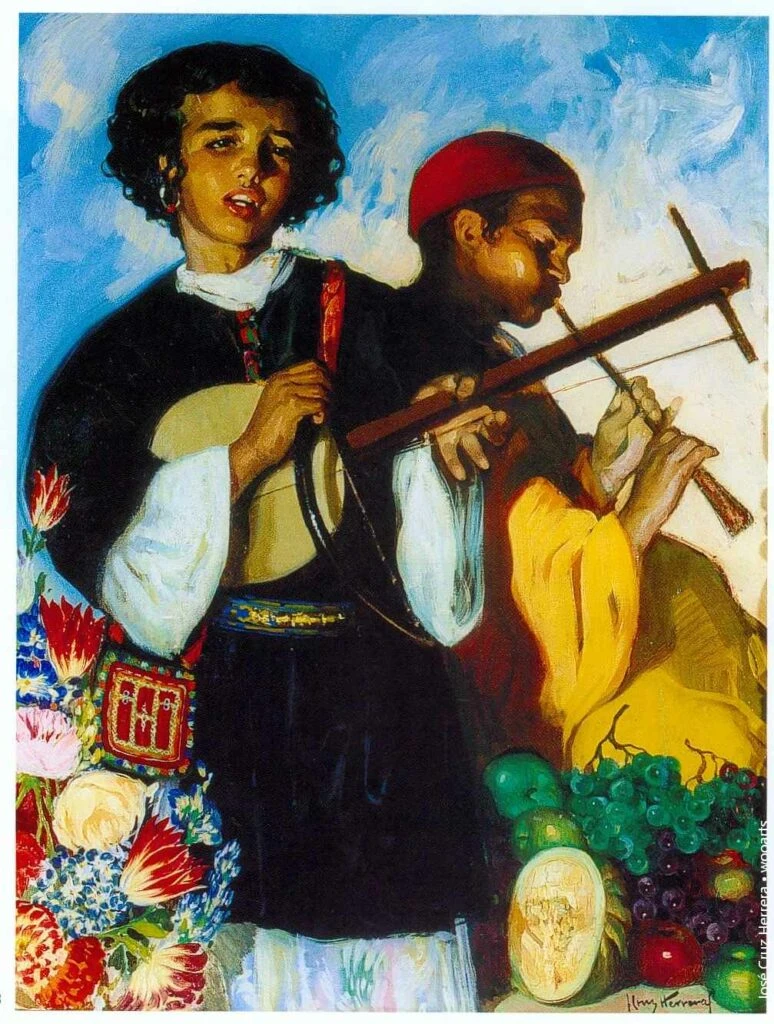
Herrera wanted to spend his final days in Morocco, and his dream came true. He died in Casablanca on August 11, 1972, during one of his artistic trips. His remains were transported to his native La Linea de la Concepción and buried in the city cemetery next to his relatives. 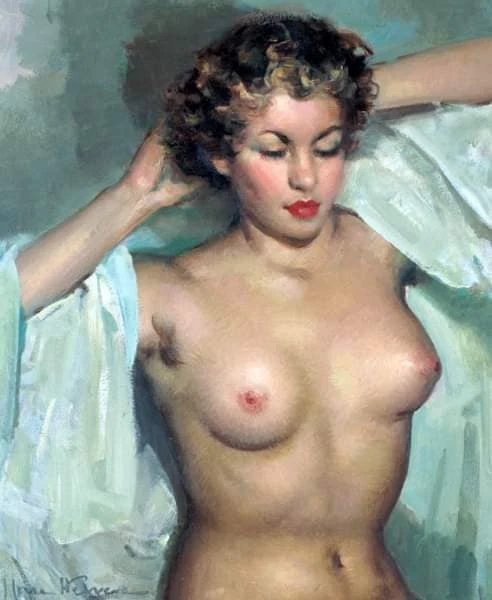
For his invaluable contribution to art, José Cruz Herrera was awarded the Knight's Cross of the Order of Isabella the Catholic in 1940. In 1958, he was awarded the knighthood of the Civil Order of Alfonso X the Wise. 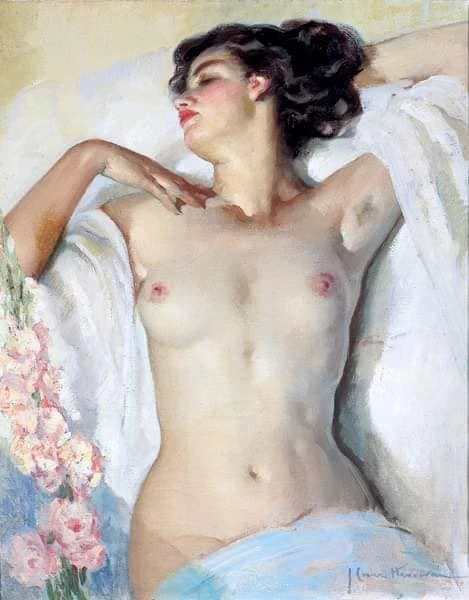
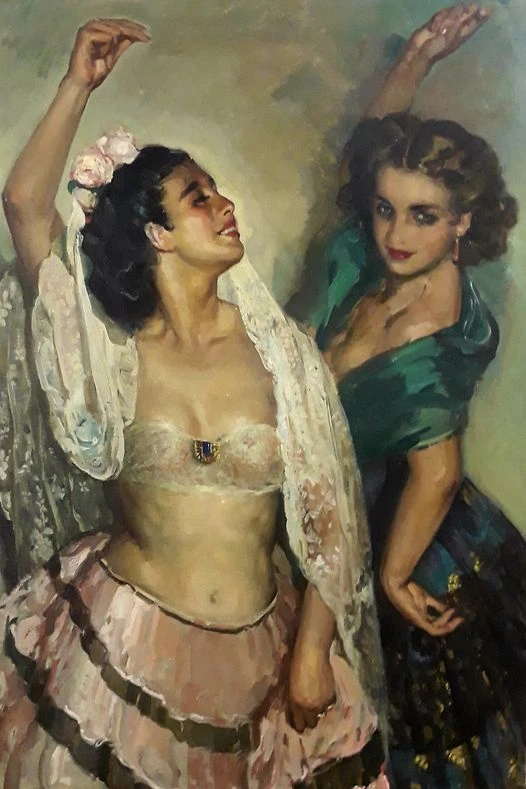
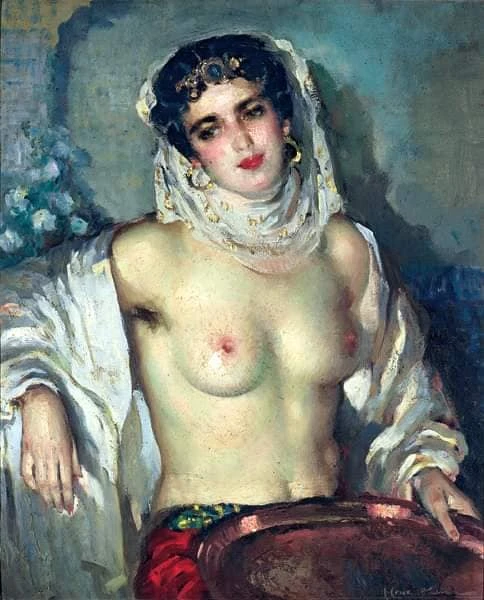
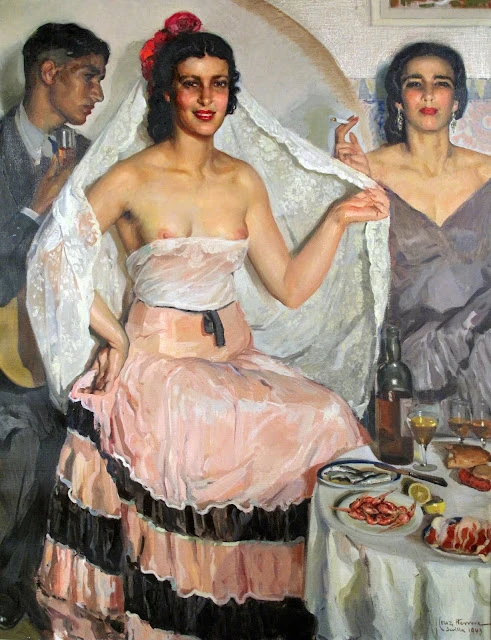
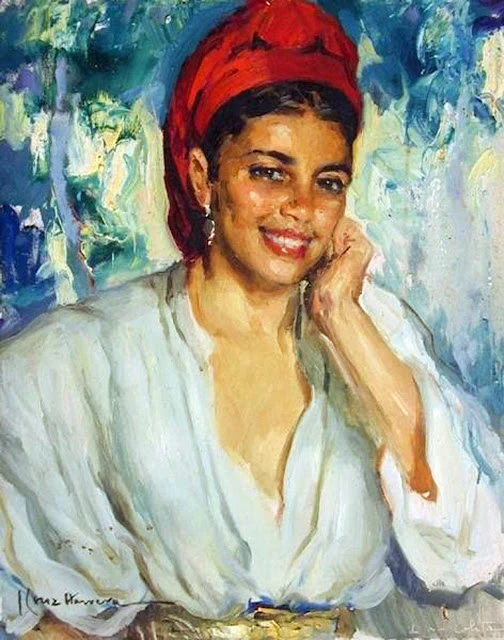
Herrera worked tirelessly throughout his life. He left behind many remarkable paintings in various genres. But his most famous works are his female portraits, painted from life. The artist invited ordinary Berber, Spanish, and Gypsy women to serve as models. He painted them in traditional costumes and nude, in domestic settings and outdoors. 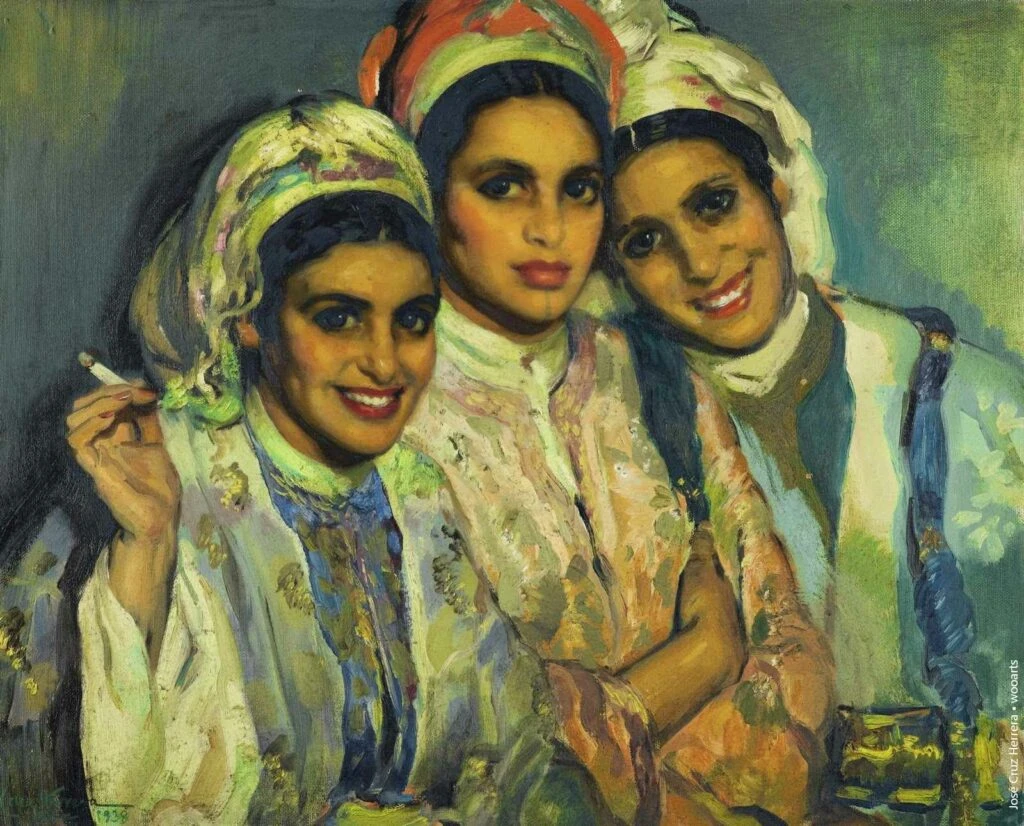
Today, these portraits can be seen in private collections and leading galleries in the United States, Spain, Great Britain, and France. However, the largest collection of paintings is housed in the José Cruz Herrera Museum in his hometown of La Línea de la Concepción. 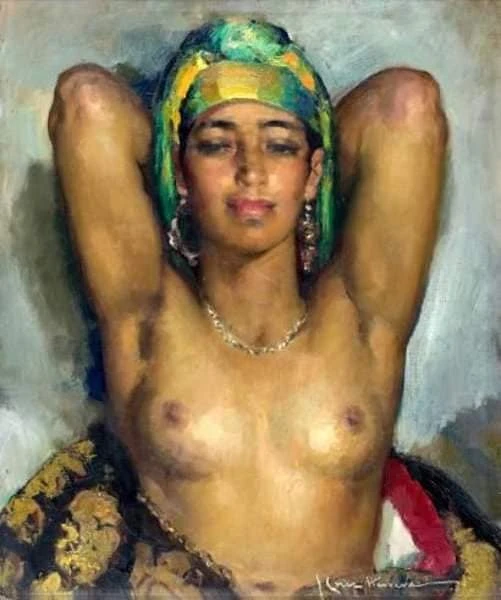

Download
Archive size 1.59 Mb, downloaded 15 times