Aerial Photos of Manila's Slums—the Most Congested City in the World (15 Photos)
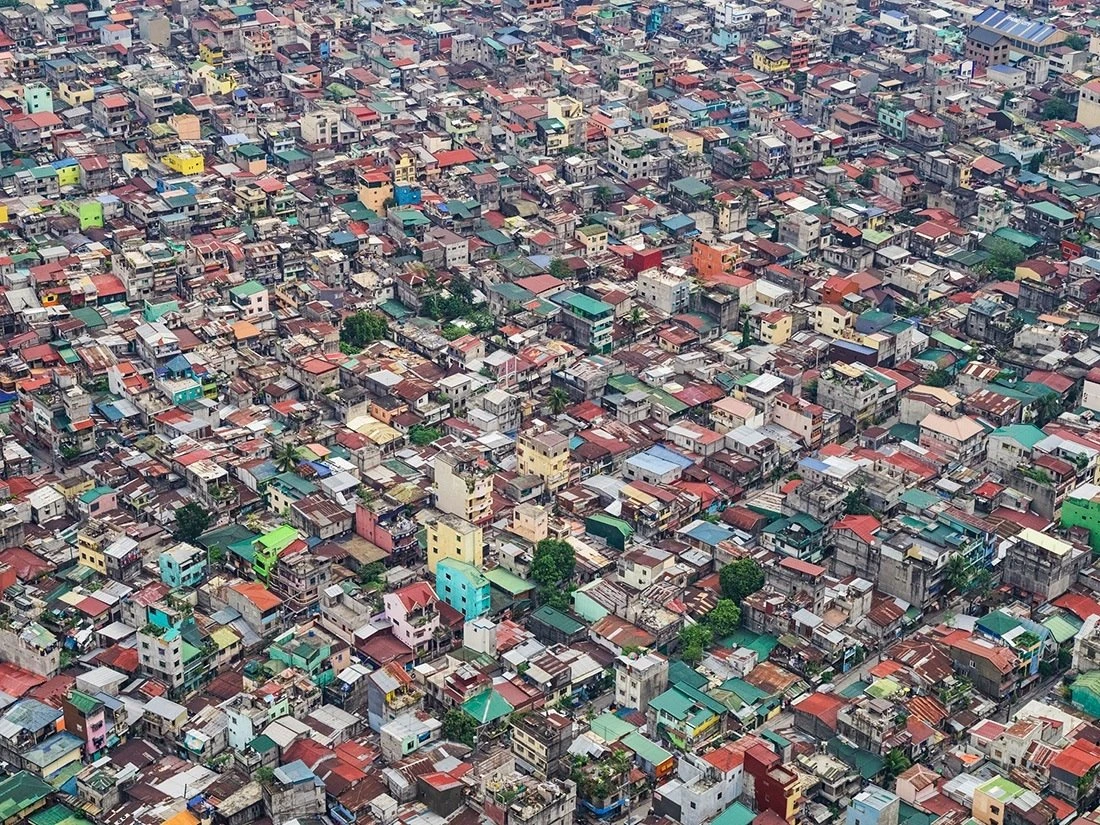
Manila, the capital of the Philippines, is one of the most densely populated cities on the planet. Approximately 200,000 people live per square mile (2.59 square kilometers).
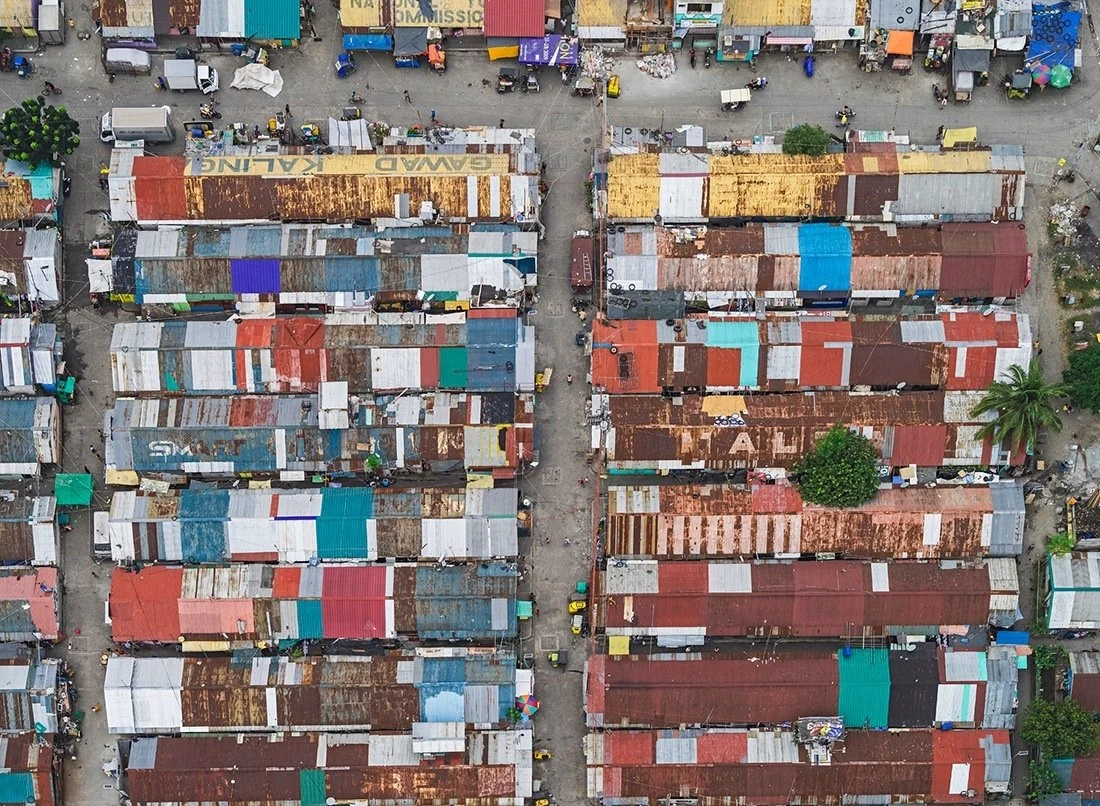
In 2017, German photographer Bernhard Lang captured a series of aerial photographs documenting the city's overcrowding. These aerial shots perfectly capture the living conditions of its residents. 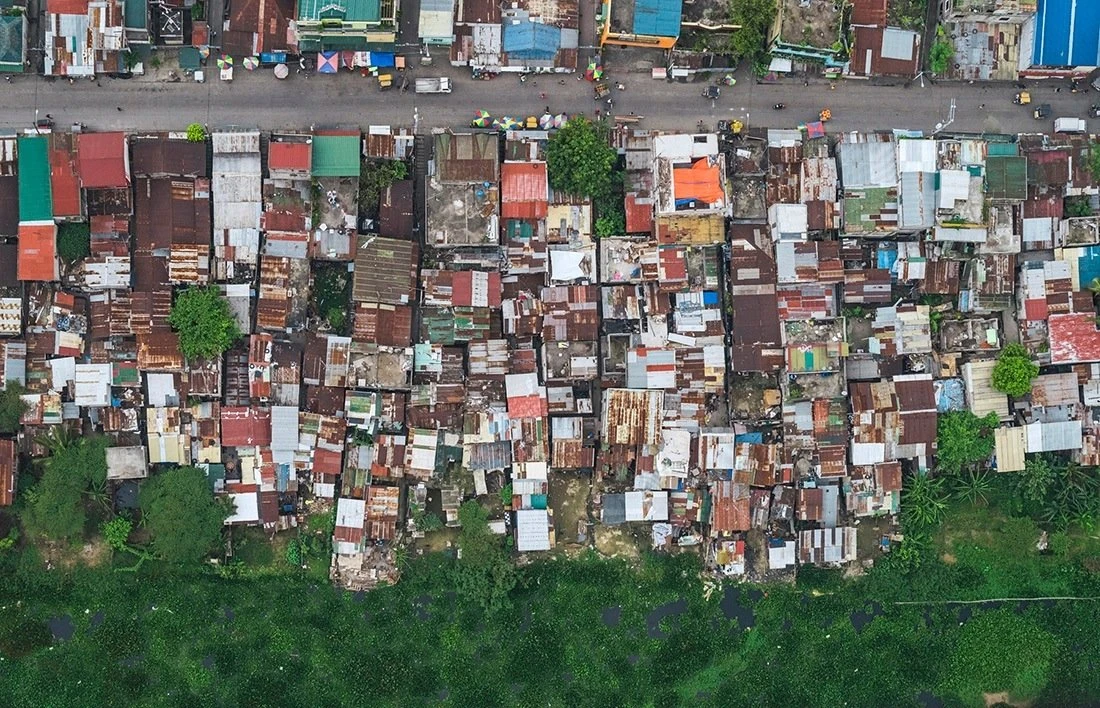
Source: Business Insider 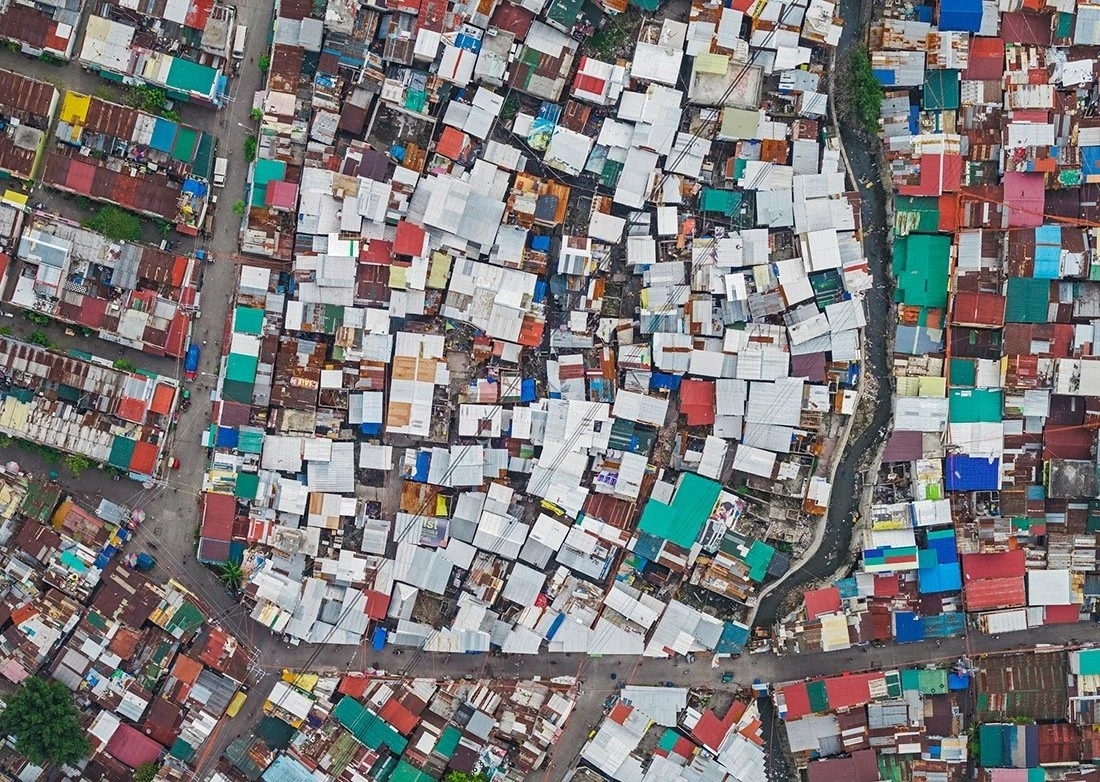
According to the BBC, approximately one billion people worldwide live in slums. And 2% of slum dwellers live in the island nation. 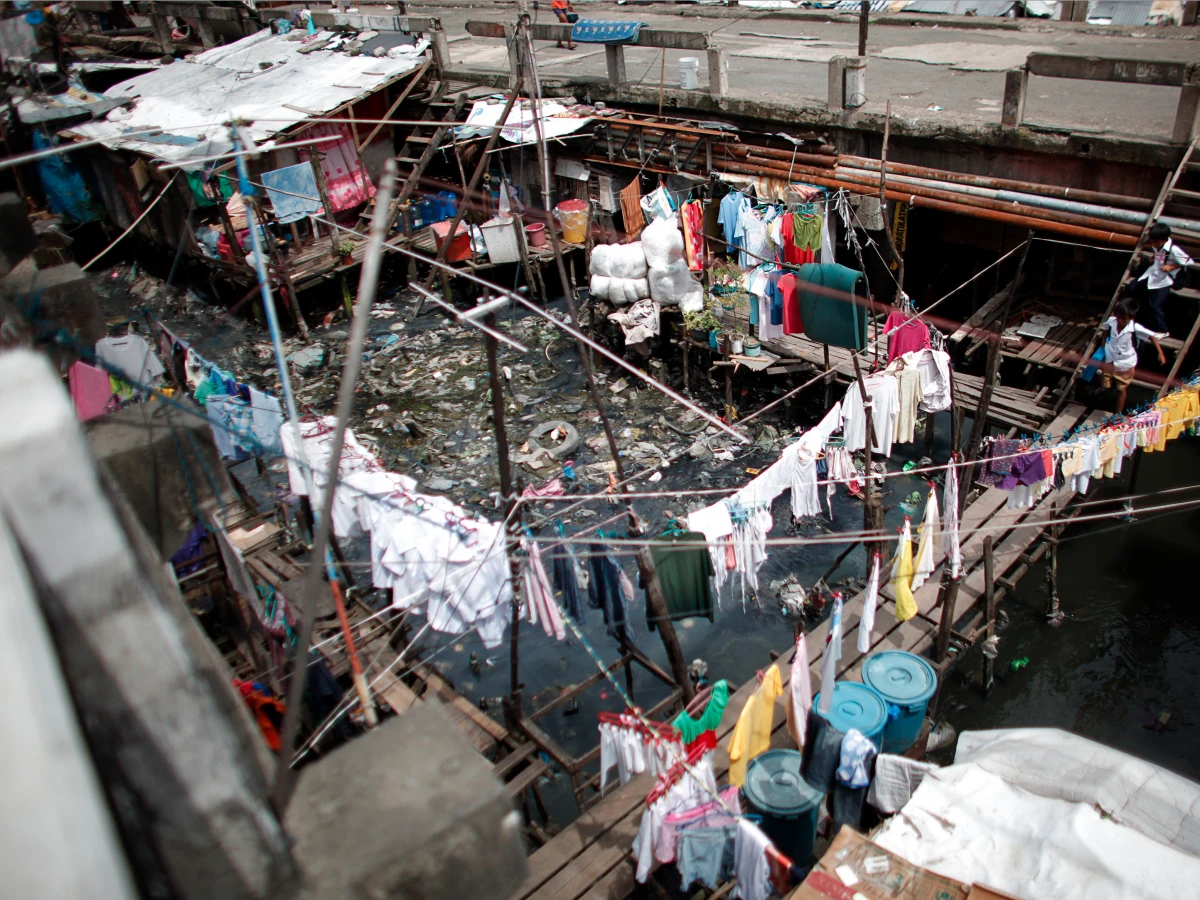

Как садят рис
Смотреть видеоThe capital, Manila, is located on the northwest coast of the Philippines. The city has a thriving business district, residential areas, and slums on the outskirts where people live in shacks.
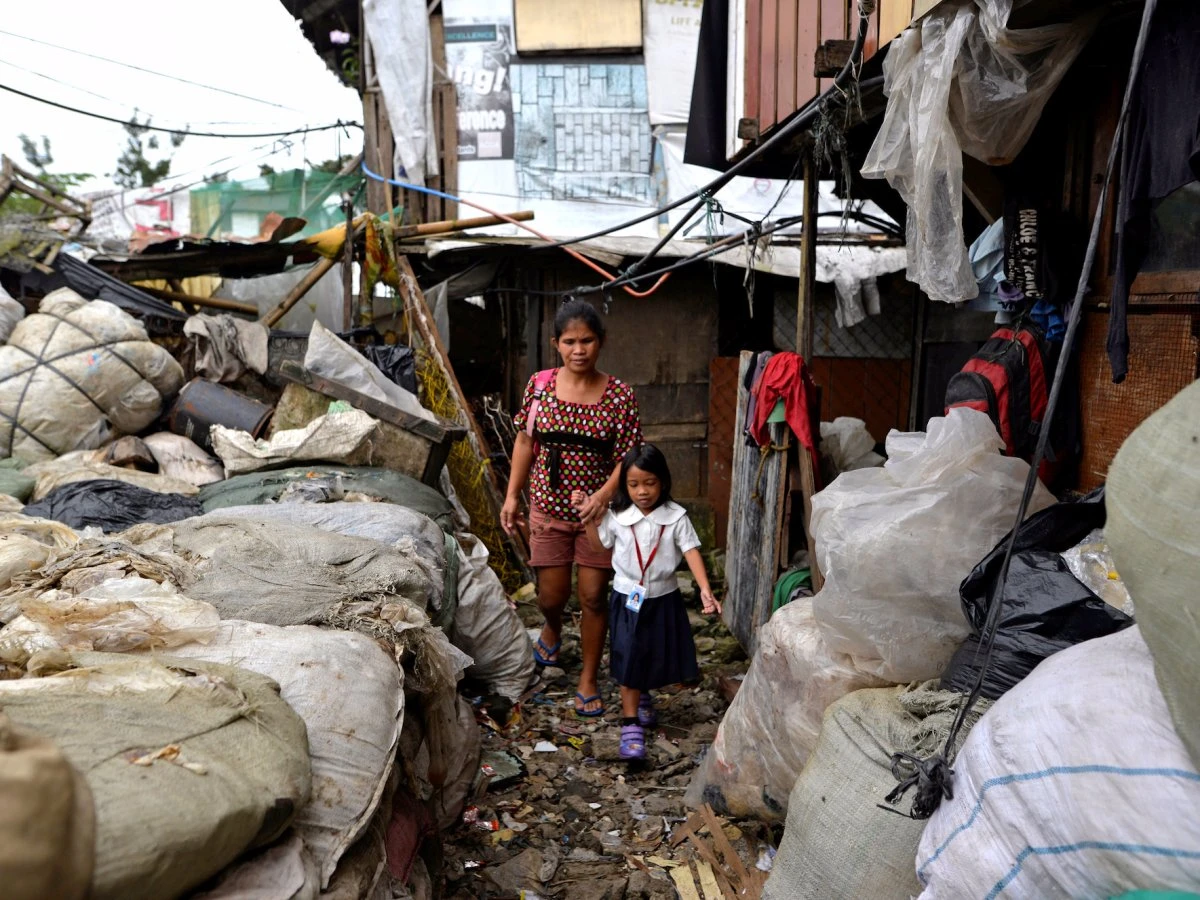
A 36-year-old woman walks with her daughter to school.
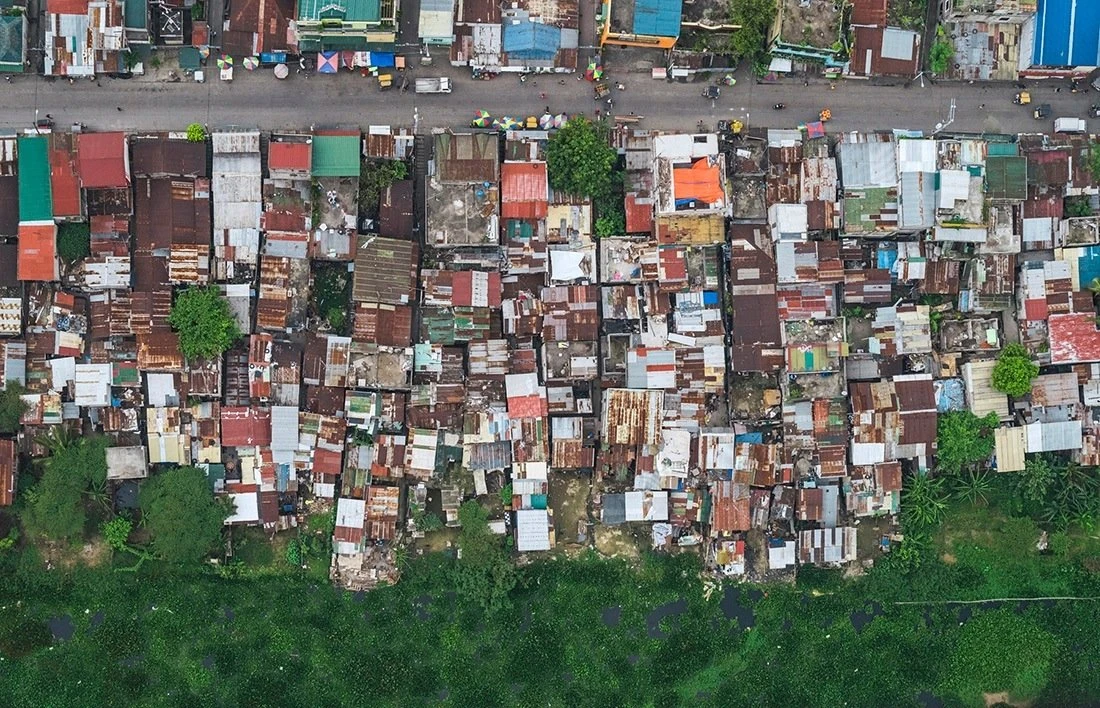
In the poorest areas, numerous families huddle in makeshift shacks along the river. The shacks are built on stilts due to frequent flooding.
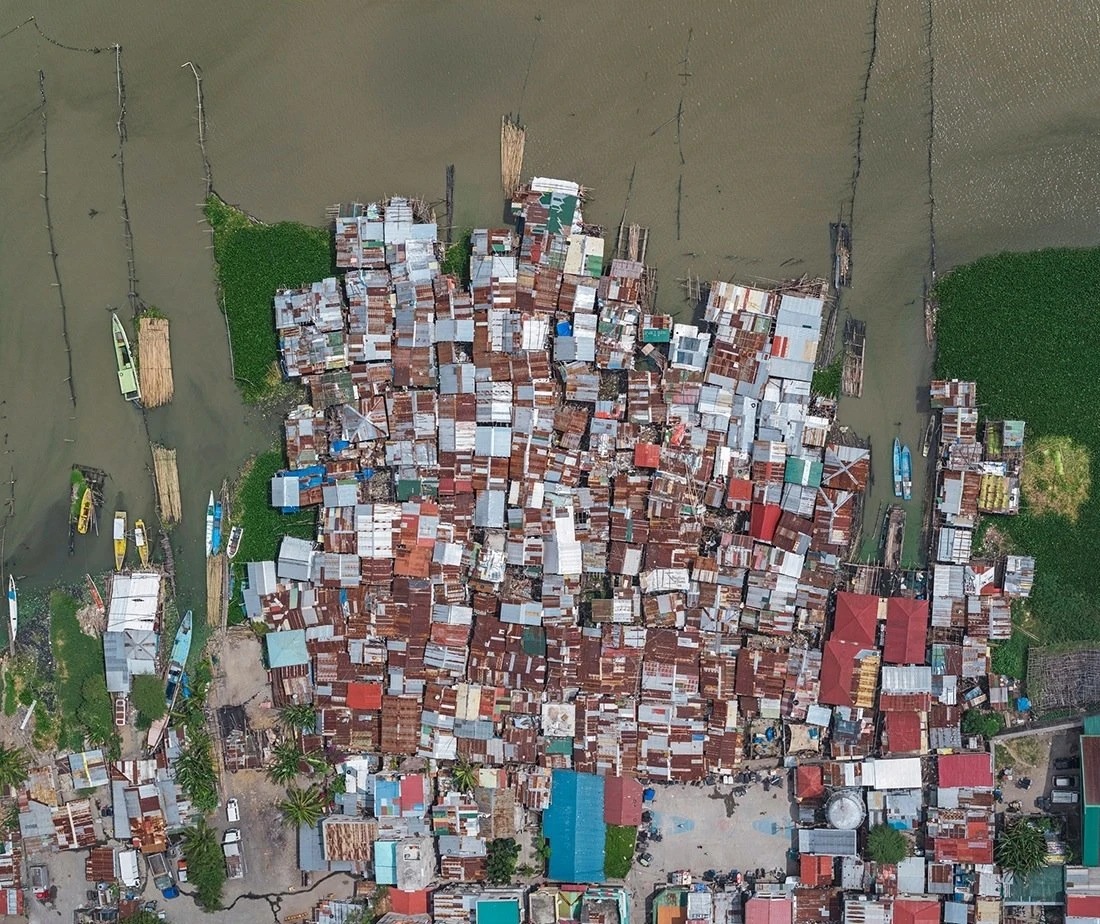
In 2017, photographer Bernard Lang decided to take a series of photographs on what he considers one of the most important themes in our world: overpopulation.
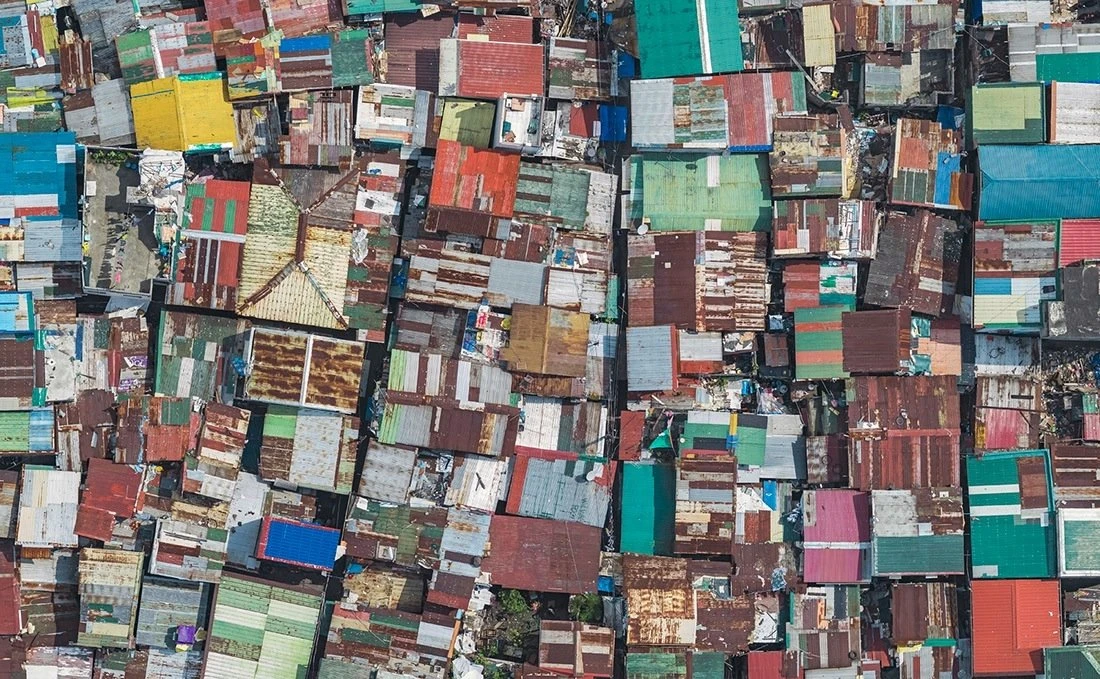
His research led him to Manila, where the multicolored roofs of the shantytown shacks, cobbled together from salvaged construction materials, reminded him of abstract paintings.
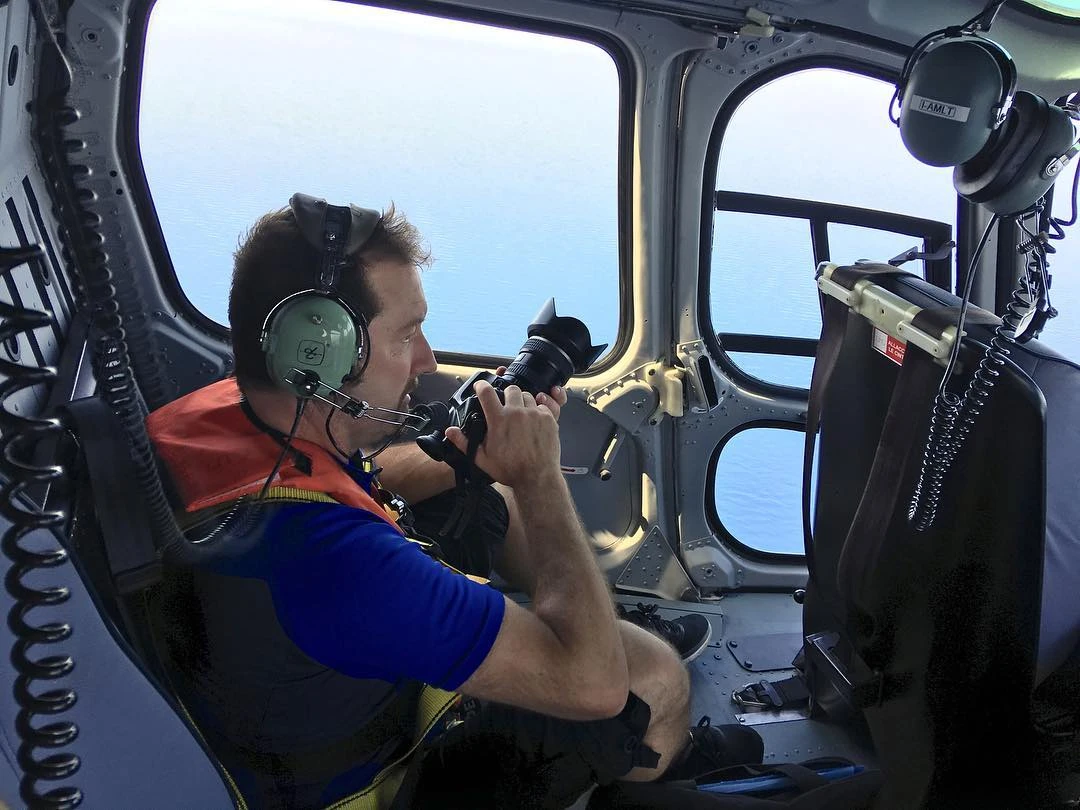
The photographer rented a helicopter to fly over the city. "From this angle, you can best see how closely the houses are positioned, leaning against each other."
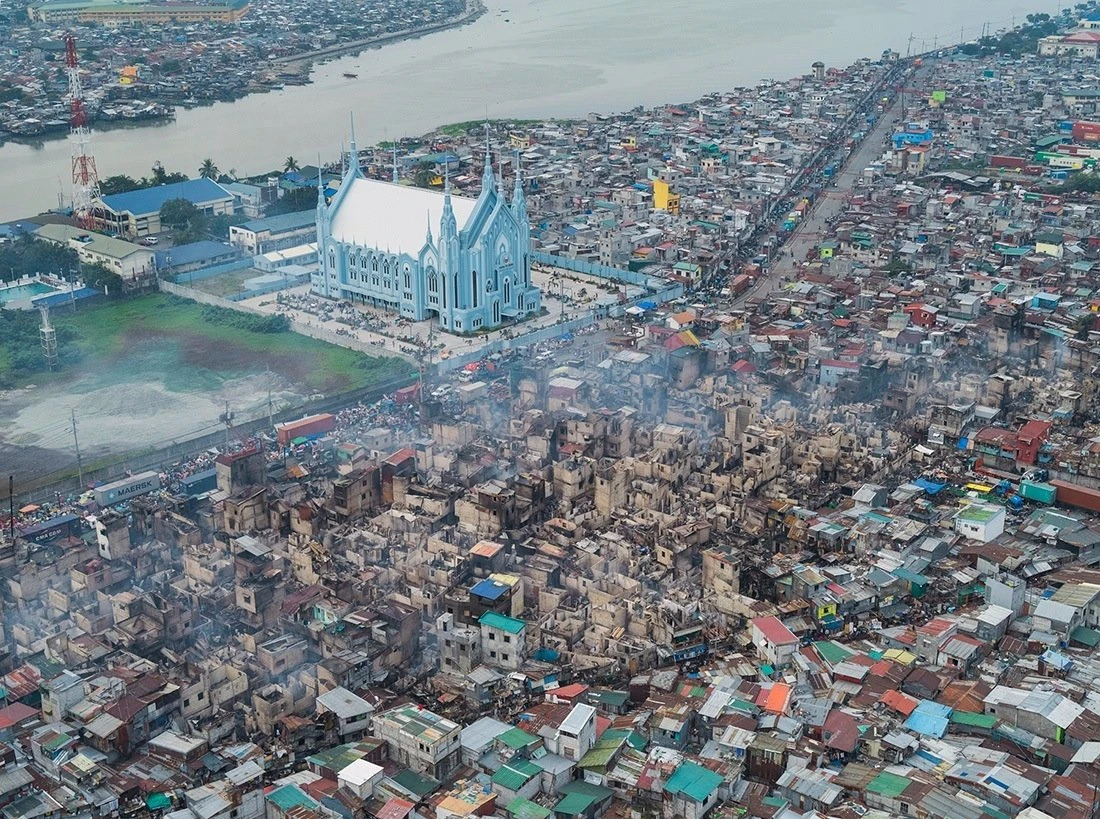
On the photographer's first night in Manila, a fire broke out in one of the slums. Because the houses were literally pressed together, fire trucks had difficulty reaching the fire.
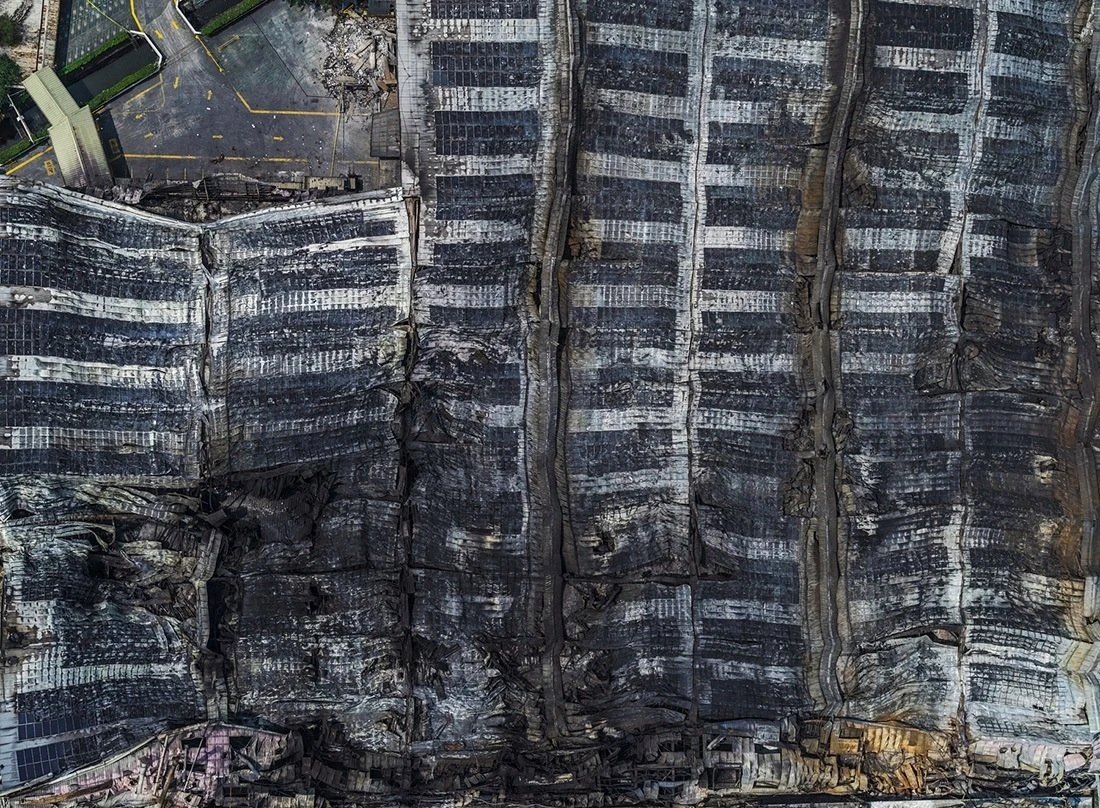
The next morning, Lang flew to the area. The fire destroyed a thousand houses, leaving three thousand people homeless. Fortunately, no one was injured.
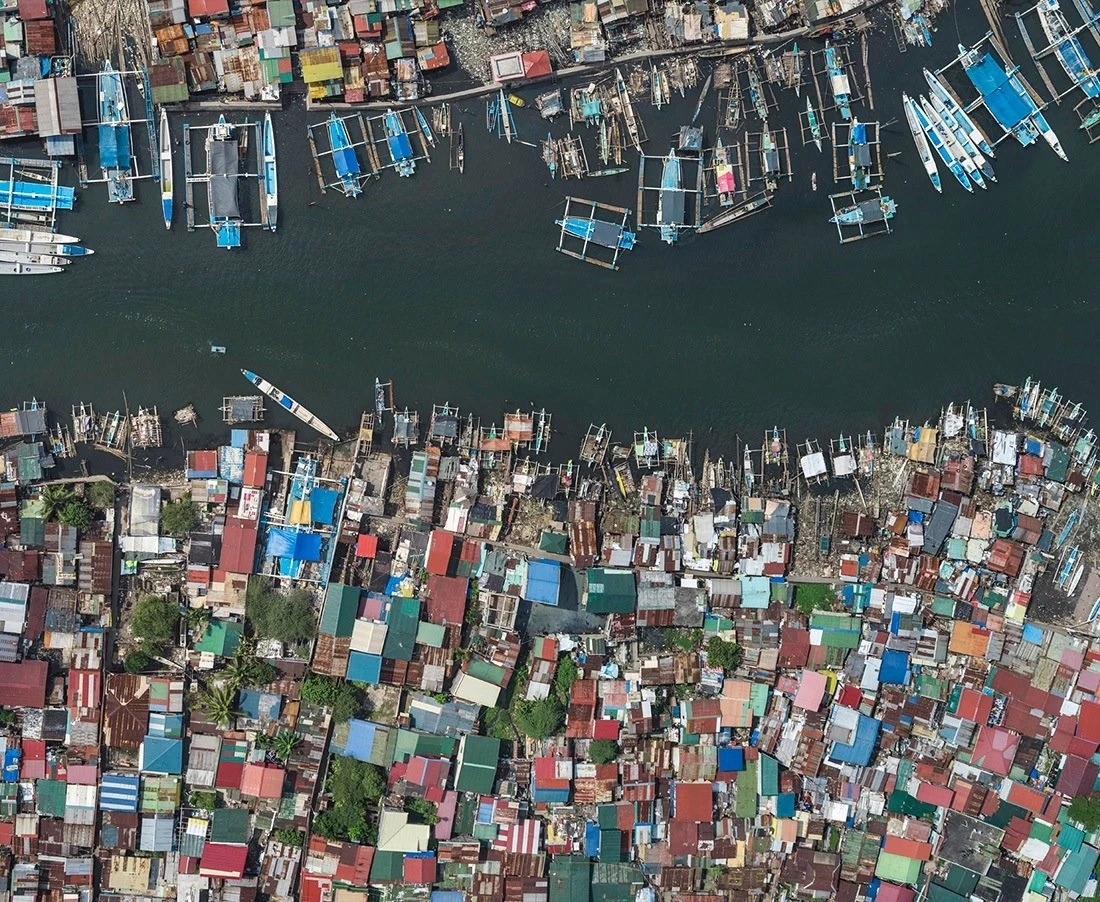
Fires and floods are constant threats in Manila. The Philippines is located on the Pacific Ring of Fire, which means it's prone to earthquakes and typhoons.
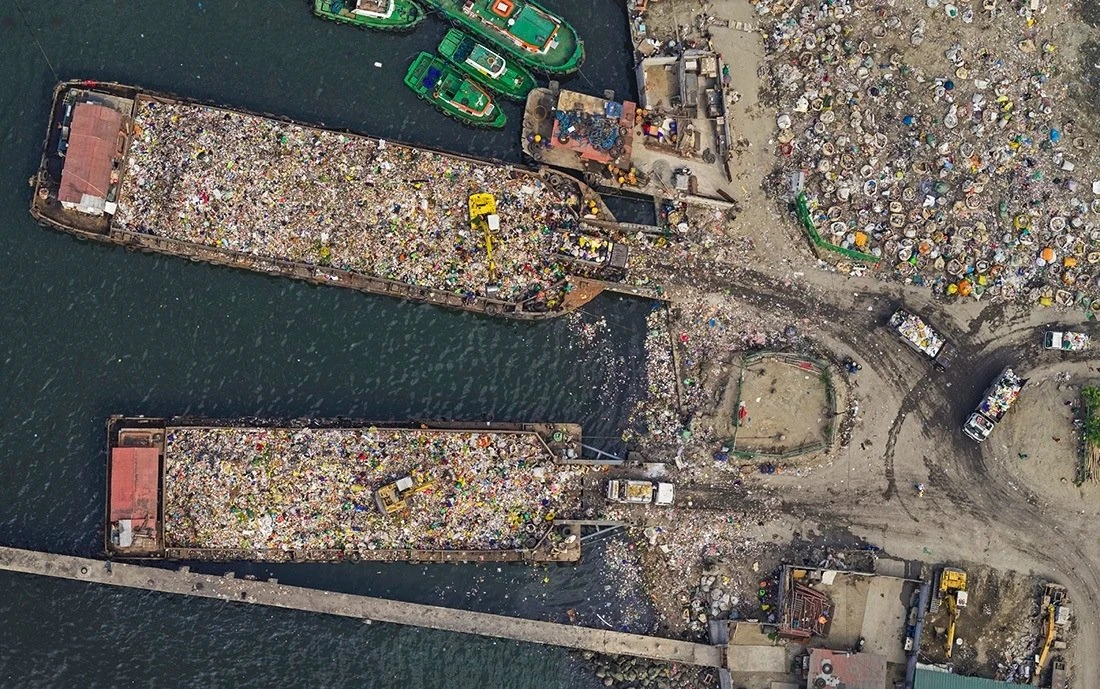
Garbage is transported through polluted waters near slums, increasing the risk of bacterial diseases.
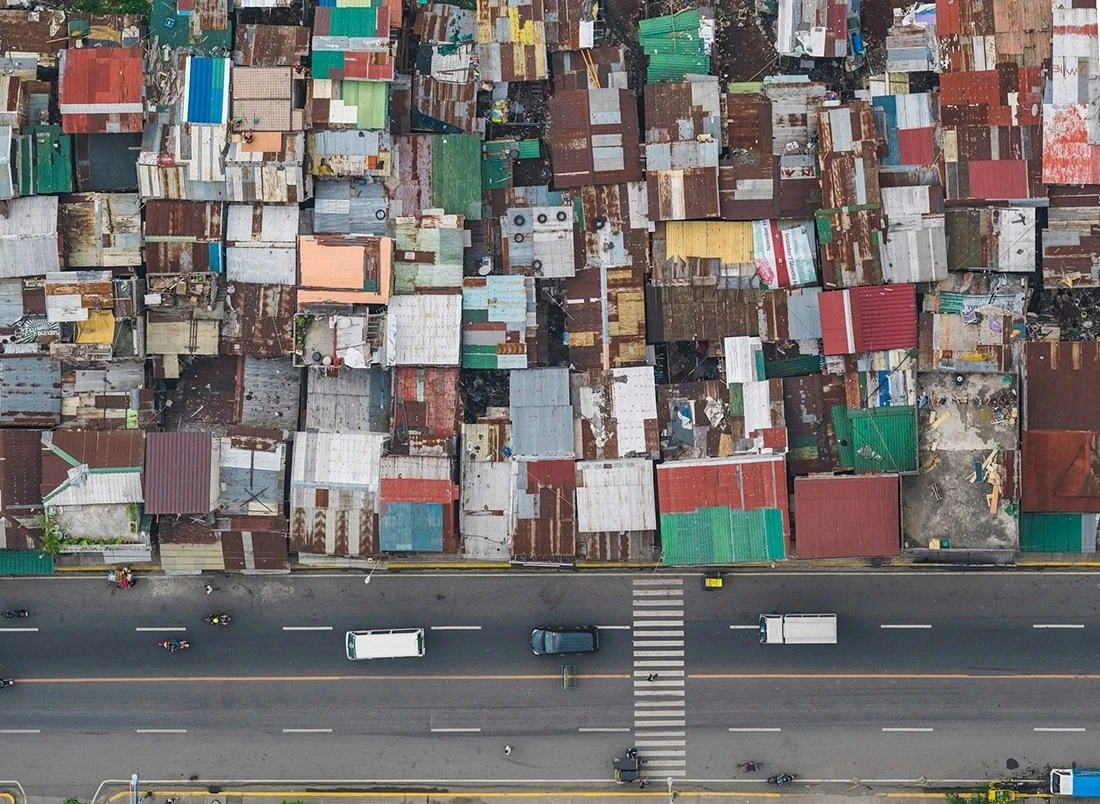
Manila also faces other consequences of overpopulation: hunger, poverty, economic inequality, and drug-related crime.
There is no solution in sight to the city's overpopulation crisis. According to Time, Manila's population will grow by another 3.29 million by 2025.
Lang worries that, amid global issues like climate change and ocean pollution, overpopulation is not receiving the attention it deserves.
The photographer hopes his images will attract the attention of the public and the world's powerful.

Download
Archive size 5.84 Mb, downloaded 6 times