Robert Lebec - the photographer who preserved history for us (22 photos)
The name Robert Lebeck is forever etched in the history of photography. His images are more than just snapshots, but true time capsules that preserve entire eras. From everyday street scenes to world-changing events, Lebeck had a knack for seeing what eluded others. His lens seemed to freeze the moment, allowing us to relive and understand the past through the photographer's own eyes. 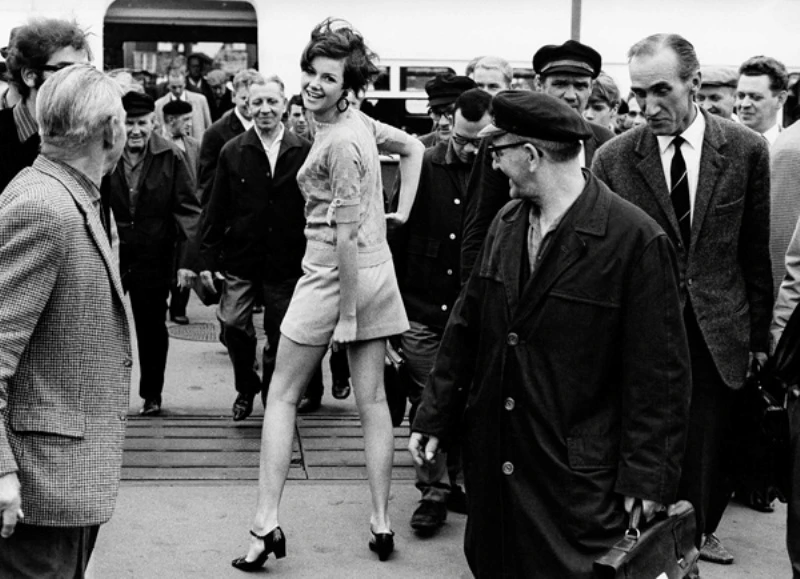
Life with a Camera
Robert Lebeck was born on March 21, 1929, in Berlin. He spent his youth during the war: he was sent to the front straight from school. He didn't fight for long—he was soon captured and returned home only after the war ended. He later graduated from the University of Zurich with a degree in ethnography. 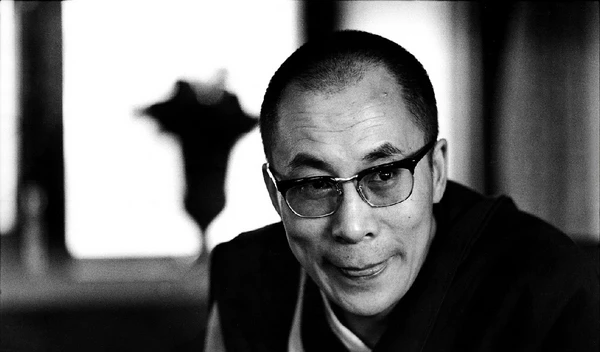
Dalai Lama. 1971
His serious introduction to photography came relatively late. In the early 1950s, his wife gave him a camera for his birthday. From 1952, Lebeck worked as a reporter for German newspapers and took photographs constantly. After gaining experience in smaller publications, he joined the legendary Stern magazine as a photojournalist, where he spent over 30 years. 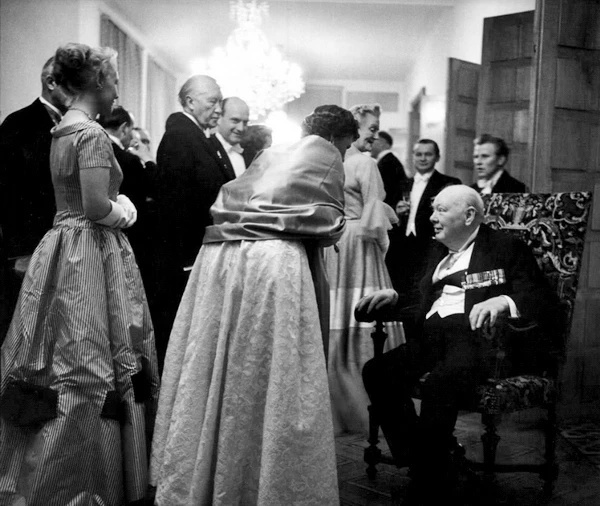

Winston Churchill. 1956
History in Reports and Portraits
Robert Lebeck became the leading chronicler of key political and cultural events in Germany in the second half of the 20th century. His camera captured everything: military parades, official receptions, film festivals, concerts of world stars. He also created incredibly vivid portraits – of politicians, actors, musicians, athletes, and ordinary people.
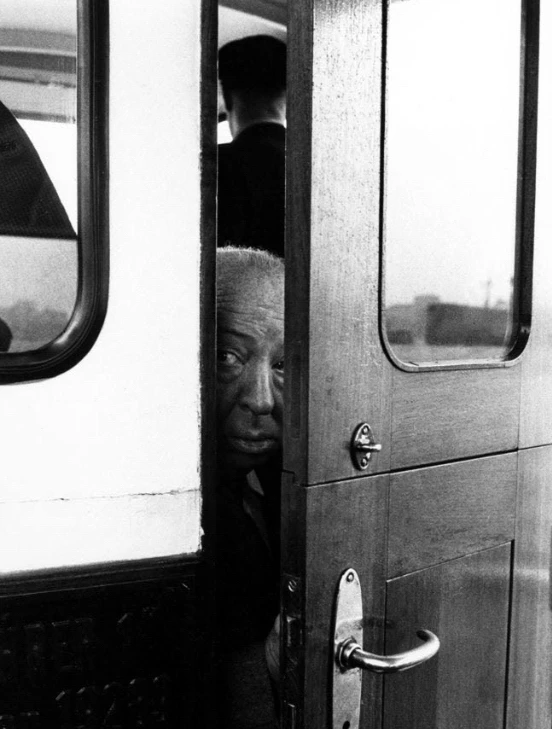
Alfred Hitchcock
The photographer traveled throughout Europe, Asia, and Africa, and visited the USSR several times. Each of his shots is not staged, but a captured moment of real life. Lebeck's photographs breathe time, convey human warmth, and convey a history that begs to be revisited again and again.
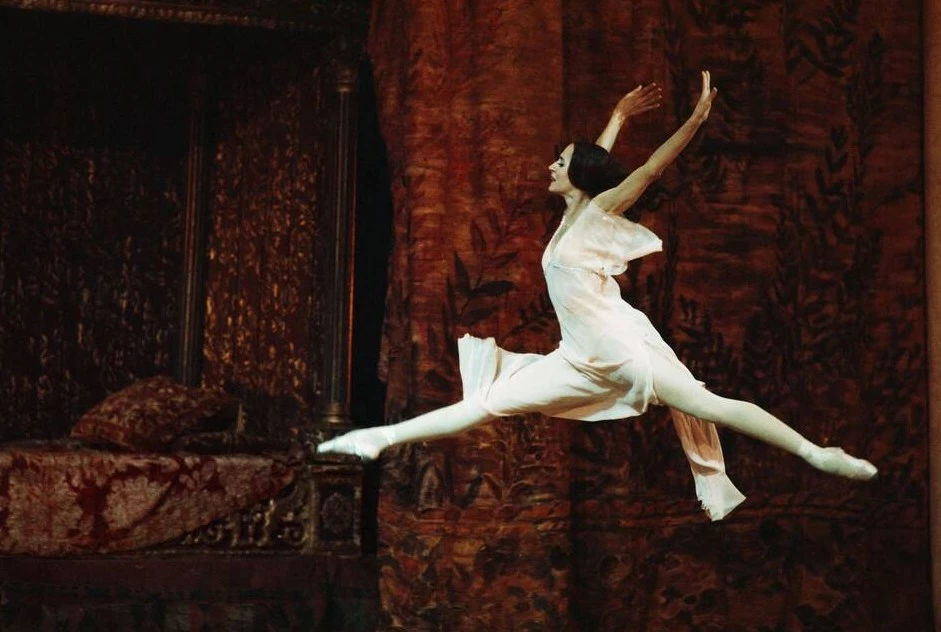
Bolshoi Theatre in Moscow
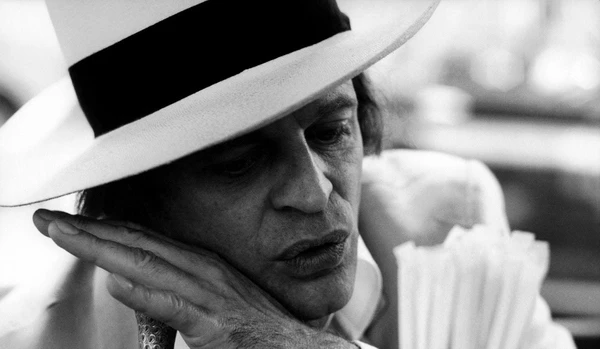
Klaus Kinski
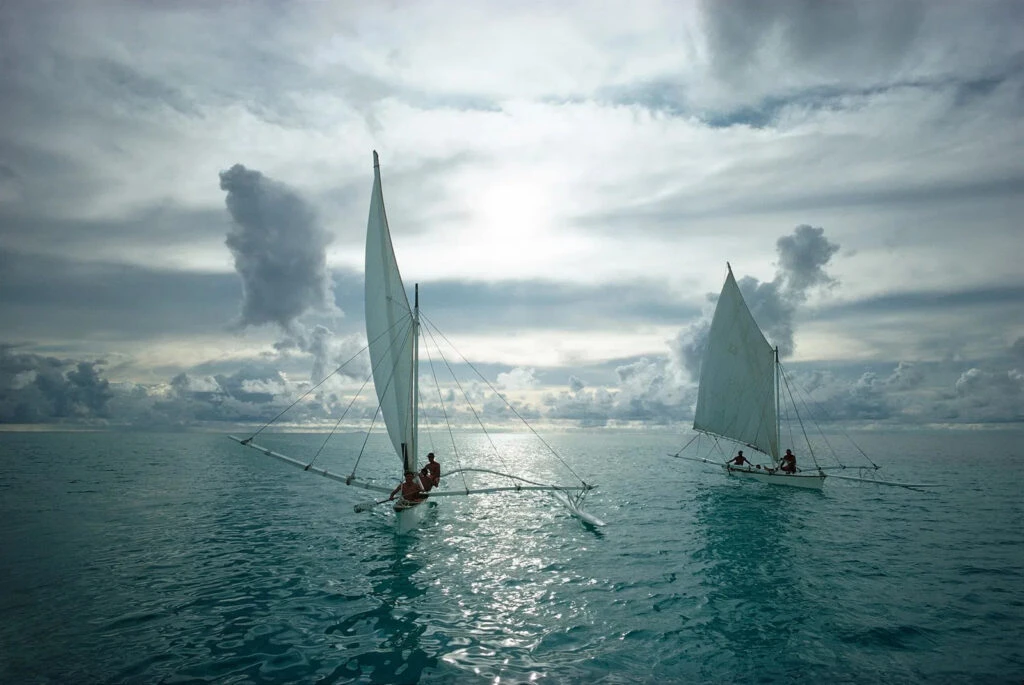
Bora Bora
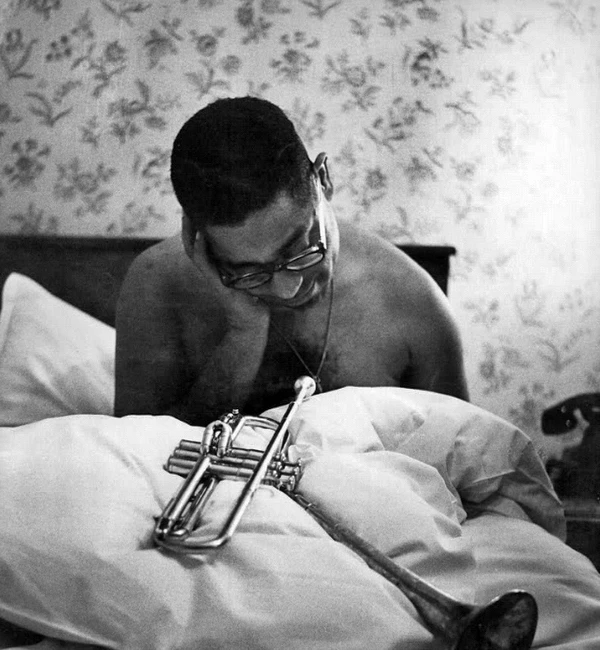
Dizzy Gillespie

Jayne Mansfield
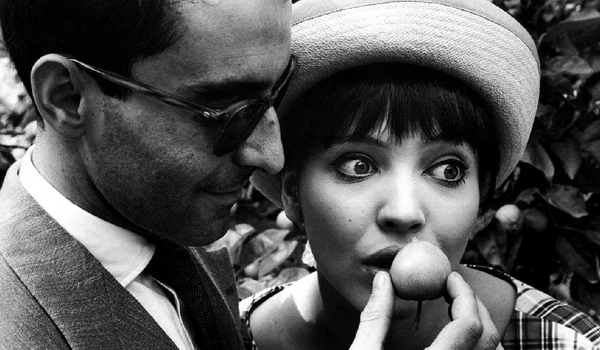
Jean-Luc Godard with his wife
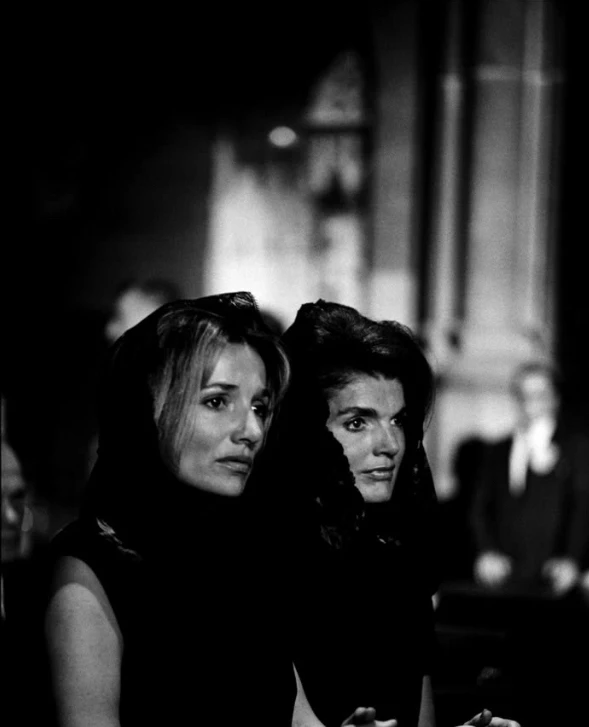
Jacqueline Kennedy and Lee Radziwill at Robert Kennedy's funeral 1968
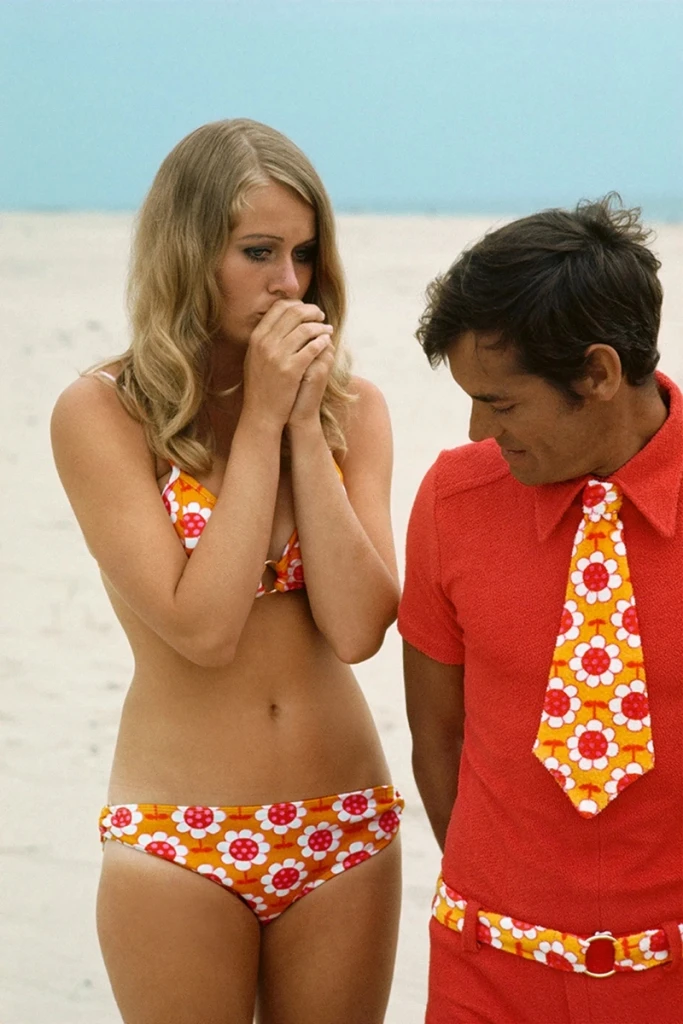
Westerland
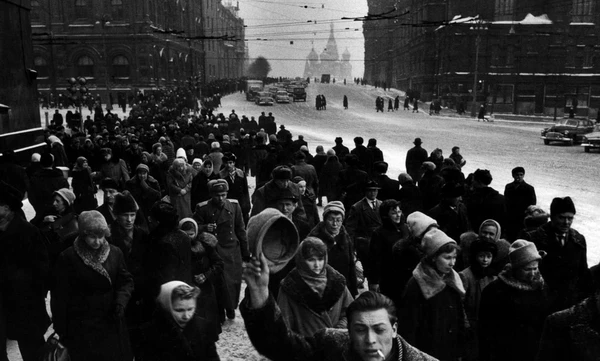
Moscow. 1962
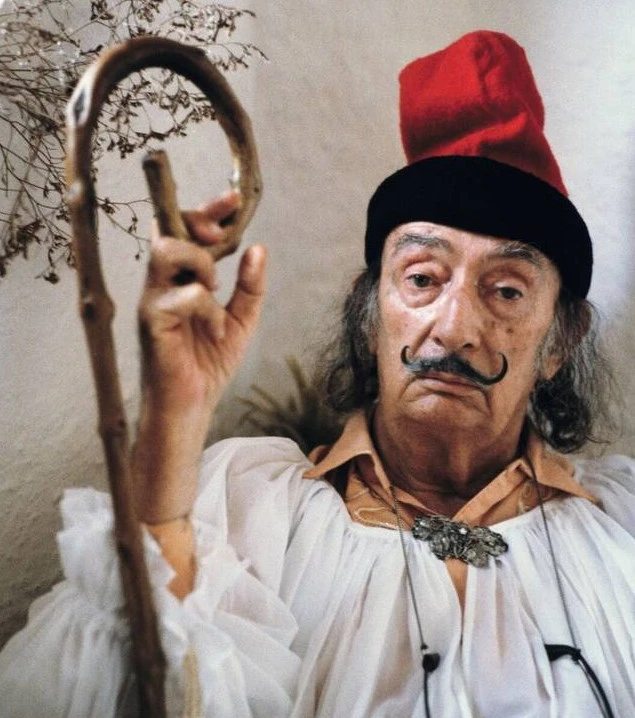
Salvador Dali
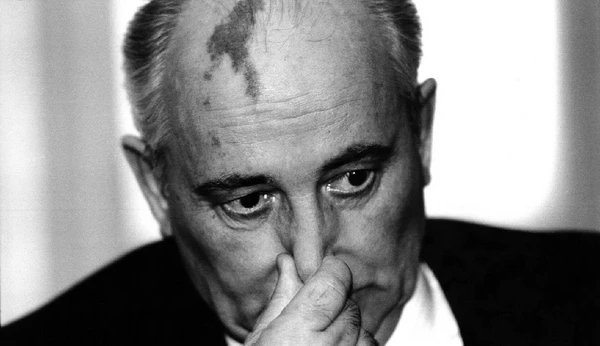
Mikhail Gorbachev. 1992
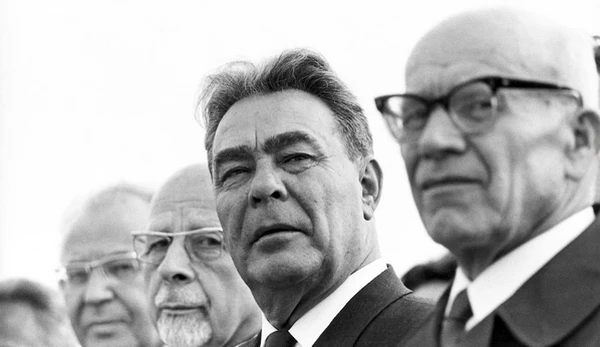
Leonid Brezhnev, East Berlin, 1969
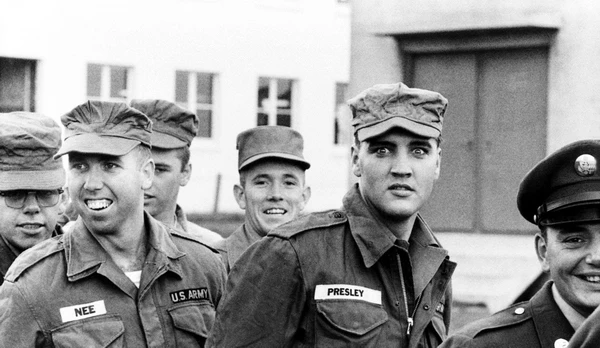
Elvis Presley in the army. 1958
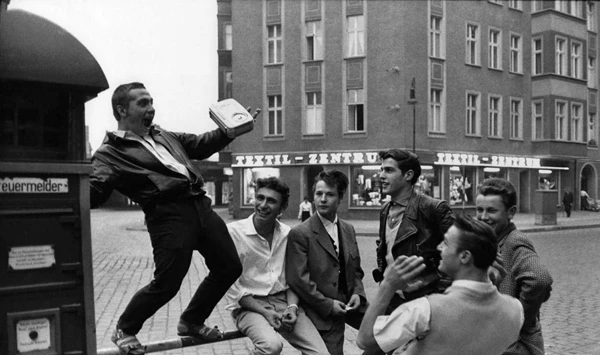
Elvis Presley fans in East Berlin. 1960
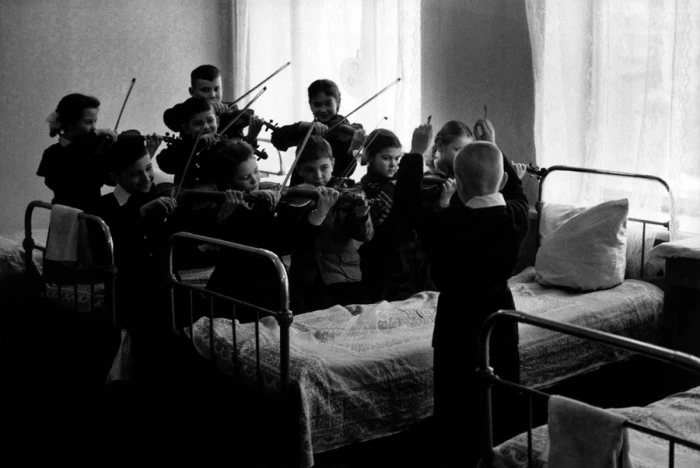
Music school in Odessa. 1962

Bullfight in Valencia, 1964
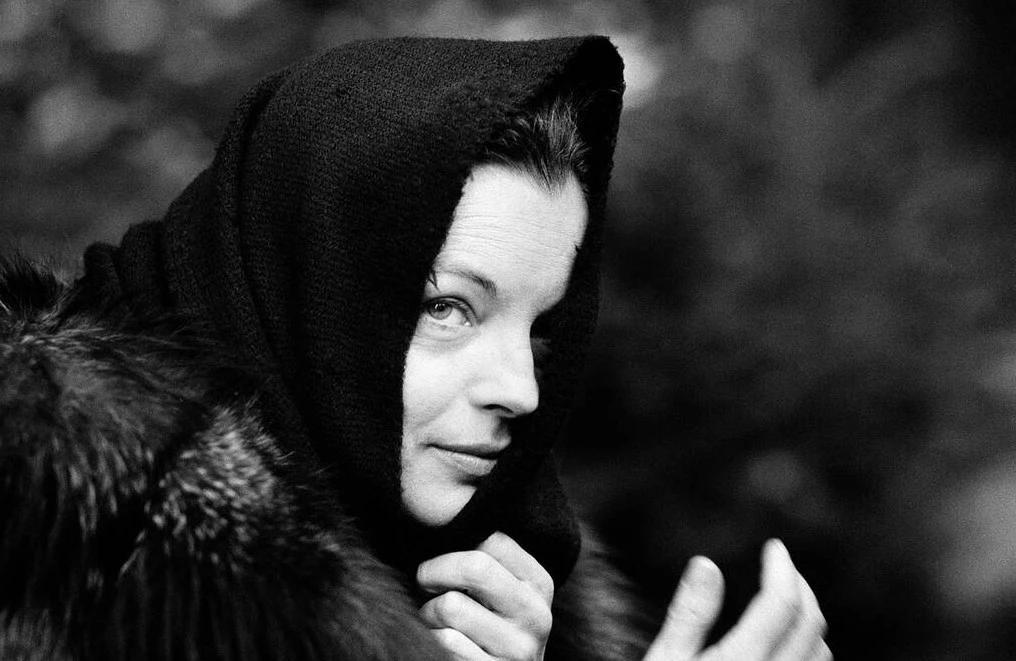
Romy Schneider
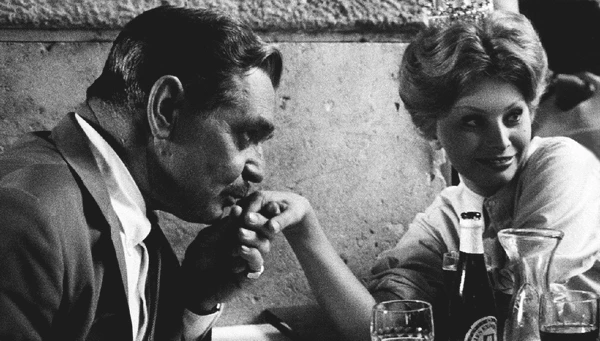
Clark Gable and Sophia Loren
Robert Lebeck's photographs are not just a chronicle of events, but a true mirror of the era, in which humanity is visible even in the most dramatic moments. He told history not through dry facts, but through faces, glances, and fleeting gestures. Today, when any shot can be taken with a single touch of a screen, the question becomes especially pressing: can we truly appreciate the power of documentary photography—the power that preserves not just an image, but life itself?

Download
Archive size 3.24 Mb, downloaded 0 times