Tokyo from Above: How Japan's Capital Is Organized (63 Photos)
Photographer Slava Stepanov published a report he shot in August during a helicopter flight over Tokyo.
Life in most of the world's largest cities is accompanied by a multitude of epithets, sometimes quite contradictory. "Hectic," "overcrowded," "stuffy," and even "soulless"—all of these describe Japan's capital. But at the same time: "logical," "punctual," "convenient," "stylish," "ultra-modern"—and these are all also Tokyo! A vast human anthill, the basic outlines of which are best studied from above. 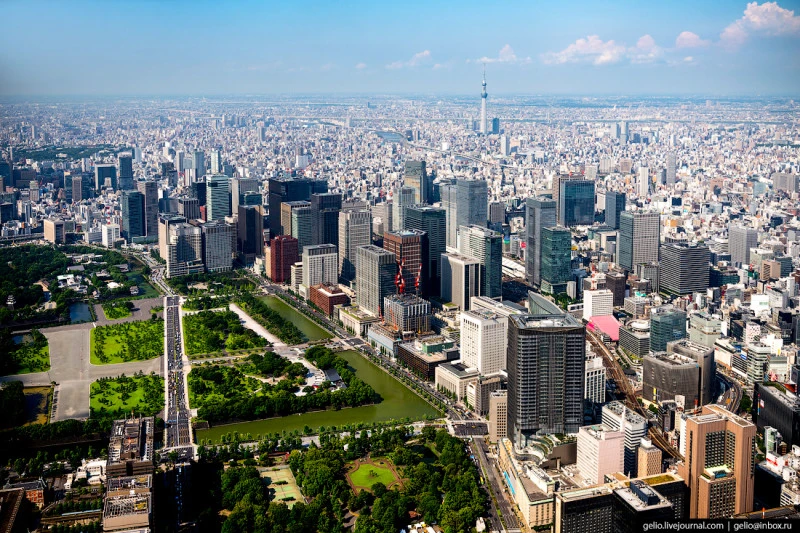
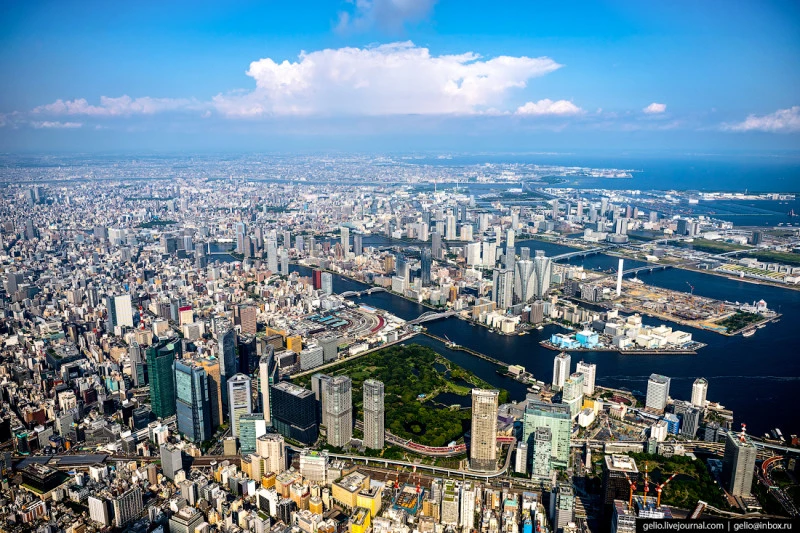
1. The Tokyo metropolitan area is an agglomeration of several dozen smaller administrative units. The total population exceeds 13 million. Modern Tokyo is one of the largest cities in the world. However, Tokyo (then known as Edo) achieved this status by the 18th century, even before it was the capital of the country.
This technocratic and modern metropolis suffered greatly from the elements and war and was essentially rebuilt from scratch. However, Tokyo retains several monuments of its older architecture. 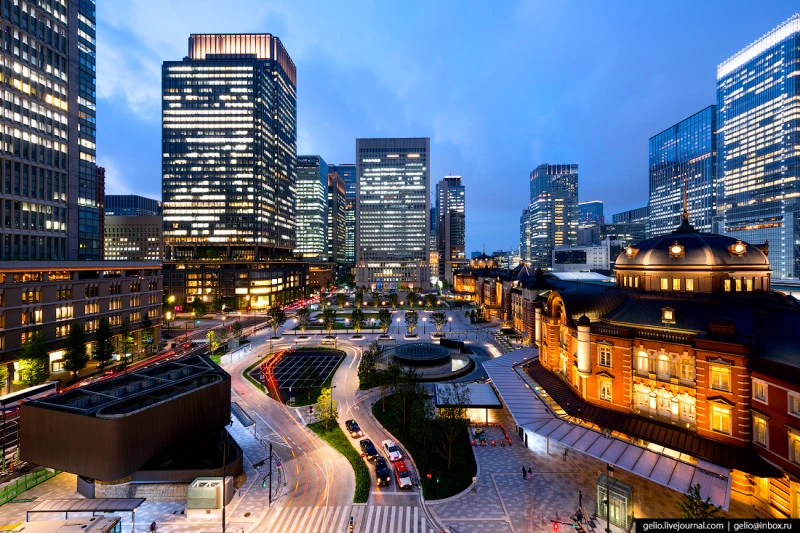

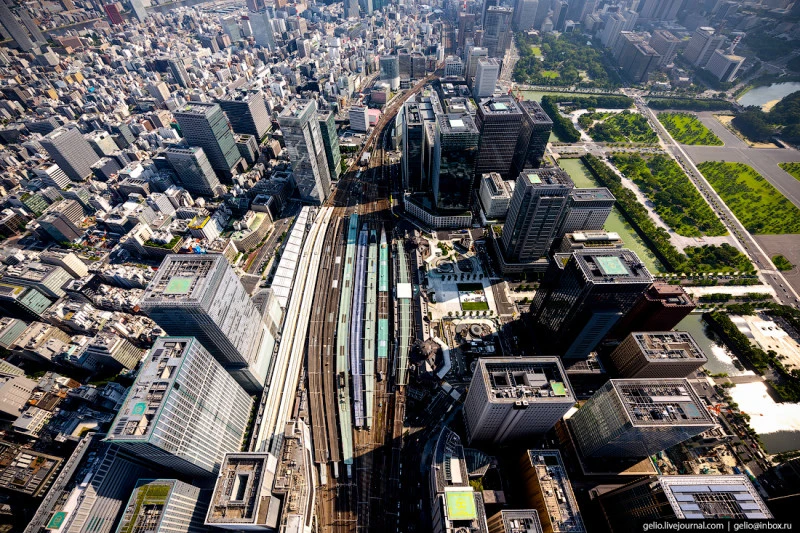
2. The Central Station area and the historic Marunouchi Station Building. The red brick building was constructed in 1914; restorers have restored it to its original appearance. In addition to its core station functions, the complex includes a hotel, restaurants, and an art gallery.
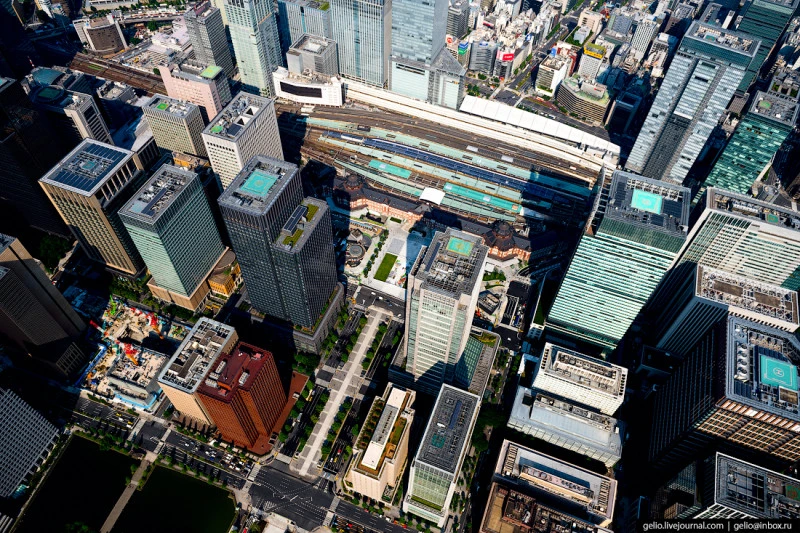
3. Tokyo Station is one of the busiest in the world, handling up to 4,000 trains daily.
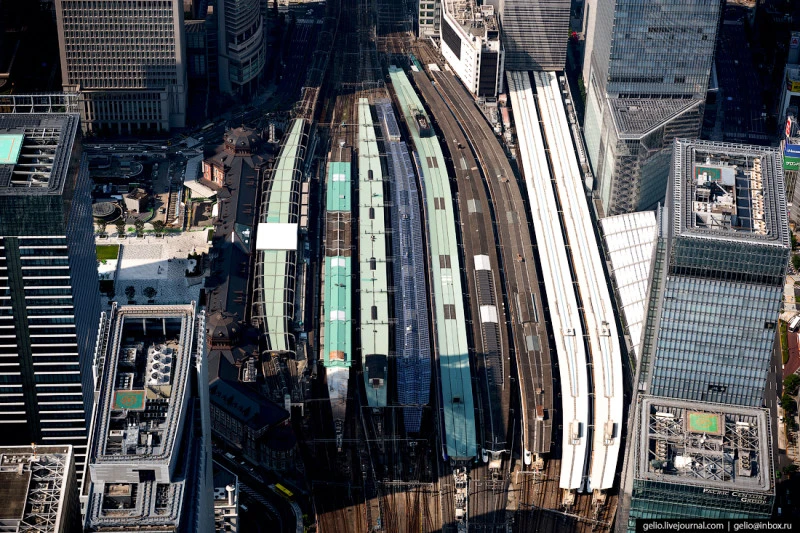
4. Tokyo Station is operated by Japan's two largest railway companies and the Tokyo Metropolitan Railway. Fifteen lines converge at this hub. The Tokyo Station complex consists of fifteen platforms and nearly 30 tracks at different levels.
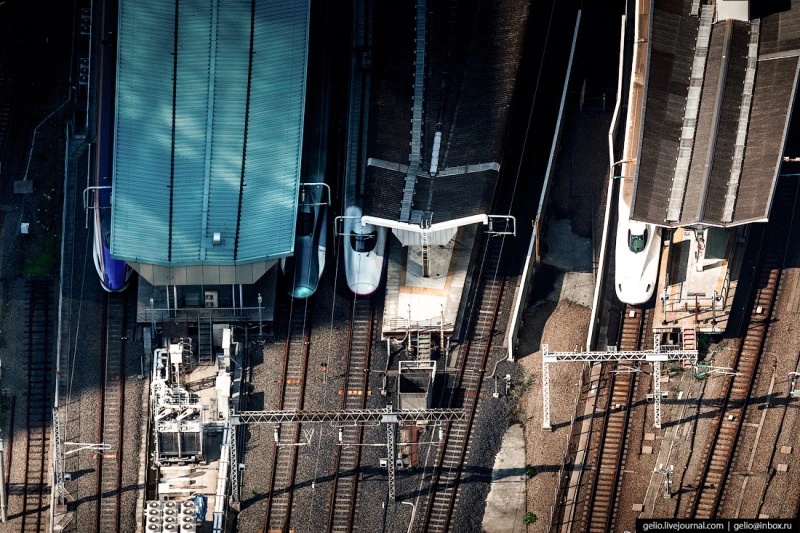
5. Tokyo Station also serves Japan's famous Shinkansen "bullet trains." The "New Highway" high-speed train network between the country's largest cities began construction for the 1964 Olympics. The Shinkansen's first service was between Tokyo and Osaka. Modern trains reach speeds of up to 320 km/h. Departures and arrivals are on schedule, down to the second.
6. The country's capital was moved from Kyoto to Edo after the collapse of the feudal shogunate and the restoration of the monarchy in 1868. At the same time, Edo was renamed Tokyo (Toke means "Eastern Capital").
7. Tokyo is the world's largest urban economy.
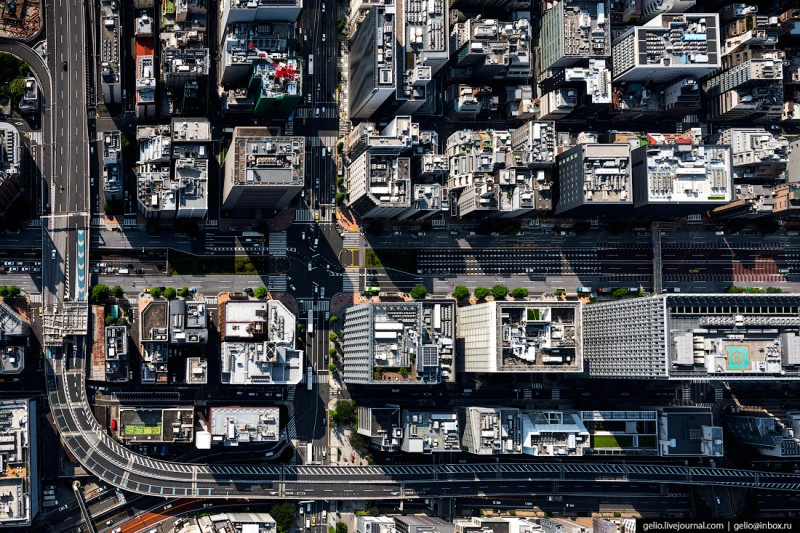
8. More than half of Tokyo was destroyed by a magnitude 9.0 earthquake and fire in September 1923. The city suffered severely from bombings and during World War II. The modern development of rebuilt Tokyo is distinguished by the geometric regularity of its blocks and a well-developed road infrastructure.
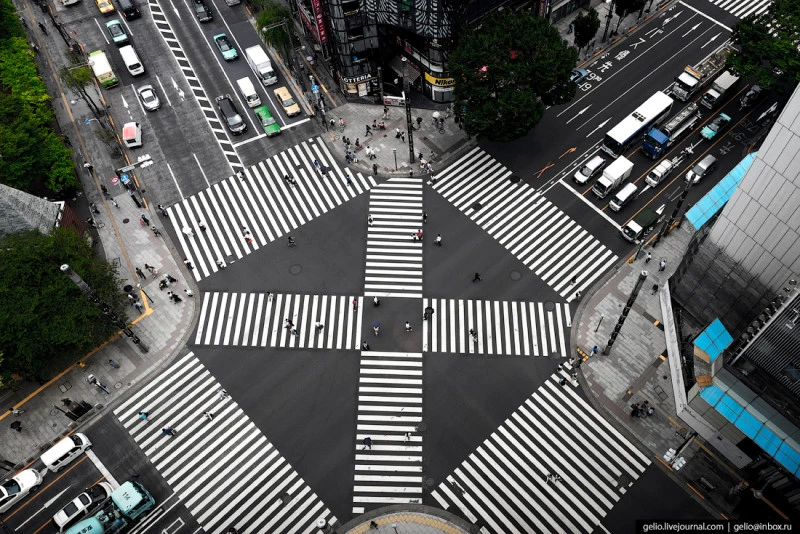
9. Overcrowded Tokyo is known for its overcrowded intersections with diagonal zebra crossings. To combat pedestrian congestion, traffic lights stop traffic on all four sides, forcing people to cross the street diagonally.
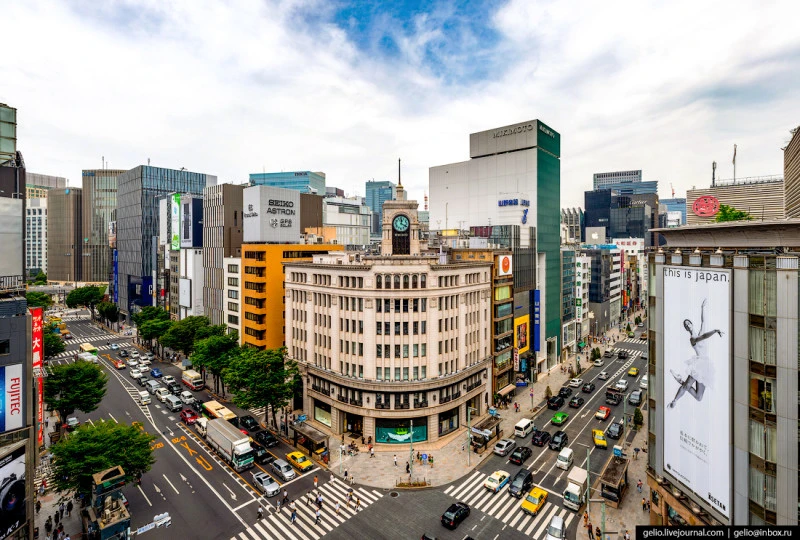
10. Ginza. Tokyo's center of commerce and culture. The Wako department store with its clock tower, built in 1932, has become one of the capital's symbols. Numerous luxury shops are located here, offering jewelry and other luxury goods.
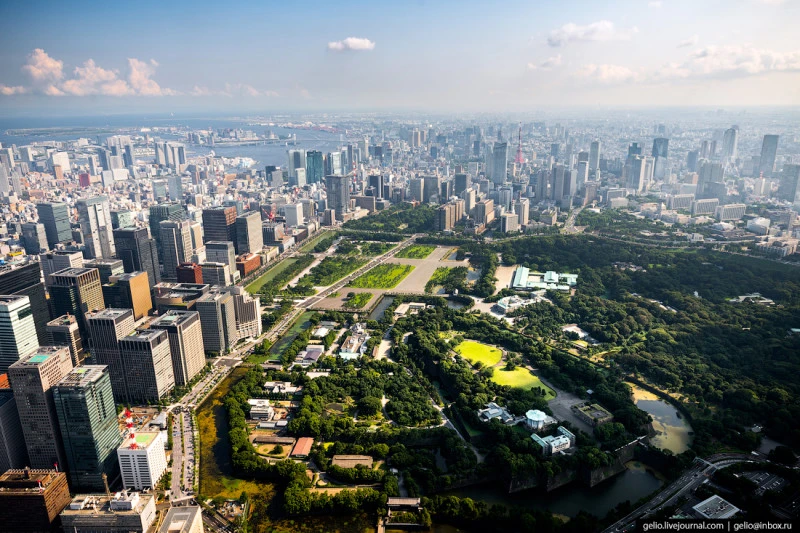
11. Tokyo grew around the Koke Imperial Palace. The complex, including its gardens, covers more than 7 square kilometers. Until the 19th century, Edo-jo, the country's largest feudal castle, was located here; after the Meiji Restoration, the imperial family moved in. The current palace castle stands on the foundations of Edo Castle and is surrounded by a wall and moats.
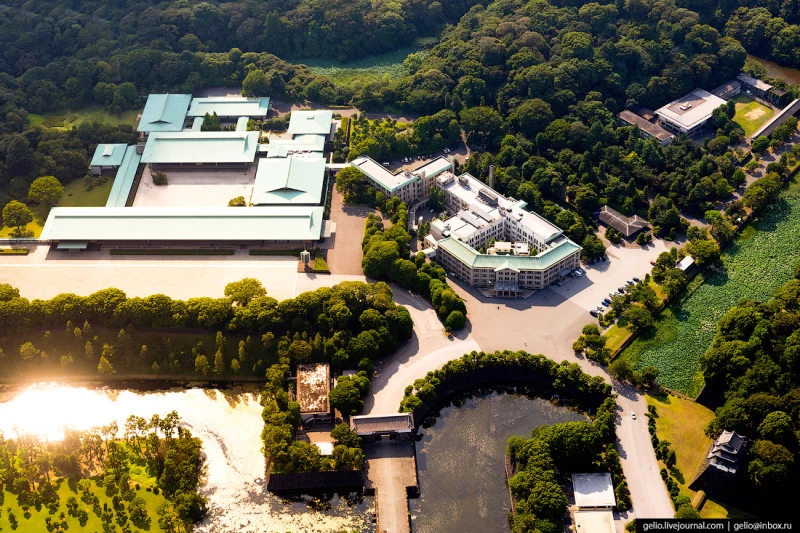
12. The Koke Palace serves as the official residence of the Emperor of Japan. The complex features a mixture of traditional and European architecture. Pictured on the right is the Imperial Palace Office, on the left is the Kyuden Grand Palace. The reinforced concrete palace, built between 1961 and 1968, replaced the wooden one that burned down at the end of the war.
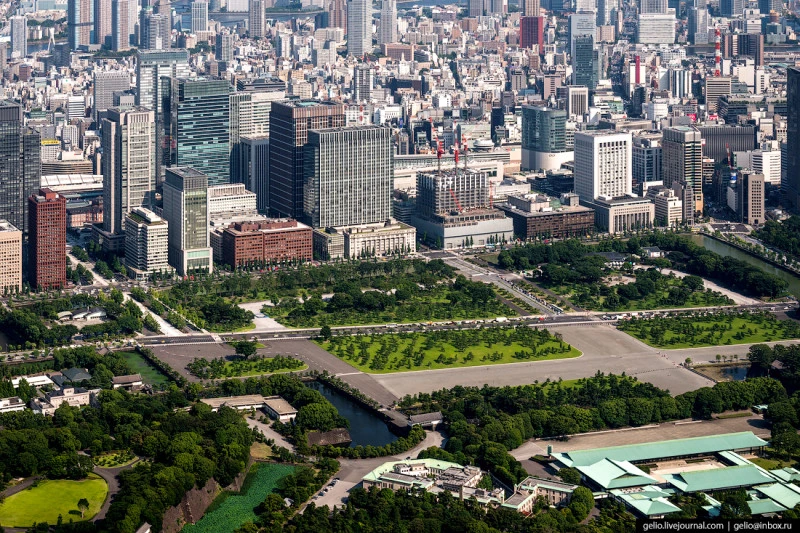
13. The National Garden (Kokyogaien National Garden). Part of the Imperial Palace complex. Open to the public. Its area exceeds 115 hectares. Several thousand Japanese black pine trees are planted on the grounds.
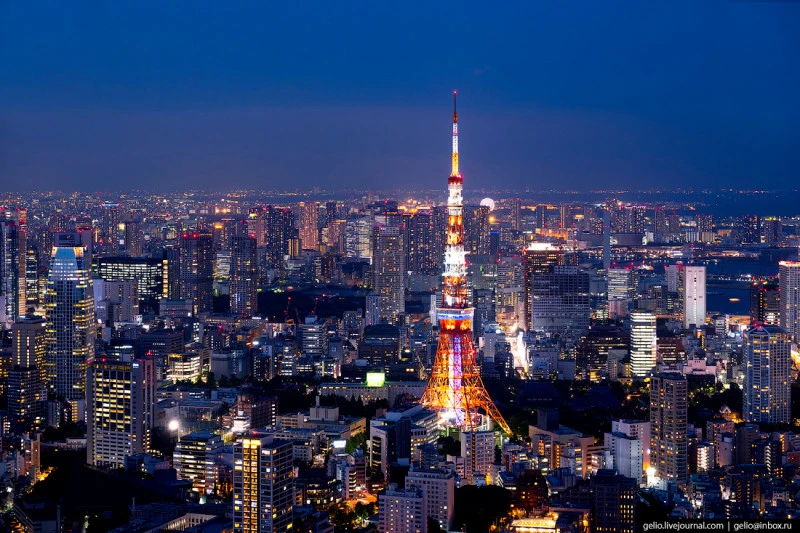
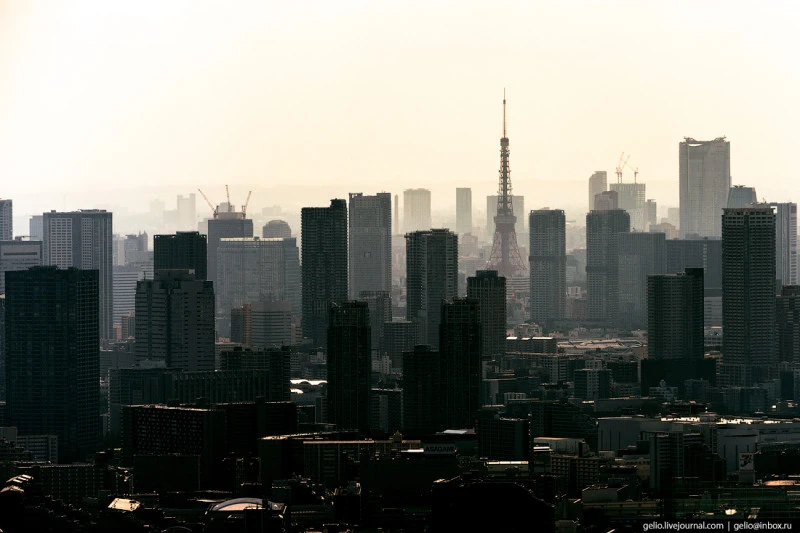
14. The Tokyo Tower is one of Tokyo's most dominant visual landmarks.
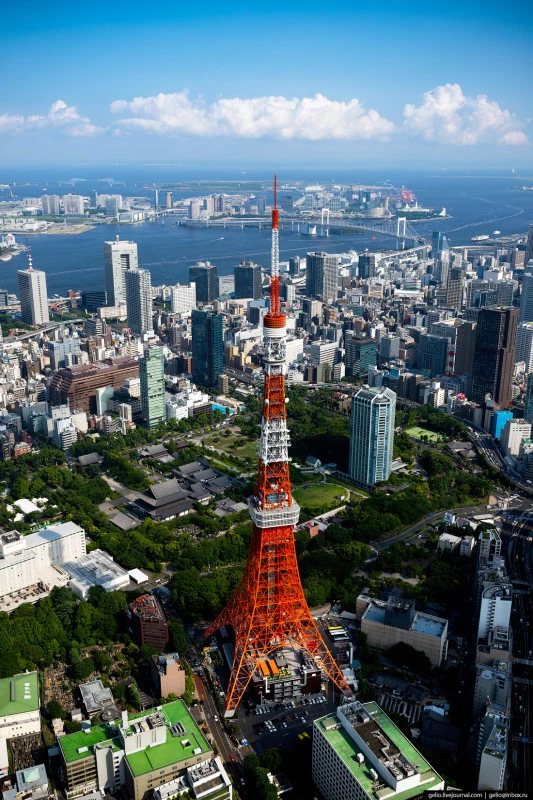
15. The tower, built in Shiba Park from delicate metal structures in 1957-58, stands 332 meters tall. Its observation deck, offering excellent views of the city and Tokyo Bay, is popular.
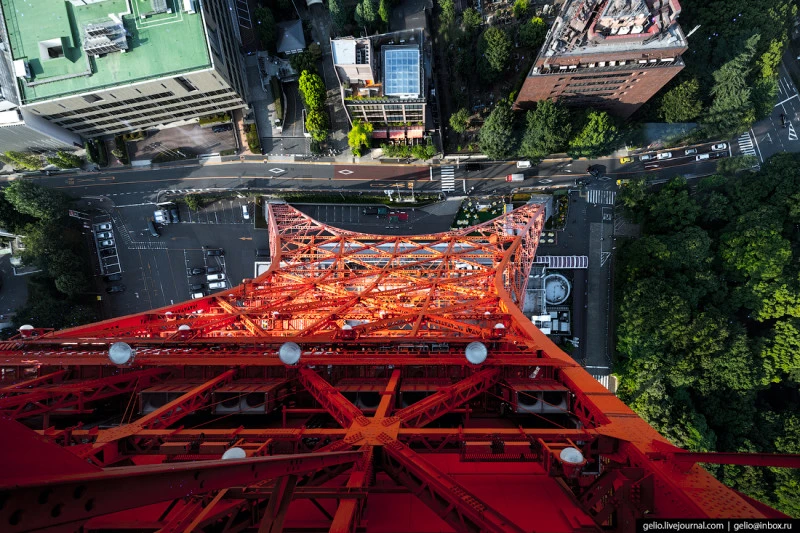
16. The tower has two observation decks at 150 and 250 meters.
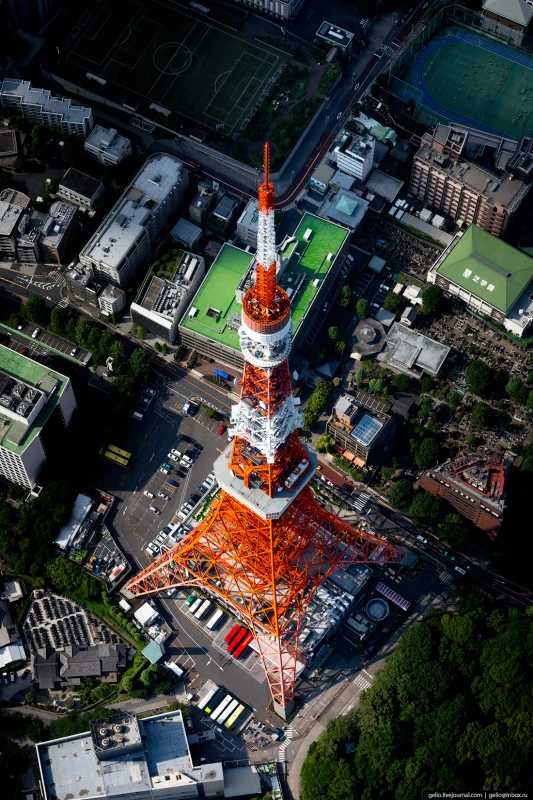
17. At the foot of the tower are numerous shops, cafes, arcades, and other entertainment venues. There is also a monument to the sled dogs that served at the Japanese Showa Station in Antarctica.
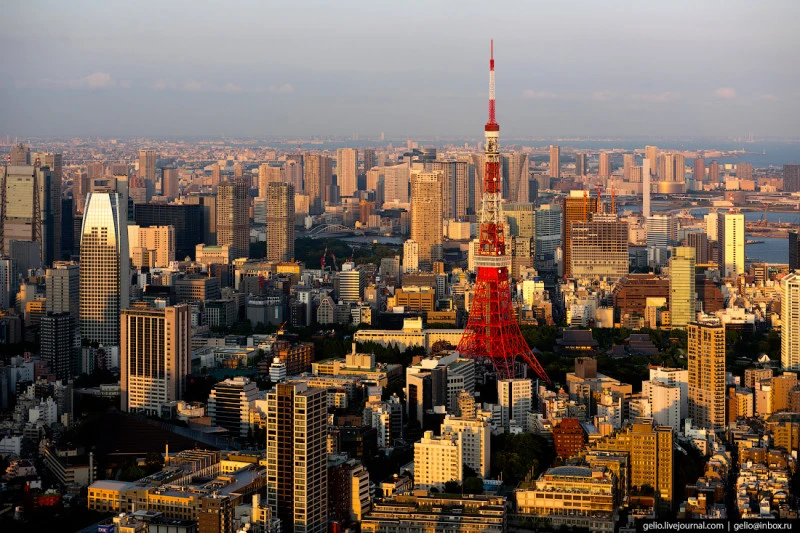
18. Tokyo Tower's primary use today is no longer telecommunications, but tourism: it is visited by up to 2.5 million people from all over the world each year.
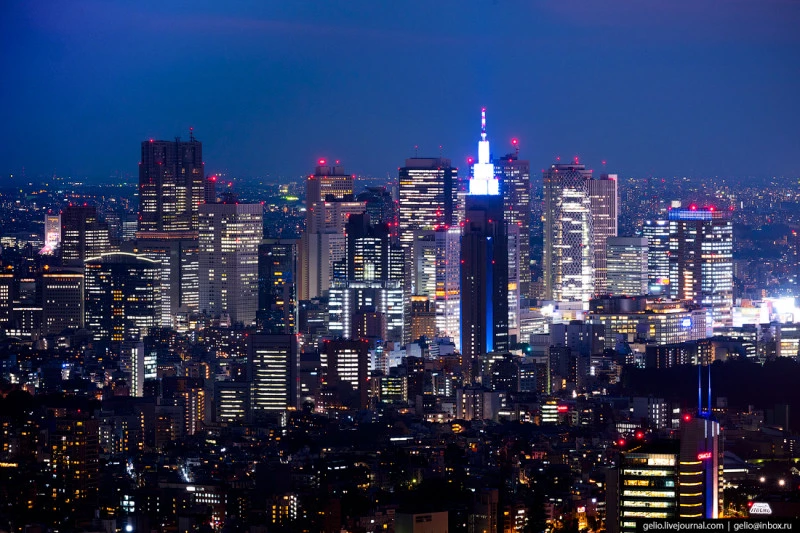
19. Shinjuku, the government and business district, is the capital of Tokyo Prefecture.
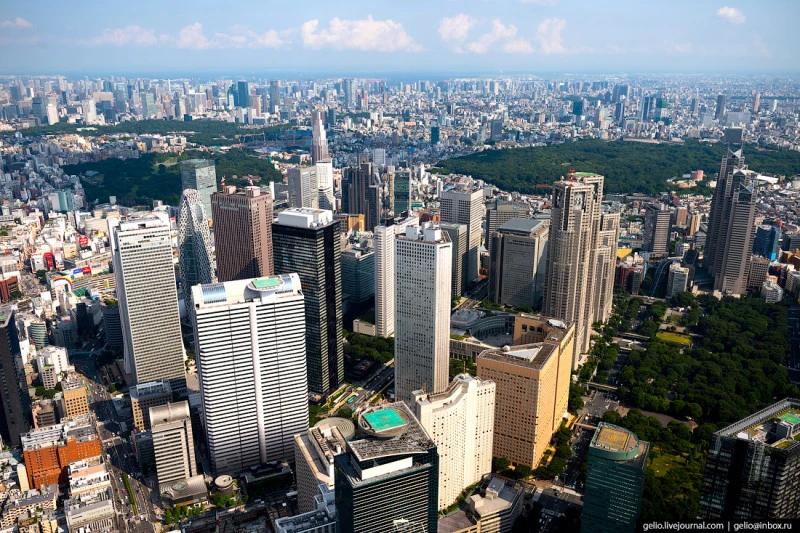
20. This district is home to Japan's largest skyscraper district, Nishi-Shinjuku, home to 11 of the country's 40 tallest buildings. They range from 43 to 54 stories.
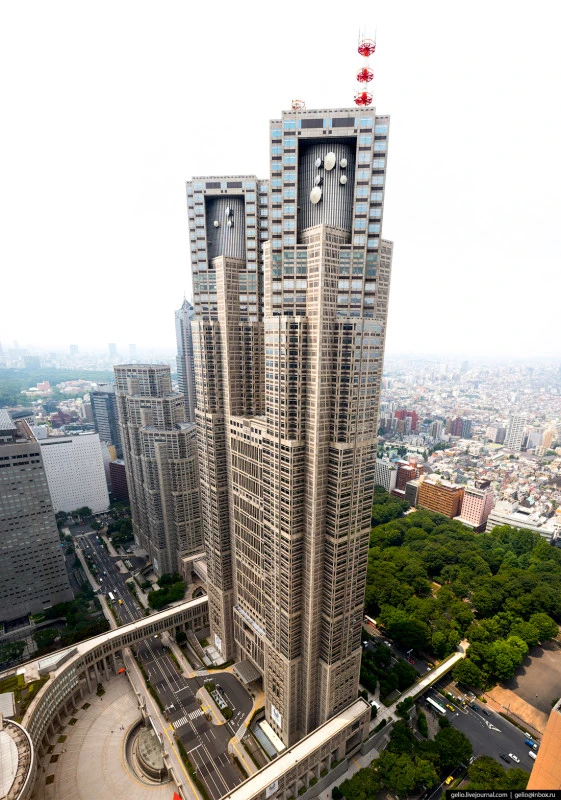
21. Tokyo Metropolitan Main Building Number (Tokyo Metropolitan Main Building Number) is the headquarters of the Tokyo Metropolitan Government in Shinjuku.
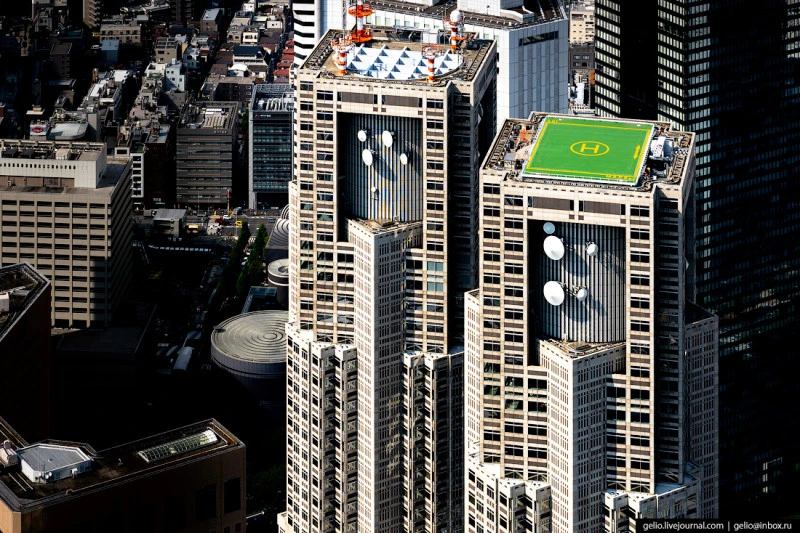
22. The twin towers of the main city hall building, 200 meters above sea level, offer free observation decks; a high-speed elevator takes visitors there in 45 seconds.
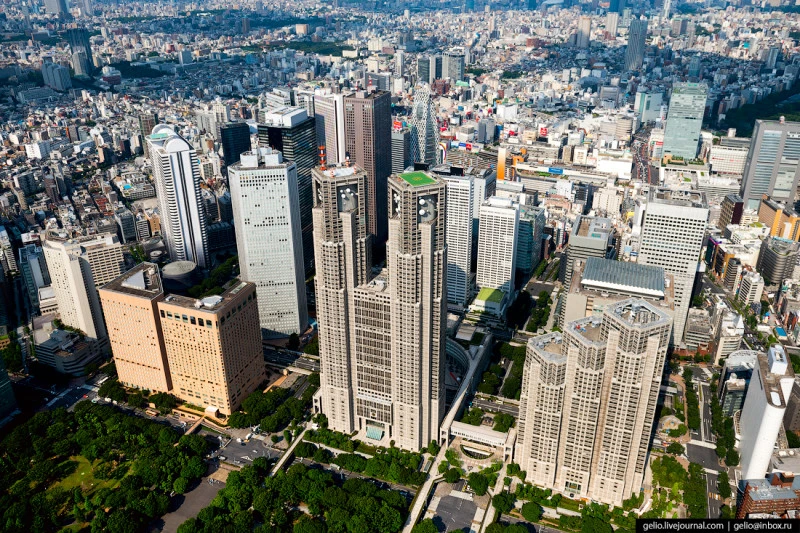
23. The city hall building was built in 1991. With 45 floors, it is currently the third-tallest skyscraper in Tokyo (243 meters). It is designed to withstand a magnitude 8 earthquake.
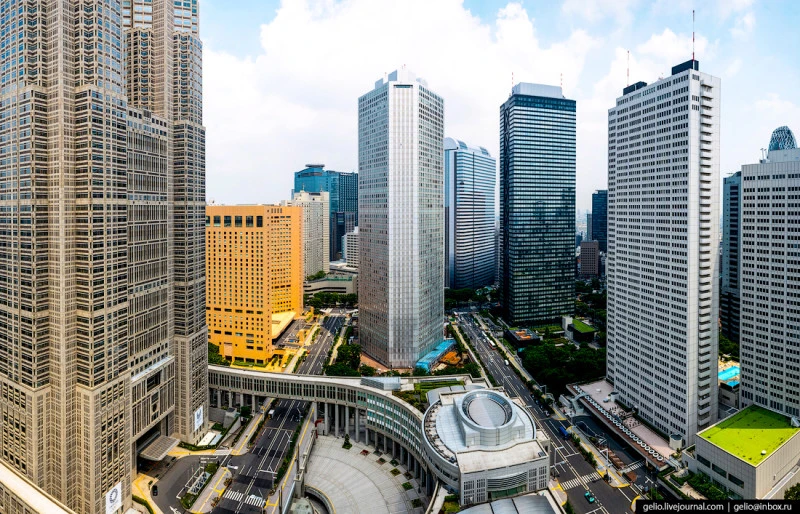
24. The government complex also includes an 8-story "baby" building—the People's Assembly Hall.
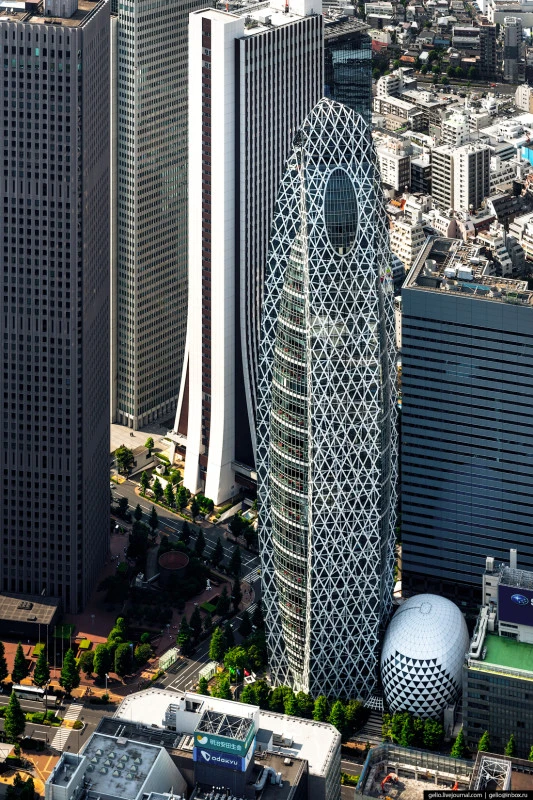
25. Mode Gakuen Cocoon Tower. This cocoon tower houses the Mode Gakuen School of Design, as well as medical and IT colleges. At 50 stories (203 meters), it is the second tallest educational institution in the world after Moscow State University.
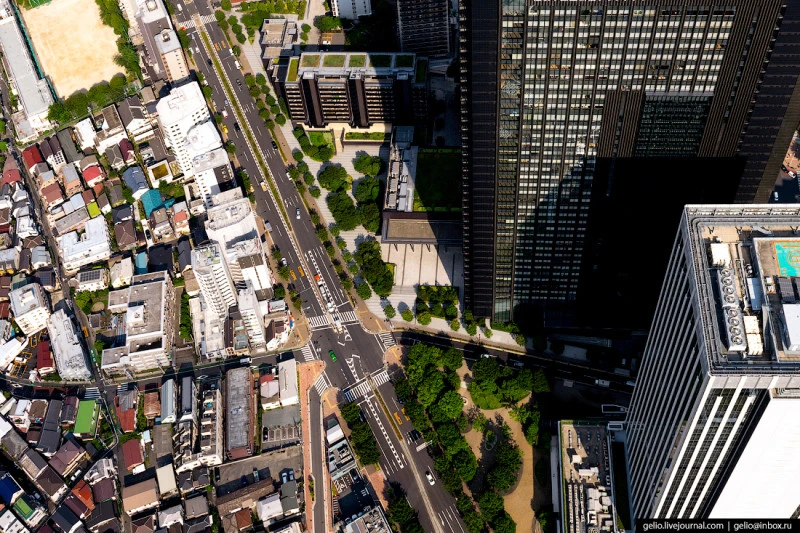
26. A fairly typical development: skyscrapers literally across the street sit next to relatively low-rise residential and industrial buildings.
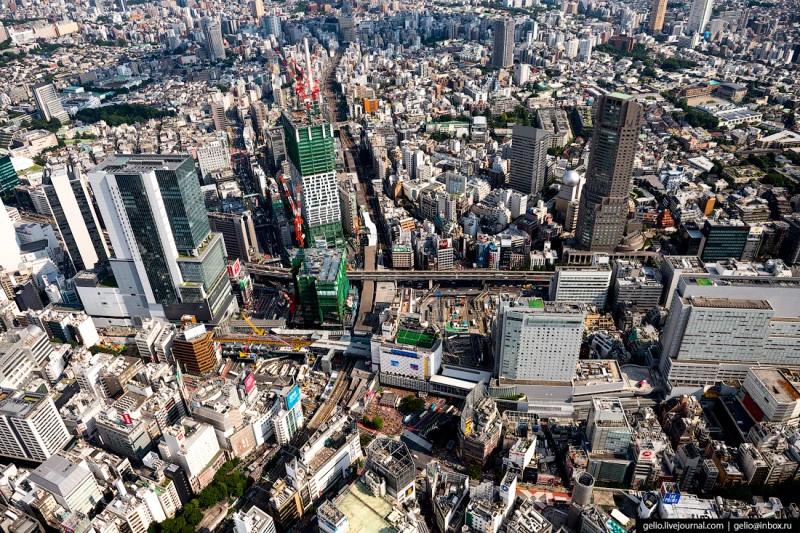
27. Shibuya. One of Tokyo's most famous districts, it has the unofficial reputation of being the "youth capital of Japan." Boutiques, cafes, and arcade games attract crowds of teenagers.
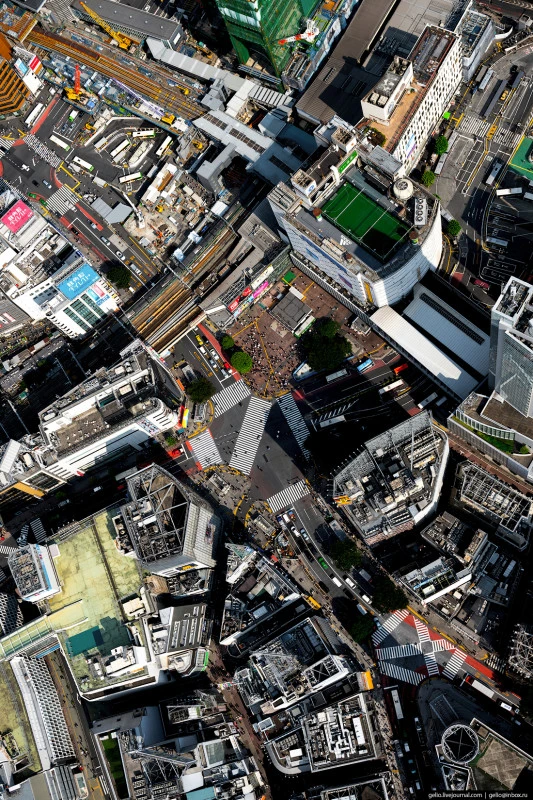
28. The Shibuya district is famous for its largest and busiest intersection in the city. It is a traditional meeting place. It was here, at the station entrance, that the legendary Hachikō waited for many years for his deceased master. A monument to the faithful dog, who later became world-famous, was unveiled in 1934, and one of the exits of Shibuya Station bears Hachikō's name.
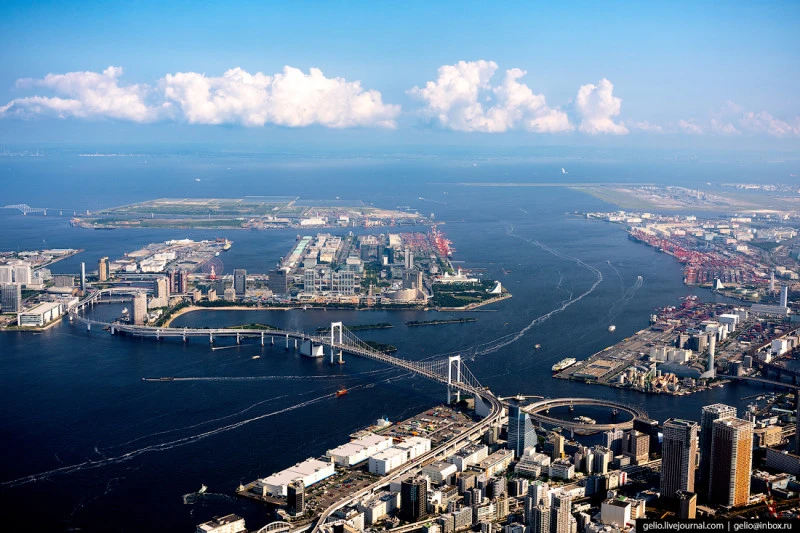
29. The population density in the metropolitan area exceeds 7,200 people per square kilometer. Due to the shortage and high cost of land, man-made islands have been created in Tokyo Bay.
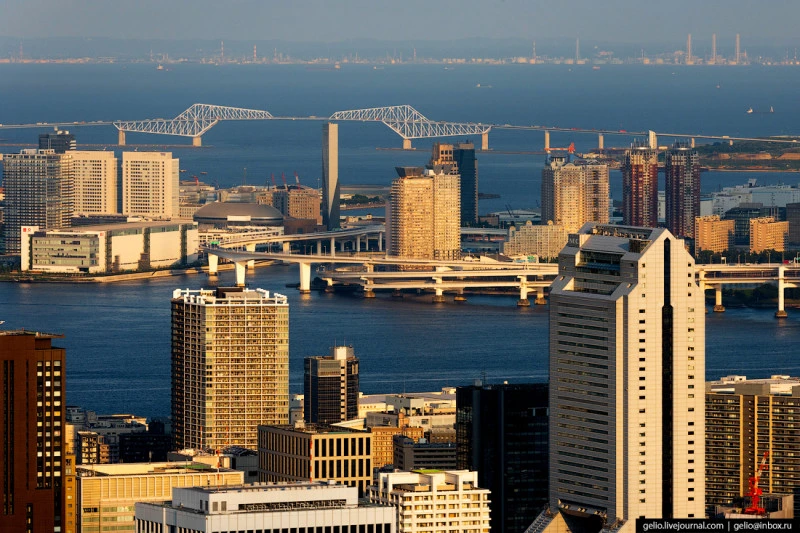
30. Artificial islands are connected by several bridges. In the background is the four-lane, 2.6-kilometer Tokyo Gate Bridge. It cost nearly $1.5 billion and was built in February 2012 to relieve congestion on local highways. Due to its unusual shape, the bridge has been nicknamed the "Dinosaur." Over 30,000 vehicles cross the bridge daily. Furthermore, the space from the water's surface to the bottom of the bridge (more than 50 meters) allows large ships to access the cargo terminals on the island. However, the bridge's height was limited (87 meters) due to the proximity of Haneda Airport.
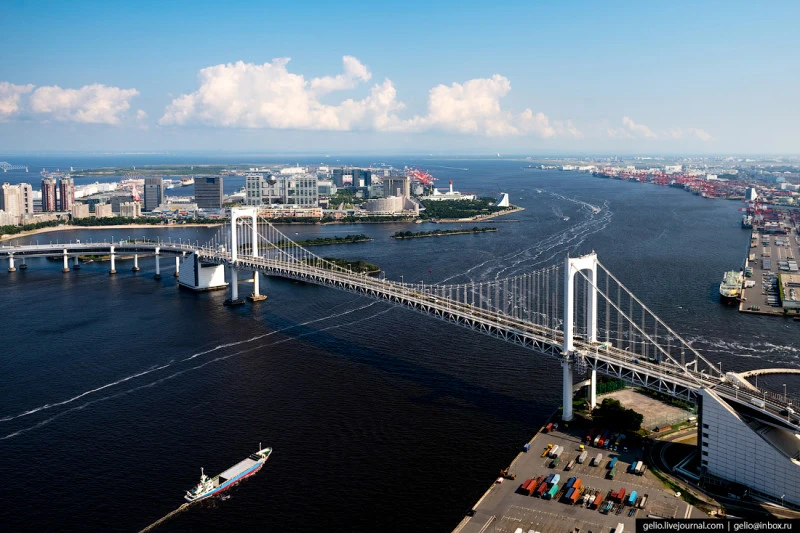
31. Rainbow Bridge. Opened in 1993, the Rainbow Bridge is a suspension bridge that connects Tokyo with the large man-made island of Odaiba in northern Tokyo Bay. It gets its name from its multicolored nighttime illumination. The 570-meter bridge's upper deck is used for cars, while the lower deck is used for trains.
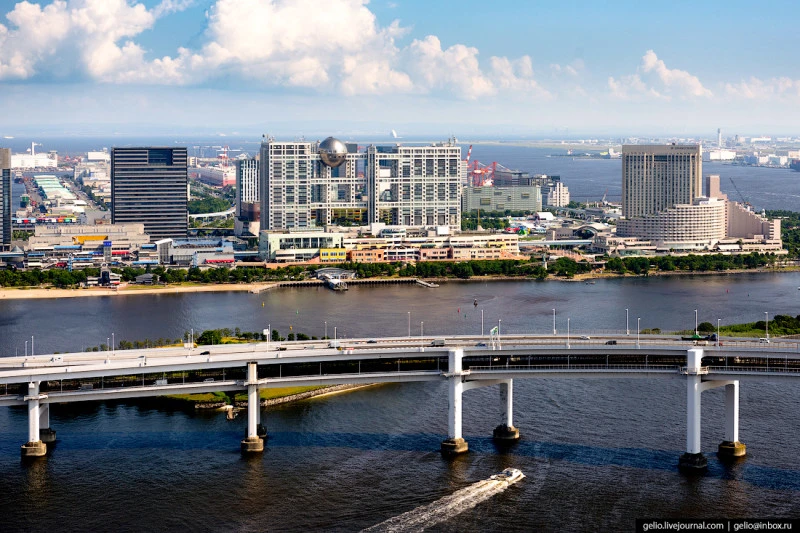
32. The headquarters of the major national private television network Fuji Television (Fuji Television Building) on the artificial island of Odaiba. The project is notable for its large spherical observatory at the top of the building.
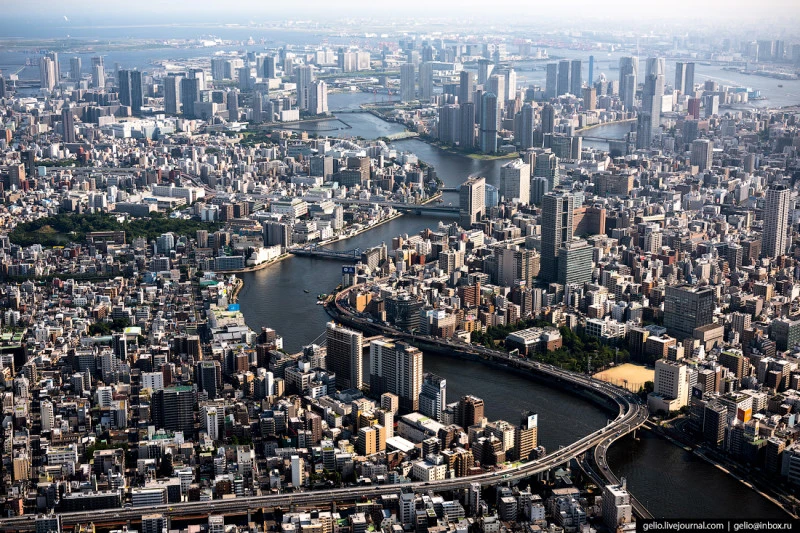
33. Sumida is one of Tokyo's 23 administrative wards. It is named after the river that flows through it.
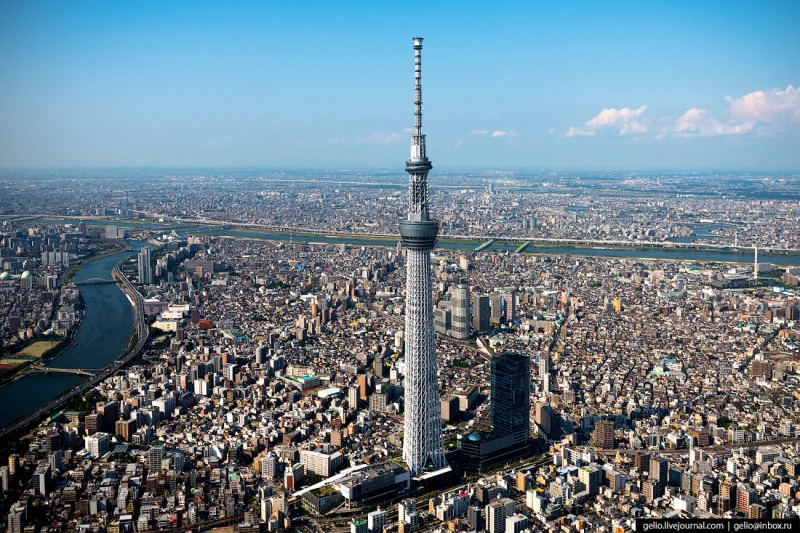
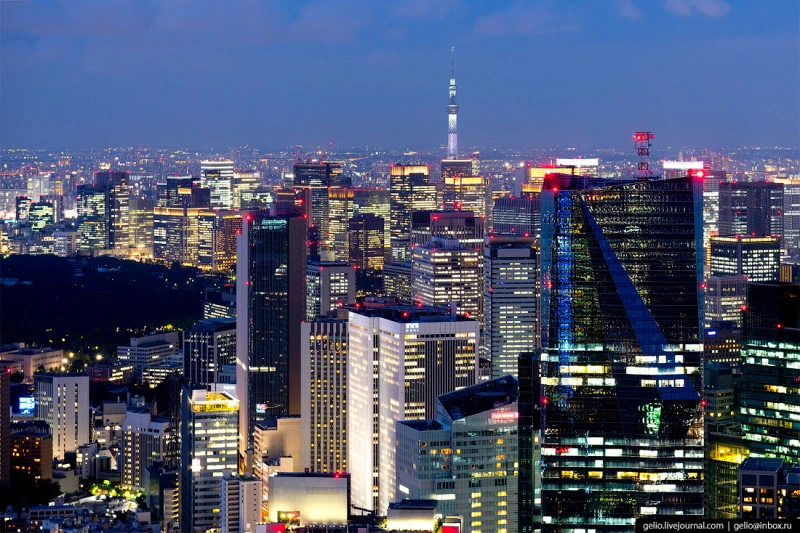
34. Tokyo Skytree. The tallest structure in Tokyo and Japan as a whole, Tokyo Skytree was completed in 2012. Its height is 634 meters. Today, it is the world's largest television tower and the second-tallest structure on the planet after Dubai's Burj Khalifa (828 meters).
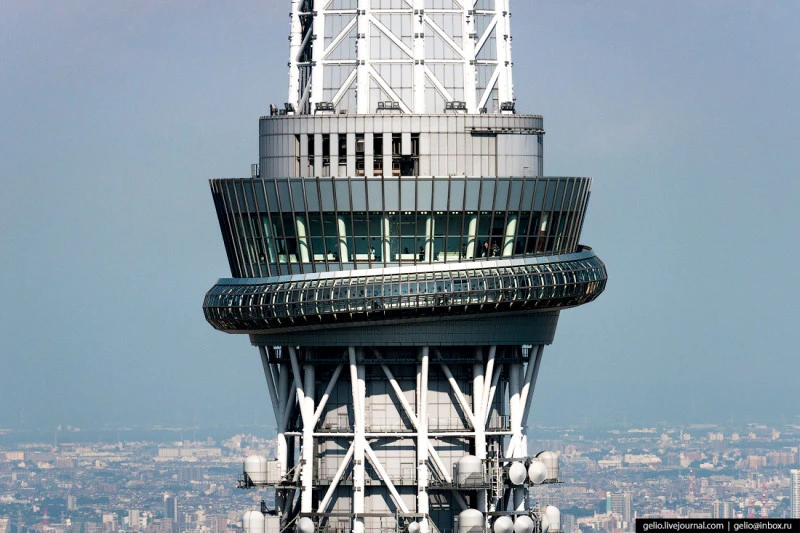
35. Tokyo Skytree has two observation decks at 350 and 450 meters.
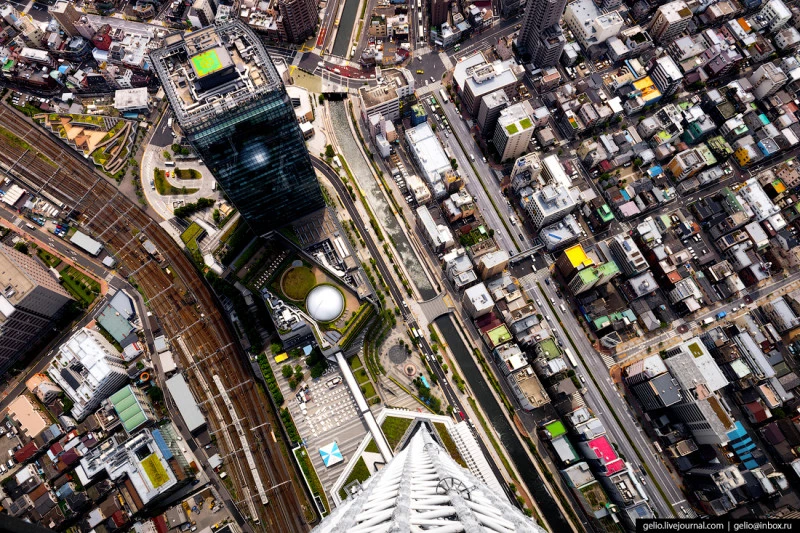
36. View from the lower observation deck.
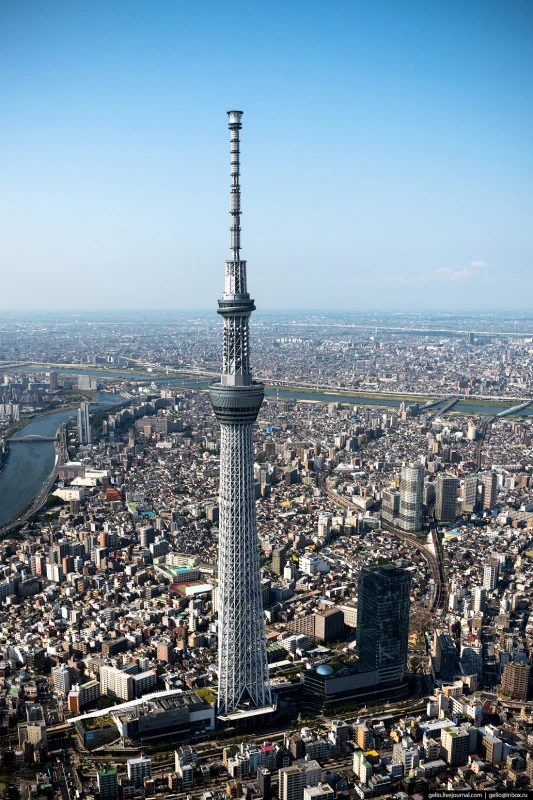
37. Even politics and the unspoken historical rivalry between the two Asian powers influenced the design decision. The Tokyo Tower's dimensions were deliberately calculated so that the "Skytree" would "outgrow" China's then-tallest television tower in Guangzhou (610 m).
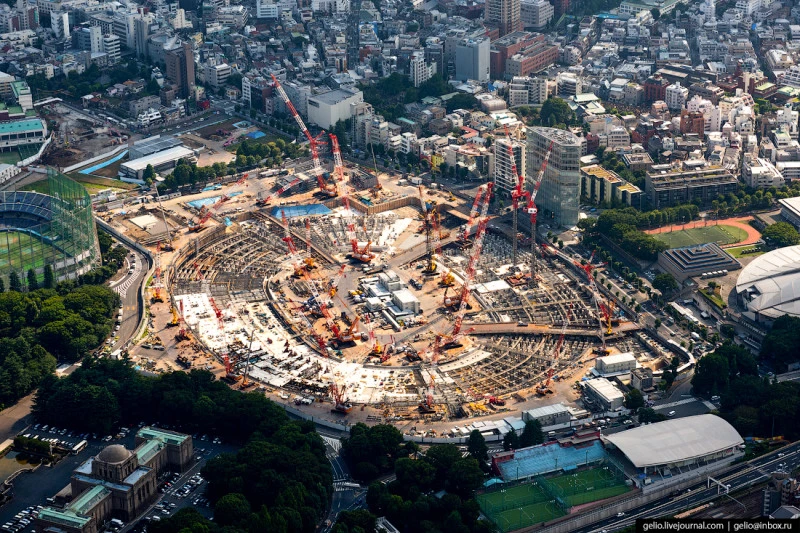
38. Construction of the new Olympic Stadium. In recent years, many modern infrastructure facilities in Tokyo have been built with the Olympics in mind. The Japanese capital bid to host the 2012 Summer Games but lost the bid to Rio de Janeiro. However, Tokyo will host the Summer Olympics again in 2020 for the second time since 1964.
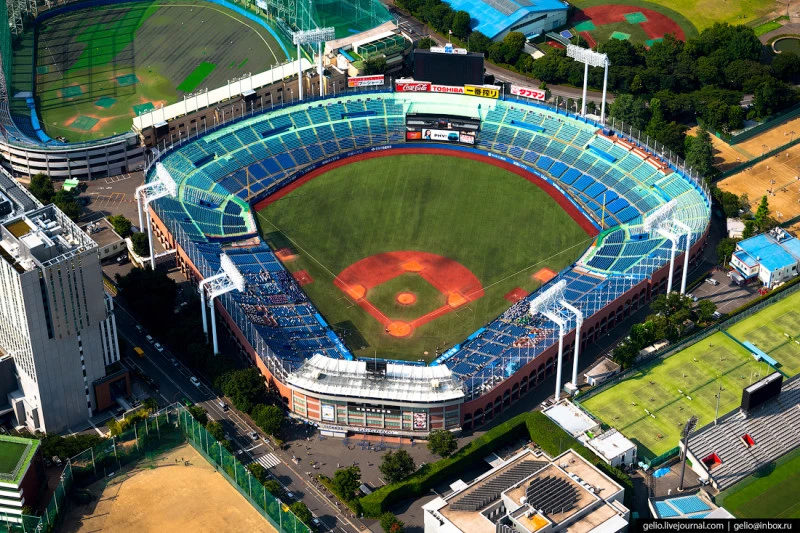
39. Built in 1926, Meiji-jingu Stadium seats 38,000 spectators and is home to the Tokyo Yakult Swallows. Baseball is a fanatical sport in Japan. It was first played at the dawn of the last century, but interest surged in the post-war years, not least due to close contacts with the Americans. Today, it is the most popular sport in Japan, with hundreds of professional and amateur teams. The infrastructure is correspondingly well-developed. True, the Japanese have come up with a new name for their favorite game, one more comfortable to the ear: "yakyu" (written with the characters for "field" and "ball").
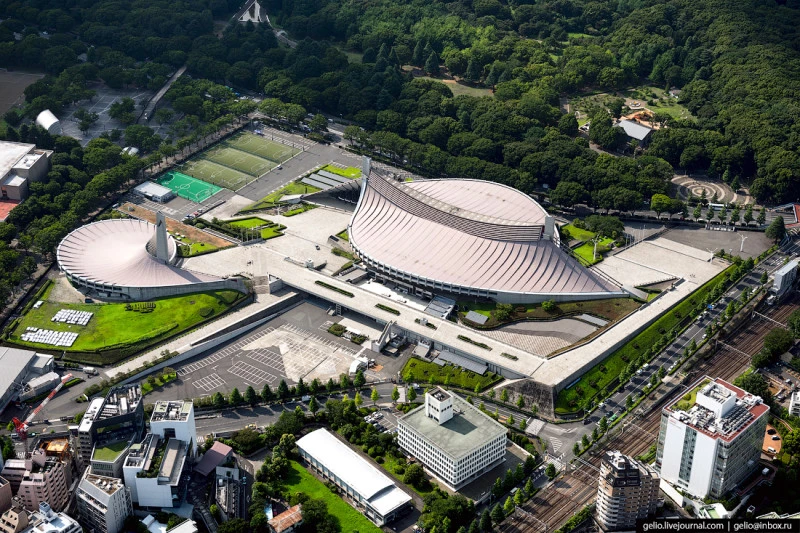
40. The Yoyogi National Gymnasium was built in the Shibuya district from 1961 to 1964 for the first Tokyo Olympics. Back then, it hosted swimmers, divers, and basketball players, and at the 2020 Games, it will host the handball tournament. Yoyogi National Gymnasium also hosts music concerts. For example, in June 2017, Britney Spears performed there twice to sold-out crowds.
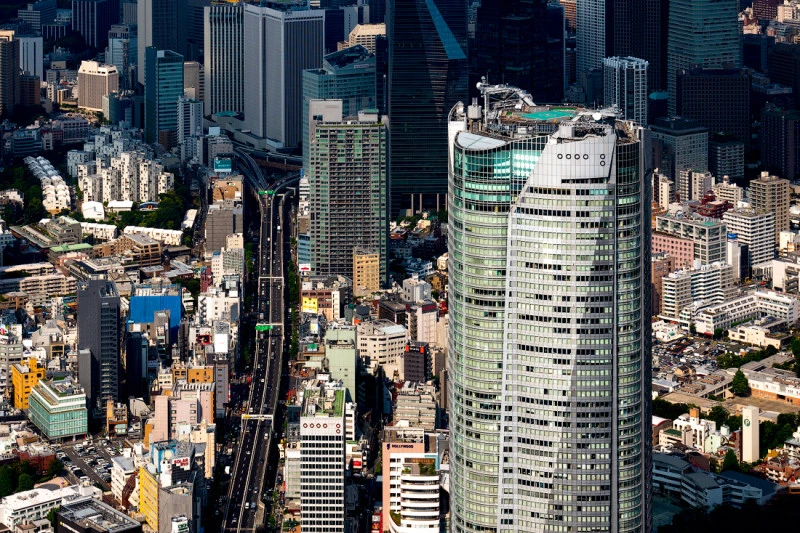
41. Roppongi Hills Mori Tower, a mixed-use skyscraper. The fifth-tallest building in Tokyo (54 floors, 238 meters) was built between 2000 and 2003.
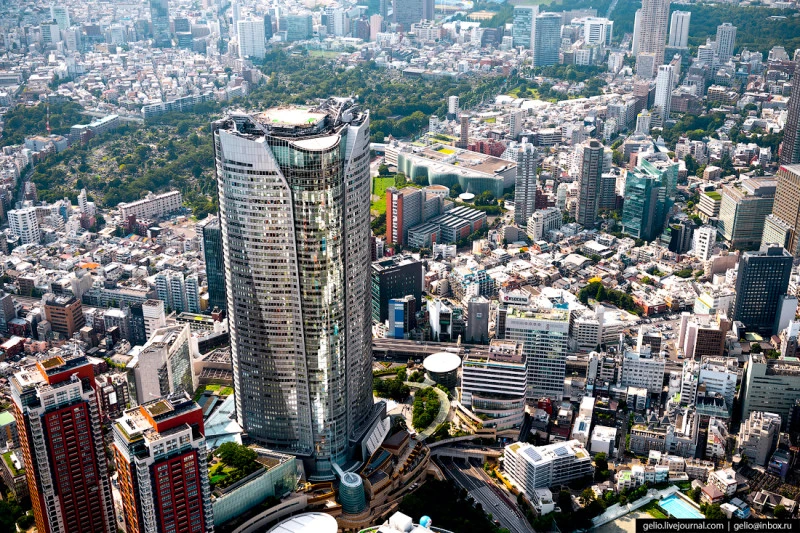
42. Roppongi Hills Mori Tower gained notoriety due to a series of incidents. In 2004, a revolving door killed a 6-year-old boy, prompting design changes and several prison sentences for staff negligence. In 2007, a fire in one of the skyscraper's 67 elevators prompted a nationwide inspection of elevator mechanisms, which uncovered problems in more than 800 elevators across Japan.
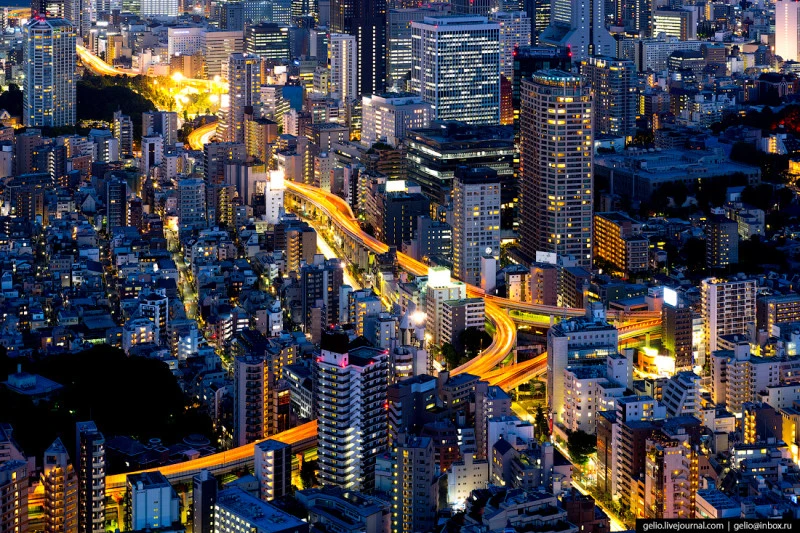
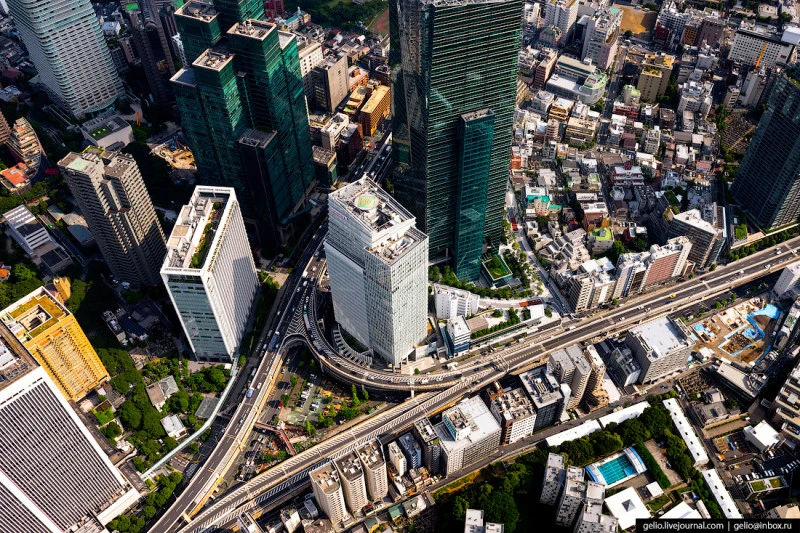
43. The Ichinohashi Interchange is part of the complex expressway network of the Greater Tokyo Metropolitan Area.
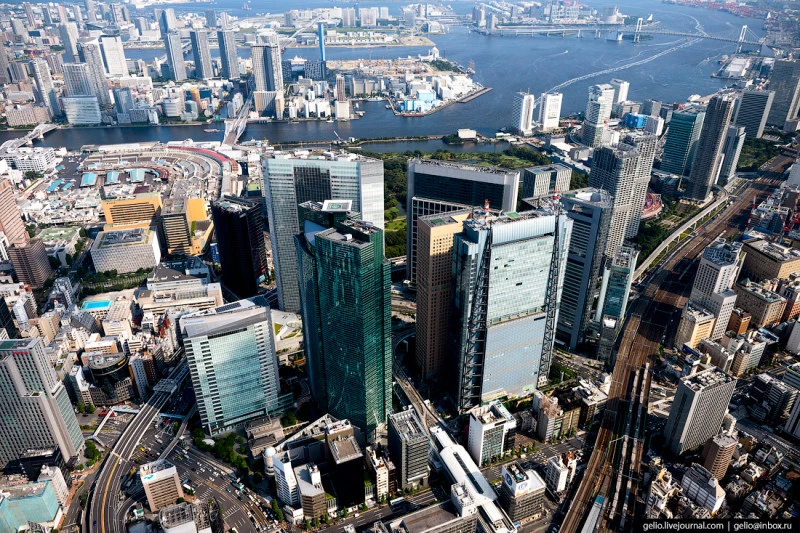
44. The name Shiodome translates as "place where streams stop." This formerly flooded and swampy area has now become one of Tokyo's youngest and most dynamically developing urban areas. One of the skyscrapers built here, for example, houses the headquarters of the national private television network Nippon Television.
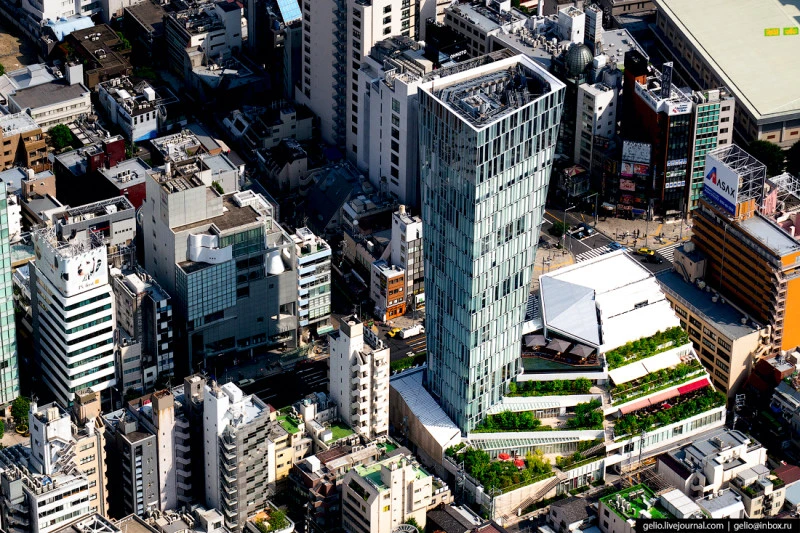
45. The 90-meter AO Building, famous for its irregular geometric shape, is located in Tokyo's fashionable and prestigious Aoyama district.
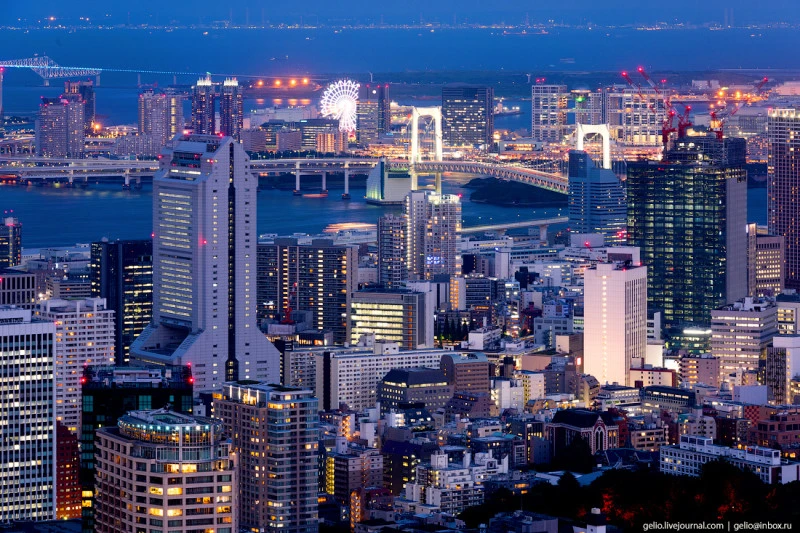
46. Minato is one of Tokyo's 23 wards. It is revered by anime fans as it is home to the "fighter for good and justice," the sailor-clad warrior Usagi Tsukino, the main character of the popular Sailor Moon franchise.
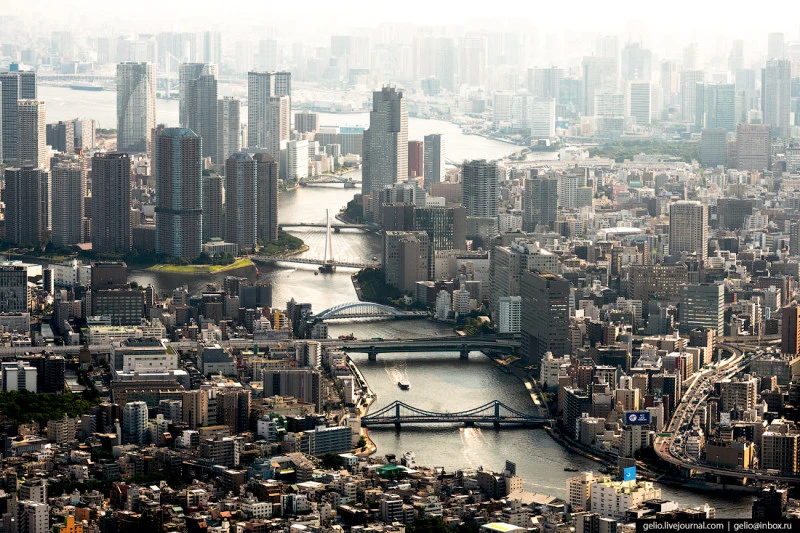
47. Within the Greater Tokyo area, several dozen road and railway bridges have been built across narrow rivers and streams.
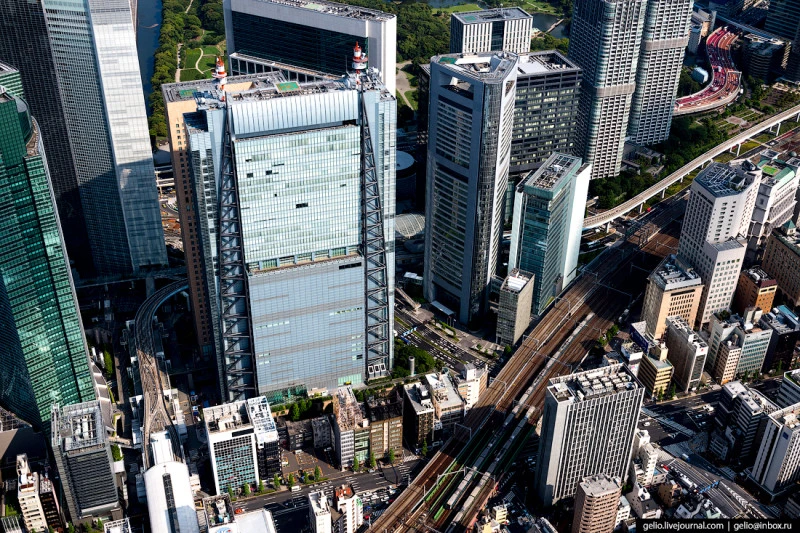
48. Nittele Tower. This 32-story, 190-meter office skyscraper in the Minato ward features an unconventional structuralist architecture.
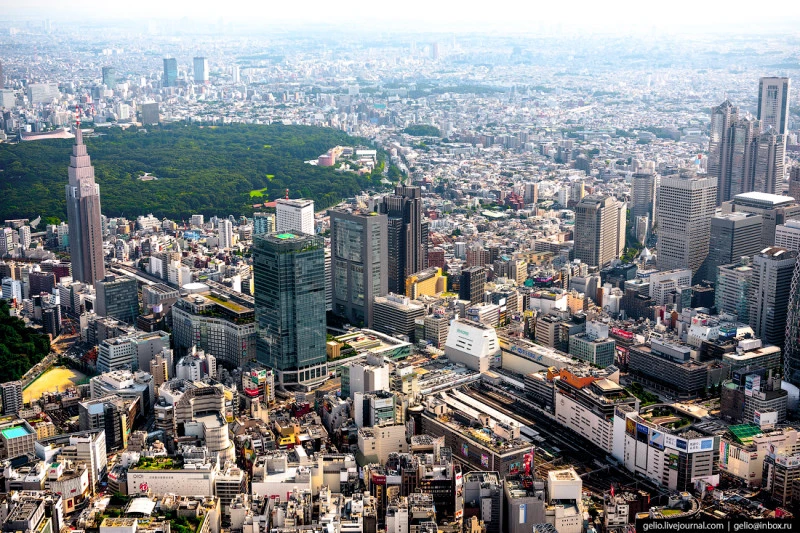
49. Shinjuku Train Station in the administrative and commercial center of Tokyo. It is the main transportation hub linking Tokyo and its western suburbs. It is listed in the Guinness Book of World Records as the busiest station in the world (over 3.5 million passengers daily).
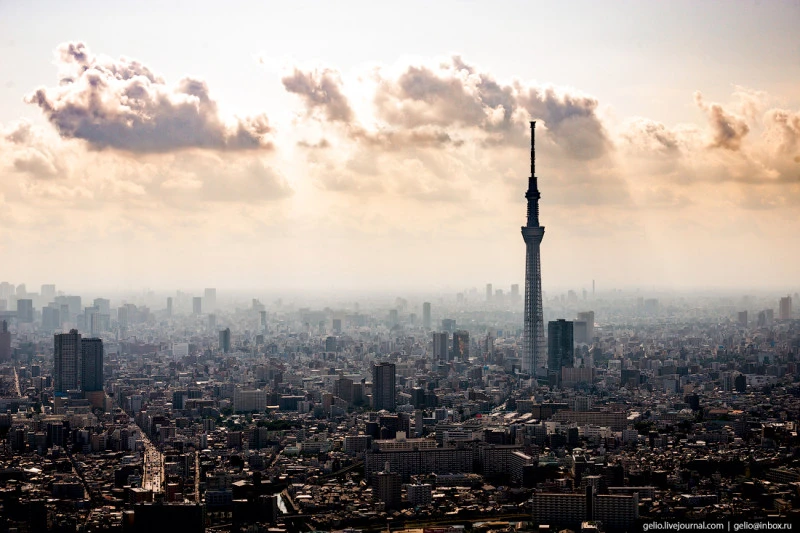
50. Tokyo has a subtropical monsoon climate. Winters are dry and snowless, while summers are hot, humid, and muggy. The absolute minimum temperature in Tokyo is just over 6 degrees below zero, and the maximum is 39.5 degrees Celsius. The city is frequently hit by typhoons.
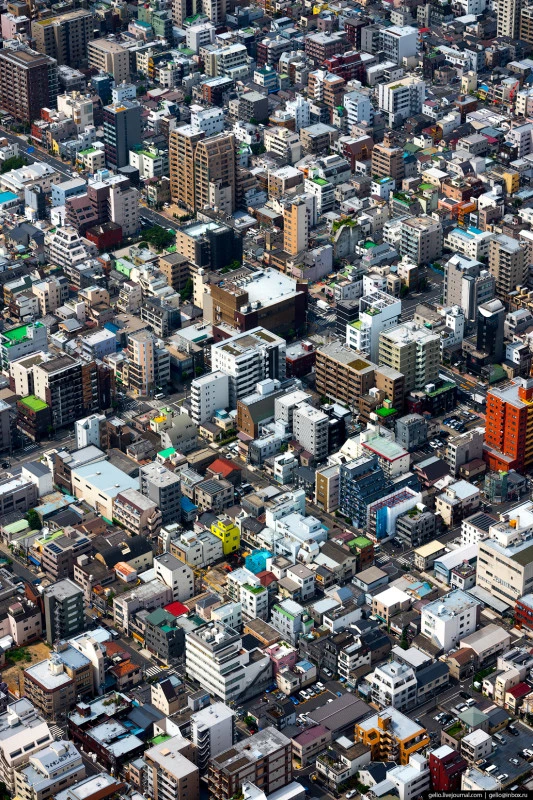
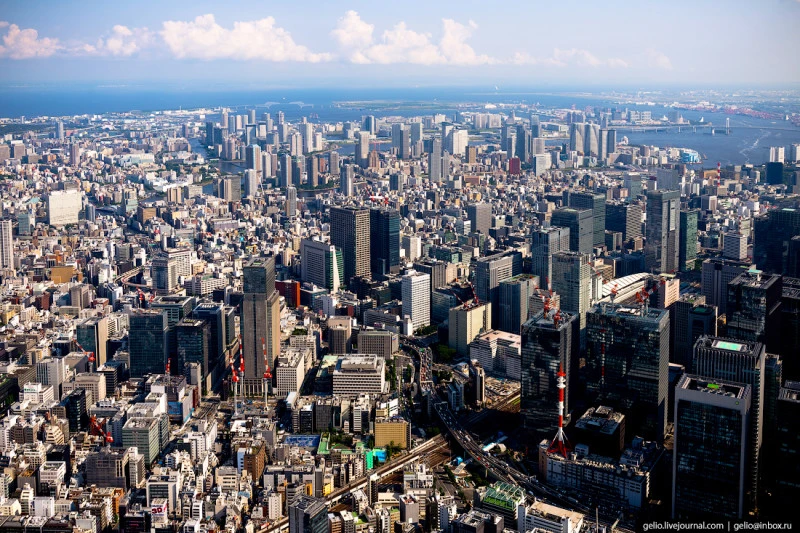
51. Typical Japanese urban development.
52.
53.
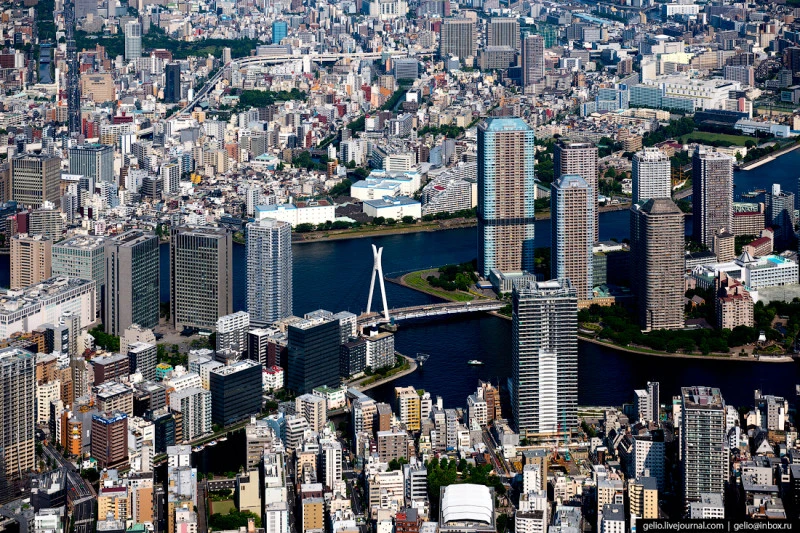
54. The Chuo-Ohashi Suspension Bridge in Tokyo's Chuo ward was designed by French architects and opened in 1993—coincidentally, on the same day as the completion of the Rainbow Bridge across Tokyo Bay.
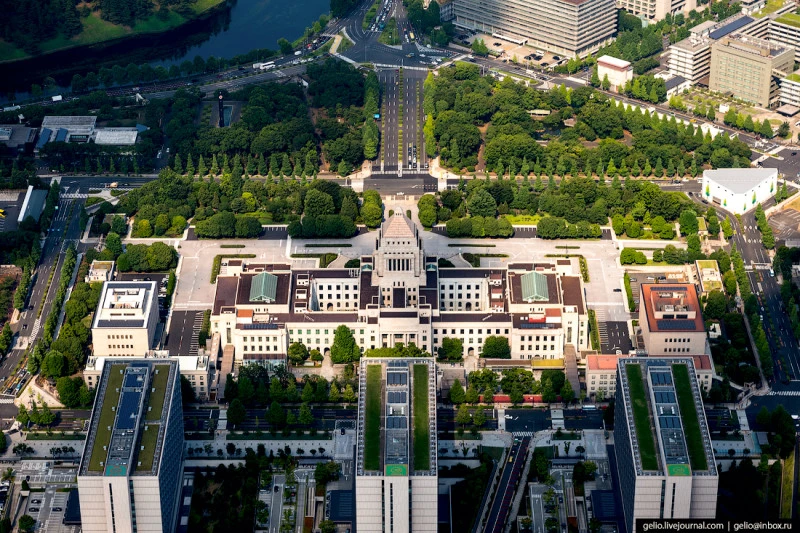
55. The center of Japan's political life is the complex of buildings housing the country's parliament in the Chiyoda district.
56.
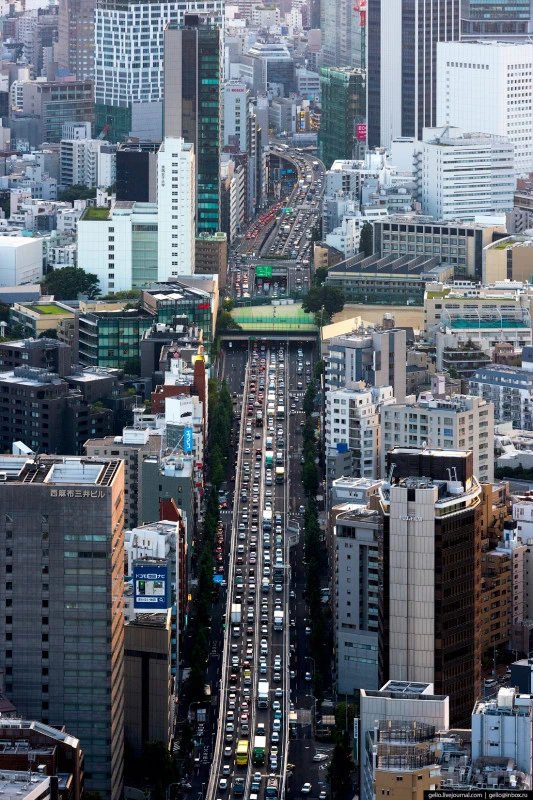
57. Tokyo's modern road system doesn't save it from traffic jams. However, in the Japanese capital, traffic jams aren't defined as a dead "stop-and-go" like in our country, but rather as a speed limit of below 40 km/h.
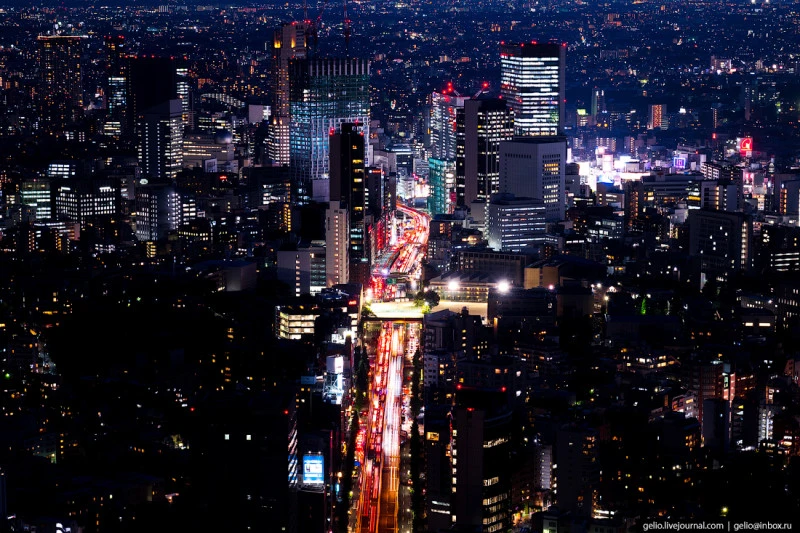
58. Heavy traffic causes not only traffic jams but also air pollution.
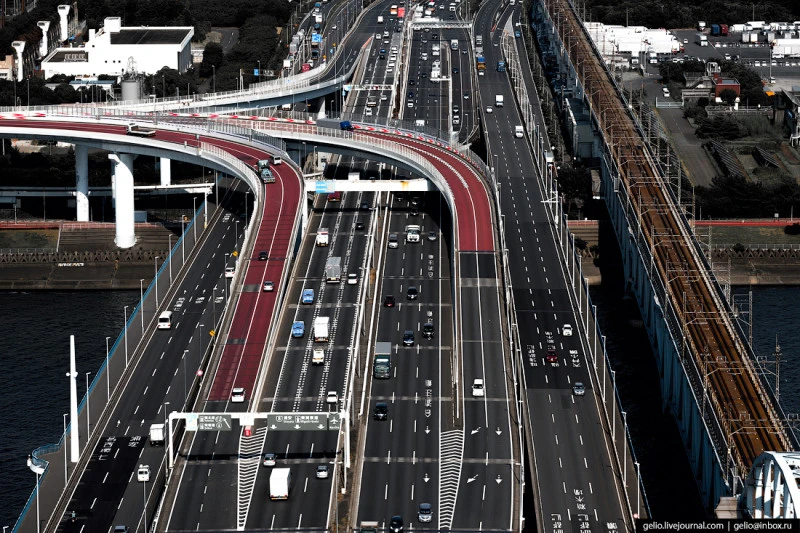
59. Tokyo's highway system was radically overhauled for the 1964 Olympics. Highways in the city are now often built on five levels. The total length of highways in Tokyo is approximately 28,000 kilometers, 2,800 of which are expressways. For comparison, according to Za Rulem magazine, Moscow's road network is 3,600 kilometers long. Tokyo has 5.5 million cars. A comparable number of cars drive around Moscow...
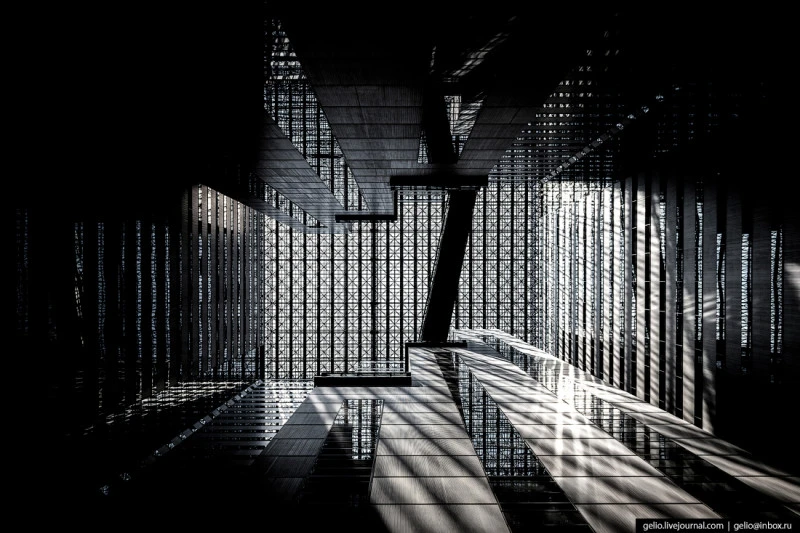
60. Japanese skyscrapers often save energy by using "light wells." Natural light enters the building through the roof.
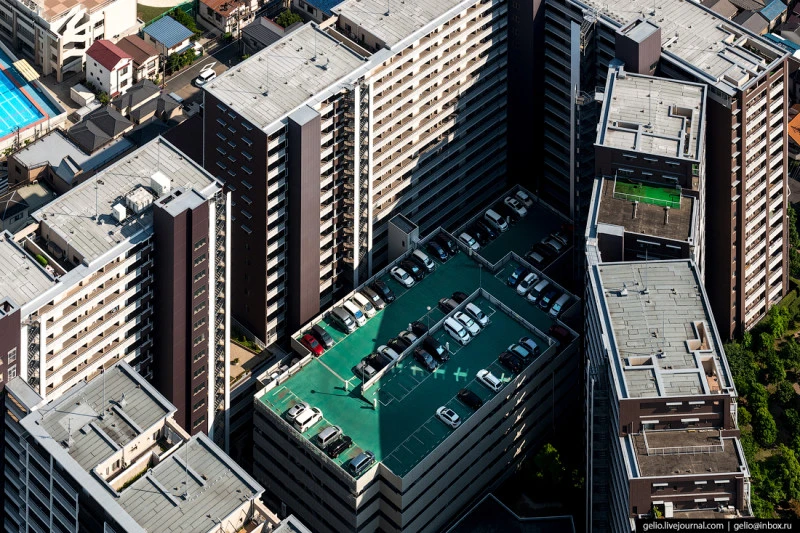
61. "Courtyard area" near a residential complex.

Download
Archive size 13.76 Mb, downloaded 4 times