10 World-Famous Portrait Photographers (30 photos)
Portrait photography is the art of capturing not just a person's face, but their soul, emotions, and life story. The best portrait photographers are able to establish rapport with their subjects in a split second, sense the perfect moment, and capture what's impossible to convey in words. These ten photographers travel the world—from the slums of London to the mountain villages of Vietnam, from Brazilian carnivals to Tibetan monasteries—creating portraits that capture the eye and make you reflect on human destiny. 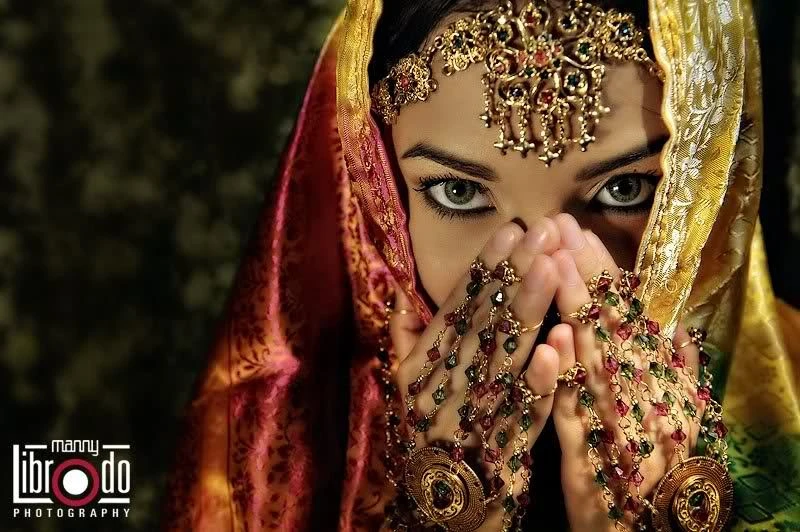
Steve McCurry: A Legend That Began with an Afghan Girl
Steve McCurry is a name known even to those who have little to do with professional photography. His portrait of an Afghan girl with piercing green eyes, published on the cover of National Geographic in 1985, became one of the most recognizable images in history. Sharbat Gula, a 12-year-old refugee from a camp in Pakistan, stares into the camera with such intensity that it's impossible to look away. 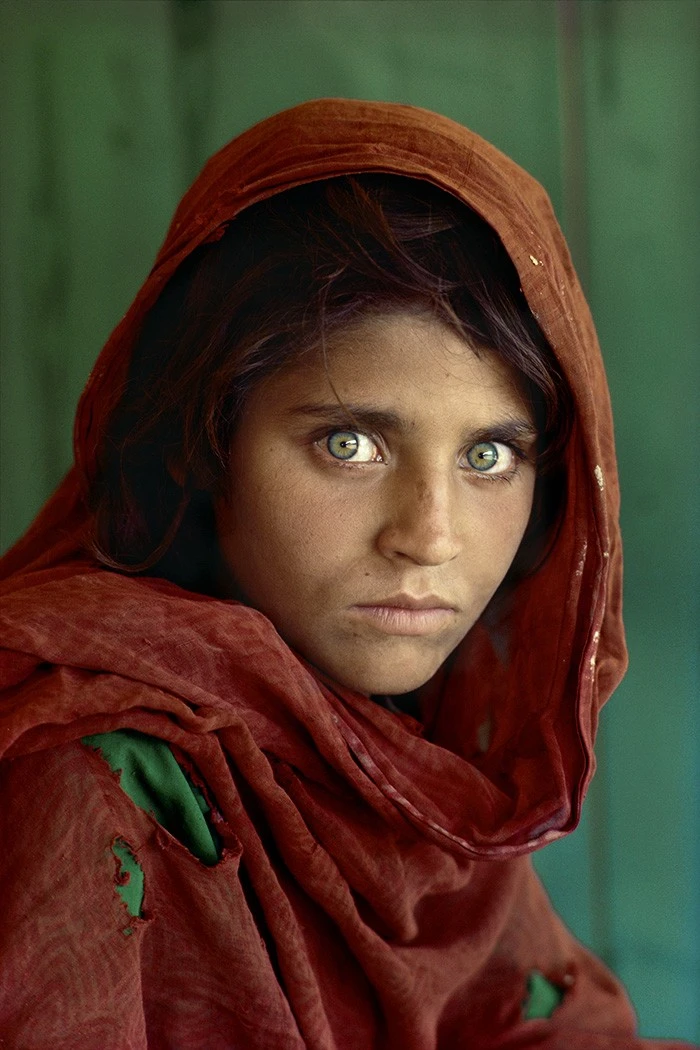
Afghan girl is the most recognizable National Geographic cover of all time
But McCurry is more than just one iconic image. He has over 40 years of experience as a photojournalist, dozens of books, hundreds of exhibitions worldwide, and thousands of captivating images from India, Afghanistan, Tibet, and Southeast Asia. He has documented wars, natural disasters, and the daily lives of people in the most remote corners of the planet. 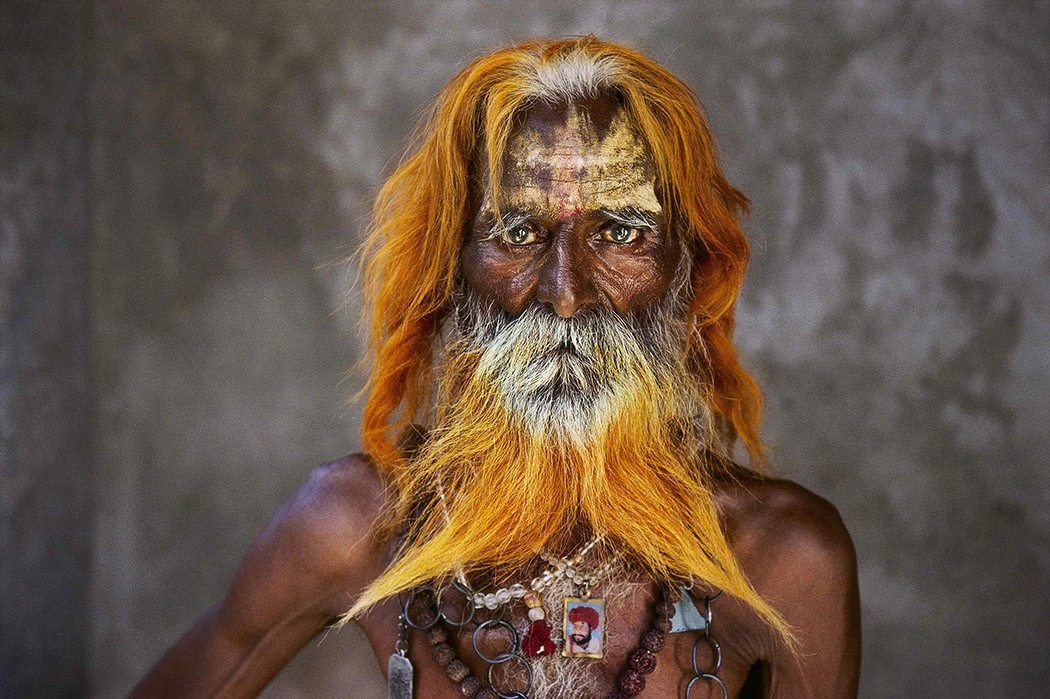

Rich colors and a deep gaze are McCurry's signature style.
McCurry's style is recognizable: rich colors, dramatic lighting, and a deep emotional connection with the model. His subjects look directly into the camera, seeming to address the viewer personally. The photographer works exclusively with Kodachrome film, which produces incredible color depth and contrast.
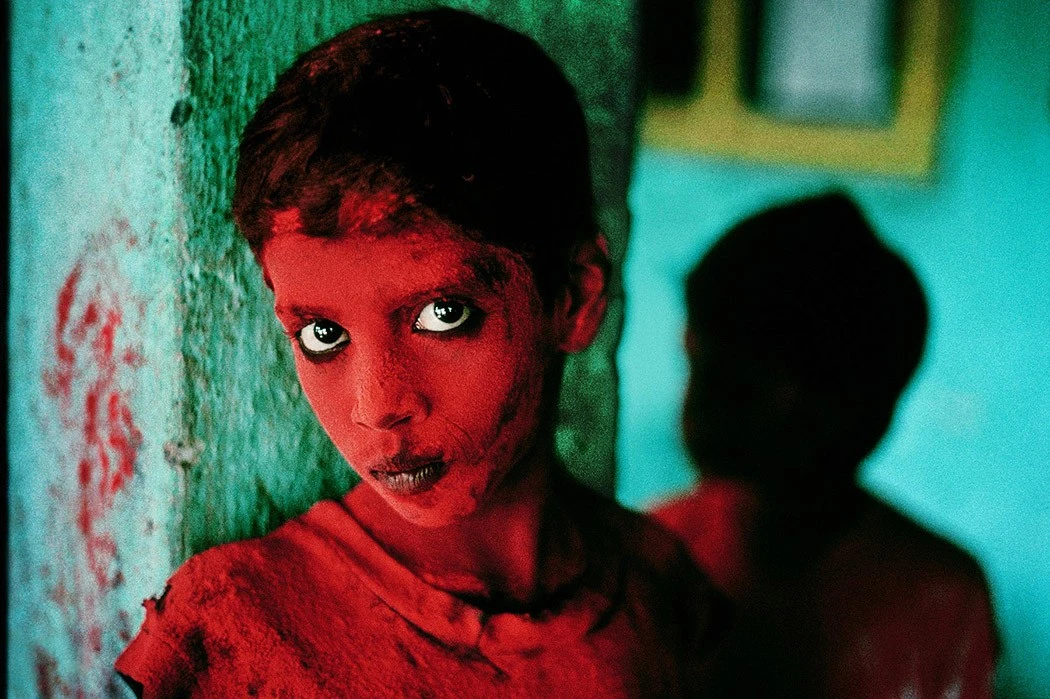
Children through McCurry's lens – honesty and openness without embellishment
Lee Jeffreys: The homeless as people, not as statistics
British photographer Lee Jeffreys came to his main subject by chance. In 2008, while walking through London before shooting the London Marathon, he saw a homeless girl sleeping in a sleeping bag. Jeffreys tried to photograph her discreetly, but she woke up and started yelling at him. Instead of running away, the photographer crossed the street, apologized, and spoke to her. They talked for several hours. The girl allowed him to take more photos.
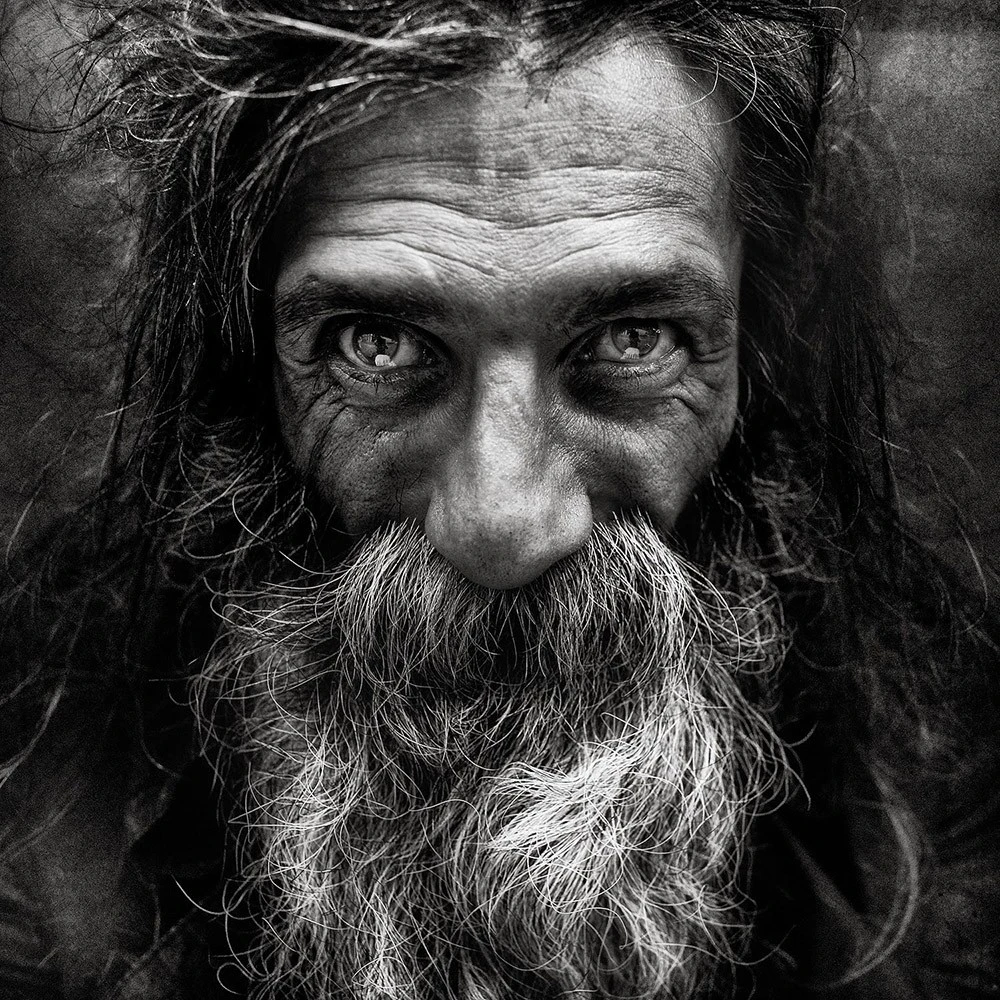
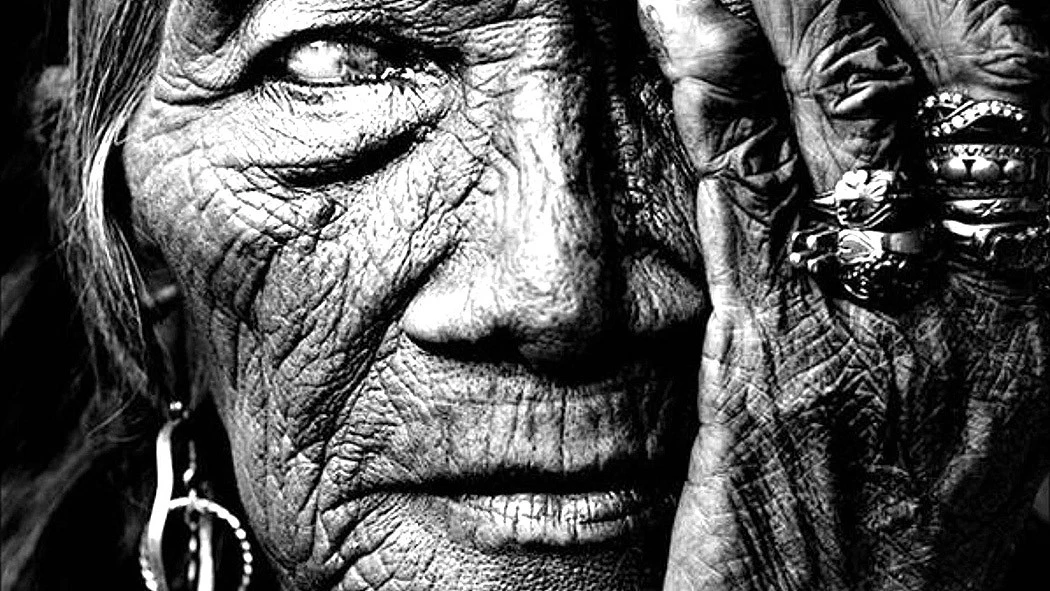
Close-ups, hard light, a black-and-white palette—this is how Jeffries reveals the truth.
This experience changed Jeffries' approach to photography. He began specifically seeking out homeless people in London, Paris, Los Angeles, New York, and Rome. Rather than photographing them with a hidden camera, he met them, talked to them, and listened to their stories. Only after establishing contact did he take a portrait.
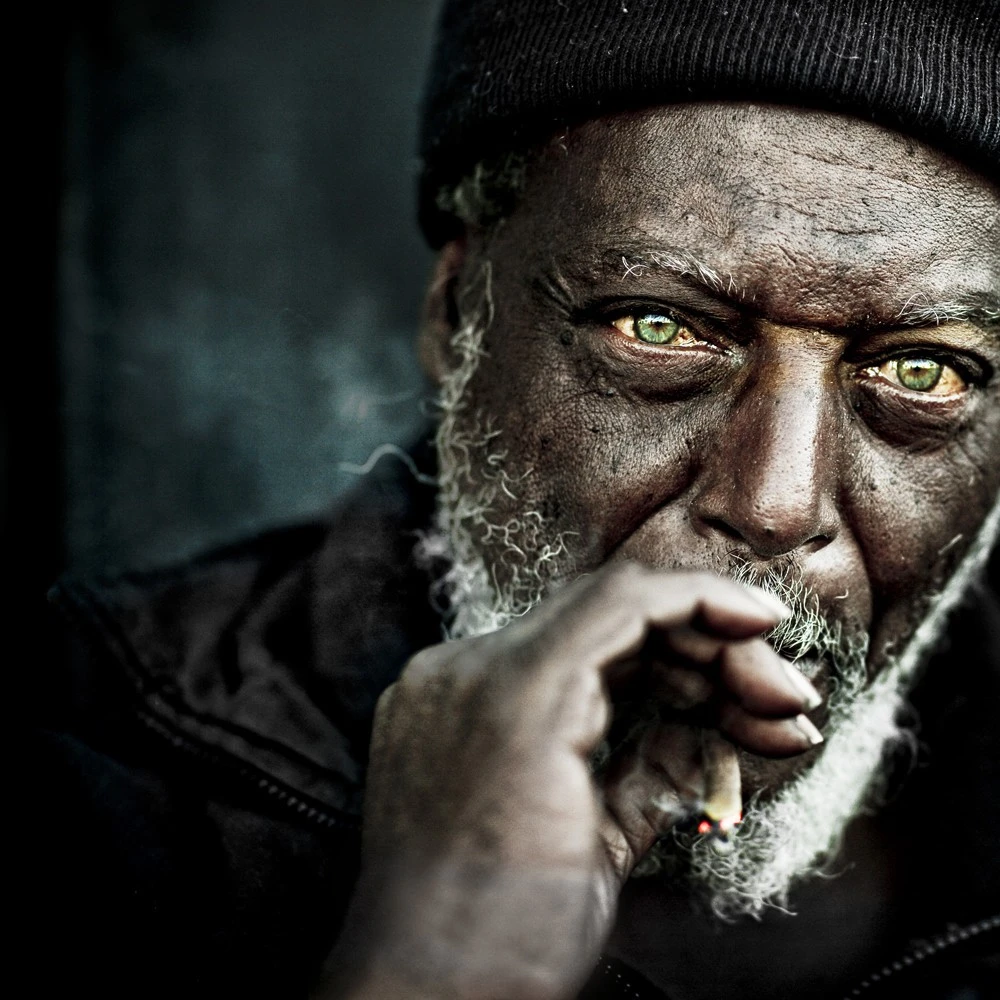
Behind every face is a tragedy and a story of survival.
Jeffries' photographs feature close-ups of faces, taken in black and white with harsh, contrasting lighting. Every wrinkle, every scar, dirt, fatigue—everything is visible down to the smallest detail. But the most important thing is the eyes. They contain pain, despair, and sometimes hope. Jeffries doesn't spare his subjects, but neither does he turn them into objects for sensationalism. He shows them as people.
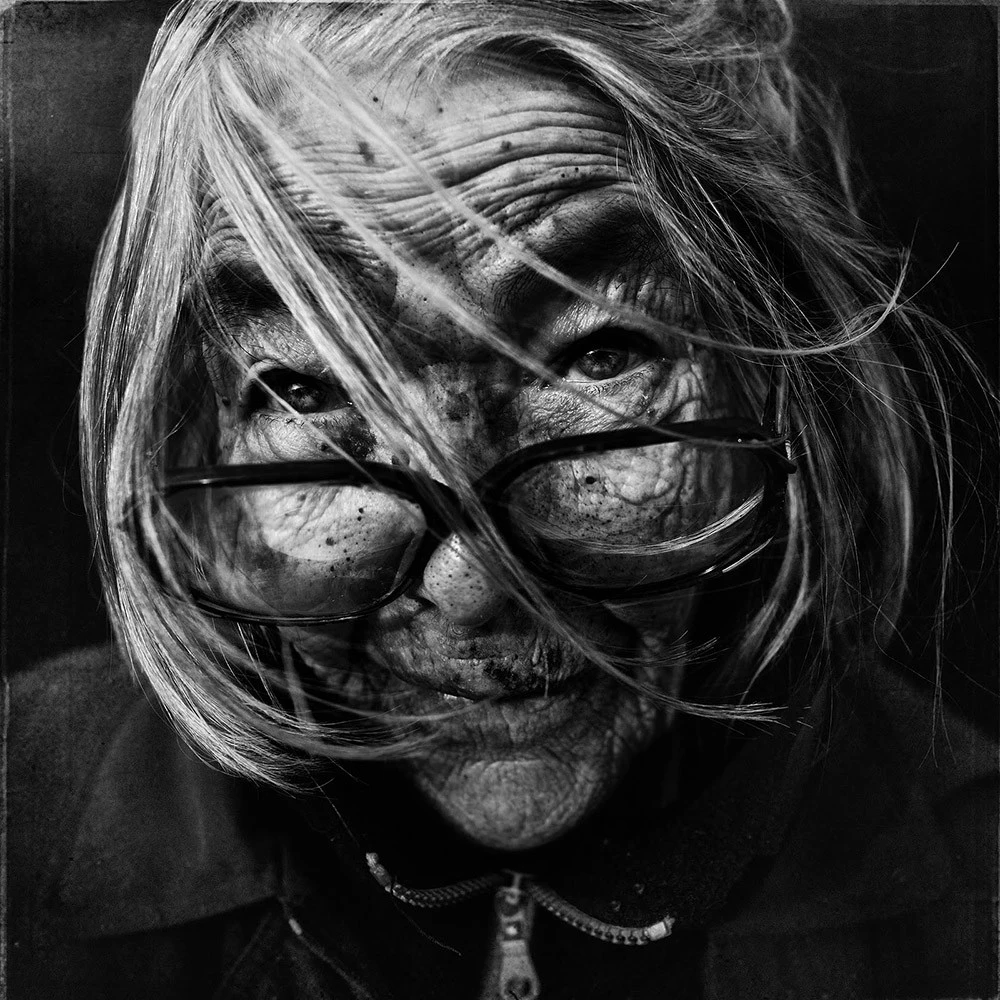
Jeffries doesn't just photograph—he gives the homeless a chance to be seen.
Jimmy Nelson: Endangered Peoples Through the Lens
British photographer Jimmy Nelson has dedicated his life to documenting cultures that are at risk of disappearing in the coming decades. His large-scale project, "Before They Pass Away," is a journey around the world: from Chukotka to Papua New Guinea, from Ethiopia to Mongolia, from the tribes of the Amazon to the peoples of the Himalayas.
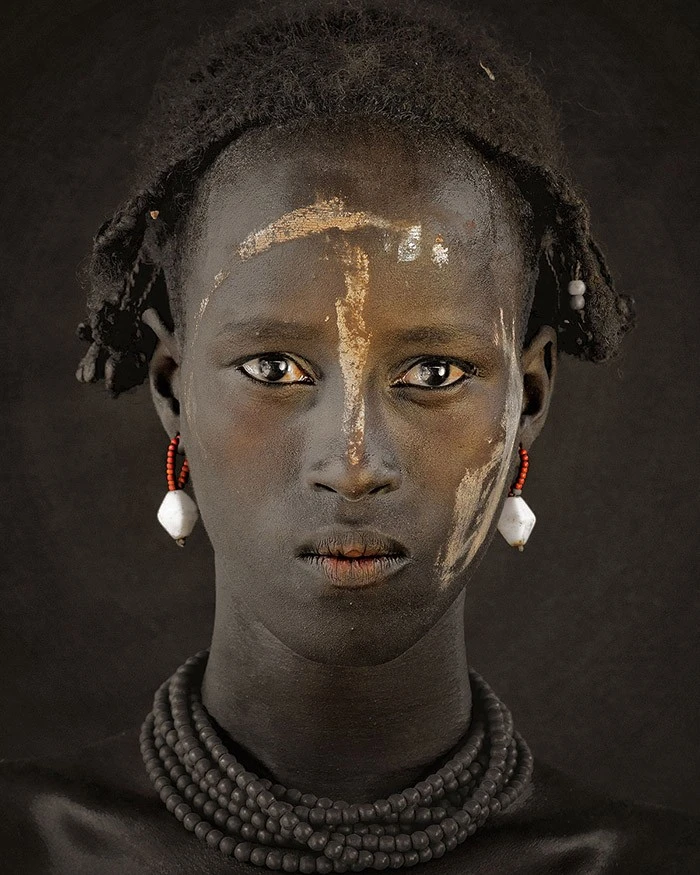
Representatives of indigenous peoples in traditional costumes and jewelry
Nelson doesn't just photograph people—he lives with them for weeks, studying their customs, participating in rituals, and becoming part of the community. Only then does he create staged portraits in traditional costumes, jewelry, and weapons, against the backdrop of their native landscapes.
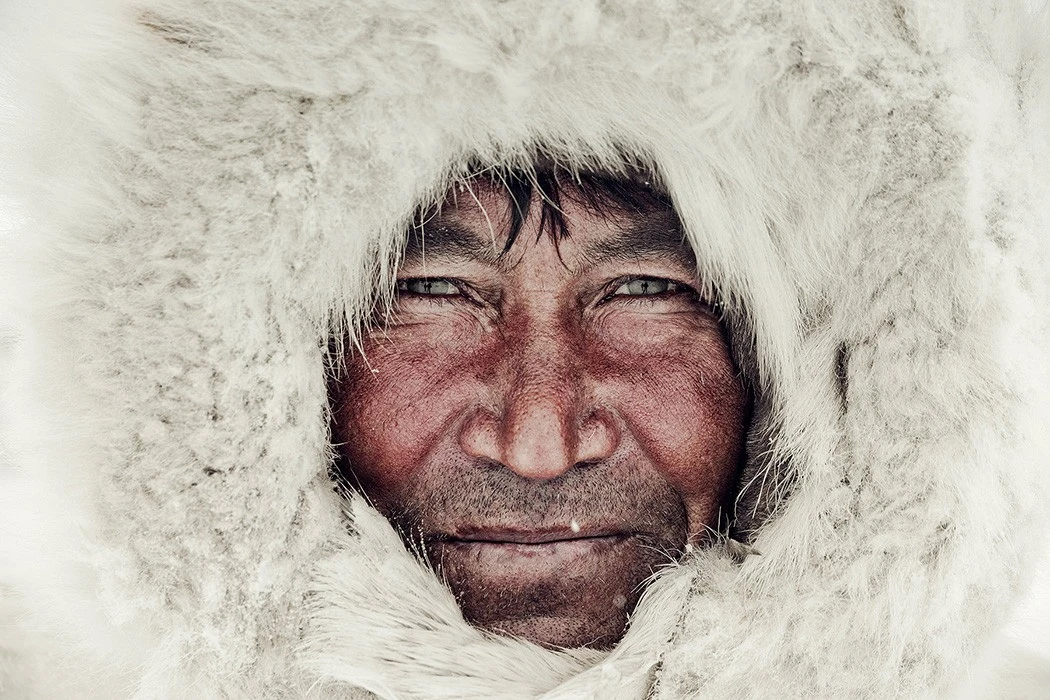
Bright colors, detailed work, solemnity—like the paintings of old masters.
Nelson's style is characterized by bright, saturated colors, meticulous staging, and dramatic lighting. His portraits are reminiscent of the paintings of the Old Masters—solemn, majestic, and meticulously detailed. Critics accuse him of being overly staged and romanticizing, but Nelson responds that he wants to show the beauty and dignity of these cultures, not their poverty.
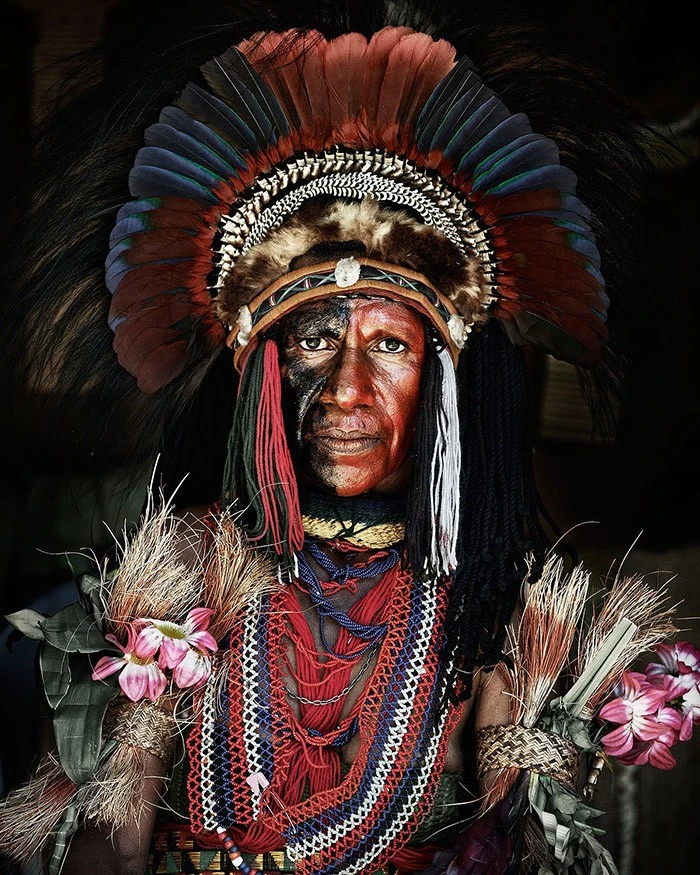
Each portrait is an attempt to preserve the memory of a culture in danger of disappearing.
His project "Before They Disappear" reveals the diversity of cultures and peoples that many have never even heard of.
Réhahn: The Poetry of Vietnamese Portraits
The self-taught French photographer, known by the pseudonym Réhahn, fell in love with Vietnam and dedicated much of his work to the country. He photographed people in Rajasthan and Cuba, but his main passion is the 54 ethnic groups of Vietnam, each with its own traditions, costumes, and language.
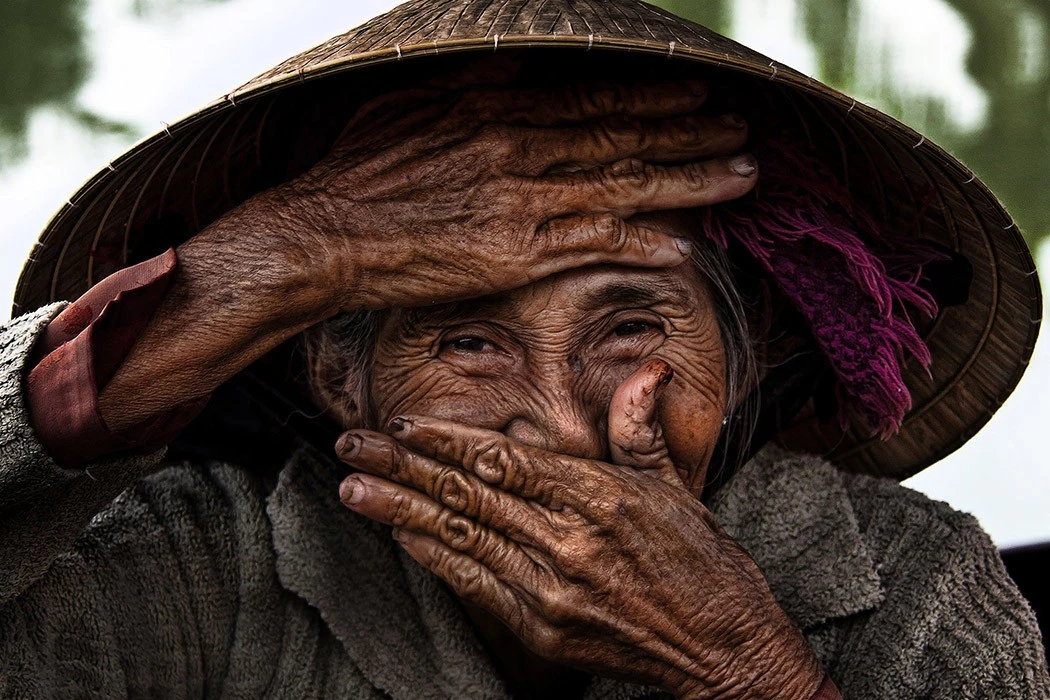
Vietnam through Réhahn's lens is a riot of color and sincere emotion.
"Vietnam is a photographer's paradise. A safe country, exceptional light. And 54 ethnic groups, each with significant differences," says Réhahn. He travels to mountain villages, meeting elders, children, and artisans. His portraits are not staged shots, but rather expressive of real emotions: smiles, curiosity, pride.
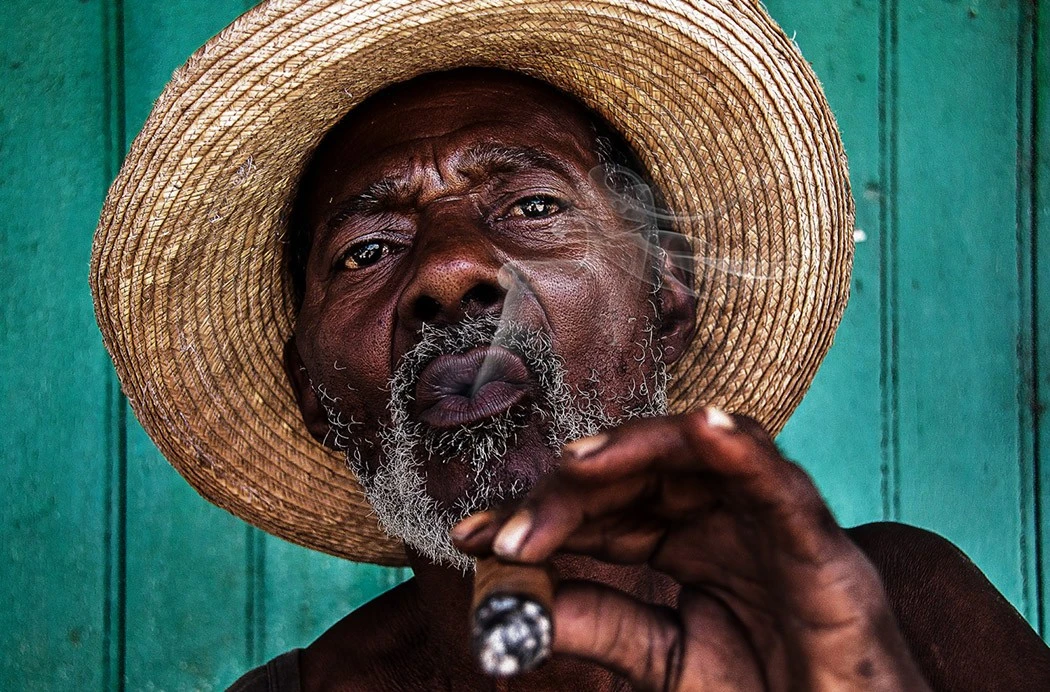
Naturality and warmth are the main qualities of Rean's portraits.
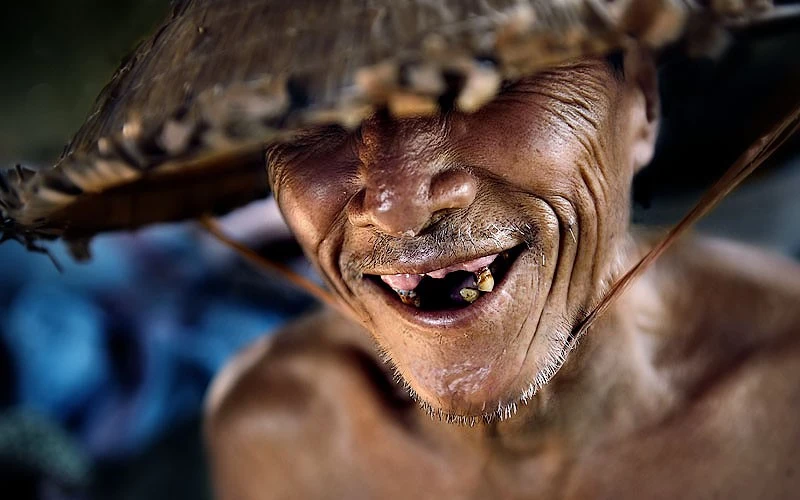
Rean's style is distinguished by soft, natural light, warm tones, and closeness to the model. His subjects don't pose—they live in front of the camera. An old woman with a wrinkled face laughs, revealing teeth painted black in the local tradition. A girl in traditional dress looks on with curiosity. A man smokes a bamboo pipe, lost in thought.
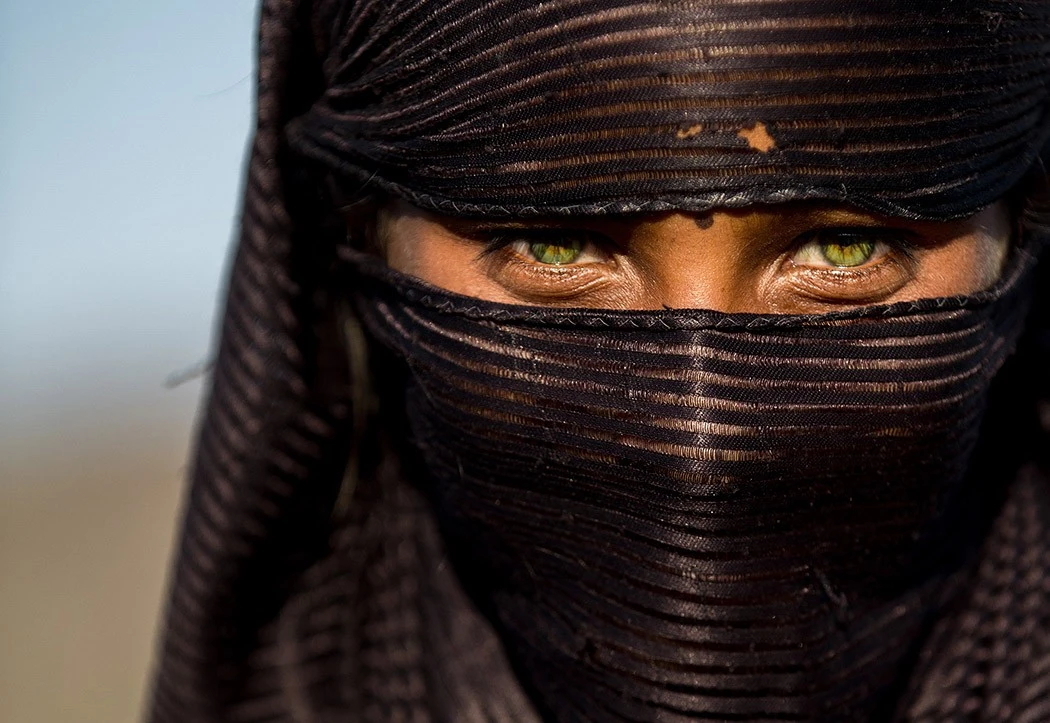
Each portrait by Rean is a small story about a person and their culture.
Eric Lafforgue: A Photojournalist with a Human Face
French photographer Eric Lafforgue works at the intersection of photojournalism and portraiture. He travels the world, shooting reports for National Geographic, Lonely Planet, and The Guardian, while simultaneously collecting his collection "Faces of the Earth."
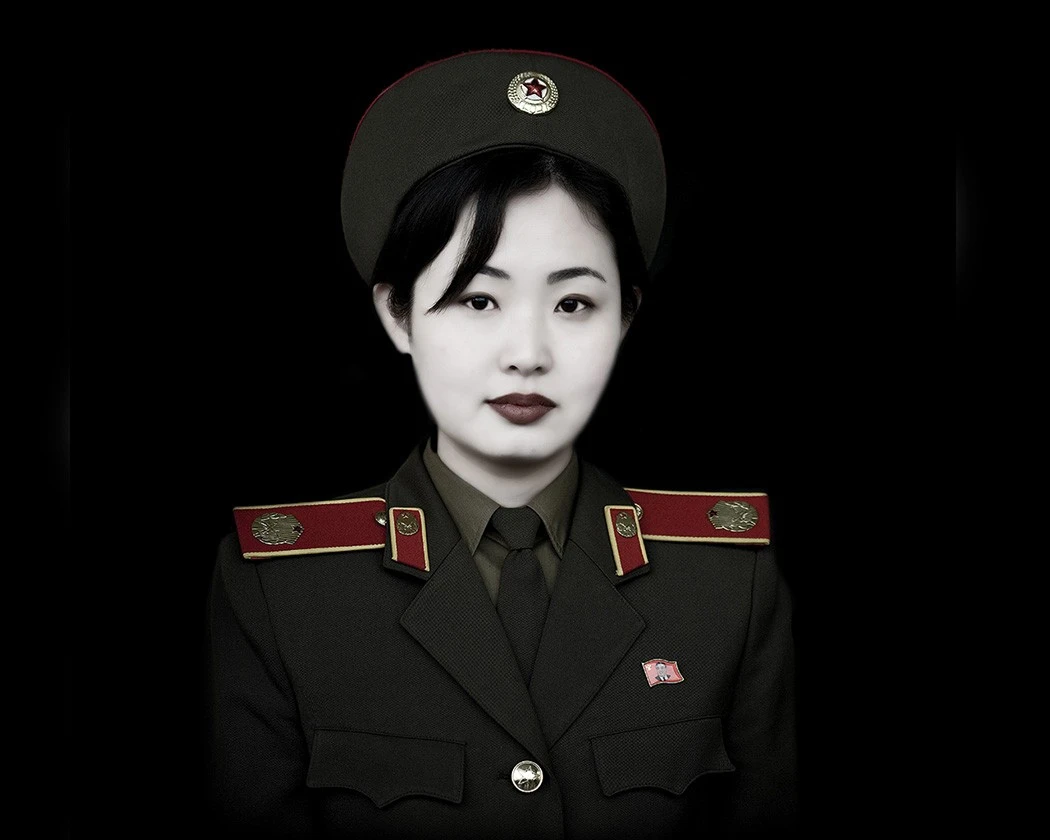
North Korea without its façade—what the regime wanted to hide.
Lafforgue has visited over 100 countries. He photographed the tribes of the Omo Valley in Ethiopia, the indigenous peoples of Papua New Guinea, the nomads of Mongolia, and the residents of closed North Korea. His portraits are accompanied by detailed stories about the people, their lives, and their traditions. Every face tells a story.
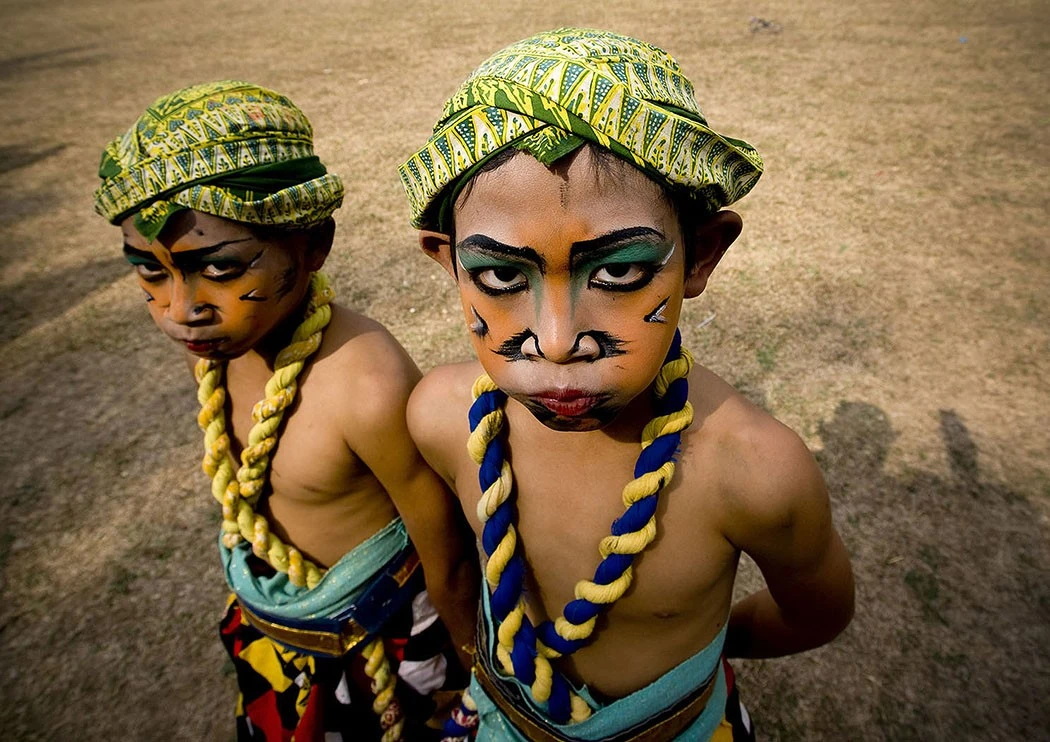
Bright colors, unusual angles, and vivid emotions—Lafforgue's style.
His photographs of North Korea gained particular renown. Lafforgue visited the country over 20 times, capturing not only the regime's ceremonial side but also the real lives of ordinary Koreans. For this, he was eventually deported and denied entry. But the photographs remain—and they open our eyes to life in one of the most closed countries in the world.
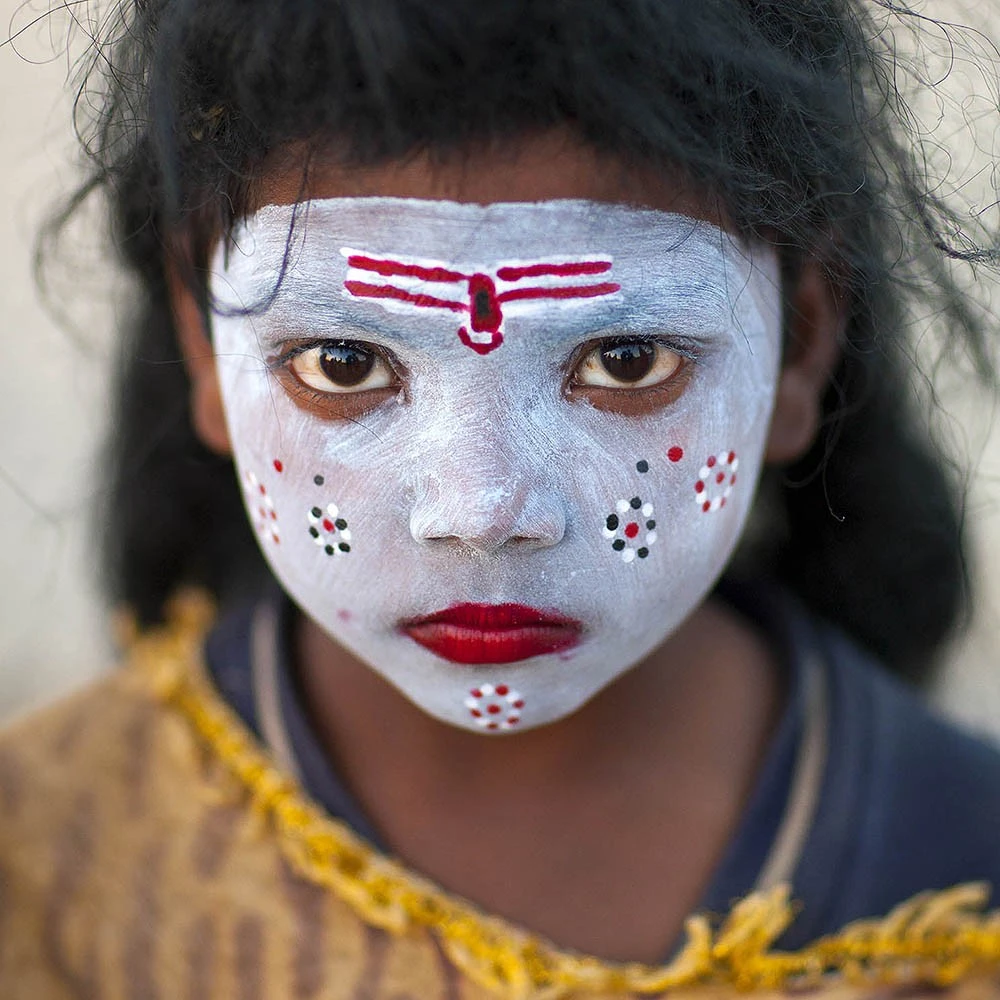
Lafforgue has a knack for finding beauty and dignity in the most unexpected places.
Manuel Librodo: A Riot of Colors and Emotions
Filipino photographer Manuel Librodo travels across Asia and Africa, capturing vibrant, rich portraits of people in traditional costumes. His work is a celebration of color: reds, yellows, oranges, and blues combine in incredible combinations.
Color, emotion, movement—Librodo's photographs are full of life.
Librodo specializes in photographing festivals, religious ceremonies, and traditional holidays. He captures moments of ecstasy, joy, and expression—when people forget about the camera and are completely immersed in the action. His subjects dance, sing, pray, and laugh.
The vibrant emotions and exuberance of holidays are Librodo's favorite subject.
The photographer's style is characterized by contrasting light, rich colors, and dynamic compositions. His photographs are not just beautiful—they are energetic, emotional, and immerse the viewer in the festive atmosphere.
Each of Librodo's photographs is a small masterpiece of composition and color.
Lisa Kristine: Witness to Modern Slavery
American photojournalist Lisa Kristine has dedicated her career to one of the most sensitive topics – modern slavery. According to the UN, approximately 27 million people worldwide live in slavery: in mines, quarries, brick factories, and plantations.
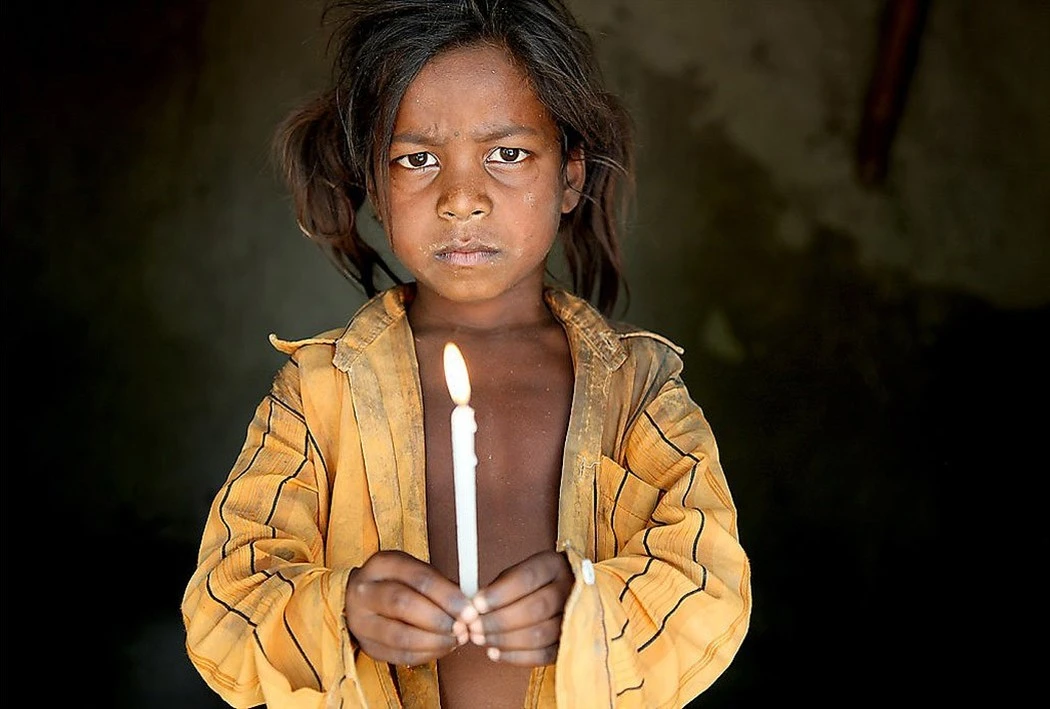
Faces of Those Living in Difficult Conditions
Christine travels to the most dangerous and inaccessible places on the planet to document their lives. She's photographed miners in Congo digging ore for electronics with their bare hands. Children in Nepal breaking rocks for 12 hours a day. Fishermen in Ghana working in debt slavery.
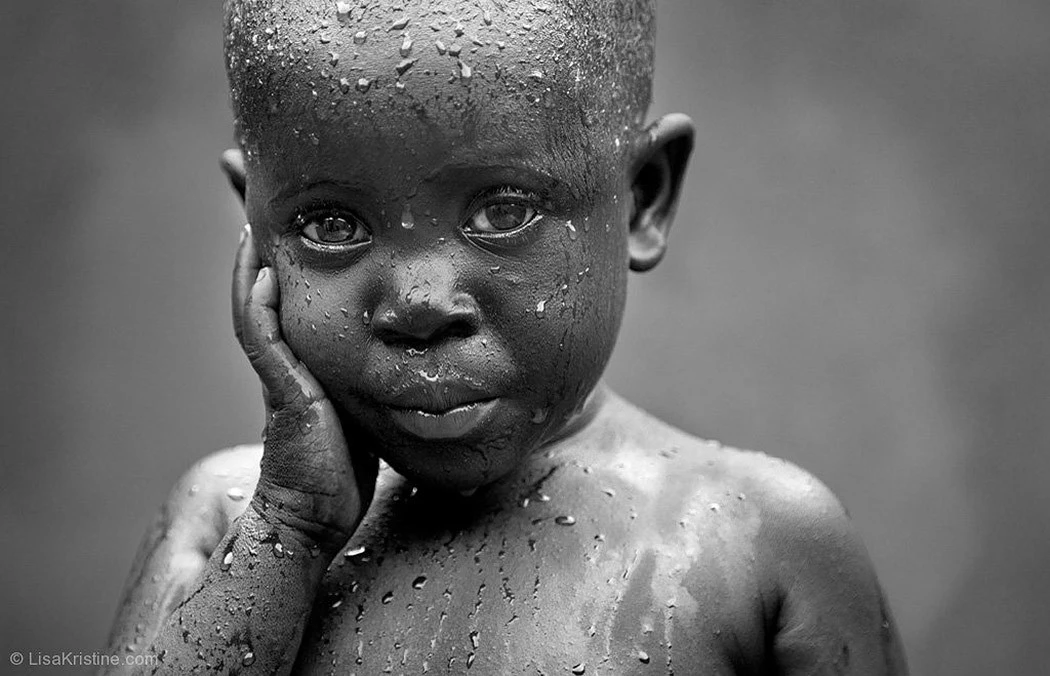
Children breaking rocks is one of the most brutal forms of exploitation.
Her portraits are heartbreaking. Exhausted faces, dirty hands, empty eyes. But sometimes, there are also glimmers of hope, a child's smile, the dignity of a person unbroken by circumstances. Christine doesn't just document a problem—she gives a voice to those the world chooses to ignore.
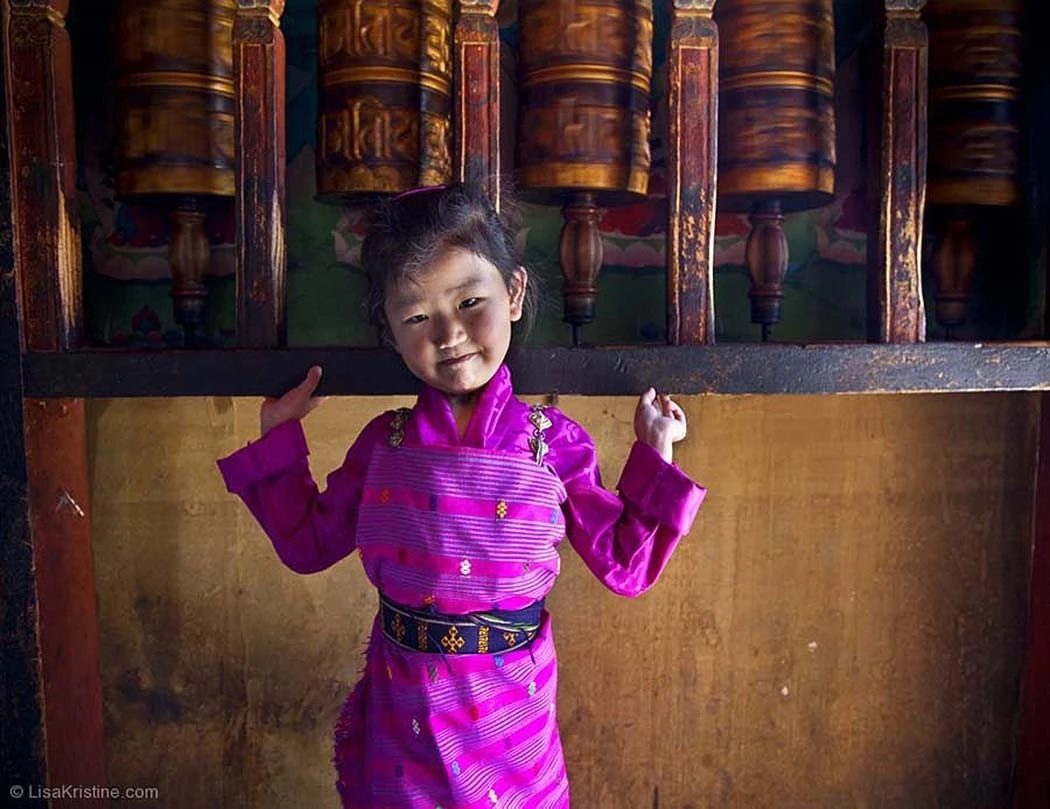
Behind every portrait is a story
David Lazar: A Hunter of Bright Moments
Brisbane-based Australian photographer David Lazar specializes in photographing cultural events and street life. His favorite destination is Brazil, where he captures carnivals, religious festivals, and the daily life of favelas.
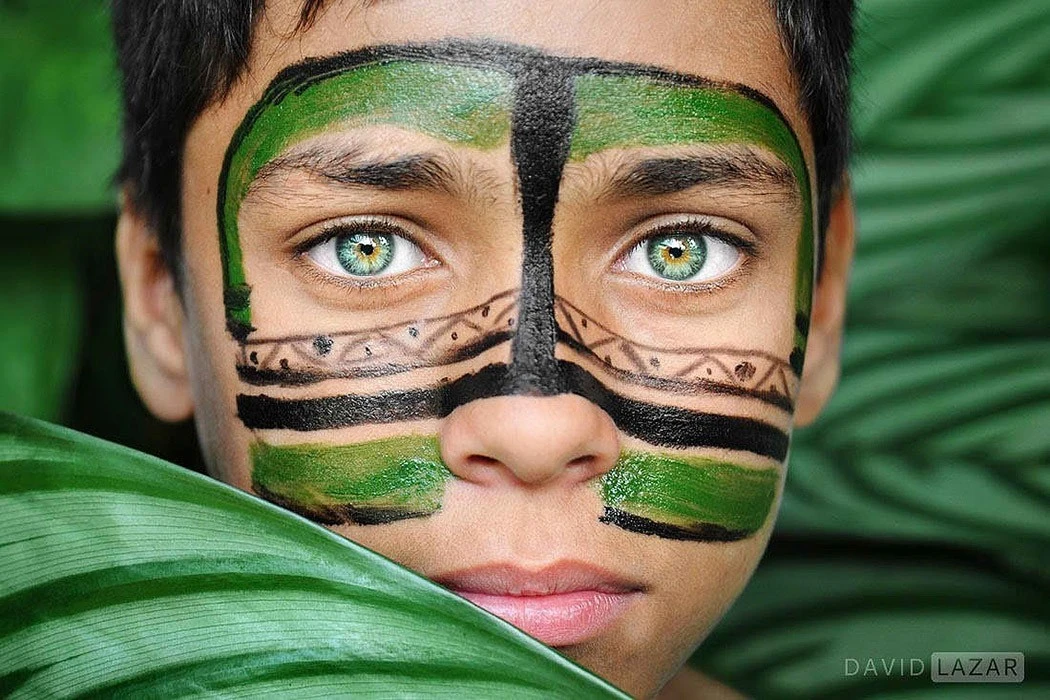
Brazilian carnivals through Lazar's lens – an explosion of emotion and color
Lazar masterfully captures fleeting moments: the smile of a samba dancer, the concentration of a musician, the ecstasy of believers at a religious procession. His photographs are dynamic, energetic, full of movement and life.
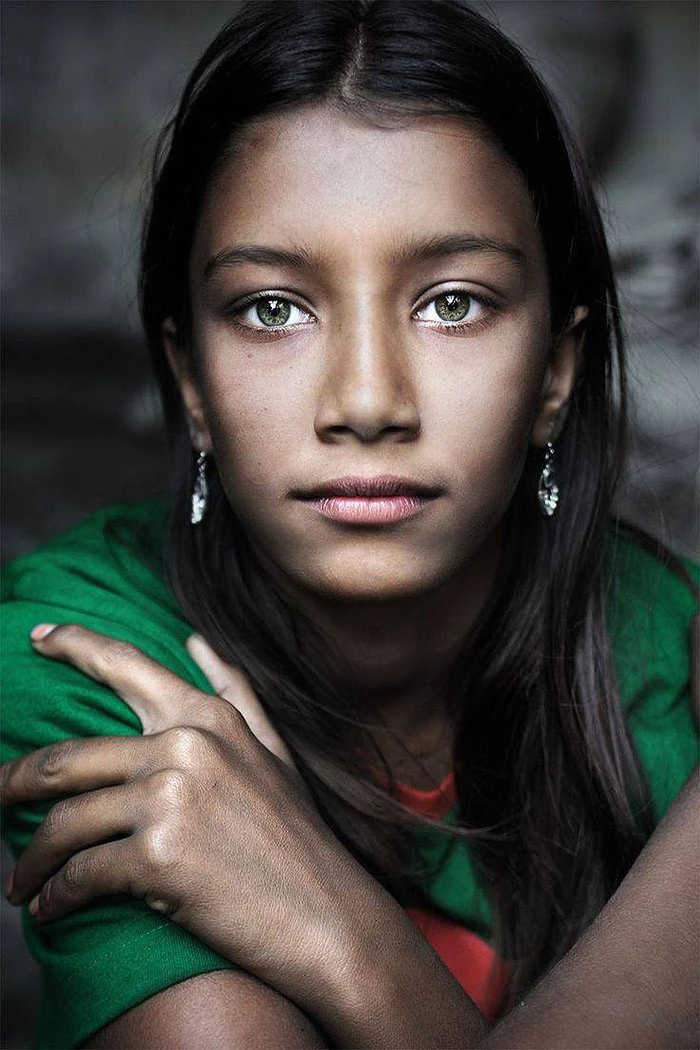
Lazar's portraits are always an emotion captured at the right moment.
In 2014, Lazar won the Best Culture Photographer award at the Garuda Airways competition. His work has been published in National Geographic, BBC, and The Guardian.
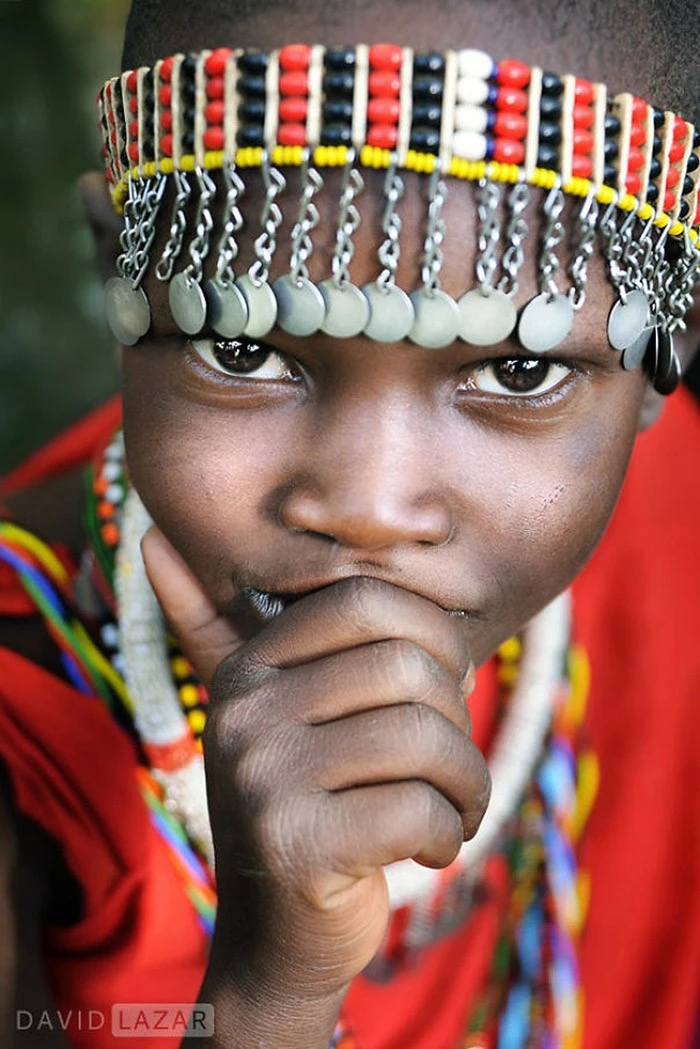
Lazar's technique is close contact with the model and natural light.
Joel Santos: Portraits that Come to Life
Filipino photographer Joel Santos has an amazing gift—his portraits seem alive. You look at the photograph, and it seems as if the subject is about to continue talking, blink, or smile.
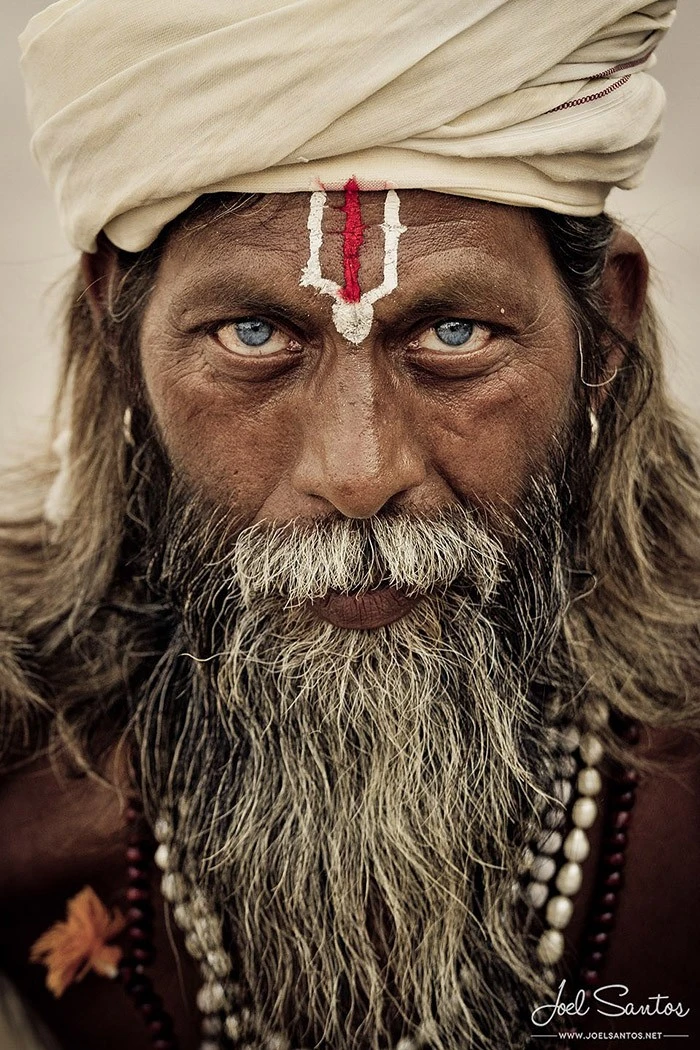
Santos's mastery lies in his ability to convey a living emotion, frozen in a moment.
Santos's secret lies in his ability to establish rapport with his subjects and capture a completely natural moment. He doesn't force them to pose, but waits for them to forget about the camera. Then, true emotion emerges—not feigned, but sincere.
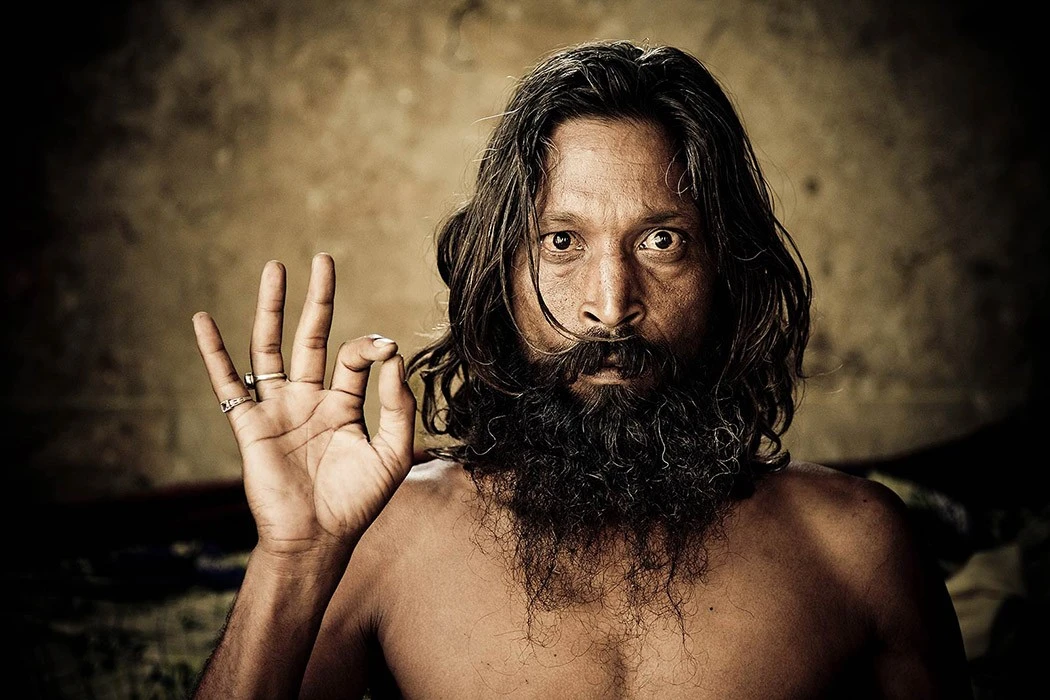
Ordinary people gain dignity and beauty through Santos's lens.
Santos works in a reportage style, shoots in natural light, and prefers black and white or muted colors. His subjects are ordinary people: fishermen, farmers, street vendors, children. But he finds something unique in each face.
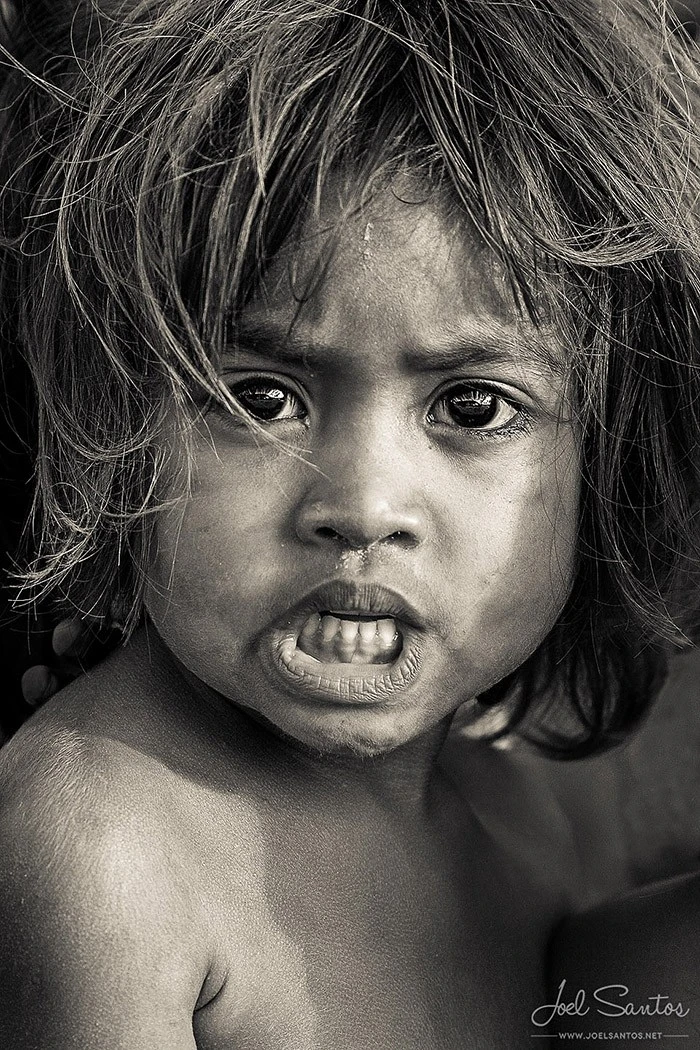
No staging—only naturalness and the moment.
Phil Borges: The Voice of Endangered Peoples
American photographer Phil Borges has dedicated over 30 years to documenting the lives of indigenous peoples and small ethnic groups in danger of extinction. He has worked in Tibet, Ethiopia, India, Nepal, Bolivia, Peru, and Alaska.
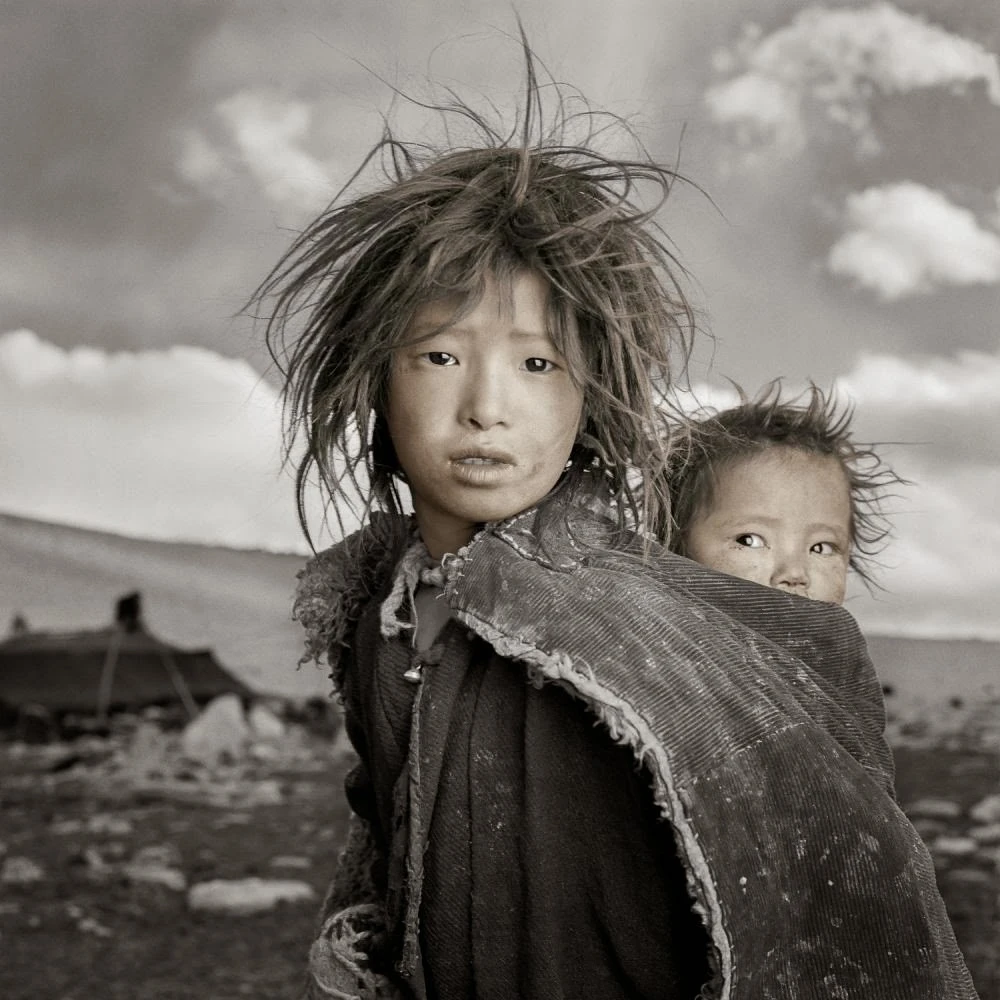
Tibetan refugees through Borges' lens – evidence of a people's tragedy
Borges doesn't just take photographs – he studies the problems these people face: land loss, discrimination, cultural assimilation, poverty. His projects are accompanied by educational programs, exhibitions, and books designed to draw attention to the problem.
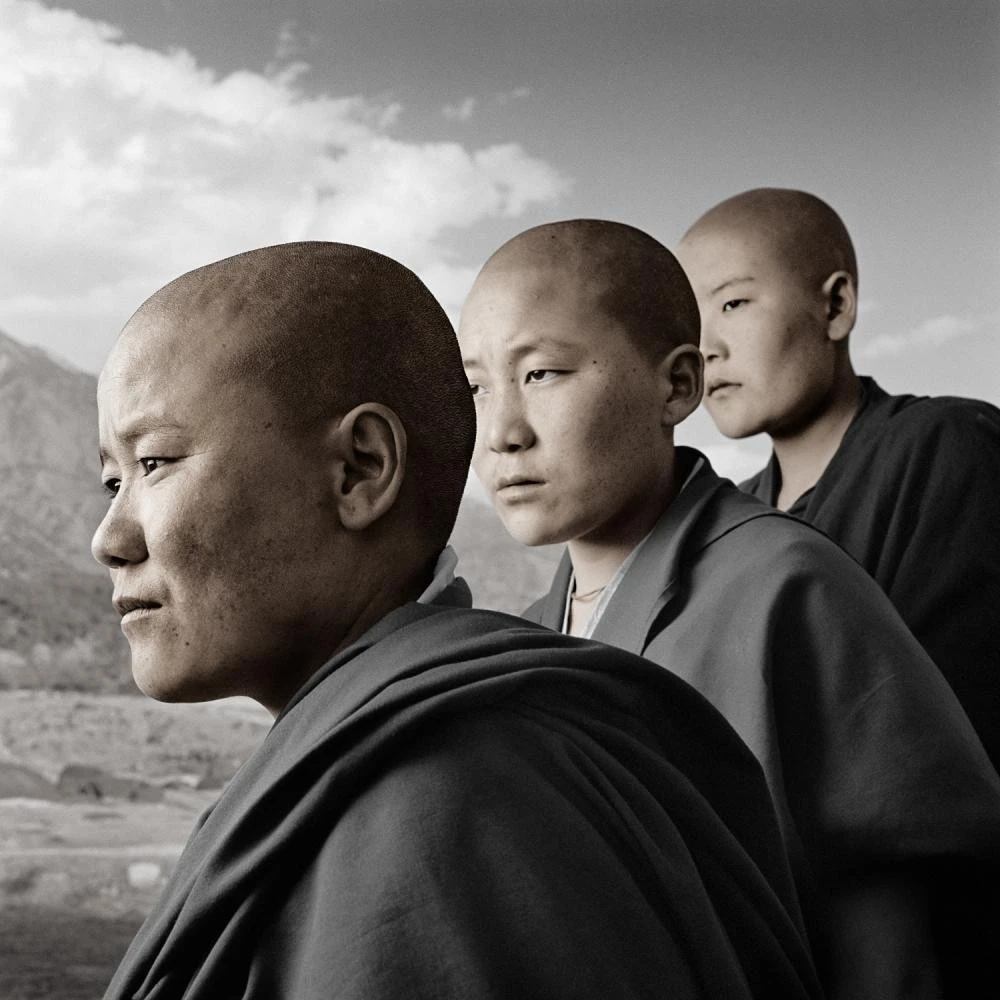
Each portrait is accompanied by the story of the individual and their people.
His photographs of Tibetan refugees – people who fled Chinese-occupied Tibet and are living in camps in India and Nepal – are particularly well-known. Borges gives them the opportunity to tell their stories, to preserve the memory of a culture that is being destroyed.
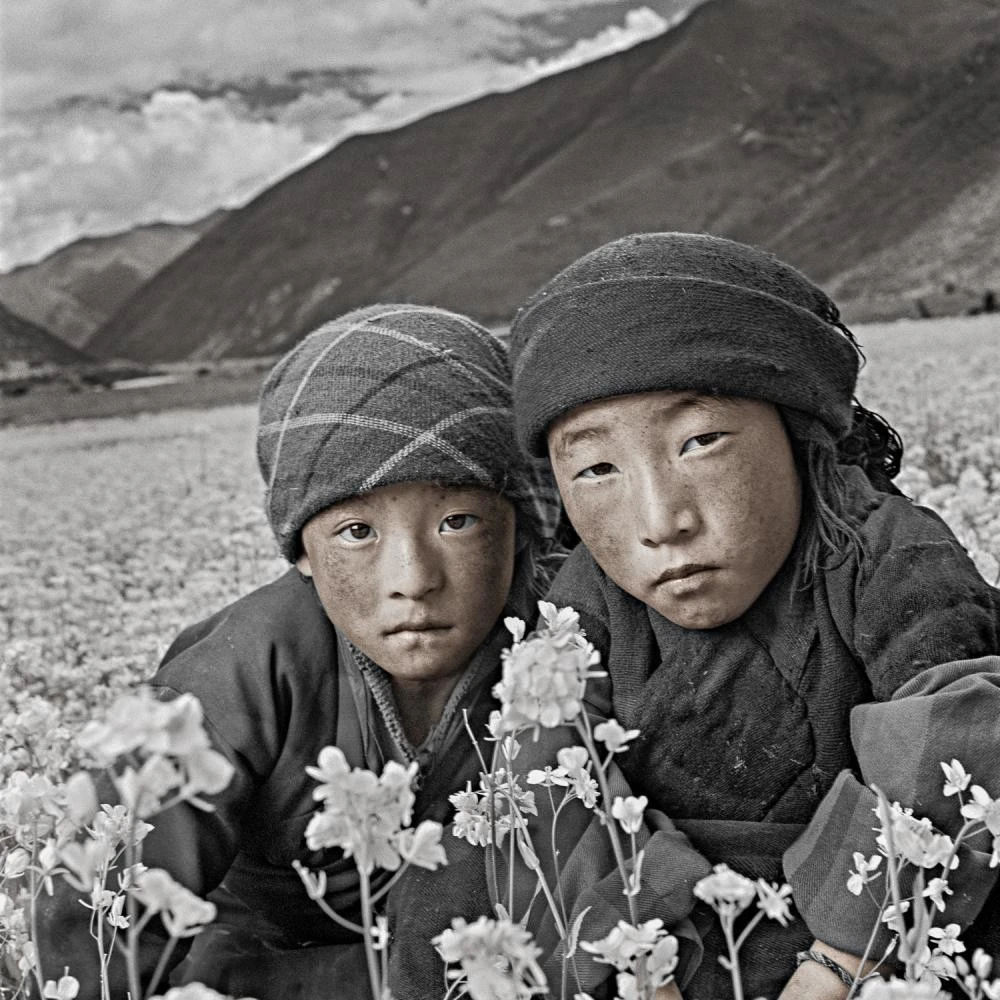
Borges uses photography as a tool for human rights
These ten photographers work in different styles and genres, but they share one thing: a deep respect for humanity. They don't exploit the pain of others for the sake of a spectacular shot, nor do they turn people into exotic creatures for the public's entertainment. They show dignity, strength, and beauty—even where it seems impossible to find it. Their portraits make you stop, look into the eyes of a stranger from the other side of the world, and see yourself in them.

Download
Archive size 5.47 Mb, downloaded 6 times