The spirit of the ancestors: a Papuan tribe smokes the mummified heads of their leaders to preserve them for posterity
Papua New Guinea continues to amaze us with the primitive culture of its people. An Italian photographer has captured the lives of the unusual Dani tribe, who live in the mountains. These stunning photographs of this closed mountain community offer a glimpse into the unique ritual of smoking the remains of their ancestors over a fire to preserve them for posterity. Take a look into the secret world of the Dani with us. 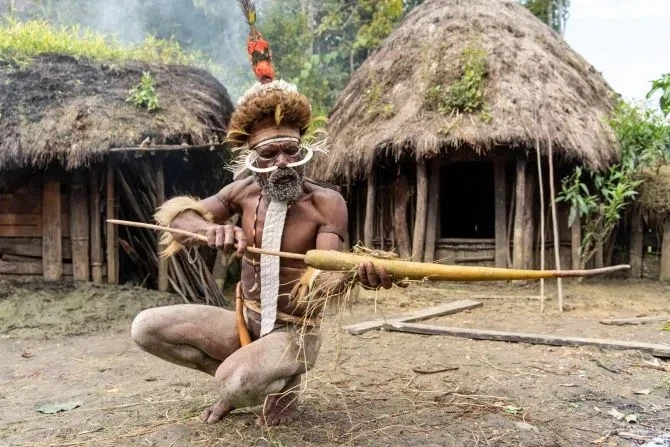
The Dani people live in Indonesia, in western Papua New Guinea. They inhabit the Balim Valley. Ancient, macabre customs have survived within the Papuan community, including cutting off women's fingers in memory of deceased relatives. 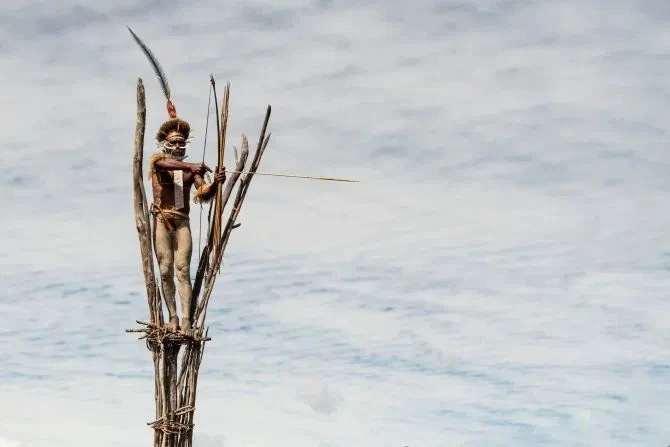
A surprising series of photographs was taken by 41-year-old photographer Gianluka Chiodini, who was received quite warmly by the Papuans. 

The settlement houses the 250-year-old mummy of a former tribal chieftain and seven other mummified bodies of Dani ancestors. Every day, they are anointed with a balm made from pork fat and smoked over a fire to preserve their integrity.

Village residents only show tourists two mummies, carefully guarding the others from prying eyes.
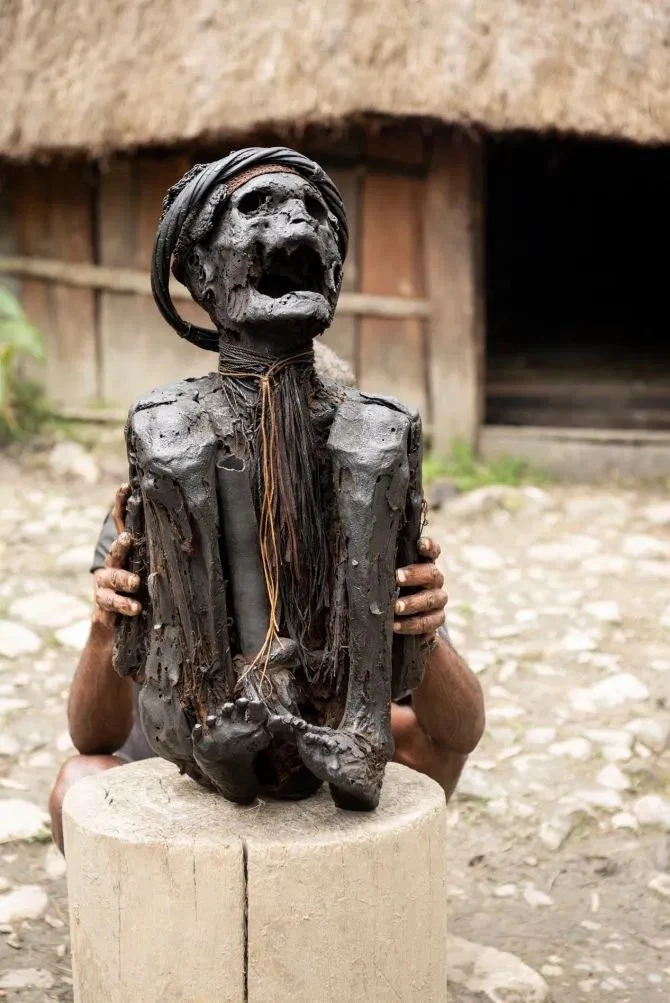
The remains of the ancestors are kept in a hut, where outsiders are prohibited from entering. A photographer was shown the 250-year-old mummy of Chief Wimontok Mabel, who was a brilliant warrior and owned a harem of 25 wives.
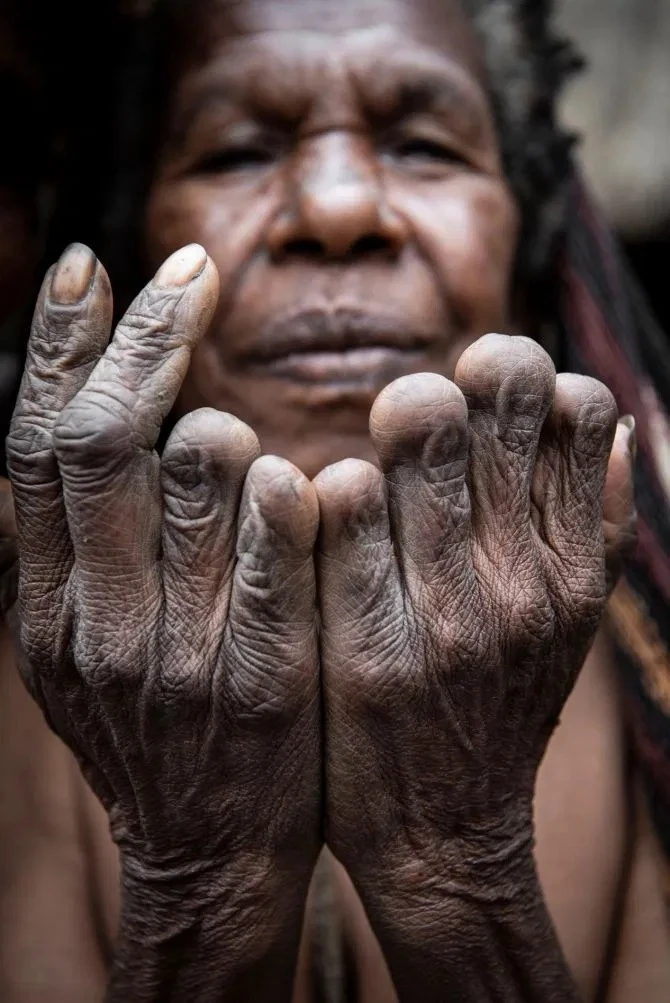
Dani women cut off their fingers when they lost a close relative, as a sign of grief. This gruesome tradition is no longer observed, but mutilation is still common among older tribeswomen.
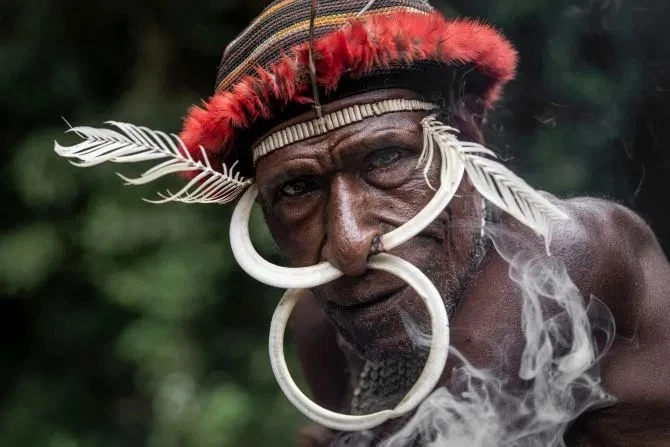
The Papuans used to be cannibals, but since the 1990s, cases of cannibalism have ceased.
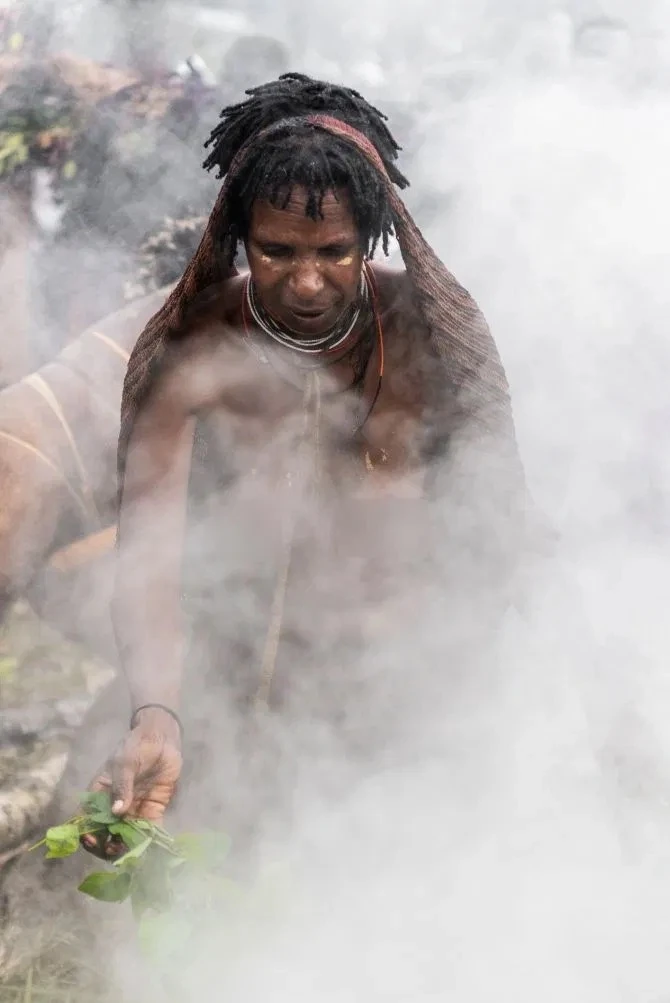
The Dani now prefer pork to human flesh. They hunt wild pigs with bows and arrows, and then the women cook the catch over a fire.

The men eat first, and then the Papuans join them.

Primitive life, according to the laws of nature, is becoming a thing of the past. Peoples like the Dani are becoming fewer and fewer: civilization is taking hold even in the most remote corners of the planet. It's fortunate that an Italian photographer managed to capture the ancient traditions and culture of the Papuan tribe, because in a few decades, their untouched existence could become a thing of the distant past.
Dani men, like most members of other Papuan tribes, wear the koteka. This indispensable accessory signifies the strength and dignity of its owner.

Download
Archive size 992.93 Kb, downloaded 58 times