Great Migrations (20 photos)
Move like millions, survive as one. This is the subtitle of the new National Geographic film "Great Migrations." All over the world, animals migrate vast distances, constantly searching for resources on dangerous journeys that can last anywhere from a few hours to several generations. The film crew spent two and a half years in the field, covering 435,000 miles across 20 countries and all seven continents. 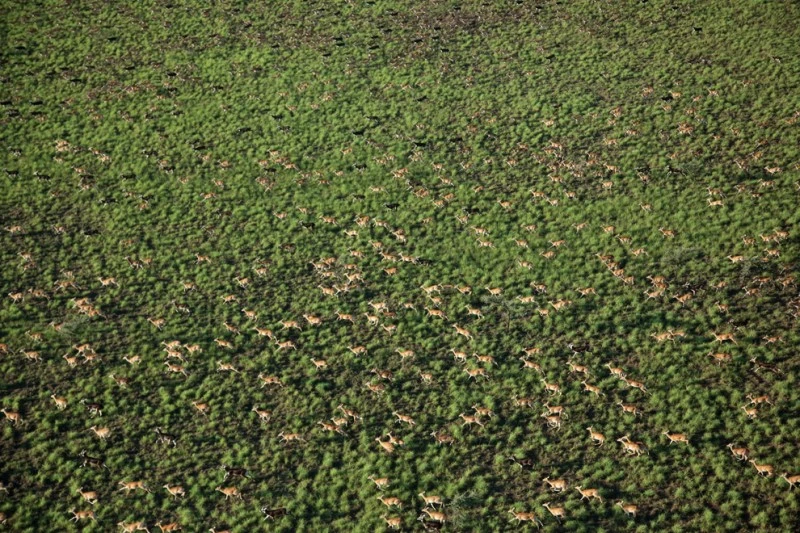
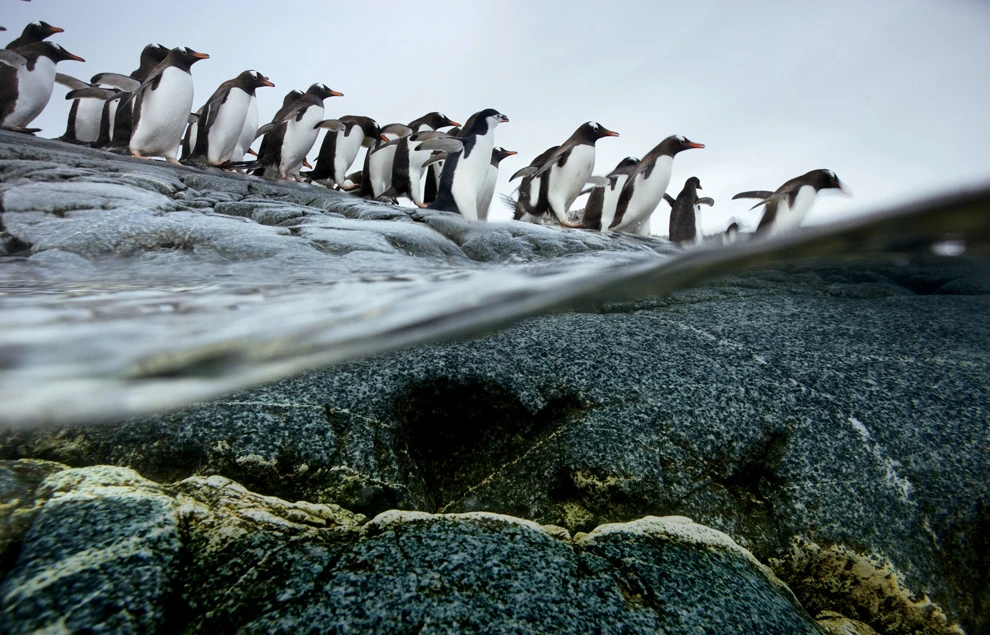
1. Gentoo penguins lined up in a row as they set out to sea on the Antarctic Peninsula. (© National Geographic/Paul Nicklen) 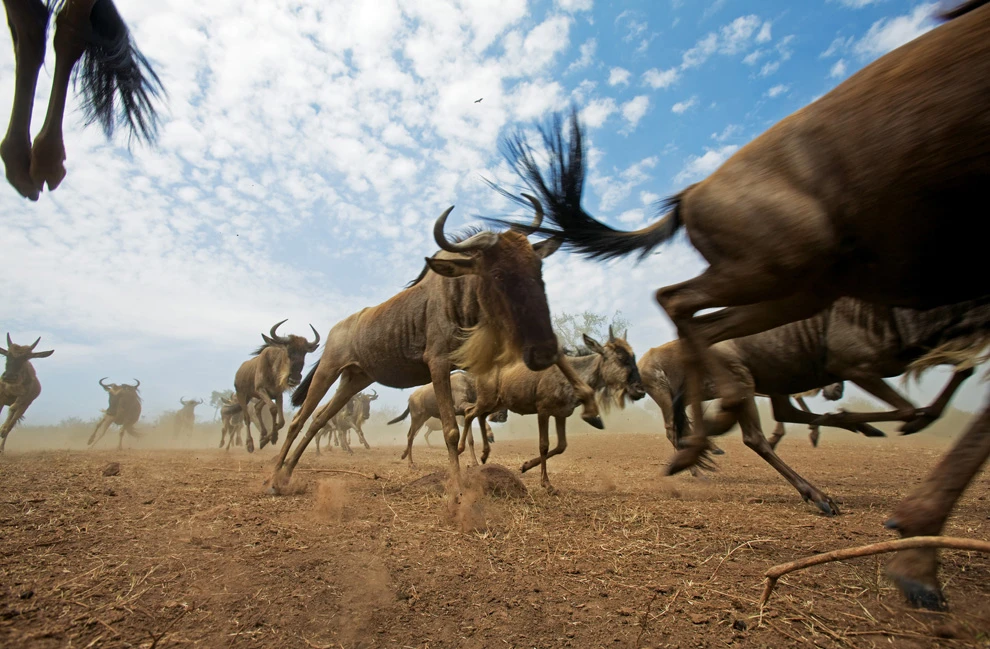

Как садят рис
Смотреть видео2. Herds of wildebeest run across the dusty plains of the Masai Mara Game Reserve. Each year, wildebeest travel 2,896 km across equatorial East Africa. (© National Geographic/Anup & Manuj Shah)
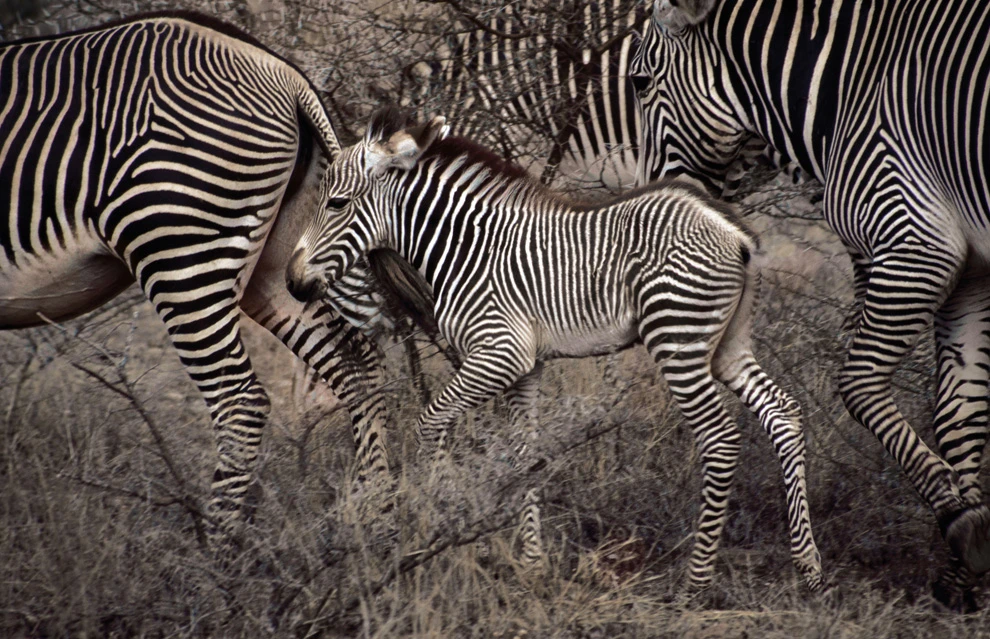
3. A baby zebra sticks close to its mother, recognizing her by her voice, stripes, and scent. (© National Geographic/Marc Moritsch)
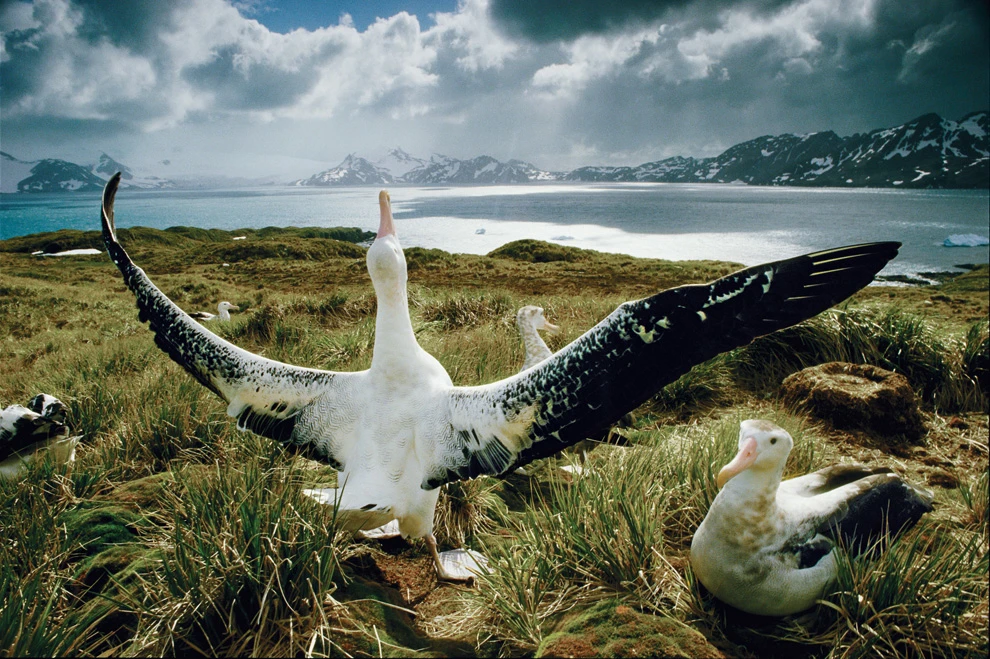
4. A male albatross displays his 3-meter-long wings to a female on the South Georgia Islands. (© National Geographic/Frans Lanting)
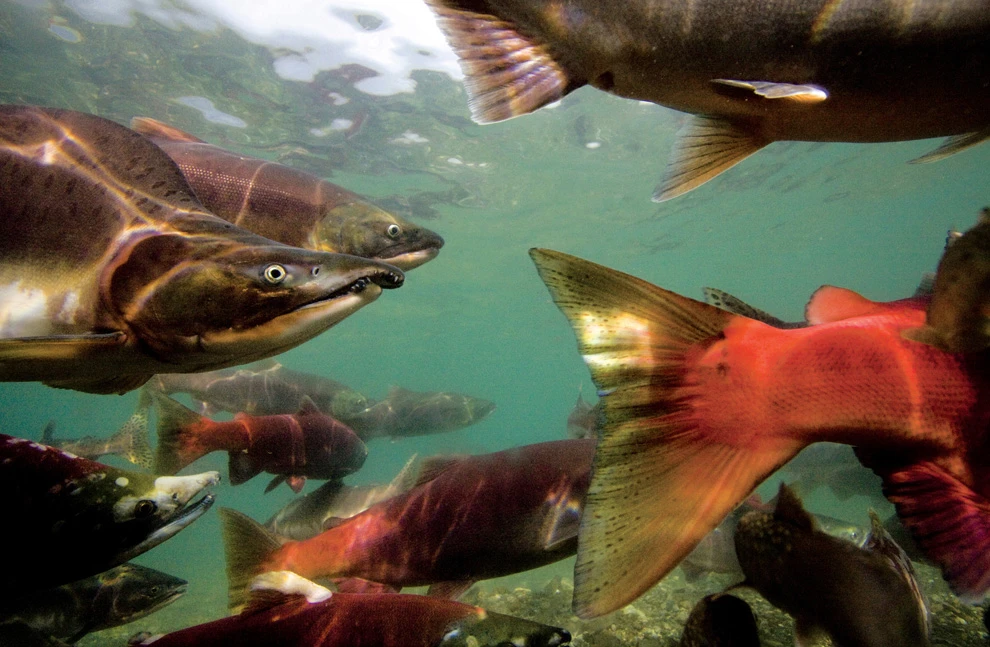
5. Migrating salmon in the Ozernaya River on the Kamchatka Peninsula. (© National Geographic/Randy Olson)
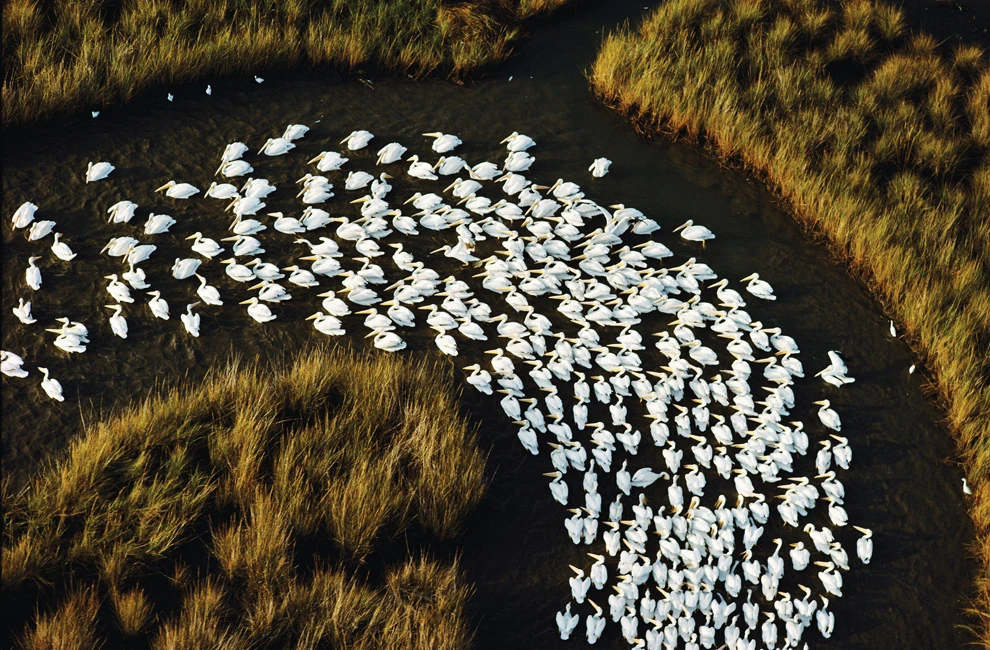
6. A flock of white pelicans on the Mississippi River during their twice-yearly winter migration. (© National Geographic/Annie Griffiths)
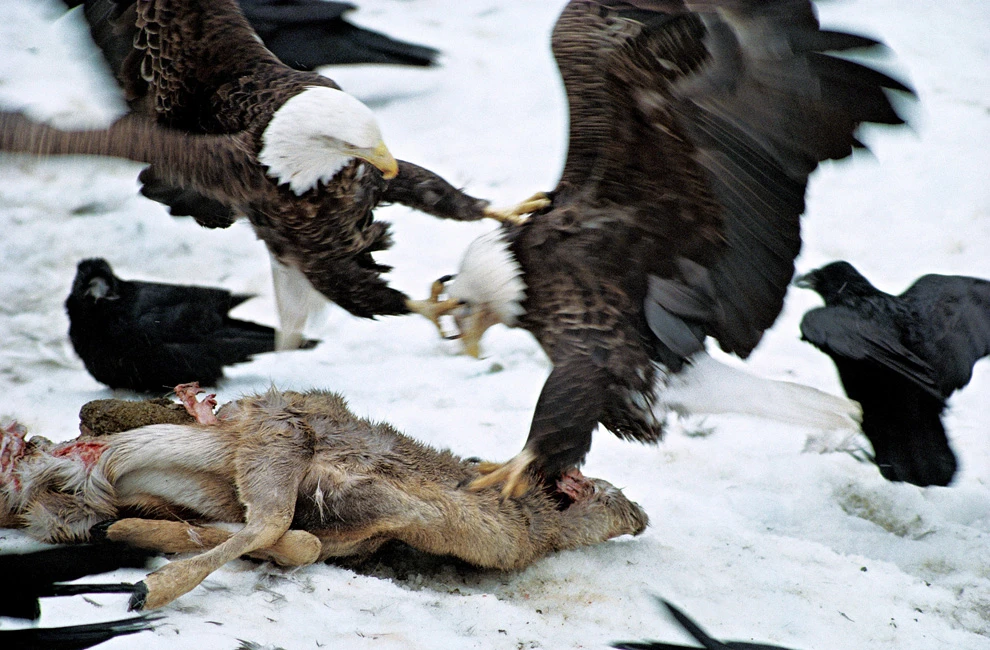
7. Bald eagles migrate along the Mississippi River corridor in the spring to nesting grounds in the northern United States and Canada, finding food that sometimes requires competition. (© National Geographic/Jim Brandenburg/Minden Pictures)
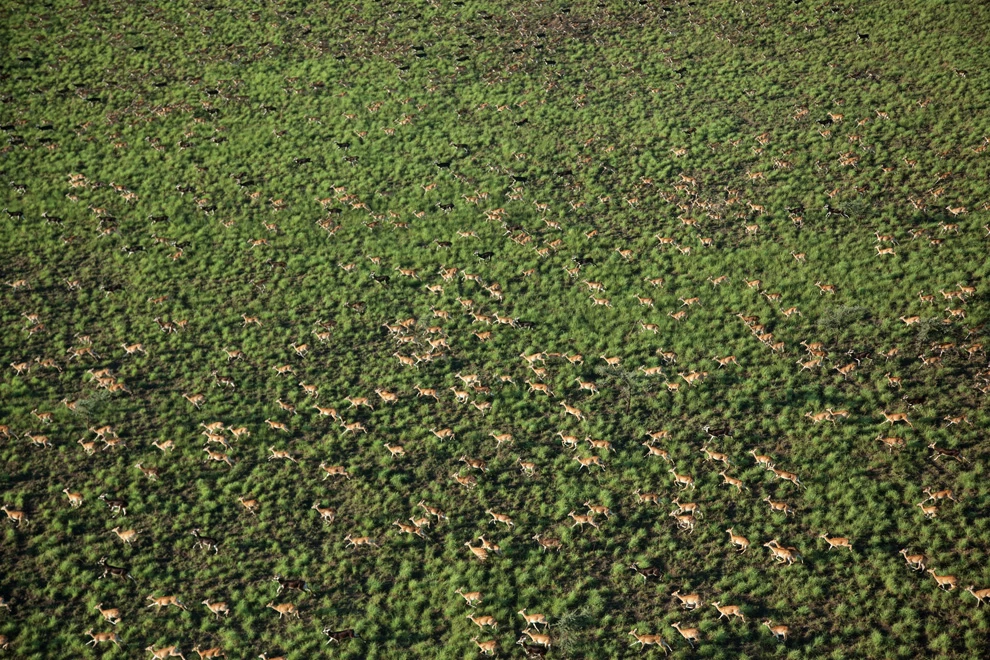
8. Elephant seals run across the plains of southern Sudan. (© National Geographic/George Steinmetz)
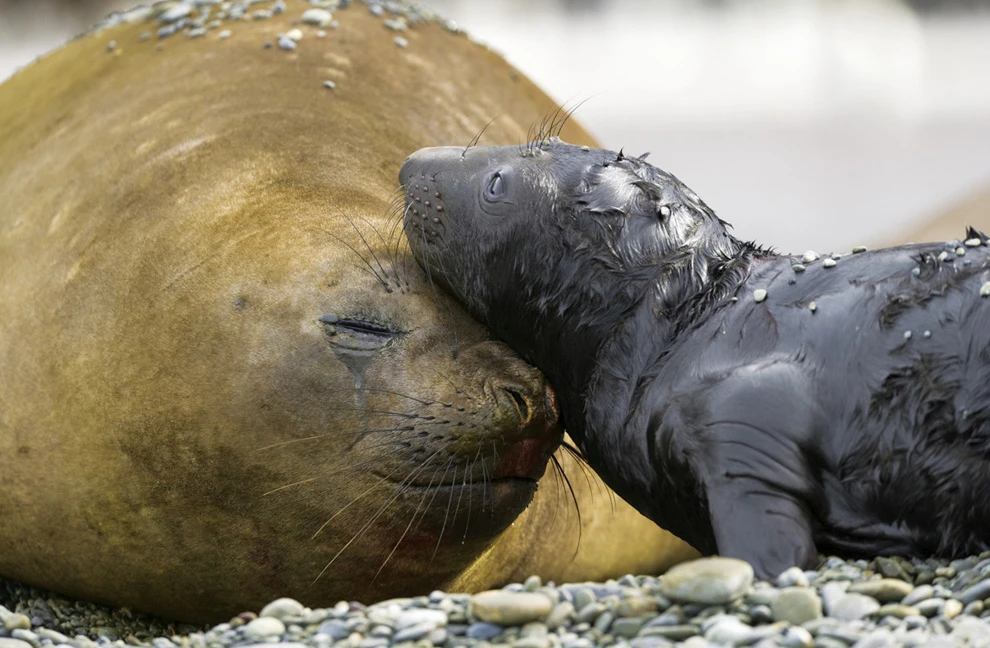
9. Elephant seals migrate to the Falkland Islands to nest. Mothers are especially protective of their young. (© National Geographic/Paul Nicklen)
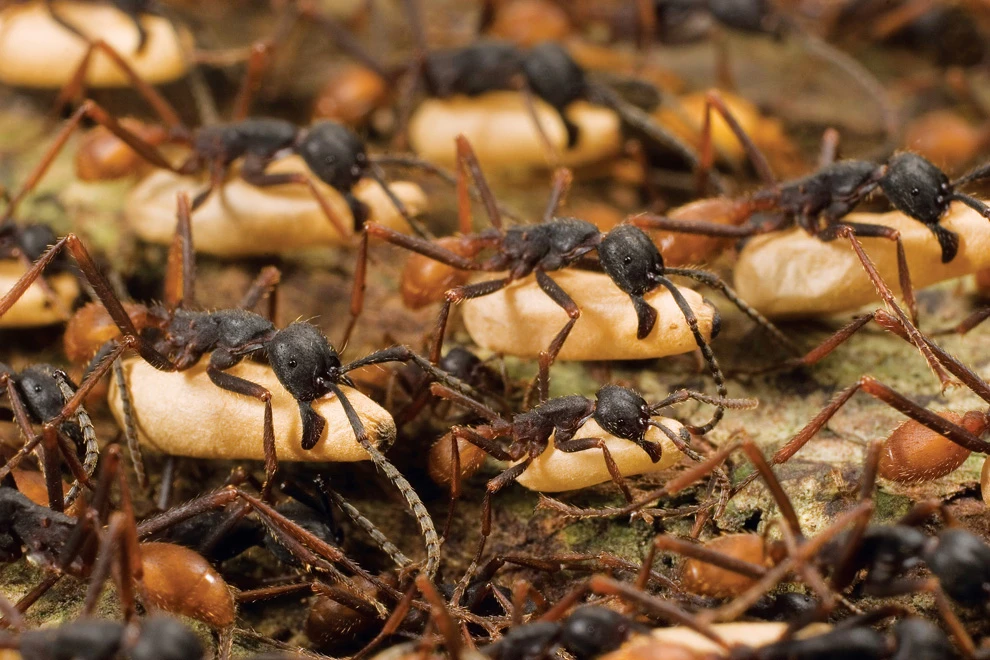
10. An army of ants moves in colonies of 500,000 to two million individuals. They do this so smoothly that they appear to be a single organism. (© National Geographic/Mark Moffett/Minden Pictures)
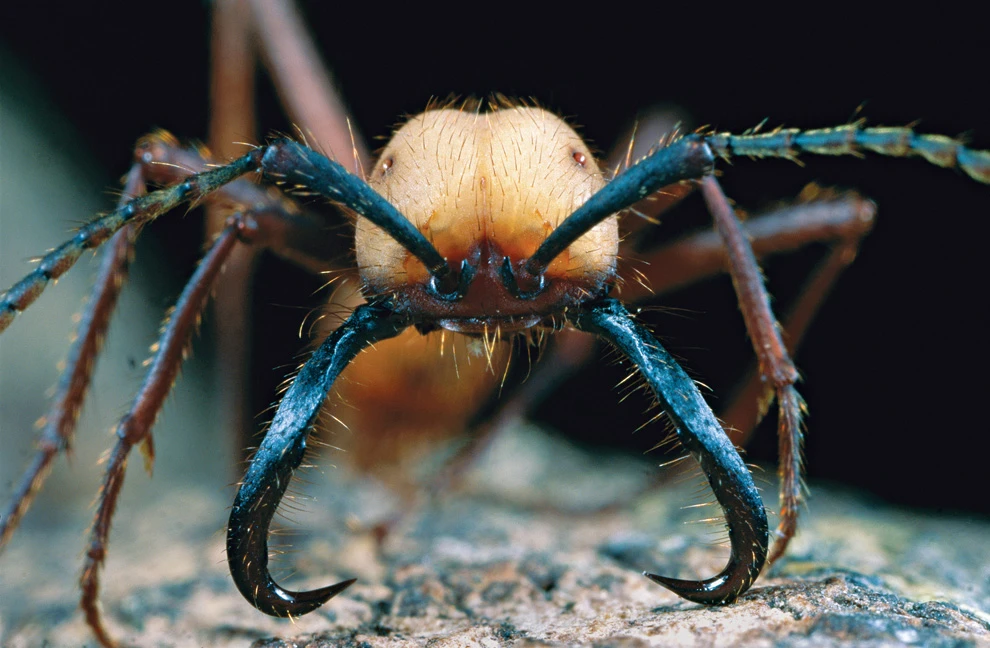
11. A detailed photo of an ant's jaw. (© National Geographic/Christian Ziegler/Minden Pictures)
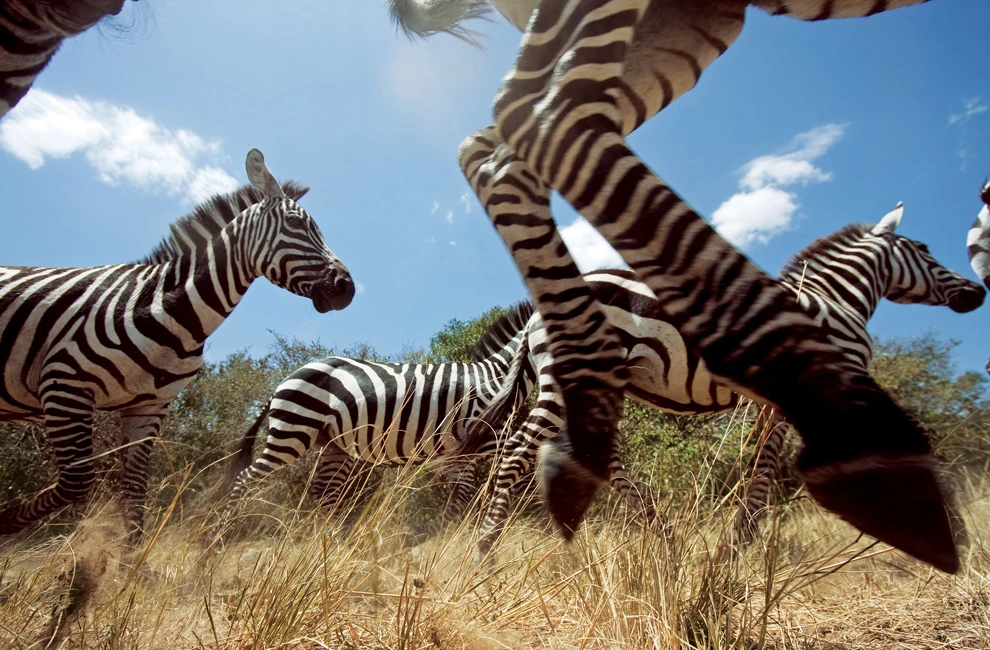
12. It takes zebras 10-20 days to cross the 240-kilometer savannah. They migrate through grasslands and marshy plains between the Okavanga River and the Kalahari Desert. (© National Geographic/Anup & Manoj Shah)
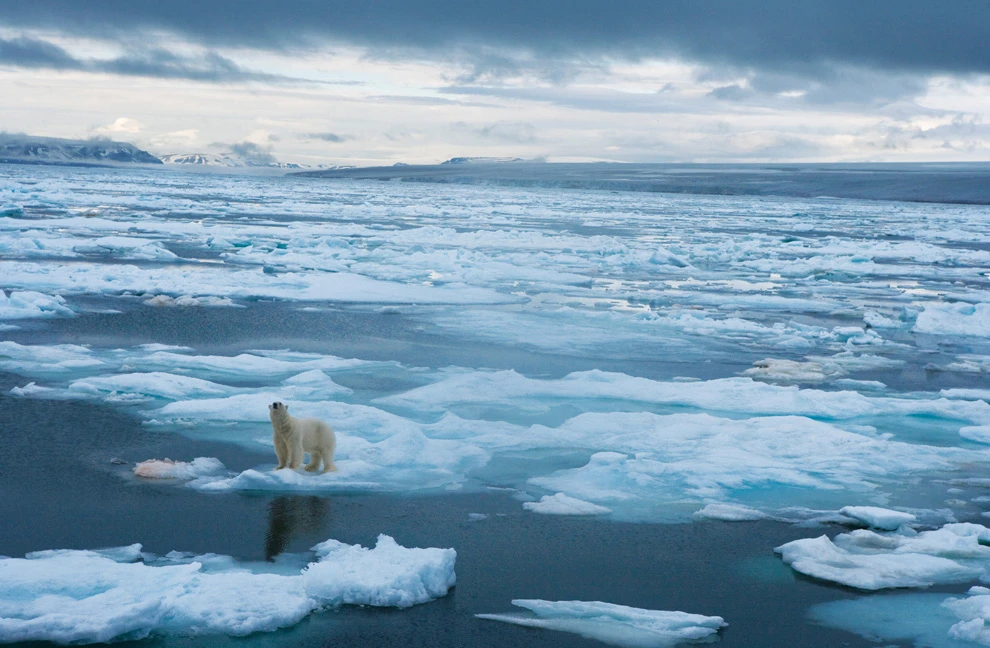
13. Polar bear on an ice floe. (© National Geographic/Paul Nicklen)
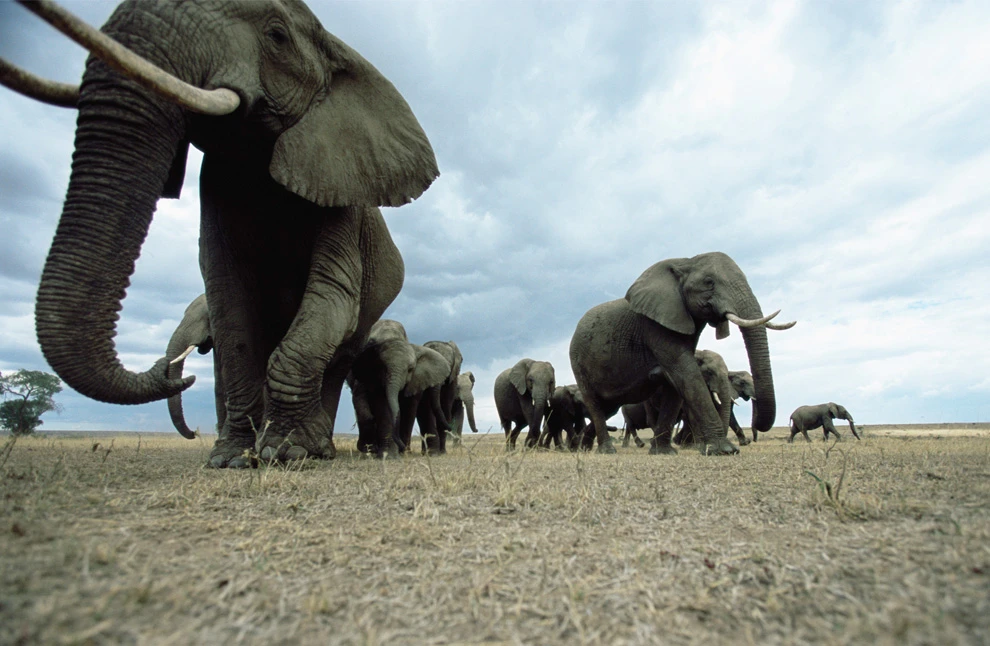
14. Malian elephants must travel across the Sahel region in search of food and water. Their annual 480-kilometer journey is the longest of all elephant migrations. (© National Geographic/Anup & Manoj Shah)
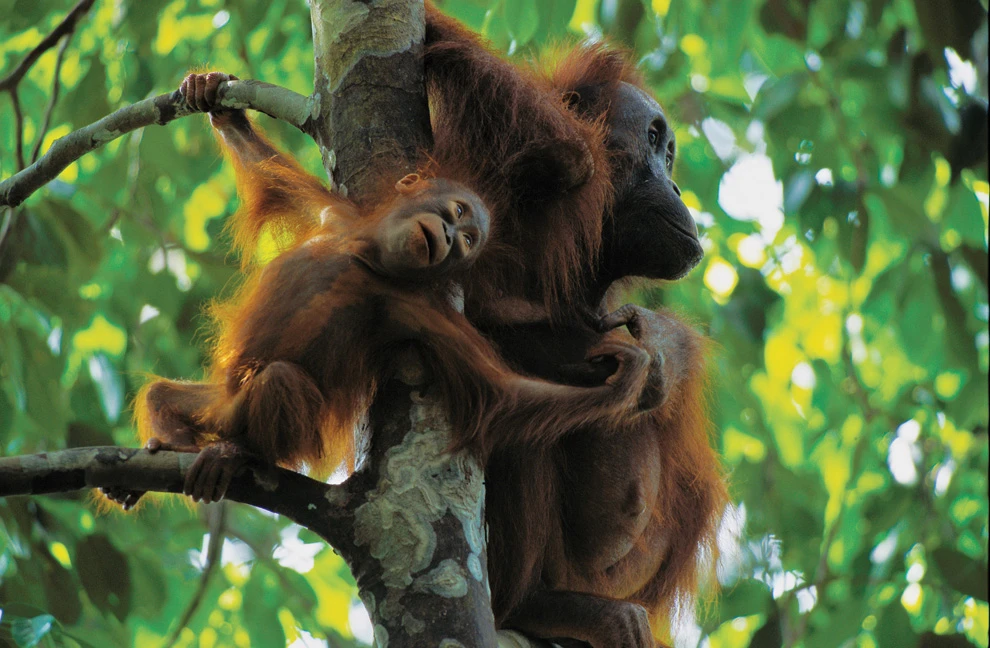
15. A female orangutan carries her one-year-old baby to safety. Orangutans are always looking for food. Their entire life revolves around this activity. (© National Geographic/Tim Laman)
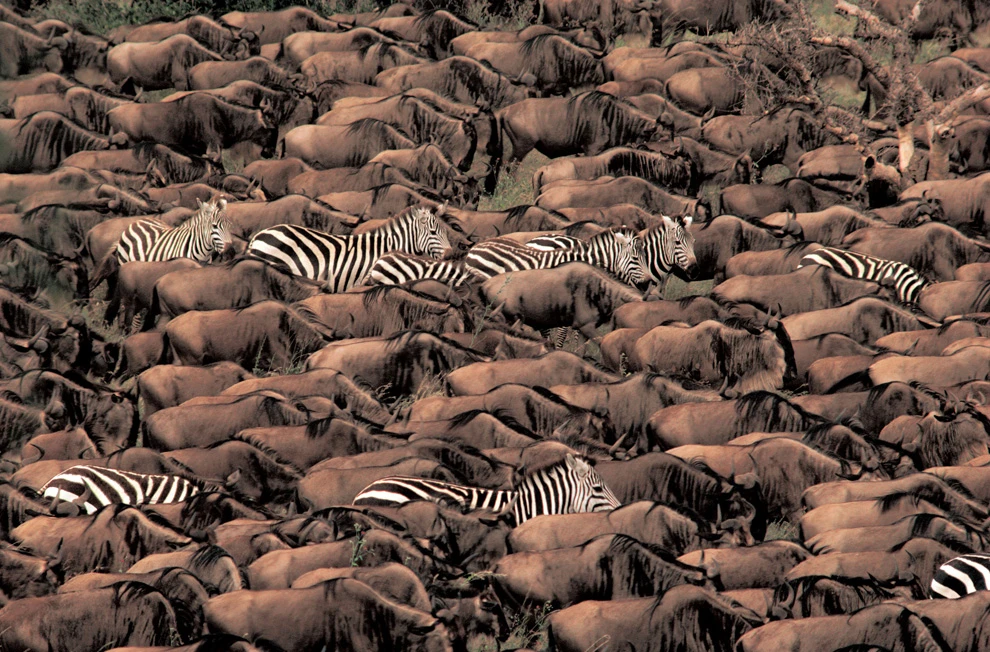
16. Zebras usually accompany wildebeest, and those who lag behind are at risk from predators. (© National Geographic/Mitsuaki Iwago/ Minden Pictures)
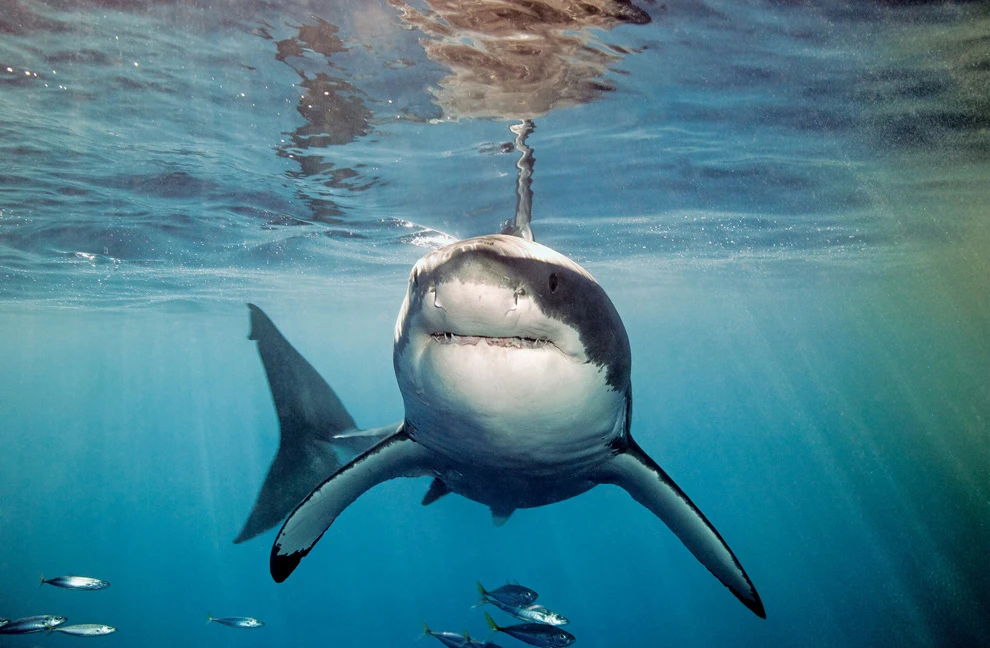
17. An approaching great white shark is a danger to all marine mammals, even elephant seals. (© National Geographic/Mauricio Handler)
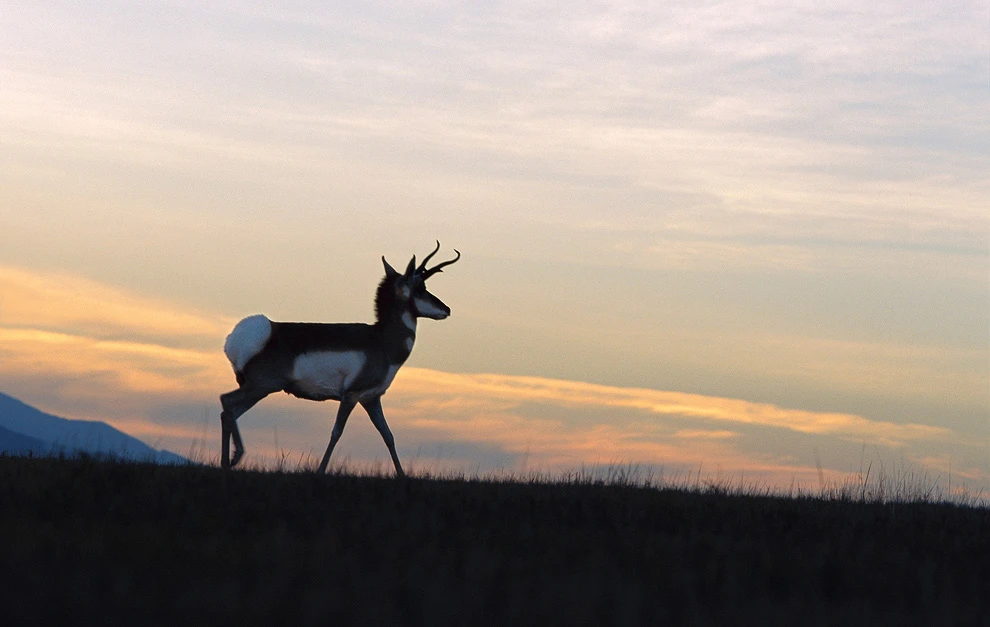
18. Pronghorn antelope at sunset in an Oregon wildlife refuge. (© National Geographic/Michael Durham/Minden Pictures)
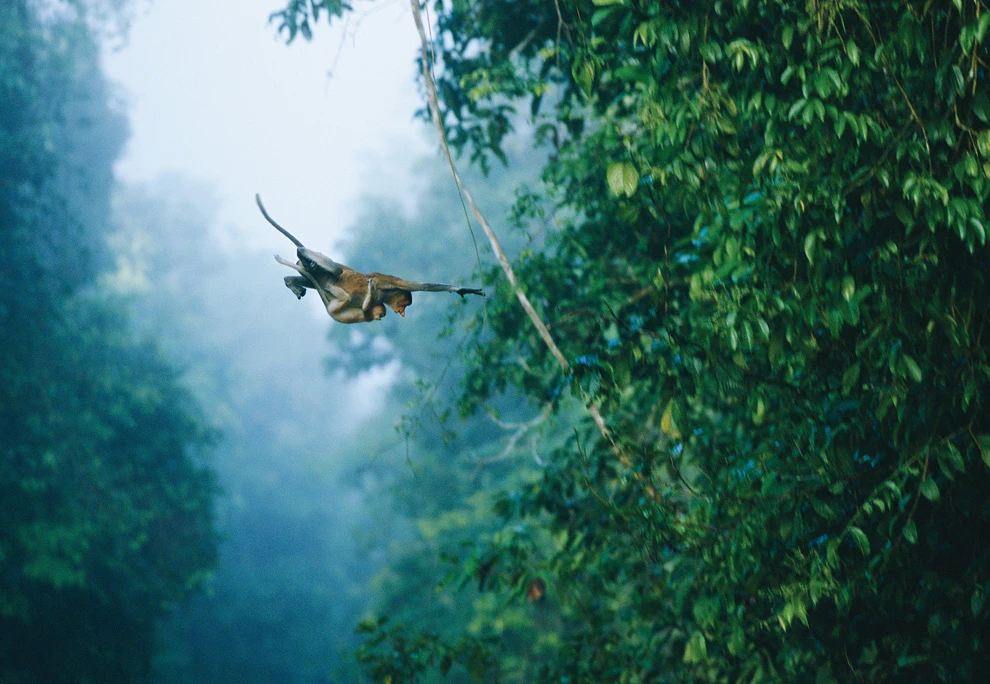
19. A proboscis geese mother and her baby in a Bornean forest. (© National Geographic/Tim Laman)
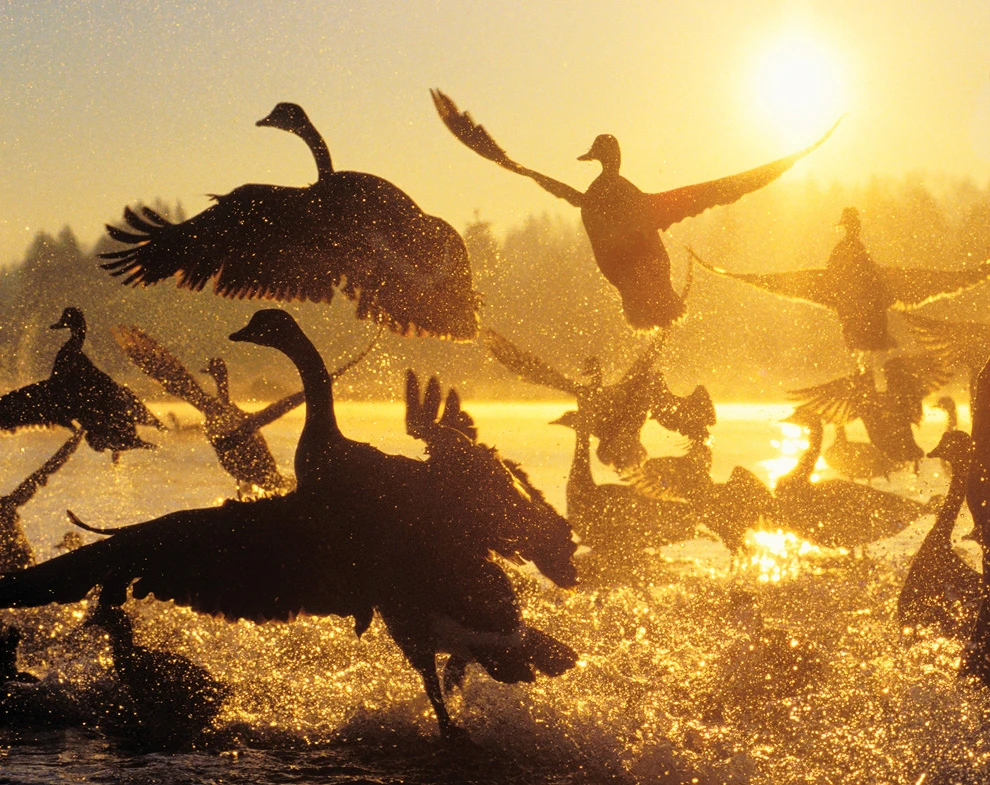
20. With a splash and flap, Canada geese land, feed, rest, and then take off again to resume their journey to warmer climes. (© National Geographic/Thomas Kitchin & Victoria Hurst/Getty Images)

Download
Archive size 6.06 Mb, downloaded 0 times