Alexander Chekmenev's Luhansk Passport - a poignant photo project
In 1994, local authorities in the city of Luhansk, in eastern Ukraine, were faced with a need for a photographer. The Soviet Union had just collapsed, and like all its newly independent states, Ukraine had to go through the process of issuing new passports to all its citizens. That's over 50 million people. Many of these people were elderly, bedridden, and to issue passports for them all, someone had to pick up a camera and visit them all.
In Luhansk, one of the officials knew a guy who knew a guy who worked at a local photo studio. His name was Alexander Chekmenev. Thus, the future famous Ukrainian photographer received his first major government commission. 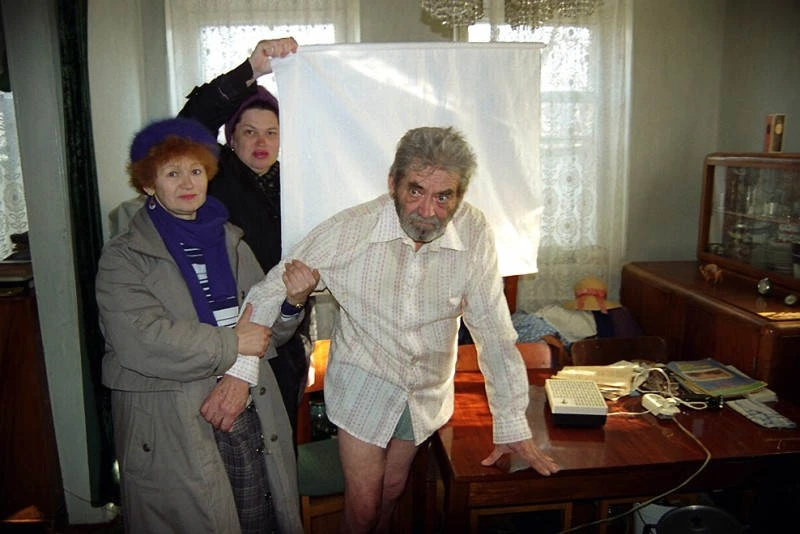
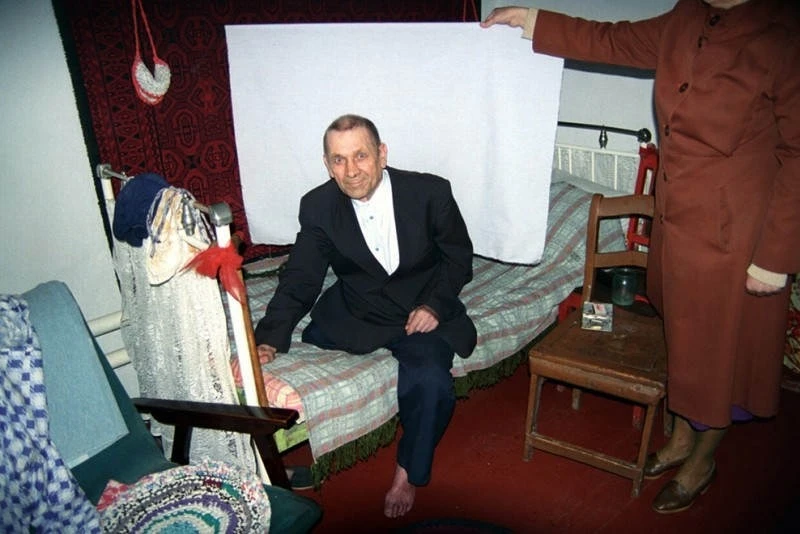
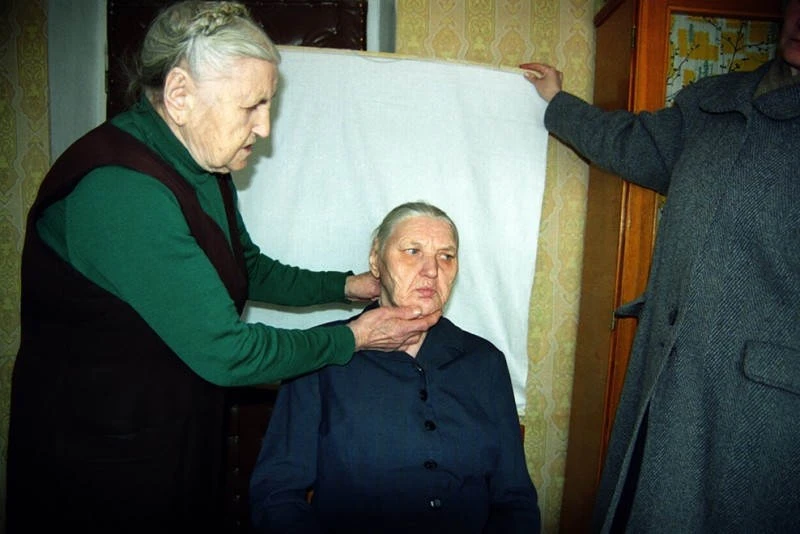
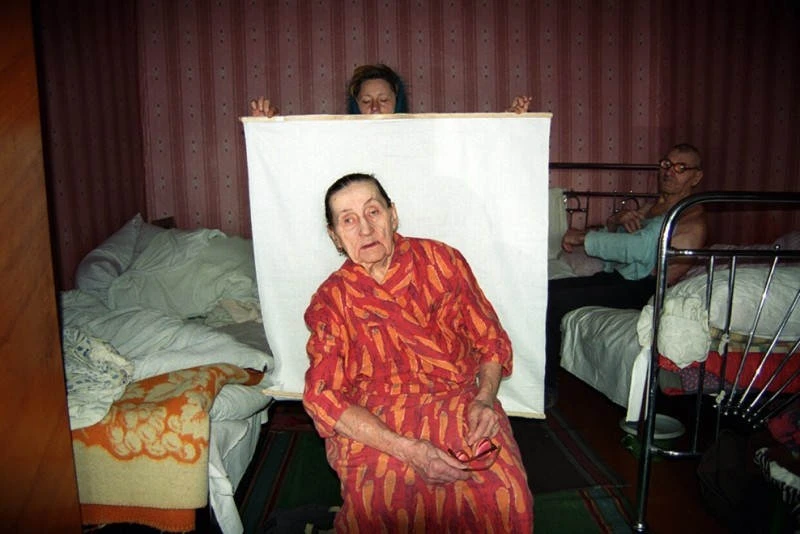
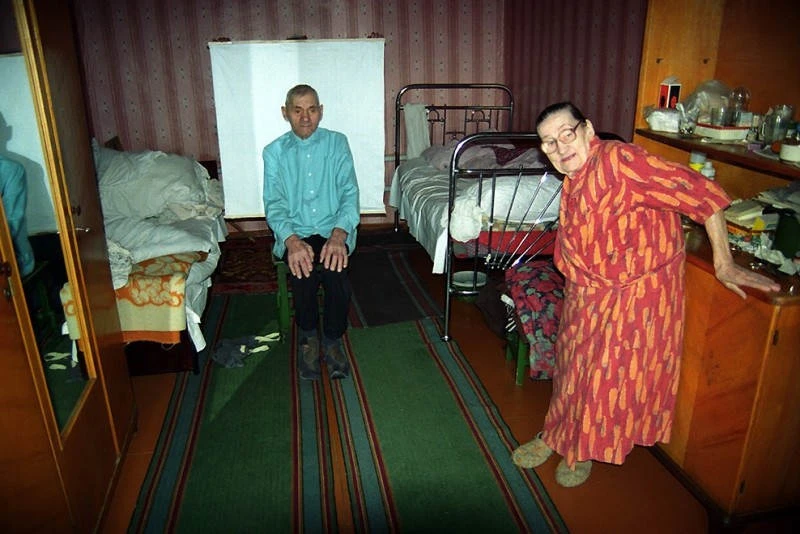
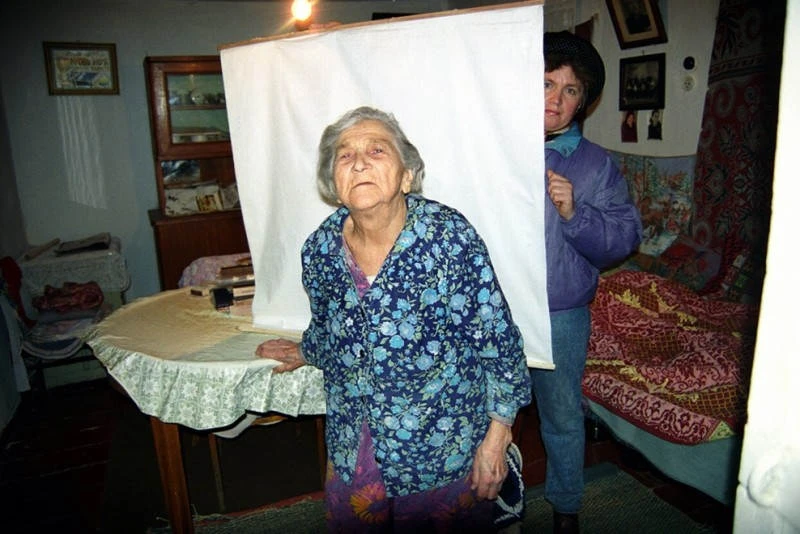
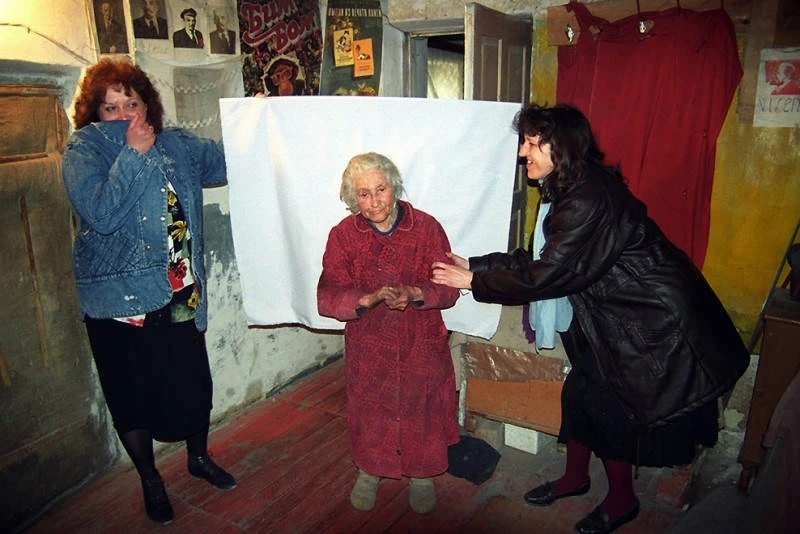
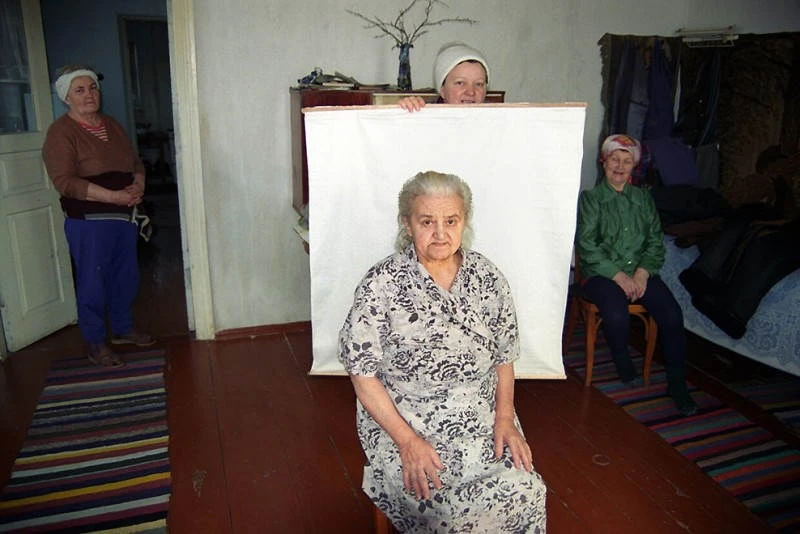
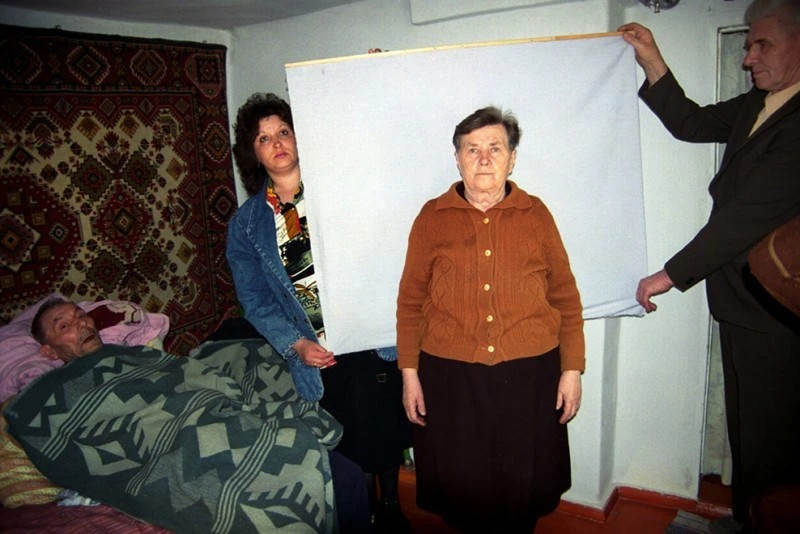
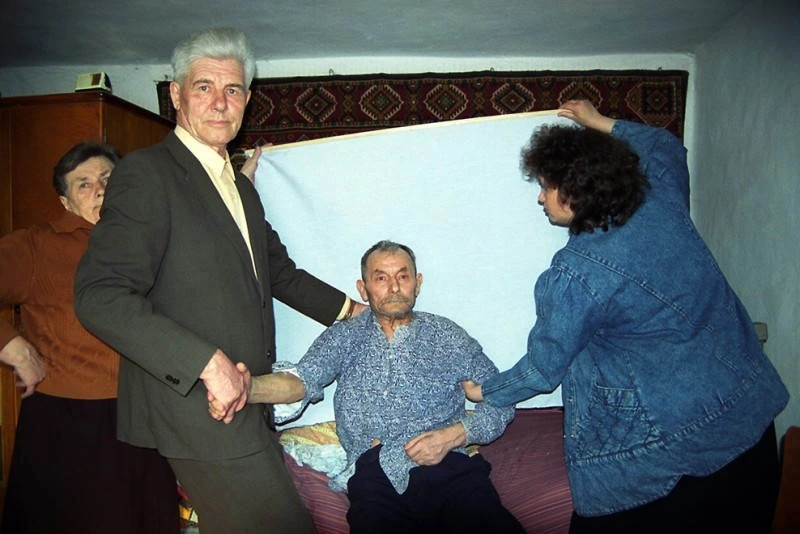
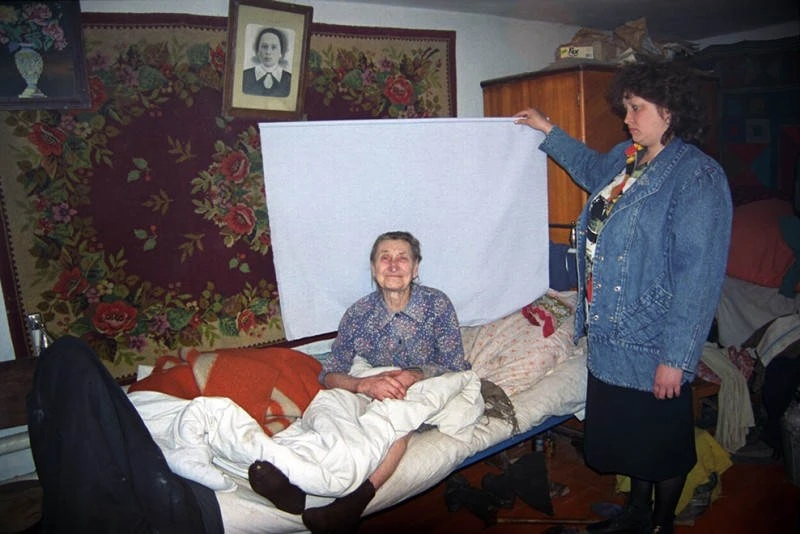
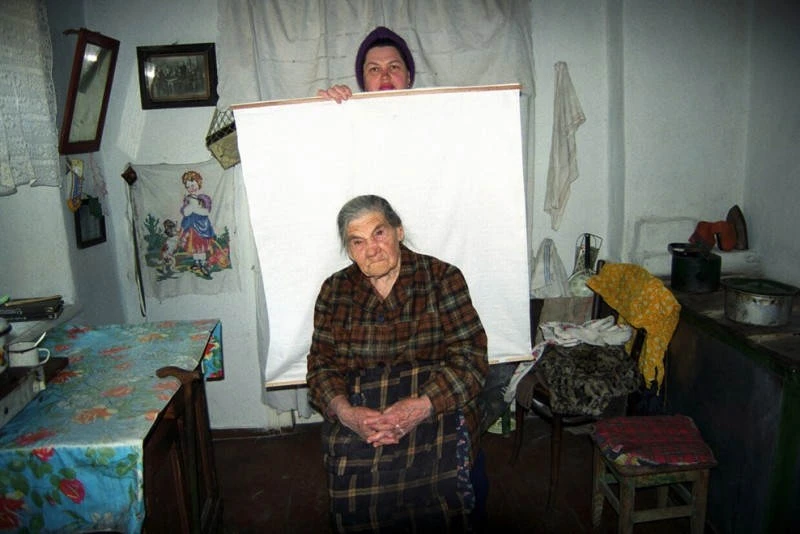
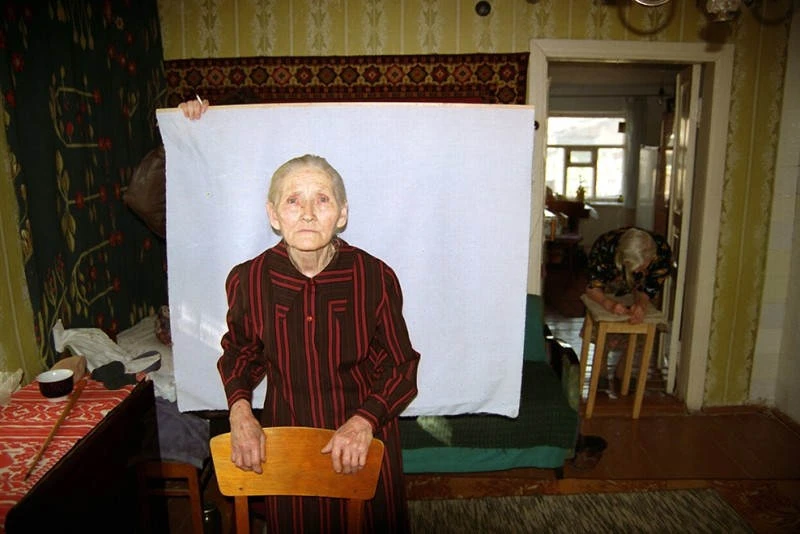
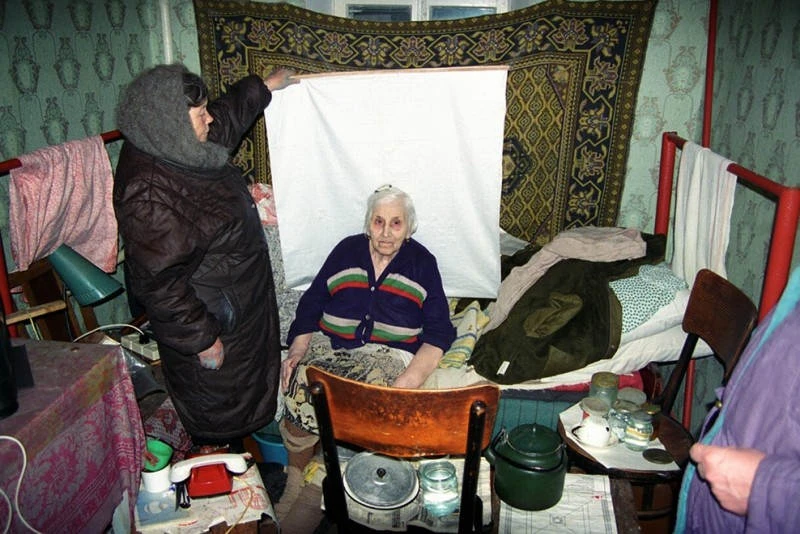
Perhaps if it had been anyone else, nothing more than 3x4 photographs would have remained of these people. Nothing more than small, monochrome passport portraits on a portable background. But Chekmenev transformed the passport commission into a global photographic study of life and death in the dying Soviet Union. 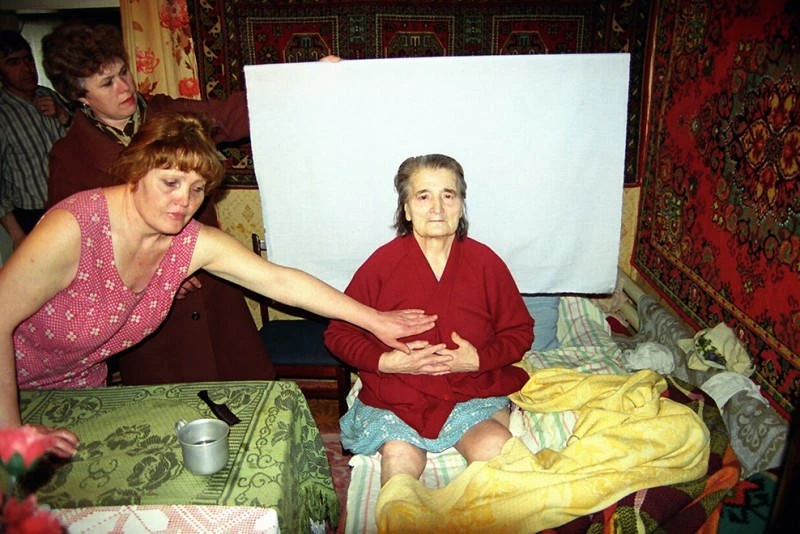
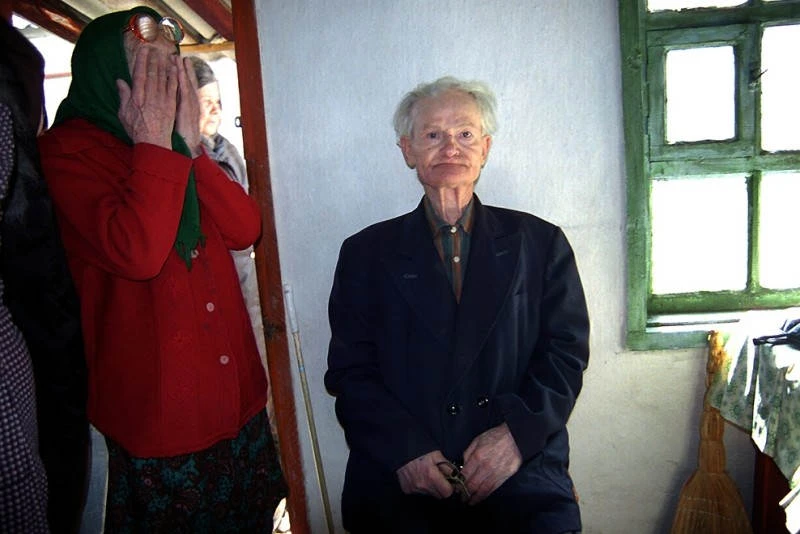
For a whole year, Chekmenev and several social workers traveled throughout the Luhansk suburbs, visiting every elderly resident. Most of them were contemporaries of the 1917 Revolution, having lived through the entire history of socialism and served as living examples and tangible reflections of its results. The resulting series of works was called "Passport." It's difficult to look at the works in the series without tears. The wretchedness of these people's lives and fates provokes a desire to apologize, to turn away. With each photograph, the viewer feels as if they have stumbled upon something too sad, too private, too hopeless. With his "Passport," Chekmenev wanted to make a challenge, and he succeeded. 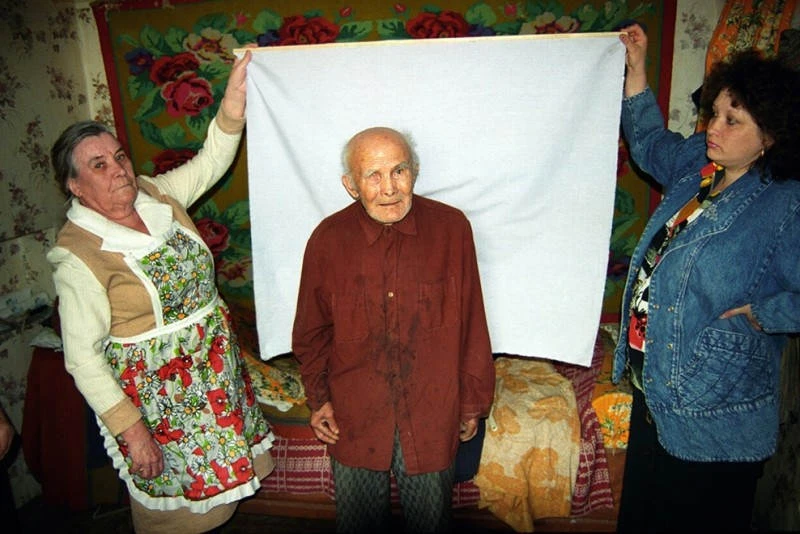

As the photographer himself recalls, in the Soviet Union, real living conditions were hidden at all costs; they were essentially shameful. Fictitious celebrities and smiling people at parades were paraded before the public and for all to see. But this was not the reality in which millions lived.
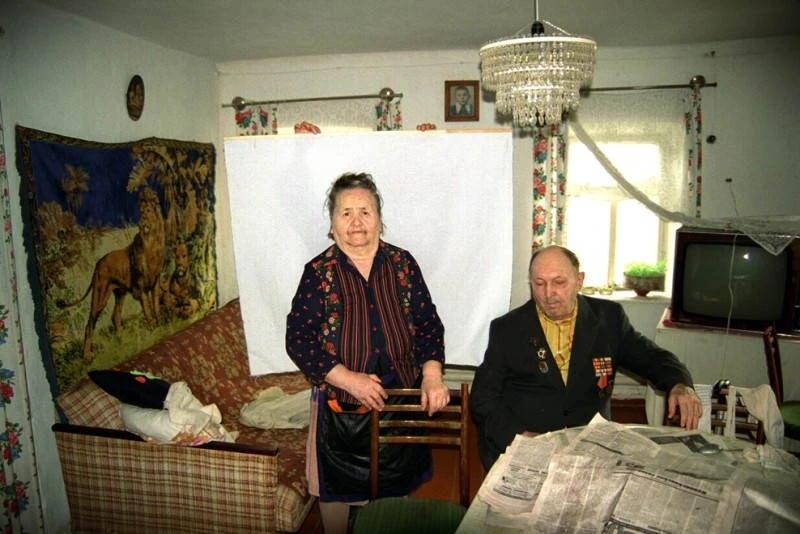
In Soviet dogma, the idea of sacrifice was paramount, yet at the same time, suffering itself was taboo. In exchange for concealed suffering, Soviet people were offered the idea of a communist utopia, which would sooner or later arrive and offer relief.
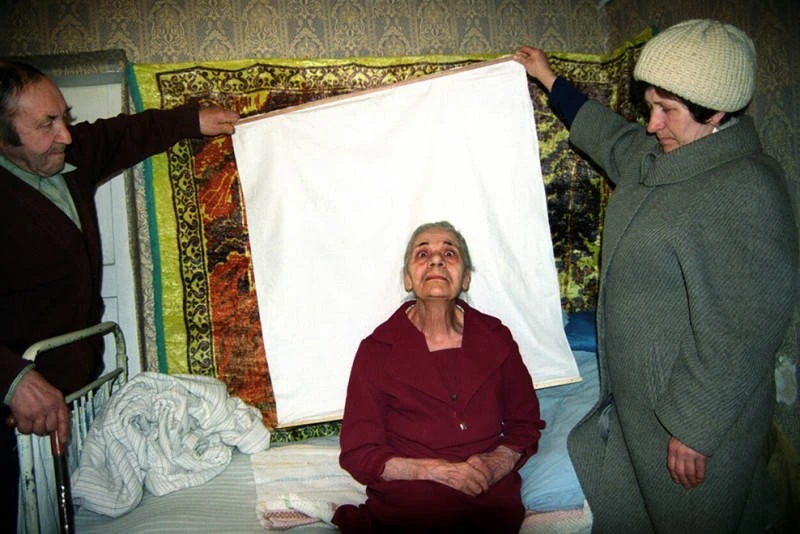
So, on a personal level, "Passport" was conceived as a rejection of the system. A refusal to follow a predetermined path. And the photographs in the series go far beyond the political system itself, entering the realm of intimate grief and the nearness of death.
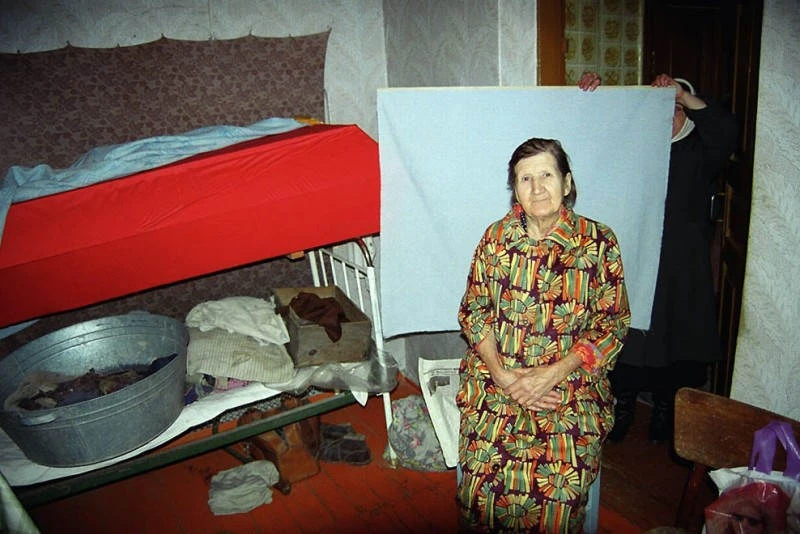
In one of the photographs, Chekmenev shows a woman who bought herself a coffin, placed it on the second tier of the bunk bed she slept in, and sat next to it. She wanted to be photographed with it. And there was nothing bad or shameful about it; it was just that at that moment, the coffin became a part of her life.
And there were thousands of such stories, the intertwining of ordinary life with the glaring presence of death. And at the turn of the century, they surprised no one. For ordinary people, the only way to maintain sanity was to shrug at the moment of death and smile at the suffering. That is, exactly what anyone would have done in the early 1990s. Only a young 25-year-old photographer, Alexander Chekmenov, tried to go beyond this mass phenomenon—with his camera, he drew attention to the absurdity of this state of affairs.
Aleksandr Chekmenev's photo project "Passport" won first place in the "New Names" category of the Ukrpressphoto competition in Kyiv in 1994. In 2000, it won the European Documentary Photography Competition in Switzerland.

Download
Archive size 1.27 Mb, downloaded 54 times